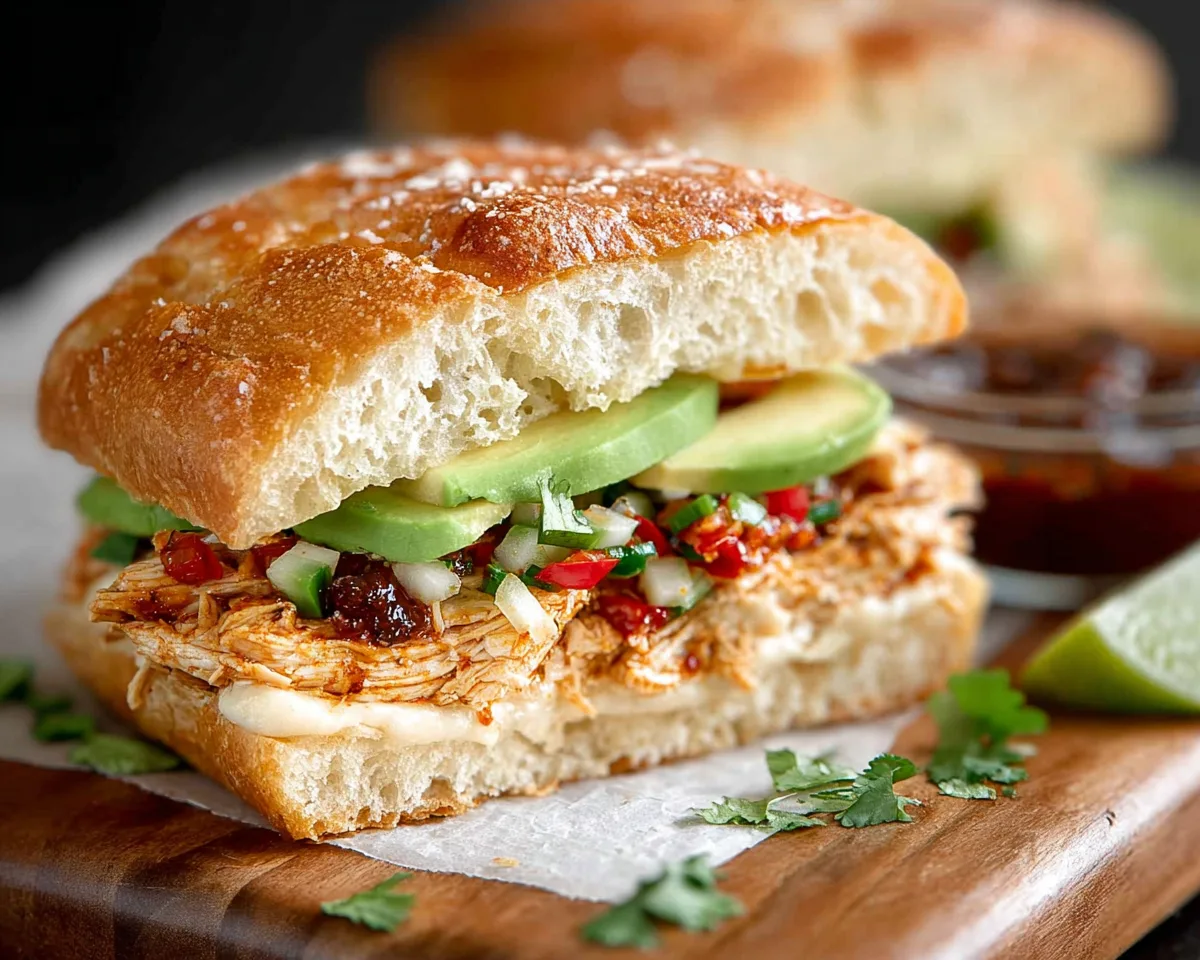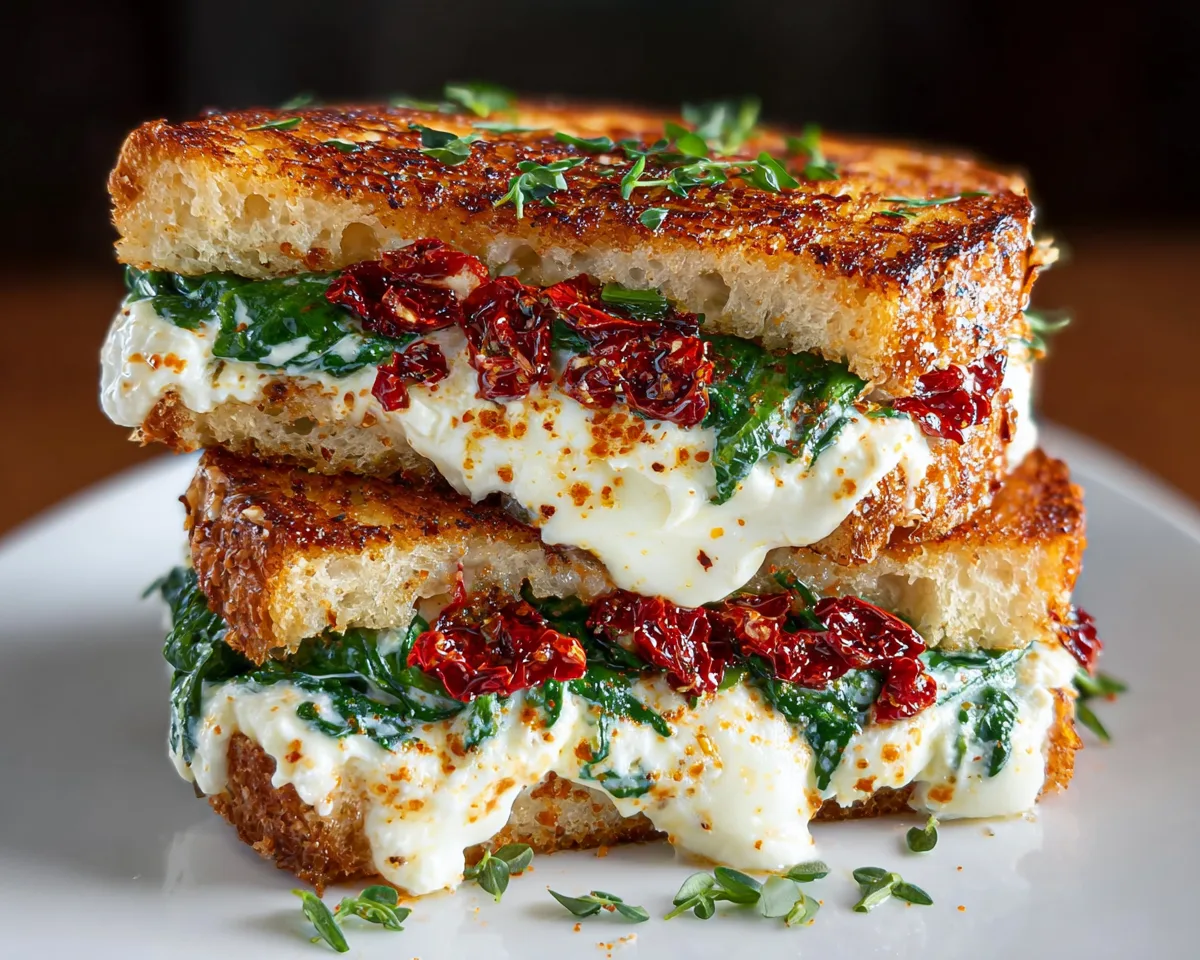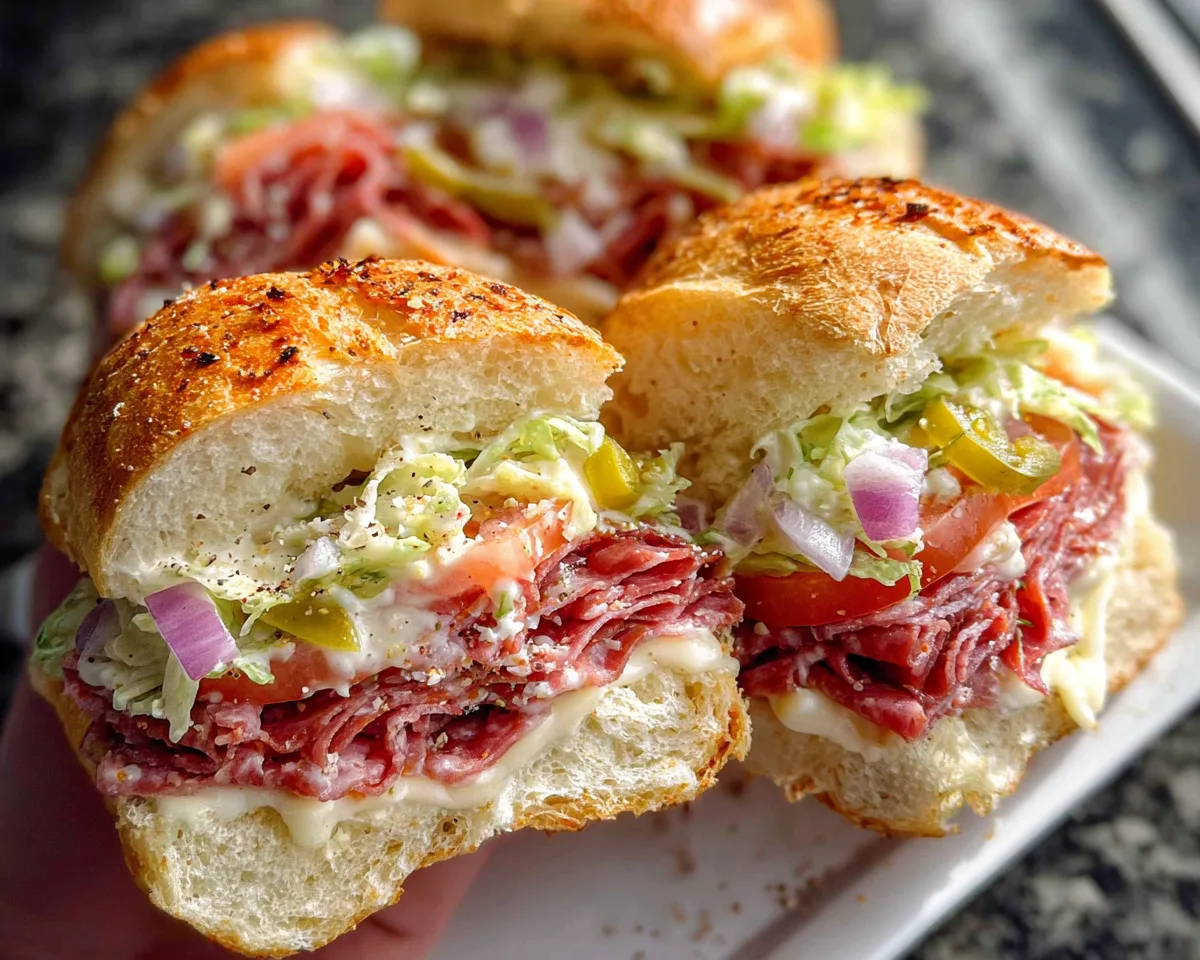
Remoulade sauce is a bold and tangy condiment that enhances seafood, sandwiches, fries, and classic Southern recipes. Many home cooks look for an easy way to prepare remoulade sauce with balanced acidity, creamy texture, and spice. This guide breaks down the essentials so anyone can master this iconic sauce with confidence. Using ingredients like mustard, paprika, scallions, lemon, and cayenne allows the flavors to shine without complication. By understanding the correct methods, seasoning choices, and storage habits, you can elevate remoulade sauce from basic to unforgettable.
Step by Step Guide to Making Remoulade Sauce at Home
Understanding the Flavor Base
Remoulade sauce relies on a creamy foundation that blends effortlessly with aromatics. Mayonnaise or a high quality vegan mayo creates the rich body needed to hold spices and herbs in place. Mustard adds tang and depth while paprika provides earthy color. These components form the backbone of any good remoulade sauce and create the ideal balance for seafood and fried dishes.
Preparing the Aromatics for Maximum Flavor
Fresh garlic is essential for sharpness, so grate it very finely to avoid harsh chunks. Scallions deliver mild onion flavor without overpowering the mixture. Adding lemon juice brightens the sauce and keeps it from feeling too heavy. When combined with onion powder and cayenne, these ingredients give remoulade sauce its signature kick. Mix gently to ensure the aromatics distribute evenly.
Incorporating Heat the Right Way
A flavorful hot sauce such as Texas Pete Original Hot Sauce, Crystal Hot Sauce, or Sriraja Panich Hot Sauce blends smoothly without dominating the sauce. Start with a small amount and increase to suit your heat preference. The goal is warmth rather than intensity. Cayenne provides an additional boost that lingers lightly on the palate. This layered heat approach keeps the sauce exciting while still approachable for most diners.
Mixing and Adjusting Consistency
Once everything is added to the bowl, stir in small circular motions to get a creamy, unified texture. If the sauce feels too thick, a few drops of lemon juice can thin it while enhancing brightness. If it is too loose, a spoonful of mayonnaise will firm it up. Taste and adjust salt or acidity only after the ingredients settle into each other, which usually takes a minute or two.
Customizing Flavor Variations
Some cooks prefer a slightly smoky profile, which can be achieved by using smoked paprika instead of the classic version. For a more herb centered remoulade sauce, add fresh chives or parsley. If you enjoy sweetness in sauces, a tiny hint of mustard with a mild flavor can balance acidity. These additions allow the sauce to be tailored to sandwiches, crab cakes, roasted vegetables, and fries.
Applying the Right Mixing Technique
Avoid whisking aggressively which introduces too much air and can make the sauce look foamy. Instead, fold gently with a spoon or spatula. This preserves the creamy body and ensures the scallions and garlic stay suspended rather than sinking to the bottom. Mastering this technique is a small detail but makes a noticeable difference in texture.
Allowing the Sauce to Rest for Better Flavor
Letting the remoulade sauce sit for at least ten minutes deepens flavor because the spices bloom and the aromatics meld into the creamy base. For an even richer taste, chill it for thirty minutes. Resting time transforms a freshly mixed sauce into a well rounded condiment that complements shrimp, fish, sandwiches, and roasted potato sides.
Tips and Tricks for Perfecting Remoulade Sauce
Balancing Creaminess and Acidity
A great remoulade sauce needs the right harmony between richness and brightness. Mayonnaise gives the sauce its smooth base while lemon juice keeps the flavors lively. If the sauce tastes too sharp, add a small spoon of mayo to soften the edges. If it feels heavy, increase the lemon juice slightly. This simple balance is one of the main reasons remoulade sauce works so well with seafood and fried foods.
Choosing Fresh Aromatics for Better Results
Fresh garlic and scallions add fragrance that powdered seasonings cannot match. Always grate garlic instead of mincing so the flavor spreads evenly without leaving chunky pieces. Using fresh chives as an optional garnish gives the sauce a clean finish. High quality paprika also matters because it provides color and aroma that elevates the complexity of remoulade sauce without overpowering the other spices.
Building Flavor with Heat Levels
Heat should enhance, not overwhelm. A touch of Texas Pete Original Hot Sauce, Crystal Hot Sauce, or Sriraja Panich Hot Sauce delivers warmth without changing the core flavor of the sauce. If you want a spicier remoulade sauce, increase cayenne slightly rather than adding too much hot sauce. This keeps the flavor balanced while still giving the kick you want for sandwiches or seafood bowls.
Improving Texture with Gentle Mixing
Stir the sauce smoothly to avoid creating air pockets that may thin out the consistency. Remoulade sauce should stay creamy and stable. Using a spoon instead of a whisk helps keep the structure intact. If you add herbs, fold them in carefully so the sauce keeps a clean look and does not turn runny. This technique works well for large and small batches.
Notes for Making and Using Remoulade Sauce
Understanding Ingredient Strength
Some ingredients carry stronger flavors than others. Garlic, mustard, and cayenne stand out quickly, so start with the recommended amounts before adjusting. Once the sauce sits for a few minutes, the intensity naturally increases. Remoulade sauce often tastes bolder after resting, so avoid overseasoning on the first mix.
Flavor Development Over Time
This sauce becomes more balanced as it sits in the refrigerator. The spices bloom, and the aromatics soften into the creamy base. Many cooks notice that remoulade sauce tastes even better after thirty minutes of rest. It also pairs beautifully with fries, shrimp, fish, vegetables, or sandwiches because the flavors become unified and smooth.
How Variations Can Change the Final Result
Small changes affect the final taste. Using smoked paprika brings a deeper, more savory tone. Adding extra lemon brightens the sauce, especially if pairing it with fried foods. A pinch more mustard increases tanginess. Understanding these details allows you to tailor remoulade sauce to burgers, crab cakes, roasted potatoes, or dipping platters with ease.
Storage Instructions for Remoulade Sauce
Refrigeration for Best Freshness
Store remoulade sauce in an airtight container to maintain its creamy texture and fresh aroma. The cold temperature helps the flavors stay stable and prevents separation. Properly stored, it generally lasts three to four days with excellent taste and consistency. Stir gently before using to smooth the surface.
Avoiding Contamination and Texture Loss
Always use a clean spoon when scooping the sauce to keep the mixture from spoiling prematurely. Introducing crumbs or moisture can cause the sauce to break down. Keeping it sealed tightly preserves the vibrant color and prevents it from absorbing odors from other foods in the refrigerator.
Freezing is Not Recommended
Because remoulade sauce contains mayonnaise, freezing can cause it to separate and lose its creamy texture. The thawed version often becomes watery and grainy, so refrigeration remains the only suitable storage method. Making smaller batches ensures fresh, high quality sauce every time.
Conclusion
Remoulade sauce is a flavorful and versatile condiment that elevates everything from seafood to sandwiches with its creamy, tangy, and lightly spicy profile. By understanding how to balance acidity, use fresh ingredients, adjust heat, and store the mixture properly, you can create a reliable sauce that fits any meal. With simple preparation and thoughtful seasoning, remoulade sauce becomes an easy way to bring vibrant flavor to everyday dishes.

Remoulade Sauce
- Total Time: 10 minutes
- Yield: 4 to 6 servings
Description
A creamy, tangy, and lightly spicy remoulade sauce made with mayonnaise, mustard, paprika, garlic, scallions, lemon, and a smooth heat from Texas Pete Original Hot Sauce, Crystal Hot Sauce, or Sriraja Panich Hot Sauce. Perfect for seafood, fries, sandwiches, or dipping platters.
Ingredients
½ cup mayonnaise or vegan mayo
1 tablespoon mustard
1 teaspoon Texas Pete Original Hot Sauce or Crystal Hot Sauce or Sriraja Panich Hot Sauce
½ teaspoon paprika
2 garlic cloves grated
1 scallion finely chopped
1 teaspoon fresh lemon juice
⅛ teaspoon onion powder
Pinch of cayenne
Chives for sprinkling optional
Instructions
1. Mix the mayonnaise and mustard until creamy and smooth.
2. Stir in the hot sauce and paprika to build the base flavor.
3. Add the grated garlic and chopped scallion and blend gently.
4. Pour in the lemon juice and sprinkle in the onion powder and cayenne.
5. Continue stirring until the sauce is fully combined with a uniform texture.
6. Taste and adjust heat or acidity if desired.
7. Use immediately or chill briefly to deepen the flavor.
Notes
Let the sauce rest for ten to thirty minutes to allow the spices and aromatics to blend.
Fresh garlic and scallions provide the best flavor so grate and chop them finely.
Smoked paprika can be used for a deeper profile and extra herbs like chives add freshness.
Refrigerate in an airtight container for three to four days and stir before serving.
- Prep Time: 10 minutes
- Cook Time: 0 minutes
- Category: Sauce
- Method: Mixing
- Cuisine: American