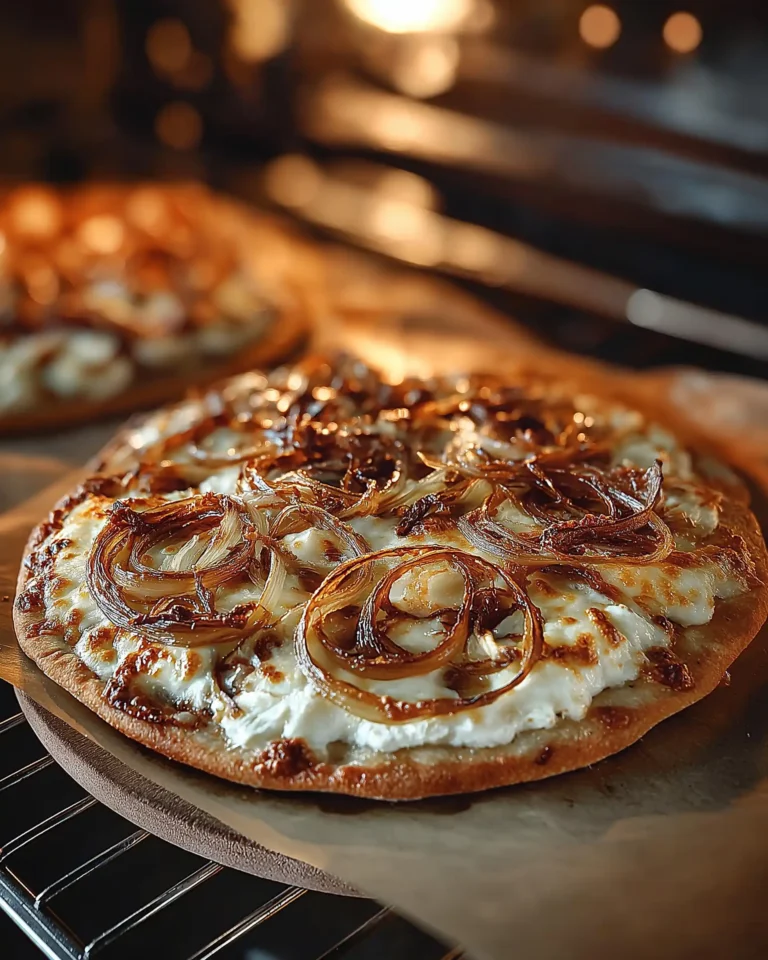
Pizza is one of those dishes that bridges simplicity and elegance. With the right ingredients, it becomes more than just a weeknight meal. This onion and goat cheese pizza recipe is a beautiful example of how you can take a few pantry staples and transform them into something refined, comforting, and vegetarian-friendly. Whether you’re looking for a quick dinner, a light lunch, or a sharable appetizer, this pizza delivers sweet, savory, and tangy flavors in every bite.
In this article, we’ll explore not just how to make this pizza, but also tips for choosing your ingredients, customizing it to fit dietary needs, mastering the perfect sautéed onions, and storing leftovers. Let’s start with the base—the crust and why it matters.
Choosing the Right Crust for Your Onion and Goat Cheese Pizza Recipe
Why Crust Matters in Flavor and Texture
The crust forms the foundation of any great pizza. For this onion and goat cheese pizza recipe, using a whole wheat flatbread gives you a slightly nutty flavor and a lighter, crisp texture. The choice of crust is crucial because it affects how well the toppings sit, how the pizza cooks, and ultimately, how the flavor and texture come together in each bite. Thin crusts allow the bold flavors of goat cheese and caramelized onion to shine through without overwhelming your palate with too much bread.
If you’re serving a crowd or simply want a sturdier bite, small pizza crusts work equally well. What you’re aiming for is a surface that crisps lightly under high heat and holds up to creamy cheese and tender onions without turning soggy.
Gluten-Free and Other Dietary Alternatives
For gluten-free eaters, it’s easy to swap in a certified gluten-free flatbread or pizza crust. Many brands offer thin, crisp crusts made with rice flour, almond flour, or cassava, giving you flexibility without compromising flavor. The goat cheese used in this recipe is already gluten-free and rich in calcium and protein, making it a great fit for many dietary preferences.
Other substitutions include cauliflower crusts, which offer a lower-carb option, or sprouted grain crusts for those wanting more fiber and nutrition. The goal is to choose a crust that supports the toppings, crisps nicely, and enhances the flavor profile instead of competing with it.
Print
Onion and Goat Cheese Pizza Recipe
- Total Time: 25 minutes
- Yield: 2 servings
- Diet: Vegetarian
Description
A light, flavorful vegetarian pizza made with creamy goat cheese, sautéed onions, and fresh herbs over a crispy flatbread crust.
Ingredients
1 10-inch whole wheat flatbread or pizza crust
1 medium white onion, thinly sliced into rings
Salt and pepper, to taste
1 tbsp olive oil or butter (for sautéing)
3 ounces goat cheese
1 splash milk or water (to thin goat cheese)
Fresh basil or arugula (for topping)
Instructions
1. Preheat oven to 400°F (204°C) and place a pizza stone or baking sheet inside.
2. Sauté onion in olive oil or butter over medium heat, stirring frequently. Add salt and pepper. Cover to retain moisture and cook until onions are soft and golden.
3. In a small bowl, whisk goat cheese with a splash of milk or water until spreadable.
4. Brush flatbread with olive oil and pre-bake for 5 minutes.
5. Spread the goat cheese mixture over the crust.
6. Top with sautéed onions.
7. Return pizza to oven and bake for 10 minutes or until edges are crisp and toppings are warm.
8. Remove from oven, slice, and serve with fresh basil or arugula.
Notes
Best enjoyed fresh out of the oven. Leftovers can be stored in an airtight container in the fridge for 2–3 days. Reheat using a skillet or oven to maintain crispness. Not freezer-friendly.
- Prep Time: 10 minutes
- Cook Time: 15 minutes
- Method: Baking
- Cuisine: Vegetarian
Mastering the Art of Sautéed Onions for This Pizza
The Sweet Spot: How to Properly Sauté Onions
One of the defining features of this onion and goat cheese pizza recipe is the sweet, deeply flavorful layer of sautéed onions. Done right, they add richness and natural sweetness that balances the creamy tang of goat cheese. To start, use a medium white onion, sliced into thin rings. White onions cook faster and have a milder bite than yellow or red onions, making them ideal for this recipe.
In a pan over medium heat, add a touch of olive oil or butter. Once the pan is warm, toss in the onion slices. Stir frequently to prevent sticking. As they cook, the onions will become translucent, then slowly start to brown. If they begin to dry out or brown too fast, reduce the heat and add a splash of water. This helps maintain moisture without oil overload.
Covering the pan occasionally can also trap steam, softening the onions gently. This process, known as sweating, lets them release their sugars gradually. Cook for around 10-15 minutes until the onions are golden, soft, and fragrant.
Seasoning Techniques for Balanced Flavor
While onions are cooking, season with a pinch of salt and black pepper. The salt helps draw out moisture and enhances the natural sweetness, while pepper adds a mild kick that cuts through the richness of the cheese. Avoid over-seasoning—remember, goat cheese brings a flavor punch all on its own.
You can also experiment by adding dried herbs like thyme or oregano, but for this recipe, keeping it minimal lets the core flavors shine. Once the onions are fully cooked, remove from heat and set aside. They’ll be warm, tender, and ready to bring a sweet-savory element to your crust.
Perfecting the Crust – Prepping and Baking Techniques
Why Pre-Baking the Crust Matters
A common mistake when making homemade flatbread pizzas is skipping the pre-bake step, which often results in a soggy base. In this onion and goat cheese pizza recipe, crisping the crust before adding toppings ensures a light, golden foundation that holds up under the creamy goat cheese and juicy onions.
Preheat your oven to 400°F (204°C). If you’re using a pizza stone, place it in the oven while it heats. The stone absorbs heat and redistributes it evenly, creating that irresistible crispy finish.
Before you pre-bake, lightly brush the flatbread with olive oil. This not only prevents it from drying out but also helps develop a subtle golden color. Place the crust directly on the pizza stone or a baking sheet and bake for about 5 minutes, just until it begins to firm up and the edges start to brown. This short step is key for structure and flavor.
Getting That Golden Edge Every Time
For extra crispiness, use a perforated pizza pan or a baking rack placed over a baking sheet to allow airflow beneath the crust. This helps heat circulate and prevents the underside from becoming soft.
Be mindful not to over-bake at this stage—5 minutes is usually plenty. You want the crust partially cooked, just enough so that when you add toppings and finish baking, everything comes together in a perfect, cohesive bite with no soggy middle.
Once removed from the oven, the crust is ready to be topped with your whipped goat cheese and beautifully sautéed onions.
Preparing the Goat Cheese and Layering the Pizza
Making Goat Cheese Spreadable and Creamy
Goat cheese is the star of this pizza, offering a creamy, tangy contrast to the sweet onions and crispy crust. However, since it’s naturally thick and crumbly, it needs a bit of prep before it’s ready to spread.
Spoon 3 ounces of goat cheese into a small bowl. Add a splash of milk or water to thin it slightly, then whisk until smooth. This creates a spreadable consistency that glides easily over the crisp crust. You want it creamy but not runny, just enough to coat the surface evenly without pooling.
If you prefer a slightly tangier taste, opt for a more aged goat cheese. For a milder flavor, choose a fresher, softer variety. Either way, thinning it out makes it much easier to handle and helps distribute the flavor throughout every bite.
Layering for Flavor and Texture
Once the crust is pre-baked and the goat cheese is ready, it’s time to assemble. Start by spreading the goat cheese mixture evenly over the crust. Leave a small border at the edges to prevent bubbling over during baking.
Next, add the sautéed onions, layering them generously or lightly depending on preference. Their tender, caramelized texture pairs beautifully with the creamy cheese, making every slice flavorful and satisfying. Spread the onions out evenly to avoid piling them too high in one spot.
This minimalist approach allows each component—cheese, onions, crust—to shine individually while complementing each other. With just two primary toppings, the quality and balance of each element become especially important.
Final Bake and Topping Ideas for Extra Flavor
Baking to Perfection
With the goat cheese and onions layered neatly on the pre-baked crust, it’s time for the final step—bringing everything together with a quick bake. Return the assembled pizza to your 400°F (204°C) oven and bake for 10 minutes, or until the edges are crisp and the cheese is warmed through.
The goal during this step is not to melt the goat cheese completely, but to soften it slightly and allow it to blend with the natural sugars released by the onions. Keep an eye on the crust during baking—it should turn golden brown, and the onions may start to caramelize a bit more. If you’re using a thinner crust like flatbread, avoid overbaking to prevent brittleness.
Fresh Finishing Toppings to Elevate Flavor
Right after the pizza comes out of the oven, it’s time to dress it up with fresh toppings. These finishing touches add layers of flavor and a pop of color to your onion and goat cheese pizza recipe.
Two of the best topping options are:
- Fresh basil: Tear a few leaves and sprinkle them over the pizza while it’s still warm. The residual heat will slightly wilt the basil, releasing its aroma and blending beautifully with the cheese.
- Arugula: If you prefer something peppery and bold, a handful of fresh arugula gives this pizza a vibrant bite and balances the rich toppings.
While optional, a drizzle of balsamic reduction can also add depth, bringing a touch of tangy sweetness that echoes the flavor of the onions. However, the base pizza is already flavorful enough to stand on its own without it.
Serving, Storing, and Reheating Your Onion and Goat Cheese Pizza
Best Ways to Slice and Serve
After baking and adding fresh toppings, let the pizza rest for 2–3 minutes to help the goat cheese settle and make slicing easier. Use a sharp pizza cutter or chef’s knife to divide the pizza into four to six slices, depending on your crust size and serving preference. Each slice will have a beautiful balance of crispy crust, creamy cheese, and caramelized onion in every bite.
This onion and goat cheese pizza recipe works wonderfully as a main course for two or an appetizer for four. It pairs well with a crisp side salad, fresh fruit, or even a chilled lemonade on warm days.
How to Store and Reheat Without Losing Texture
Although this pizza is best enjoyed fresh, you can store leftovers in an airtight container in the refrigerator for 2–3 days. To prevent sogginess, avoid stacking slices directly on top of each other. If needed, separate layers with parchment paper.
When reheating, skip the microwave if possible. Instead, use a skillet or oven:
- Skillet Method: Heat a non-stick skillet over medium heat. Add the slice, cover with a lid, and heat for 3–4 minutes until the crust is crisp and the cheese is warm.
- Oven Method: Preheat to 375°F, place slices on a baking sheet, and heat for 6–8 minutes. This method keeps the texture close to the original without overcooking the toppings.
Avoid freezing this pizza, as the goat cheese and onions don’t retain their ideal texture after thawing.
Conclusion
This onion and goat cheese pizza recipe proves that simple ingredients can create powerful flavor. The sweet, golden onions contrast perfectly with the creamy tang of goat cheese, all atop a crisp, golden flatbread. It’s light enough for lunch, elegant enough for guests, and flexible enough to adapt to different dietary needs.
Whether you’re an experienced home cook or a beginner looking for something new, this pizza is an excellent addition to your go-to recipes. It’s vegetarian, quick to prepare, and packed with flavor from start to finish. Save this for your next meatless Monday, weeknight dinner, or casual get-together.