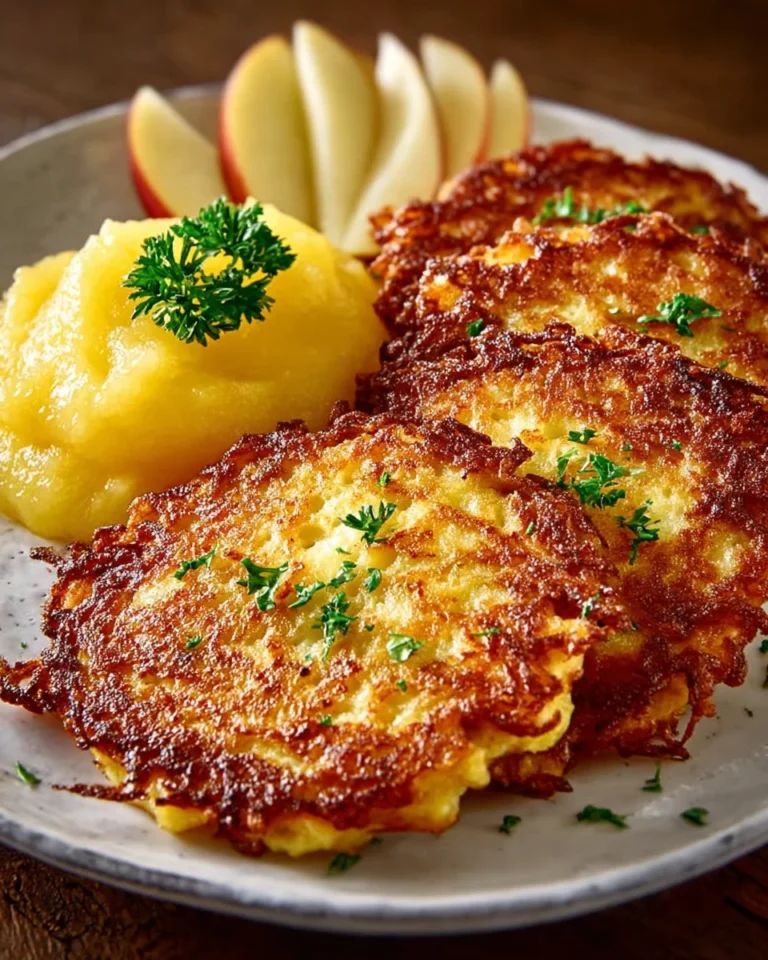
Kartoffelpuffer, also known as German potato pancakes, are a classic and beloved dish that has stood the test of time in German cuisine. These crispy, golden-brown delights are made from raw grated potatoes, onions, eggs, and just enough flour to bind them together. Whether served sweet with applesauce or savory with herbed yogurt, Kartoffelpuffer are a comforting staple often found in both home kitchens and festive markets.
In this article, we’re diving deep into the world of Kartoffelpuffer. You’ll learn not only how to make them perfectly crispy every time, but also the traditional roots behind this iconic dish, how to choose the right ingredients, creative variations to suit your taste, serving suggestions, and tips to ensure foolproof results. Whether you’re new to German cooking or a seasoned home chef, this guide is crafted to help you master authentic Kartoffelpuffer at home.
The Origins and Tradition of Kartoffelpuffer
A Timeless German Classic
Kartoffelpuffer has deep roots in German culinary history. This dish, which translates simply to “potato pancakes,” is believed to have originated in the rural regions of Germany where potatoes were a staple crop. Resourceful home cooks discovered that grated raw potatoes could be combined with simple pantry ingredients to create hearty and satisfying meals.
Historically, Kartoffelpuffer were especially popular during colder months. Their warm, crispy texture made them a comforting dish, often served fresh from the skillet to provide quick nourishment. Over time, these pancakes became more than just peasant food, finding their way into festivals, Christmas markets, and family celebrations.
Regional Variations and Cultural Significance
While Kartoffelpuffer is the common name in most parts of Germany, in certain regions such as Bavaria or the Rhineland, they may be known as Reibekuchen or Erdäpfelpuffer. No matter the name, the preparation is largely the same, emphasizing the rustic simplicity of the ingredients.
In traditional German households, Kartoffelpuffer are often made in large batches, especially during festive seasons. Families may gather around the stove, flipping batch after batch of sizzling pancakes and enjoying them straight from the pan. The dish holds sentimental value for many, often evoking memories of home, warmth, and tradition.
Whether enjoyed as a quick snack, a side dish, or part of a full meal, Kartoffelpuffer remains a symbol of German comfort food at its best. In the next section, we’ll talk about the key ingredients that give this dish its signature taste and texture.
Print
Kartoffelpuffer (German Potato Pancakes)
- Total Time: 25 minutes
- Yield: 8 Kartoffelpuffer
- Diet: Vegetarian
Description
Crispy, golden German potato pancakes made from raw grated potatoes and onion, perfect with applesauce or herbed yogurt.
Ingredients
2 1/2 pounds starchy potatoes, peeled and very finely grated
1 small yellow onion, very finely grated
2 large eggs
1/4 cup all-purpose flour (or more if needed)
1 teaspoon sea salt
Neutral-tasting oil for frying
Instructions
1. Wring out the liquid from grated potatoes using a colander or clean dish towel until very dry.
2. In a mixing bowl, combine grated potatoes, onion, eggs, flour, and salt. Mix until tacky. Add more flour if needed.
3. Heat oil in a non-stick pan over medium-high heat.
4. Scoop 1/3 to 1/2 cup of mixture into the hot pan and flatten with a spoon.
5. Fry each side for 3–5 minutes until golden and crispy.
6. Remove and place briefly on paper towels to drain excess oil.
7. Serve hot with applesauce, fruit compote, or savory toppings like herbed yogurt or quark.
Notes
Serve immediately for best texture.
Do not let the batter sit too long or it will release too much moisture.
For a savory twist, top with herbed yogurt, crème fraîche, or quark.
Can be made vegetarian and gluten-free by modifying flour or eggs.
- Prep Time: 15 minutes
- Cook Time: 10 minutes
- Category: Breakfast
- Method: Frying
- Cuisine: German
Key Ingredients for Perfect Kartoffelpuffer
Choosing the Right Potatoes
The foundation of a great Kartoffelpuffer lies in the choice of potatoes. For the crispiest and most flavorful results, starchy potatoes are essential. These types, such as Russets, contain less moisture and more starch, which helps them fry up golden and crunchy. Avoid waxy potatoes like red or new potatoes, as they tend to hold too much moisture and result in soggy pancakes.
When grating the potatoes, aim for a very fine consistency. This allows the batter to stick together better and creates a uniform crispiness. Once grated, it’s vital to wring out as much liquid as possible. This step ensures the mixture fries up properly without steaming in the pan.
Onion, Flour, and Eggs: The Supporting Players
A small yellow onion, finely grated, adds a subtle sharpness that balances the natural sweetness of the potatoes. Onion also enhances the aroma, giving the Kartoffelpuffer a more savory depth.
Flour acts as a binder in the mixture. You’ll want to start with about 1/4 cup of all-purpose flour, but depending on how much moisture remains in your grated potatoes, you might need a little more to achieve the desired tacky texture. The batter should hold together when pressed but not be overly stiff.
Eggs provide structure and richness. Two large eggs are ideal for the quantity of potatoes used. Combined with flour, they ensure the pancakes hold their shape during frying and maintain a tender interior.
Finally, sea salt seasons the mixture. Just a teaspoon is enough to bring out the earthy flavors of the potatoes and the sharpness of the onion.
The Right Oil for Frying
To achieve that characteristic golden crunch, it’s important to use a neutral-tasting oil with a high smoke point. Options like sunflower, canola, or avocado oil are excellent. Heat a few tablespoons in a non-stick or cast iron pan over medium-high heat until shimmering. This helps the Kartoffelpuffer brown evenly and develop a satisfying crispiness without absorbing too much grease.
Once your batter is ready and the oil is hot, scoop out about 1/3 to 1/2 cup of the mixture, flatten it gently in the pan, and cook for 3 to 5 minutes on each side until deep golden brown. Place the cooked pancakes on a paper towel to drain any excess oil before serving.
Serving Suggestions – Sweet and Savory Styles of Kartoffelpuffer
Classic Sweet Toppings
One of the most traditional ways to enjoy Kartoffelpuffer in Germany is with sweet accompaniments. While this might seem unusual to some, the combination of savory fried potatoes with sweet toppings creates a delightful contrast that has made this dish a favorite across all age groups.
The most common and beloved topping is applesauce. The natural tartness and slight sweetness of the sauce balance the earthy richness of the potato pancakes. Homemade applesauce with a touch of cinnamon brings out even more comforting flavors.
Another popular option is fruit compote, such as plum or cherry. These cooked fruit mixtures add a jam-like consistency and bold flavor, complementing the crispy edges of the Kartoffelpuffer perfectly. For those who like a simple finish, powdered sugar lightly dusted on top provides a subtle sweetness and a beautiful presentation.
Savory Serving Variations
For a heartier or more meal-oriented presentation, Kartoffelpuffer can be served with savory toppings. One of the most traditional ways is to pair them with herbed yogurt, which provides a cool and tangy contrast to the warm and crispy pancakes. Mix Greek-style yogurt with chopped chives, dill, and a squeeze of lemon for a refreshing touch.
Another authentic serving method includes quark or crème fraîche. These creamy, mildly tangy dairy toppings are common in German cuisine and bring a rich, smooth element to the dish. Add chopped herbs or a pinch of sea salt for extra flavor.
Kartoffelpuffer can also be served as a side dish to a main course, often replacing bread or dumplings. In this case, they hold up well next to roasted vegetables or meat-free gravies, making them suitable for vegetarian meals too.
No matter how you choose to serve them, the key is to enjoy Kartoffelpuffer immediately after cooking, while they’re still hot and crisp. Reheating tends to diminish their crispiness, so plan to serve right from the skillet whenever possible.
Variations of Kartoffelpuffer – Creative Twists on a German Classic
Vegetable-Enhanced Kartoffelpuffer
While traditional Kartoffelpuffer stick to potatoes and onions, there’s plenty of room to get creative without straying too far from authenticity. One popular variation involves adding grated vegetables like carrots, zucchini, or parsnips to the mix. These additions bring subtle flavor shifts and boost the nutritional value.
Carrots add natural sweetness and color, while zucchini adds moisture and a slightly earthy flavor. When adding moist vegetables like zucchini, it’s important to squeeze out any excess liquid just like you would with the potatoes. This helps maintain the crispy texture during frying.
You can also try mixing in sweet potatoes with regular potatoes for a richer, more complex taste. Sweet potatoes lend a beautiful orange hue and a hint of sweetness that pairs especially well with savory toppings like herbed yogurt or crème fraîche.
Gluten-Free and Egg-Free Options
For those with dietary restrictions, Kartoffelpuffer can be adjusted easily. To make a gluten-free version, simply substitute the all-purpose flour with a gluten-free flour blend or potato starch. These alternatives bind the batter well while keeping the pancakes crispy.
If you’re avoiding eggs, you can replace each egg with a flaxseed meal substitute (1 tablespoon flaxseed meal + 3 tablespoons water per egg, left to sit for 5 minutes). While the result may be slightly softer, the flavor and crisp exterior remain satisfying.
These versions can be served in the same way as the original-either sweet or savory. They’re especially useful for gatherings or meals where different dietary needs must be met, allowing everyone to enjoy the same delicious dish with just minor changes.
Mini Kartoffelpuffer and Bites
Want to make Kartoffelpuffer more fun or kid-friendly? Try shaping the batter into small bite-sized rounds. These mini Kartoffelpuffer are perfect for appetizers or snack platters and are easy for little hands to manage. Serve with dipping sauces like sour cream, applesauce, or even a simple herb dip.
This variation is also great for parties, as the smaller size allows for quicker cooking and a more playful presentation. You can even serve them on toothpicks with a drizzle of creamy sauce for an elegant appetizer.
Cooking Tips and Techniques for Crispy, Golden Kartoffelpuffer
Wringing Out the Moisture – The Crucial Step
One of the most critical steps in achieving crispy Kartoffelpuffer is removing as much liquid as possible from the grated potatoes. Grated raw potatoes release a large amount of moisture, and if left unchecked, this water content will cause the pancakes to steam instead of fry.
After grating, place the potatoes into a clean dish towel or cheesecloth and wring them thoroughly over the sink or a large bowl. If using a colander, press firmly with your hands until most of the liquid has drained. The drier the mixture, the better the results. This step alone can be the difference between soggy and perfectly crisp pancakes.
Don’t Let the Batter Sit
Once you’ve grated the potatoes and wrung out the excess moisture, it’s time to move quickly. Mix the potatoes with grated onion, eggs, flour, and salt, and begin frying immediately. Allowing the mixture to sit causes the potatoes to oxidize and turn gray, and they’ll also release more liquid, making the batter watery and inconsistent.
Make small batches of the batter if needed, especially when cooking for a large group. This helps ensure that each pancake has the same great texture and color.
Perfect Pan and Temperature
A non-stick skillet or well-seasoned cast iron pan is your best friend when making Kartoffelpuffer. These pans maintain consistent heat and prevent sticking without the need for excessive oil.
Heat a thin layer of neutral oil over medium-high heat until shimmering. You want it hot enough that a small spoonful of batter sizzles immediately when placed in the pan, but not so hot that it burns before cooking through.
Use about 1/3 to 1/2 cup of the mixture per pancake, flatten it gently with the back of a spoon, and cook for 3 to 5 minutes per side. Flip only once, after a solid golden crust has formed on the first side. Too much flipping can break apart the structure and reduce crispness.
Drain and Serve Immediately
Once each Kartoffelpuffer is golden brown, remove it from the pan and place it on paper towels to absorb excess oil. Avoid stacking them, as this can cause them to steam and lose crispness. Serve immediately for the best texture and flavor.
If you must keep them warm while frying more, place them in a single layer on a baking sheet in a 200°F oven. This keeps them hot without overcooking or softening.
Conclusion: Bringing Tradition to Your Table with Homemade Kartoffelpuffer
Kartoffelpuffer, the humble yet beloved German potato pancake, offers the perfect blend of crispy texture, earthy flavor, and cultural charm. With just a few simple ingredients—potatoes, onion, eggs, flour, and salt—you can create a dish that has comfort, tradition, and versatility all rolled into one.
Whether you serve them sweet with applesauce or fruit compote, or go savory with herbed yogurt or quark, Kartoffelpuffer easily adapts to every palate. Their appeal lies not only in their flavor but in their flexibility, simplicity, and the nostalgia they bring to the table.
By choosing the right ingredients, paying attention to technique, and adding your personal touch with creative variations, you’ll master this timeless dish in your own kitchen. Kartoffelpuffer are more than just food—they’re a celebration of heritage, flavor, and the joy of cooking something that connects generations.