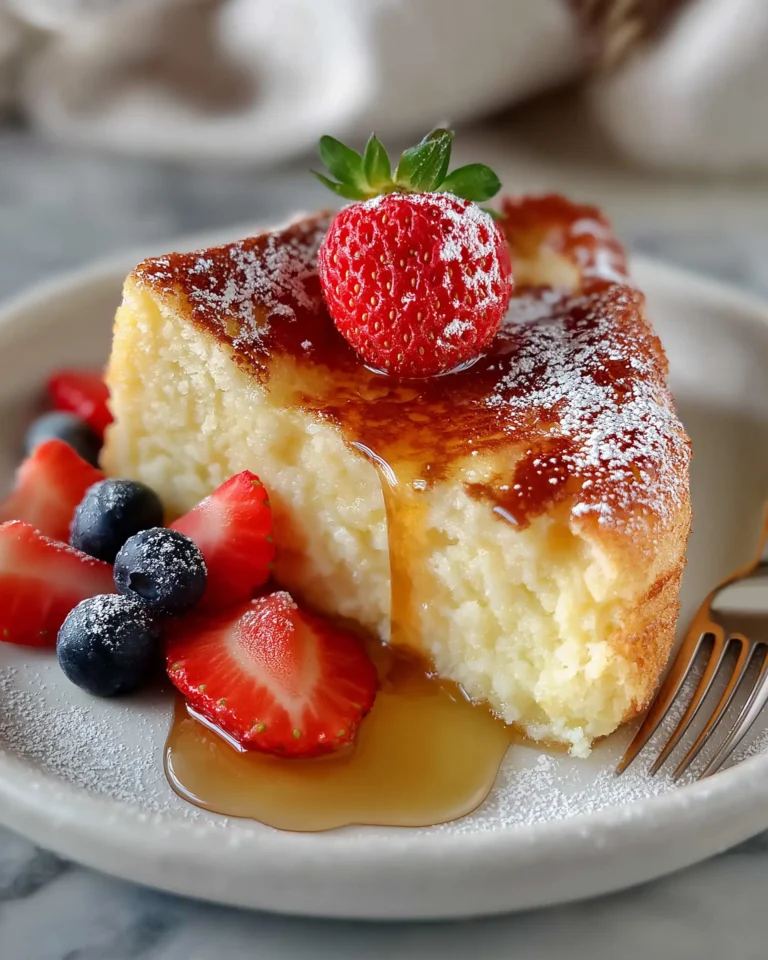
German pancakes, also known as Dutch babies, are a beloved breakfast dish known for their dramatic puff, rich eggy flavor, and buttery, golden edges. Unlike traditional pancakes, these are baked in the oven and rise beautifully thanks to the steam created in a hot pan. Whether you’re preparing a cozy family breakfast or need a quick, impressive brunch dish, this German pancakes recipe delivers in both taste and ease.
In this article, we’ll guide you through the ultimate way to make fluffy, golden German pancakes, including all the tips you need to get the texture and flavor just right. We’ll also touch on helpful variations, essential techniques, common mistakes to avoid, and nutrition information so you can make it exactly the way you love.
Understanding the Core Ingredients for German Pancakes
Eggs: The Structure and Puff Power
The backbone of any German pancake is the eggs. Using six large eggs isn’t just a number, it’s the reason your pancake puffs beautifully. Eggs act as the binding agent and provide the structure that allows the batter to rise without baking powder or baking soda. The high protein content helps form the signature golden, slightly crisp edges while keeping the center soft and custardy.
Milk: Smoothness and Creaminess
Adding 1 cup of milk ensures the batter remains fluid enough to create steam during baking, which is key for that magical puff. Whole milk is ideal for richness, but you can use 2% or even non-dairy alternatives if needed. Just make sure it’s not too watery, or the pancake may not rise properly.
All-Purpose Flour: The Foundation
Flour brings the batter together. The 1 cup of all-purpose flour works to give structure to the pancake. When blended well with the liquid ingredients, it forms a silky-smooth batter that bakes into a light and fluffy base. If you want to make your recipe gluten-free, flours like Cup4Cup or King Arthur Measure for Measure provide excellent results with minimal texture difference.
Butter: The Golden Base
Using 5 tablespoons of butter not only keeps the pancake from sticking but adds a deep, nutty richness when it browns in the oven. Always use unsalted butter to control the salt content, and melt it directly in the hot baking pan to preheat the dish and create the perfect environment for the batter to react.
Vanilla and Salt: Flavor Enhancers
A teaspoon of vanilla extract and a dash of salt bring depth and a sweet aroma to your German pancake. These two simple ingredients round out the flavor profile and ensure the pancake isn’t bland. Even a small amount of salt balances the sweetness and enhances the overall taste.
Equipment Tips: Why Metal is Best
A 9×13 metal baking dish is crucial. Avoid using glass, as it doesn’t conduct heat as quickly. Metal helps you get those golden-brown edges and a consistent rise. Also, blending the batter in a high-powered blender ensures a lump-free, airy mix, essential for achieving the pancake’s light texture.
Print
German Pancakes Recipe
- Total Time: 30 minutes
- Yield: 5 servings
- Diet: Vegetarian
Description
This easy German pancakes recipe is a delicious, oven-baked breakfast classic made with simple ingredients like eggs, milk, and flour. It’s fluffy, golden, and perfect with a sprinkle of powdered sugar and syrup.
Ingredients
6 large eggs
1 cup milk (240 ml)
1 cup all-purpose flour (120 g)
dash of salt
1 teaspoon vanilla extract (5 ml)
5 tablespoons butter (70 g)
Instructions
1. Preheat oven to 425°F.
2. Place butter in ungreased 9×13 metal baking dish and melt it in the preheating oven.
3. In a blender, combine eggs, milk, flour, salt, and vanilla. Blend until smooth.
4. Pour the batter into the dish over melted butter.
5. Bake for 22–27 minutes, or until the edges are puffed and golden brown.
6. Serve immediately with powdered sugar and syrup.
Notes
For gluten-free adaptation, use Cup4Cup or King Arthur Measure for Measure gluten-free flour.
Avoid opening the oven door during baking to ensure maximum puff.
Use room-temperature ingredients for better lift and texture.
- Prep Time: 5 minutes
- Cook Time: 25 minutes
- Method: Baking
- Cuisine: American
Step-by-Step Method for the Perfect German Pancakes Recipe
Preheat and Prepare with Precision
Start by preheating your oven to 425°F. This step is more important than it might seem. A hot oven is essential to getting the pancake to puff up quickly and evenly. As the oven heats, place the 5 tablespoons of butter into the ungreased 9×13 metal baking dish and set it in the oven. Keep a close eye on it, and remove the dish as soon as the butter has melted fully. This step gives the bottom of your pancake a lightly crispy, browned flavor and helps prevent sticking.
Blending the Batter for Maximum Puff
While your oven preheats and the butter melts, it’s time to make the batter. Place the following into a blender:
- 6 large eggs
- 1 cup of milk
- 1 cup of all-purpose flour
- A dash of salt
- 1 teaspoon of vanilla extract
Cover and blend until smooth. Blending helps to incorporate air into the batter, which contributes to that signature puff. You want the consistency to be silky, with no flour lumps. If you don’t have a blender, whisking by hand works too, but be prepared to mix thoroughly until the batter is completely smooth.
Pour and Bake to Puffy Perfection
Once the butter is melted and slightly sizzling in your dish, carefully remove it from the oven. Pour your prepared batter evenly over the melted butter. Return the dish to the oven and bake for 22 to 27 minutes, or until the edges are puffed and golden brown. Avoid opening the oven during this time, as sudden changes in temperature can cause the pancake to collapse.
The transformation is magical — within minutes, you’ll see the batter climb up the sides of the pan, forming light, puffy walls with a custard-like center. The visual payoff is half the fun of baking German pancakes.
Serving It Right: Simple Toppings Shine
Once baked, slice and serve your German pancake immediately while it’s still warm and puffed. Traditional toppings include a generous sprinkle of powdered sugar and a drizzle of syrup, which complements the lightly sweet vanilla flavor in the pancake. You can also add sliced fruit like strawberries or bananas for a natural burst of sweetness, but the base is flavorful enough to enjoy on its own.
Because the pancake will start to deflate a few minutes after coming out of the oven, serve it straight away for the best presentation and texture.
Variations and Customizations of the German Pancakes Recipe
Make It Gluten-Free Without Losing Texture
A popular request in modern kitchens is a gluten-free option, and thankfully, this German pancakes recipe adapts wonderfully. Replace the all-purpose flour with a high-quality gluten-free flour blend. Two excellent choices are:
- Cup4Cup Gluten-Free Flour
- King Arthur Measure for Measure Flour
These blends are designed to match the performance of regular flour. They won’t interfere with the pancake’s rise, and the texture remains soft yet slightly crisp at the edges. Always blend the batter well to prevent any grainy texture and to ensure the puffiness stays intact.
Add Fruits for Natural Sweetness
If you want to elevate the flavor without overpowering the original recipe, fresh fruits are the perfect addition. Here are a few ideas:
- Sliced apples or pears can be placed in the pan before pouring the batter, adding a sweet, caramelized layer at the base.
- Berries like blueberries or raspberries can be sprinkled over the batter right before baking for bursts of juicy flavor in every bite.
- Banana slices added post-bake pair beautifully with powdered sugar and syrup.
Fruits enhance the experience while keeping the pancake wholesome and simple.
Dairy-Free Adaptation
If you’re avoiding dairy, replace the milk with alternatives like almond milk, oat milk, or soy milk. Choose an unsweetened, unflavored version to keep the batter’s original taste. You can also substitute the butter with plant-based margarine or refined coconut oil. Be aware that the flavor and browning might differ slightly, but the structure will still hold if your batter is blended well.
Sweet vs. Savory Toppings
Although traditionally sweet, German pancakes can be served with savory toppings too. Just skip the vanilla extract and powdered sugar, then top with:
- A sprinkle of cheese (if not dairy-free)
- Light sautéed vegetables like spinach or mushrooms
- A soft-cooked egg on top
This savory route is ideal for those who prefer a less sweet breakfast or brunch.
Mini German Pancakes or Muffin Tin Style
Want to serve them as individual portions? Pour the batter into a muffin tin (metal, not silicone or glass) preheated with butter. Bake for about 15 to 18 minutes. These mini versions are fun, especially for kids or parties, and offer the same great puff and taste in a smaller, hand-held size.
Common Mistakes to Avoid with German Pancakes Recipe
Using the Wrong Baking Dish
One of the biggest reasons a German pancake recipe might not puff is using the wrong pan. Glass or ceramic dishes don’t get hot fast enough, which can lead to flat, soggy pancakes. Always go for a metal 9×13 baking dish, which heats up quickly and evenly, creating the necessary steam to lift the batter high.
Also, never grease the pan beforehand — the butter added directly to the hot dish is enough to keep it from sticking and provides a delicious, browned base.
Not Preheating the Oven Properly
The oven temperature is critical. If it’s not fully preheated to 425°F, the pancake won’t rise properly. The dramatic puff happens because the hot pan and high temperature cause steam to form rapidly. Always give your oven enough time and avoid putting the dish in too soon.
Likewise, don’t open the oven door during baking. Even a brief drop in temperature can deflate your pancake and ruin the texture.
Under-blending or Over-mixing the Batter
When blending the batter, aim for smooth and lump-free — but don’t overdo it. Over-mixing can make the pancake dense instead of airy. A good blender typically gets the job done in 15–30 seconds. If you’re mixing by hand, whisk vigorously until you can no longer see streaks of flour.
The goal is a batter that’s light, airy, and smooth, not overworked and heavy.
Using Cold Ingredients
Cold eggs or milk can reduce the puffing power of your batter. If possible, let your ingredients sit at room temperature for a few minutes before blending. Warmer ingredients help create more steam, which gives the pancake its rise.
If you’re in a hurry, you can run eggs under warm water and microwave the milk for 10–15 seconds — just enough to take the chill off.
Letting the Batter Sit Too Long
Once your batter is blended, it’s best to pour it into the hot pan immediately. Letting it sit allows the air bubbles to escape, which can reduce the lift during baking. Prepare everything ahead of time so you can move quickly once the oven and butter are ready.
Skipping the Butter Step
Don’t be tempted to skip the step of melting the butter in the hot pan. Not only does it keep the pancake from sticking, but it also creates a flavorful, slightly crisp layer at the bottom. This step adds a rich, nutty flavor and enhances the overall texture.
Storing, Reheating, and Making Ahead Tips for German Pancakes Recipe
How to Store Leftover German Pancakes Properly
If you find yourself with leftovers — though they tend to disappear fast — this German pancakes recipe stores well with a little care. Allow the pancake to cool completely, then place it in an airtight container or wrap it tightly in foil or plastic wrap. Store in the refrigerator for up to 3 days.
While the pancake will deflate after cooling, the flavor remains intact, and it reheats beautifully with the right method.
Reheating Without Ruining the Texture
For the best results, reheat slices of the pancake in the oven or toaster oven at 350°F for about 5 to 8 minutes. This helps revive some of the light crispiness along the edges and warms the inside evenly.
Avoid using the microwave unless you’re in a rush. Microwaving tends to make the pancake rubbery and can cause uneven heating. If you do use it, keep the heat low and cover the pancake with a damp paper towel to maintain moisture.
Can You Make German Pancake Batter Ahead of Time?
Technically, yes — but it’s not ideal. This recipe relies on a freshly aerated batter for that signature puff. Making the batter ahead and letting it sit can reduce the volume and rise during baking. If you absolutely need to prep early, you can mix the ingredients, refrigerate them, and then blend quickly again just before baking.
A better option might be to prep the dry ingredients (flour and salt) and wet ingredients (milk, eggs, vanilla) separately, then blend them together right before baking for the freshest results.
Freezing for Later Use
Freezing German pancakes is possible, though not as common. Slice the cooled pancake into serving-size pieces, wrap them individually in foil, and place them in a freezer-safe bag. Store up to 2 months.
To reheat from frozen, place slices in the oven at 375°F for about 10 minutes, until heated through and slightly crisp at the edges. The texture won’t be quite the same as fresh, but it’s a convenient way to enjoy leftovers.
Make-Ahead Tip for Busy Mornings
If mornings are hectic, measure and set aside all your ingredients the night before. Crack the eggs into a bowl, measure the milk, and store them in the fridge. In the morning, just combine everything in the blender, pour into your hot buttered pan, and bake. You’ll have a fresh, hot German pancake ready in about 30 minutes, with only 5 minutes of active work.
Health Insights for German Pancakes Recipe
Calorie Breakdown and Macronutrients
Understanding the nutritional value of this German pancakes recipe helps you enjoy it mindfully. A single serving provides roughly 300 calories, making it a balanced breakfast or brunch choice, especially when paired with fresh fruit or a protein-rich side.
Low-Sugar Yet Flavorful
With only 2 grams of sugar per serving, this pancake is naturally mild in sweetness, which is ideal if you’re watching your sugar intake. You can easily keep it healthy by avoiding sugary toppings and instead choosing fresh fruits or a touch of real maple syrup.
High in Protein and Satisfying
Each slice offers about 10 grams of protein, which contributes to satiety and sustained energy through the morning. That’s a benefit not typically found in traditional pancakes, which often lean heavily on flour and sugar with minimal egg content.
Vitamins and Minerals
Eggs contribute Vitamin A and iron, while the milk provides calcium. These nutrients support bone health, energy production, and immune function. The moderate sodium level makes it a suitable choice for most diets, especially if you’re avoiding processed ingredients.
How to Make It Lighter
If you’re looking to reduce calories or saturated fat, try these small changes:
- Use low-fat milk instead of whole milk
- Replace some butter with light margarine
- Skip powdered sugar and use sliced strawberries or unsweetened yogurt
These swaps can bring the calorie count down by 20–30% per serving while still preserving the core texture and taste.
Conclusion: Mastering the German Pancakes Recipe with Confidence
German pancakes are a celebration of simplicity, texture, and timeless flavor. With just a few pantry staples and a hot oven, you can whip up a breakfast that feels both comforting and impressive. This recipe doesn’t rely on added sugars or complex steps — it’s about technique, timing, and quality ingredients.
By following the tips shared in this guide, from using a metal baking dish to blending the batter properly, you’re set up for consistent, fluffy success. Whether you stick with the classic version or explore gluten-free or fruit-filled variations, this dish adapts easily to your preferences.
Best of all, the process is quick and satisfying, making it a go-to recipe not just for lazy weekends but for any morning that needs a warm, golden touch. With each puff and bite, this pancake proves that a simple recipe can be surprisingly magical.