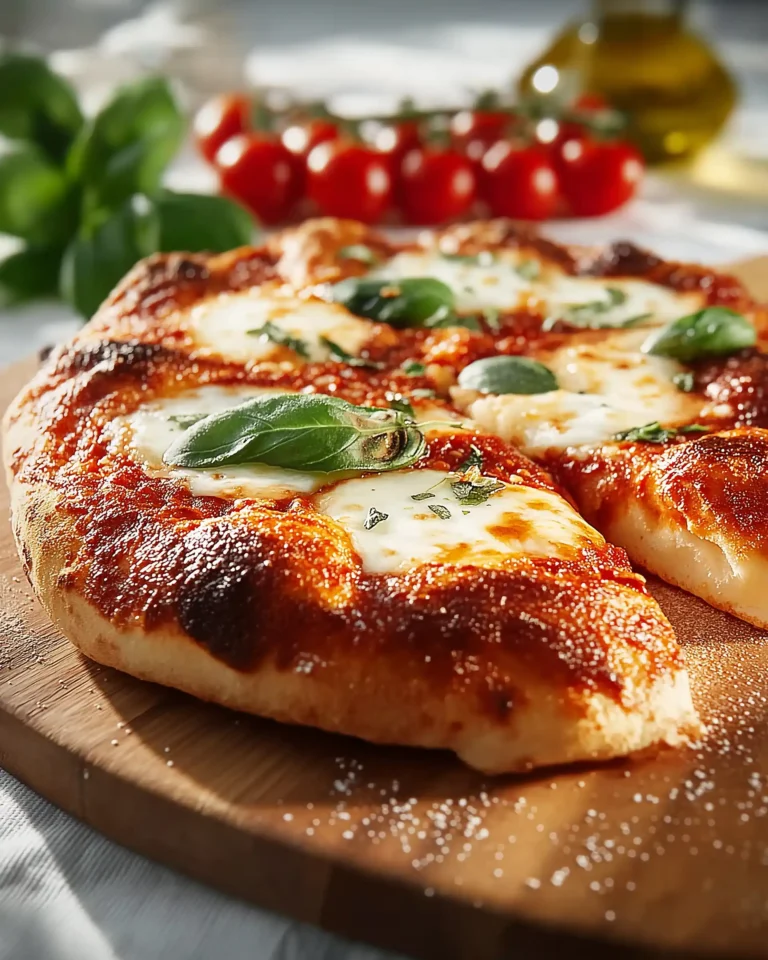
Neapolitan pizza, or Pizza Napolitana, is more than just a meal. It’s a cultural icon rooted in centuries of tradition from Naples, Italy. With its thin, chewy crust, blistered edges, simple yet flavorful toppings, and strict preparation guidelines, this pizza has earned worldwide acclaim. Whether you’re a seasoned cook or a home kitchen beginner, learning how to make authentic Pizza Napolitana brings the rustic charm of southern Italy to your table.
In this article, we’ll walk you through the essential elements that make a true Pizza Napolitana, focusing on authenticity and simplicity. You’ll discover how to prepare the dough using time-honored techniques, craft the signature sauce, and master the baking process to create that perfectly leopard-spotted crust. We’ll also cover ingredient tips, preparation timing, and nutritional insights to help you enjoy this classic in the healthiest way possible.
The Dough – The Soul of Pizza Napolitana
The Importance of High-Quality Flour and Hydration
To make authentic Neapolitan pizza, the dough must follow a specific formula. The classic method uses just four ingredients: flour, water, salt, and yeast. The choice of flour is critical. Type 00 flour, which is finely ground with a low protein content, allows for a soft yet elastic texture essential for the traditional thin base and airy crust.
A hydration level around 60–65% is ideal. This means for every 100 grams of flour, use 60–65 grams of water. This level keeps the dough pliable and creates those beautiful air pockets in the crust when baked at high temperatures.
Mixing and Kneading the Dough by Hand
Start by dissolving salt into the water. Then, add a small amount of fresh yeast or dry yeast and begin incorporating the flour gradually. Knead the mixture by hand until it forms a smooth, stretchy ball. The kneading process should last about 15 to 20 minutes to build gluten strength.
Avoid using mixers or shortcuts. Traditional hand-kneading gives the dough a distinctive texture and flavor development.
First Rise and Dough Ball Fermentation
Once kneaded, allow the dough to rest for 2 hours covered at room temperature. After that, divide it into individual balls (typically 250 grams each for 10–12 inch pizzas). Place them in lightly oiled containers or trays, cover them, and allow for a slow fermentation of 18–24 hours at room temperature, ideally around 20–22°C (68–72°F).
This long fermentation helps develop flavor and digestibility, making the crust light and airy without being chewy or dense.
Texture and Elasticity Check Before Shaping
Once fermented, the dough should be slightly puffed and elastic. When you press it, the dough should slowly spring back. That’s when you know it’s ready to shape. Never use a rolling pin for Neapolitan pizza. Stretch the dough gently using your hands to maintain the air structure, especially around the edges. This technique ensures that classic puffy cornicione (the crust’s rim) after baking.
Print
Authentic Pizza Napolitana Recipe
- Total Time: 24 hours (including fermentation)
- Yield: 4 10-inch pizzas
- Diet: Vegetarian
Description
A traditional and simple Neapolitan pizza recipe that brings the authentic flavors of Naples to your home with just a few high-quality ingredients.
Ingredients
For the Dough:
– 500g Tipo 00 flour
– 325ml water (about 65% hydration)
– 10g fine sea salt
– 2g fresh yeast (or 0.5g active dry yeast)
For the Sauce:
– 400g San Marzano canned tomatoes
– Pinch of fine sea salt
For the Toppings:
– 200g fresh Fior di Latte mozzarella or Mozzarella di Bufala
– 6–8 fresh basil leaves
– 1–2 tsp extra virgin olive oil
Instructions
1. In a large mixing bowl, dissolve the salt into the water completely.
2. Add a pinch of yeast to the water, then gradually mix in the flour while stirring with your hand.
3. Knead the dough by hand for 15–20 minutes until smooth and elastic.
4. Let it rest at room temperature for 2 hours, covered.
5. Divide the dough into 4 balls (around 250g each), place in sealed containers or covered trays, and allow to ferment for 18–24 hours at 20–22°C.
6. For the sauce, crush the canned San Marzano tomatoes by hand in a bowl. Add a pinch of salt. Do not cook.
7. Preheat your oven to the highest setting with a pizza stone or steel for at least 45–60 minutes.
8. Stretch one dough ball into a 10–12 inch circle using your hands only.
9. Spread a thin layer of tomato sauce over the surface using the back of a spoon.
10. Tear mozzarella into small chunks and distribute evenly. Add fresh basil leaves and drizzle with olive oil.
11. Transfer the pizza onto the stone or steel and bake for 6–8 minutes, or until the crust is puffed and blistered.
12. Let the pizza rest for 30 seconds after baking, then slice and serve immediately.
Notes
Use type 00 flour for the best texture and stretchability.
San Marzano tomatoes are preferred for their natural sweetness and low acidity.
Always use fresh mozzarella; avoid pre-shredded or processed versions.
A pizza stone or steel significantly improves crust results in home ovens.
Pizza Napolitana is best eaten fresh. Avoid reheating in the microwave.
- Prep Time: 20 minutes
- Cook Time: 6–8 minutes
- Method: Baking
- Cuisine: Italian
The Sauce – Simple Ingredients, Bold Flavor
Choosing the Right Tomatoes
Authentic Pizza Napolitana sauce uses only raw, crushed San Marzano tomatoes. These plum tomatoes, grown in the volcanic soil near Mount Vesuvius, are naturally sweet, low in acidity, and full of rich tomato flavor. They’re the gold standard for Neapolitan pizza because they need minimal seasoning and no cooking.
If you can’t find San Marzano tomatoes, choose whole peeled plum tomatoes with a DOP (Protected Designation of Origin) label or the highest quality available. Avoid pre-made sauces or tomato paste, as they often contain added sugars, preservatives, or artificial flavors.
Crushing and Seasoning the Tomatoes
The sauce should be as unprocessed as possible. Pour the canned tomatoes into a bowl and crush them by hand or use a food mill. You want a slightly chunky texture, not a purée.
Once crushed, season with just a pinch of fine sea salt. Traditional Pizza Napolitana sauce does not include garlic, onion, sugar, or herbs like oregano or basil. The sauce is meant to complement, not overpower, the dough and cheese.
No Cooking Required – Raw Sauce is Key
One of the most unique things about the Neapolitan sauce is that it isn’t cooked before baking. The high heat of the oven cooks the sauce directly on the pizza, preserving its bright, fresh flavor.
Cooking the sauce beforehand would change its acidity and reduce its vibrant tomato character. So keep it raw and keep it simple.
Proper Sauce Distribution on the Dough
To apply the sauce, ladle a small amount (about 60–80g per pizza) into the center of the stretched dough. Use the back of a spoon to gently spread the sauce in outward spirals, leaving about a 1-inch border for the crust.
Don’t overdo it. The sauce should lightly coat the surface. Too much tomato will cause sogginess and may overwhelm the other ingredients during baking.
The Toppings – Simplicity Meets Perfection
Mozzarella di Bufala vs. Fior di Latte
For an authentic Pizza Napolitana, cheese selection matters just as much as dough or sauce. There are two traditional choices:
- Mozzarella di Bufala: Made from water buffalo milk, this cheese is creamy, slightly tangy, and rich. It contains more moisture, so it should be drained well and sliced no thicker than 1/4 inch to prevent excess water on the pizza.
- Fior di Latte: A cow’s milk mozzarella, milder and slightly firmer, but still soft and elastic. It’s a perfect choice for home baking, especially if you don’t have access to buffalo mozzarella.
Whichever cheese you choose, avoid low-moisture shredded mozzarella or processed alternatives. Authentic Neapolitan pizza relies on fresh, high-moisture cheeses that melt smoothly and brown gently under high heat.
Fresh Basil – Not Just Decoration
A true Pizza Margherita, the classic style of Pizza Napolitana, includes fresh basil. Whole leaves are added directly on top of the sauce, either before or after baking. When added before baking, they infuse the pizza with aroma as they slightly crisp and darken. Post-bake basil gives a burst of herbal freshness.
Extra Virgin Olive Oil – A Finishing Touch
A light drizzle of extra virgin olive oil is added on top before the pizza hits the oven. This isn’t just for flavor—it helps promote even browning and adds a slight richness to balance the acidity of the tomatoes.
Always use high-quality olive oil. Look for cold-pressed, unfiltered oils with a fruity aroma and golden green hue. About one teaspoon per pizza is enough.
Keep It Simple, Avoid Overloading
Authentic Pizza Napolitana isn’t about piling on ingredients. It’s about showcasing the best elements in balance. No pepperoni, sausage, mushrooms, or extra toppings here. Every bite should reflect the harmony of crust, sauce, cheese, and herbs.
The traditional toppings for a Margherita-style Pizza Napolitana are:
- Crushed San Marzano tomato sauce
- Fresh mozzarella (Fior di Latte or Mozzarella di Bufala)
- Fresh basil leaves
- Extra virgin olive oil
The Cooking – Achieving the Perfect Bake
High Heat is Non-Negotiable
What truly sets Pizza Napolitana apart is the way it’s baked. Traditionally, it’s cooked in a wood-fired oven at extremely high temperatures, around 430–480°C (800–900°F). At these temperatures, the pizza cooks in just 60 to 90 seconds. This ultra-fast bake gives it the iconic leopard-spotted crust, a puffy outer rim, and a slightly soft center.
If you’re using a home oven, while you won’t reach true Neapolitan heat, you can still get excellent results with a few key adjustments:
- Use a pizza stone or steel: Place it on the top rack and preheat the oven for at least 45–60 minutes at the highest setting (usually 500°F or 260°C).
- Use the broiler: After sliding the pizza onto the hot stone, turn on the broiler for the final 1–2 minutes to char the top.
Stretching and Transferring the Dough
Before baking, gently stretch the dough into a 10–12 inch circle, making sure not to deflate the cornicione. Transfer it onto a lightly floured pizza peel or parchment paper. If using a peel, dust it with semolina or fine cornmeal to prevent sticking.
Assemble the pizza directly on the peel or paper, then launch it onto the hot surface quickly and carefully.
Baking Time and Telltale Signs of Doneness
In a traditional oven, baking will take around 6–8 minutes. Keep a close eye during the last minute to avoid burning. Signs your Pizza Napolitana is ready:
- The crust is puffed, golden with dark spots.
- The cheese is melted, slightly bubbling but not greasy.
- The bottom is firm, slightly charred, but not overly crisp.
Don’t expect a crunchy or rigid crust. Authentic Neapolitan pizza is soft and foldable, especially in the center. It’s designed to be light and digestible.
Cooling and Slicing the Right Way
Once out of the oven, let the pizza rest for 30 seconds to 1 minute before slicing. This short rest allows the cheese and sauce to settle slightly and prevents sliding or tearing.
Use a sharp pizza cutter or knife. Slice into quarters, as per Neapolitan tradition, and serve immediately while warm. Reheating is not recommended—this pizza is best enjoyed fresh.
Nutrition & Preparation Tips – Smart, Healthy, and Delicious
Balanced Ingredients for a Wholesome Meal
While Pizza Napolitana may seem indulgent, its ingredient list is actually very clean and balanced. With no processed meats, sugar, or artificial flavors, it’s far healthier than most fast-food or frozen pizza options.
Here’s an approximate nutritional breakdown per 10–12 inch pizza:
| Nutrient | Amount |
|---|---|
| Calories | 700–800 kcal |
| Protein | 18–22 g |
| Carbohydrates | 85–95 g |
| Fats | 25–30 g |
| Saturated Fats | 9–11 g |
| Fiber | 3–4 g |
| Sodium | 850–1000 mg |
These numbers will vary depending on the cheese and olive oil amounts used. Using Fior di Latte instead of Mozzarella di Bufala will lower the fat content slightly.
Digestibility Through Fermentation
One of the healthiest aspects of Pizza Napolitana is its long fermentation process, which breaks down gluten and enhances digestibility. Compared to store-bought pizza doughs loaded with preservatives, this naturally risen dough is gentler on the stomach and causes fewer post-meal crashes or bloating.
This also means you’ll feel satisfied faster, reducing the urge to overeat.
Timing Your Prep for Best Results
If you’re planning to make pizza for dinner, you can start the process the morning before or even the night before if your kitchen is cool. Just follow these tips:
- Let the dough ferment for 18–24 hours at room temperature, or refrigerate it during hotter months and allow 3–4 hours at room temperature before shaping.
- Prepare your tomato sauce in advance and keep it chilled until use.
- Pre-slice your cheese and wash the basil leaves, storing both in the fridge in separate containers.
Having everything ready makes assembly quick and stress-free.
Serving Suggestions for a Complete Meal
Although Pizza Napolitana is often enjoyed solo, you can balance your meal with light sides such as:
- A green salad with lemon dressing
- Fresh fruit like melon or grapes
- A glass of sparkling water with lemon slices
These additions support digestion and complement the rich flavors of the pizza without overshadowing them.
Conclusion – Mastering Pizza Napolitana at Home
Making an authentic Pizza Napolitana recipe at home is not only possible, it’s incredibly rewarding. With just a few basic ingredients, some patience, and attention to detail, you can recreate the soul of Naples right in your kitchen. From perfectly fermented dough to fresh tomato sauce and quality toppings, each step matters.
Focus on quality, not complexity. Stick to tradition. Use the best ingredients you can find. And most importantly, enjoy the process. This pizza is more than food—it’s a craft, a story, and a delicious connection to Italian culinary heritage.