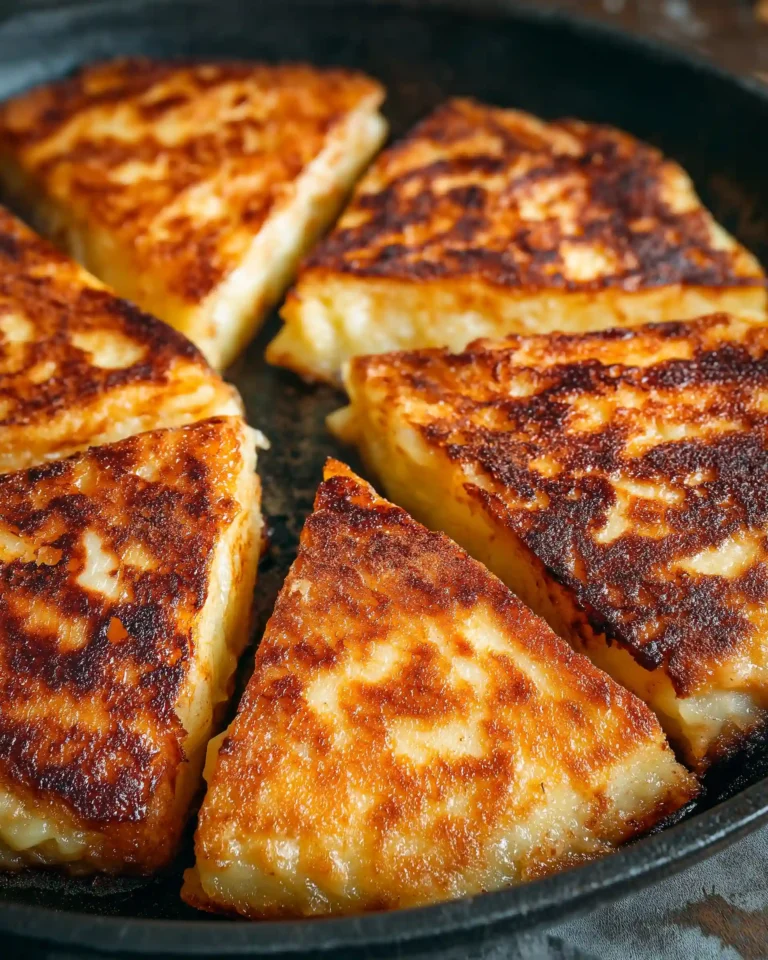
When it comes to traditional Irish cuisine, few dishes evoke the warmth and simplicity of home like potato farls. These soft, slightly crispy griddle breads are a staple in Irish breakfasts, made with humble ingredients and rich with flavor. The word “farl” comes from the Gaelic “fardel,” meaning a fourth part, because these flatbreads are traditionally cut into quarters. However, the recipe we’re sharing today takes a modern, slightly rustic twist by cutting them into six wedges for easy serving.
In this article, you’ll discover everything you need to know to make authentic Irish potato farls, from choosing the right potatoes to mastering the cooking process. We’ll walk you through each step of the recipe while also exploring the cultural history, texture secrets, and preparation tips that make these griddle breads so beloved. If you’re ready to bring a taste of Ireland into your kitchen, keep reading.
The Heart of the Recipe – Understanding Potato Farls
What Are Potato Farls?
Potato farls are flatbreads made from cooked and mashed potatoes, flour, butter, salt, and pepper. They are shaped into a disc, sliced into wedges, and traditionally cooked on a griddle. You’ll often find them served in Irish breakfasts alongside eggs and other accompaniments. Unlike yeast breads, farls rely entirely on the starch of the potatoes and the tenderness of the dough for texture.
Their unique name originates from how they were originally divided – into four parts. However, modern recipes like this one adjust the size to yield more manageable portions. Farls are cooked on a stovetop rather than baked, giving them a crispy crust and a tender, pillowy interior.
Choosing the Best Potatoes for Texture
The success of this dish starts with selecting the right type of potato. Floury varieties work best because they yield a dry, fluffy mash that forms a light, workable dough. The top options include:
- Russet potatoes – High in starch, low in moisture, excellent for fluffy results.
- Maris Piper – Popular in the UK and Ireland, giving farls an authentic texture.
- Rooster potatoes – Known for their balanced moisture content and creaminess.
Boiling or steaming the potatoes ensures they become soft and mashable. Always peel and chop the potatoes before weighing to get accurate measurements. This step is crucial for maintaining the right flour-to-potato ratio in your dough.
Preparing the Potatoes for the Dough
To ensure a consistent dough, you must remove excess moisture from the potatoes after cooking. Once boiled or steamed, place the hot potatoes in a sieve over a bowl for five minutes to let the steam escape. This method prevents sogginess and helps the potatoes absorb the flour and butter better.
Next, pass the potatoes through a sieve, ricer, or use a masher. The goal is to achieve a light, airy texture, not gluey or overly compact.
Once your mashed potatoes are ready, add in the flour, salt, black pepper, and melted butter. Stir gently until everything comes together to form a soft dough that holds its shape without being sticky.
Print
Authentic Irish Potato Farls Recipe
- Total Time: 40 minutes
- Yield: 6 servings
- Diet: Vegetarian
Description
Traditional and comforting, these Authentic Irish Potato Farls are made with simple ingredients and cooked on a skillet to golden perfection. Crisp on the outside and fluffy inside, they’re a beloved part of Irish breakfasts.
Ingredients
4 cups (650g) peeled, chopped Russet, Maris Piper, or Rooster potatoes
¾ cup (115g) all-purpose flour
1½ teaspoons sea salt
½ teaspoon black pepper
2 tablespoons (28g) butter, melted (plus more for cooking)
Instructions
1. Peel and chop the potatoes, then weigh them for accurate measurement.
2. Steam or boil the potatoes in a medium pot until tender, about 20–25 minutes.
3. Drain and place in a sieve over a bowl for 5 minutes to steam off excess moisture.
4. While hot, pass the potatoes through a sieve, ricer, or mash until smooth and fluffy.
5. Stir in the flour, salt, pepper, and melted butter until a dough forms.
6. Turn the dough onto a floured surface and flatten into an 8-inch disc.
7. Cut the disc into 6 equal wedges.
8. Heat a skillet with butter over medium heat until bubbling.
9. Cook farls for 5 minutes per side until golden brown and crispy outside.
10. Serve hot immediately on their own or as part of a traditional breakfast.
Notes
Be sure to weigh the potatoes after peeling and chopping for accurate results.
Use floury potatoes for the best fluffy texture.
Letting the potatoes steam off after boiling ensures your dough isn’t too wet.
Store leftovers in the fridge and reheat in a skillet to maintain crispiness.
- Prep Time: 30 minutes
- Cook Time: 10 minutes
- Method: Stovetop
- Cuisine: Irish
Shaping and Cooking Irish Potato Farls
How to Shape the Dough Correctly
Once your dough is ready, it’s time to turn it into the iconic shape that defines traditional potato farls. Lightly flour your work surface and place the dough on it. Use your hands—not a rolling pin—to gently flatten the dough into an 8-inch round disc. Avoid pressing too hard. The dough should be soft and slightly elastic, not dry or cracked.
Using a large sharp knife, slice the disc into six equal wedges. This shape makes it easier to flip and cook each piece evenly. Don’t worry about making perfect triangles. What matters most is uniform thickness so all farls cook at the same rate.
Mastering the Pan-Frying Technique
Heat a large frying pan or skillet over medium heat and melt a generous knob of butter until it begins to bubble. The butter is essential—not just for flavor, but also for creating that golden crust on the outside of the farls.
Carefully lay the wedges into the pan. Make sure they don’t touch each other so they can crisp up evenly. Let them cook undisturbed for about 5 minutes. This allows the bottom to form a deep, golden-brown crust. When they’re ready to flip, they should lift off the pan easily with a spatula.
Flip each wedge and cook for another 4 to 5 minutes on the other side. You’re aiming for a crisp exterior and soft, fluffy interior. The butter should sizzle gently—not burn. If needed, adjust the heat slightly.
Once both sides are crisp and golden, remove the farls from the pan and serve them immediately while still hot. They’re best enjoyed fresh, when the edges are crunchy and the center is cloud-soft.
Serving Ideas for Authentic Irish Potato Farls
Traditional Irish Ways to Serve Farls
In Ireland, potato farls are most famously enjoyed as part of a traditional breakfast. Often called an “Ulster Fry” in Northern Ireland, the full plate may include eggs, grilled tomatoes, Beef sausages, and fried bread. But even on their own, farls shine with simplicity and flavor.
When served traditionally, they’re placed warm on the plate, sometimes topped with a soft-cooked egg or a pat of butter that melts into the hot surface. Because the farls have a mild potato flavor, they work as a versatile canvas for both savory and even light sweet toppings.
Simple and Wholesome Toppings
Looking for lighter or more wholesome ways to enjoy your farls? Try these simple ideas that highlight their rustic flavor without overpowering it:
- Avocado and herbs: Mash a ripe avocado with a pinch of lemon and sprinkle with fresh chives or parsley.
- Soft scrambled eggs: Creamy eggs spooned over a farl create a perfect breakfast.
- Sautéed mushrooms: Earthy mushrooms cooked with garlic make an excellent plant-based topper.
- Apples and cinnamon: For a surprising twist, try a warm apple compote with cinnamon on your farl for a sweet snack.
Since farls are made with basic ingredients, you can dress them up or down depending on the occasion.
How to Serve for Different Meals
Farls aren’t just for breakfast. Because they reheat well and have a satisfying texture, they’re a smart option for lunch or dinner sides. You can pair them with soups, stews, or roasted vegetables. When reheating, warm them in a skillet to bring back the crispy edges.
They also make a great base for mini open-faced sandwiches or as a starch option in place of toast or bread. The golden crust helps them hold up under spreads, dips, and toppings.
The Cultural Roots of Irish Potato Farls
A Glimpse into Irish Culinary Heritage
Potato farls have deep roots in Irish culinary history, tracing back to the 18th century when potatoes became a staple crop across the country. Their creation was born out of necessity—families needed simple, filling meals that could be made with limited ingredients. With flour, potatoes, salt, and a bit of fat, home cooks crafted what we now know as farls, griddled flatbreads that became a mealtime favorite.
In many Irish households, especially in the north, making farls was a weekly, if not daily, ritual. The name “farl” originally referred to any type of quartered flatbread, but the potato version quickly gained popularity due to the abundance of potatoes.
A Dish Passed Down Through Generations
One of the beautiful things about authentic Irish potato farls is how often they are taught from parent to child. Recipes weren’t always written down. Instead, generations of cooks passed along their tips and techniques by memory and experience.
Each family might have had their own variation—some used leftover mashed potatoes, others freshly cooked ones. Some included milk or herbs. But the method always remained simple, rustic, and rooted in practicality.
In rural communities, farls were often cooked on a griddle or directly on the hearthstone. This gave them a smoky, toasty character. Today, we use non-stick or cast iron pans, but the essence of the dish remains unchanged.
A Symbol of Irish Simplicity and Comfort
In a world full of complex recipes and gourmet ingredients, the farl reminds us that humble food can be the most satisfying. It’s more than just a side dish—it’s a symbol of Ireland’s resourceful spirit and a connection to the past.
Whether enjoyed at a bustling farmhouse table or recreated in a modern kitchen, potato farls continue to bring comfort, flavor, and tradition to every plate.
Tips, Tricks, and Troubleshooting for Perfect Potato Farls
Common Mistakes to Avoid
Even though authentic Irish potato farls are simple to make, a few missteps can lead to a less-than-perfect outcome. Here’s how to avoid the most common mistakes:
- Using the wrong potato type: Waxy potatoes hold too much moisture. Always use floury varieties like Russet or Maris Piper.
- Not weighing the potatoes after peeling: Measuring them before peeling leads to too much moisture and incorrect ratios.
- Overworking the dough: Kneading or stirring too much can make the dough heavy and tough. Stir just enough to bring everything together.
- Not drying the potatoes: Skipping the steam-off step after boiling results in wet, sticky dough that won’t crisp properly.
Texture Secrets from the Experts
Achieving the perfect farl texture—crispy on the outside and fluffy on the inside—comes down to heat control and moisture balance.
- Steam after boiling: Place potatoes in a sieve over a bowl for five minutes after boiling. This essential step lets out moisture without drying them completely.
- Use melted butter in the dough: This adds richness and helps create that perfect golden crust when pan-fried.
- Medium heat is key: If the pan is too hot, the outside will burn before the center cooks. If it’s too low, the farls can turn soggy.
Make-Ahead and Storage Tips
If you’re planning ahead, the good news is farls can be made in advance:
- Refrigeration: Store cooked farls in an airtight container in the fridge for up to 3 days.
- Freezing: Freeze uncooked wedges between sheets of parchment paper. When ready to eat, thaw briefly, then cook as usual.
- Reheating: Always reheat in a skillet, not the microwave. This keeps the outside crispy.
These tricks make farls not just a comfort food but also a convenient one. Whether you’re making them for the week or a weekend breakfast, they hold up beautifully.
Creative Variations of the Authentic Irish Potato Farls Recipe
Adding a Twist While Respecting Tradition
While the classic authentic Irish potato farls recipe is perfect as-is, it also provides a blank canvas for subtle, flavorful variations. These changes don’t stray far from the heart of the recipe—they simply enhance it with added texture or a pop of fresh flavor. Here are a few ways to personalize your farls while still keeping the Irish spirit intact:
- Chopped scallions or chives: Adding finely sliced green onions into the dough gives a mild sharpness and bright herbal flavor that complements the potatoes.
- Fresh parsley or thyme: Stir in a tablespoon of finely chopped fresh herbs for an aromatic twist.
- A pinch of garlic powder: For garlic lovers, a small amount brings extra savory depth to the farls.
- Swap part of the flour: Use half whole wheat flour for a nuttier taste and a bit more fiber.
Making Gluten-Free Potato Farls
To create a gluten-free version of this traditional favorite, simply replace the all-purpose flour with a gluten-free flour blend that includes xanthan gum or another binder. Rice flour and potato starch work particularly well to keep the dough light and soft.
Be sure to mix gently and let the dough rest briefly before shaping to avoid crumbling. Gluten-free doughs can be slightly more delicate, but with careful handling, they still yield crisp, tender farls.
Turning Farls into a Full Meal
Farls are so satisfying, you can easily turn them into the centerpiece of a light lunch or dinner. Try layering two farls with filling in between, almost like a potato sandwich. Some simple fillings include:
- Roasted vegetables with a drizzle of olive oil
- Fresh spinach and mashed peas
- Sliced hard-boiled eggs and a dash of mustard
These ideas transform your farls from a side dish into a wholesome, hearty meal. Whether you enjoy them as a breakfast base or a lunchtime star, the possibilities are endless.
Conclusion
The authentic Irish potato farls recipe brings together simplicity, tradition, and comfort in one humble dish. Made with just a few pantry staples—potatoes, flour, butter, salt, and pepper—it captures the essence of Irish cooking: hearty, honest, and satisfying. From selecting the right potatoes to shaping, frying, and serving, every step is an opportunity to connect with generations of Irish home cooks.
Whether you’re preparing a cozy breakfast, looking for a new side dish, or simply craving the taste of something nostalgic and homemade, potato farls are an easy and rewarding choice. They’re proof that the most comforting meals don’t need to be complicated. All you need is a little care, quality ingredients, and a hot skillet.
So go ahead, give this timeless recipe a try. Once you’ve had your first bite—golden, crisp, and fluffy—you’ll understand why these potato farls continue to be loved across generations.