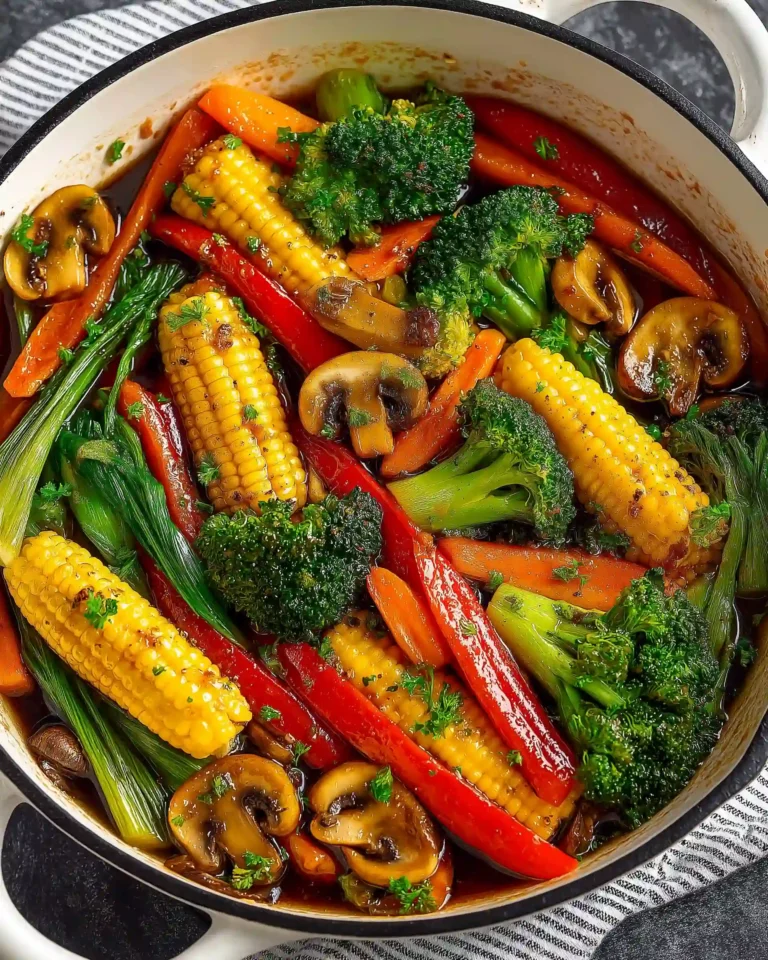
Vegetable stir fry is a vibrant, nutrient-packed dish that’s as satisfying as it is simple. Whether you’re aiming for a meatless Monday or looking for a fast dinner fix, this easy vegetable stir fry recipe delivers bold flavor, crisp-tender veggies, and a customizable sauce that pulls it all together.
What makes this stir fry so beloved isn’t just how quick it comes together — under 30 minutes from start to finish—but how easily you can tailor it to your taste. With a savory homemade sauce, fresh vegetables, and optional spice, you get a wholesome meal without complicated steps or specialty tools. This article walks you through each step of the recipe, offers tips for variations, and explains how to get the best texture and flavor from your stir fry.
In this guide, we’ll explore everything you need to make the perfect vegetable stir fry, starting with how to build the most flavorful stir fry sauce and the importance of properly preparing your vegetables. Whether you’re new to stir frying or looking to refine your technique, this breakdown is designed to help you cook like a pro.
Mastering the Vegetable Stir Fry Sauce
The Role of Sauce in a Stir Fry Recipe
A great stir fry sauce is the backbone of any stir fry dish. It’s what ties all the ingredients together and delivers that signature glossy finish with punchy umami flavor. The sauce should coat the veggies evenly, complementing without overpowering them. In this vegetable stir fry, the sauce is a balanced mix of salty, savory, slightly sweet, and mildly spicy notes.
Key Ingredients in This Stir Fry Sauce
- Low-Sodium Soy Sauce: This forms the salty and umami-rich base of the sauce. Tamari can be used as a gluten-free substitute without compromising flavor.
- Corn Starch: Essential for thickening the sauce, ensuring it clings to the vegetables rather than pooling at the bottom of the pan.
- Chicken or Vegetable Broth: Adds depth and a subtle savoriness that water alone can’t provide.
- Honey: A natural sweetener that balances out the saltiness of the soy sauce and enhances the caramelization of the vegetables.
- Hot Sauce (optional): Adds a kick without overwhelming the other flavors. A touch of Sriracha or your favorite hot sauce brings just the right amount of heat.
Mixing the Sauce for the Best Results
Before you start cooking, prepare the sauce by whisking all the ingredients together until smooth. Make sure the corn starch dissolves completely to prevent lumps. It’s best to make this ahead so it’s ready to pour when the vegetables are done sautéing. If the sauce sits for a while, give it a quick stir again before adding to the skillet as corn starch tends to settle.
Print
Vegetable Stir Fry Recipe
- Total Time: 25 minutes
- Yield: 4 servings
- Diet: Vegetarian
Description
A quick and healthy vegetable stir fry recipe made with fresh vegetables and a savory sauce. Ready in under 30 minutes, perfect for busy weeknights.
Ingredients
Stir Fry Sauce:
1/4 cup chicken broth or vegetable broth
3 Tbsp low-sodium soy sauce (or 2 Tbsp regular soy sauce)
1 tsp corn starch
2 Tbsp honey
1/4 tsp hot sauce, optional
Vegetable Stir Fry:
1 large carrot, sliced
2 cups broccoli florets
8 oz baby corn spears, drained
8 oz mushrooms, sliced or quartered
1 bell pepper (red, yellow, or orange), sliced
2 Tbsp cooking oil (light olive or canola)
2 Tbsp unsalted butter
3 garlic cloves, minced
2 tsp ginger, minced
Instructions
1. In a small bowl, whisk together all stir fry sauce ingredients. Make sure corn starch is fully dissolved. Set aside.
2. Heat a large non-stick skillet or wok over medium-high heat. Add oil.
3. Once oil is hot, add all vegetables and stir fry for about 3 minutes until crisp-tender.
4. Reduce heat to medium. Add butter, garlic, and ginger. Stir constantly for 30-60 seconds until fragrant.
5. Stir sauce again, then pour into the skillet. Reduce heat to medium-low.
6. Cook and stir for 3-4 minutes until sauce thickens and vegetables reach desired tenderness.
7. Serve hot over rice, noodles, or quinoa. Optionally top with nuts or sesame seeds.
Notes
**Make Ahead Tips:**
Chop vegetables and mix sauce in advance. Store separately in the fridge.
**Storage:**
Refrigerate leftovers in an airtight container for up to 4 days.
**Reheat:**
Use a skillet on low heat with a splash of water or broth.
**Variations:**
Add tofu, cooked chicken, or shrimp for protein.
Swap in seasonal veggies like snap peas or cabbage.
Use Tamari for a gluten-free version.
- Prep Time: 10 minutes
- Cook Time: 15 minutes
- Method: Stir Fry
- Cuisine: Asian
Prepping and Cooking the Vegetables for Maximum Flavor
Choosing the Right Vegetables for Stir Fry
The success of a vegetable stir fry heavily depends on your choice and preparation of vegetables. Aim for a mix of textures and colors to make the dish visually appealing and nutritionally balanced. In this recipe, we use:
- Carrots – Slightly sweet with a firm texture that softens beautifully during stir frying.
- Broccoli Florets – Adds crunch and soaks up the sauce nicely.
- Baby Corn Spears – These bring a unique texture and a slight sweetness.
- Mushrooms – Earthy and tender, mushrooms provide a meatier mouthfeel, which makes the dish more satisfying.
- Bell Peppers (Red, Yellow, or Orange) – Offer sweetness and vibrant color.
How to Cut Vegetables Evenly
Uniform slicing is key. It helps all vegetables cook at the same rate. Slice carrots thinly, break broccoli into medium-sized florets, quarter mushrooms for a chunkier bite, and cut bell peppers into strips. Avoid over-cutting the baby corn spears—they’re best left whole or halved.
Use a sharp knife and a sturdy cutting board to streamline your prep. Wash and thoroughly dry all vegetables before cutting to avoid steaming them in the pan.
Stir Frying Technique for Crisp-Tender Texture
To stir fry vegetables correctly:
- Heat the Pan: Use a large non-stick skillet or wok. Let it heat over medium-high until the surface is hot and the oil shimmers. A properly heated pan prevents sticking and ensures even cooking.
- Use the Right Oil: Opt for oils with high smoke points like extra light olive oil or canola oil. These don’t overpower the flavors and can handle the high heat of stir frying.
- Work Quickly: Add all your vegetables at once and stir frequently. This ensures they don’t burn or overcook. The goal is crisp-tender, not mushy. This usually takes about 3 minutes.
- Don’t Overcrowd the Pan: If your pan is too small, stir fry in batches. Overcrowding leads to steaming instead of frying.
- Add Aromatics After Initial Frying: Lower the heat slightly, then add butter, minced garlic, and fresh ginger. These should cook just until fragrant, not browned—about 30 to 60 seconds.
Pro Tips for Perfectly Cooked Vegetables
- Dry your vegetables after washing to prevent excess water in the pan, which can dilute the sauce and cause steaming.
- Keep stirring but don’t overdo it. Let the vegetables sit for a few seconds at a time to get a bit of caramelization.
- Taste for doneness. Vegetables should be slightly firm but cooked through.
Bringing It All Together – The Final Stir Fry Step
When to Add the Stir Fry Sauce
Once your vegetables are crisp-tender and the aromatics are fragrant, it’s time to introduce the sauce. But timing is everything. If you add the sauce too early, it can over-reduce or cause the vegetables to go soft. Add it after the vegetables and aromatics are cooked, right when the heat is reduced to medium-low.
Before pouring, give the sauce a good stir in case the cornstarch has settled. This ensures it thickens evenly in the pan and doesn’t clump.
How to Combine the Sauce and Vegetables Properly
Pour the stir fry sauce directly over the vegetables and use a spatula or large spoon to toss everything together gently but quickly. Keep the heat at medium-low and stir frequently. The sauce will start to bubble and thicken within a minute or two.
Stir and coat all vegetables evenly until they’re glossy and the sauce sticks nicely to every piece. This process should take around 3 to 4 minutes. If needed, adjust the heat slightly to avoid burning the sauce.
Monitoring the Sauce’s Thickness
You’ll know the sauce is done when it clings to the vegetables and has a slightly glossy sheen. If it’s still watery, let it cook for another minute, but stir constantly to avoid overcooking the veggies.
Be careful not to let the sauce reduce too much—it should still be silky and saucy, not sticky or dry.
Achieving the Perfect Texture and Flavor
When done correctly, the final dish should strike a balance of texture and flavor:
- Vegetables remain firm with a gentle bite.
- Sauce is thickened but not sticky.
- Garlic and ginger are fragrant, not burnt.
- The flavor profile should be a blend of salty, slightly sweet, and umami-rich with a faint warmth if hot sauce was used.
If you want extra crunch, you can sprinkle chopped nuts like cashews or peanuts right before serving. They add texture and a roasted depth of flavor.
Smart Customizations for Every Taste and Diet
Customizing Your Vegetable Stir Fry with Protein
One of the best parts about a stir fry is how flexible it can be. If you’re looking to turn this veggie dish into a complete one-pan meal, adding protein is a smart move. This recipe is incredibly versatile and works well with:
- Cooked Chicken: Great for a quick and familiar add-in. Use leftover grilled or roasted chicken, diced or shredded.
- Shrimp: Adds a fresh, seafood twist. Cook separately and stir in at the end to avoid overcooking.
- Ground Beef: Lean ground beef adds hearty flavor and soaks up the sauce well. Brown and drain before combining.
- Tofu: For a vegetarian or vegan option, pan-fried tofu is a top choice. Press and dry it well before cooking to achieve a crispy texture.
Always cook proteins separately before adding them to the finished stir fry. This prevents the vegetables from becoming soggy and allows each ingredient to maintain its distinct texture.
Vegetable Swaps and Additions
Don’t be afraid to make the stir fry your own by using different vegetables based on availability or preference. Just remember to avoid frozen vegetables—they release water and tend to become mushy. Here are some excellent alternatives:
| Vegetable | Notes |
|---|---|
| Snap Peas | Add crisp texture and a mild sweetness |
| Zucchini | Softens quickly, so cook it lightly |
| Green Beans | Blanch briefly before stir frying |
| Cabbage | Adds bulk and a slight crunch |
| Asparagus | Tender and grassy flavor, best in spring |
Try to mix at least three different vegetables to maintain that colorful, restaurant-style appeal.
Spicing It Up or Toning It Down
The base recipe includes a touch of hot sauce, but this is totally optional. You can increase or decrease the spice level to suit your preference. For added heat, stir in:
- More Sriracha
- Crushed red pepper flakes
- Fresh minced chili
To make it mild and kid-friendly, simply skip the hot sauce. The honey in the sauce provides a nice balance of flavor on its own.
Adding Crunch with Nuts or Seeds
Chopped cashews, peanuts, or even toasted sesame seeds make excellent finishing touches. Add them right before serving to retain their crunch. They bring more than texture—they also enhance the umami and add healthy fats.
Dietary-Friendly Adjustments
- Gluten-Free: Use Tamari or a certified gluten-free soy sauce.
- Vegan: Swap out the butter for a plant-based alternative and use vegetable broth instead of chicken broth.
- Low Carb: Reduce the honey and use low-carb vegetables like zucchini, mushrooms, and peppers.
The key is to keep the balance of flavors and textures while adjusting the ingredients to meet dietary needs.
Meal Prep, Storage, and Leftovers
How to Prep Vegetable Stir Fry Ahead of Time
One of the best things about this vegetable stir fry recipe is how well it fits into a busy schedule. If you like having meals prepped and ready to go, this dish is a winner. With just a few smart steps, you can shave off valuable minutes at dinnertime.
Here’s how to prep it ahead:
- Chop All Vegetables in Advance: Wash, dry, and slice all your vegetables, then store them in an airtight container in the fridge for up to 2 days. Keep firmer veggies like carrots and broccoli separate from softer ones like mushrooms and bell peppers for better texture control during cooking.
- Make the Sauce Ahead: Mix your stir fry sauce ingredients and store them in a jar or sealed container in the refrigerator. Before using, shake or stir it thoroughly since the cornstarch may settle.
- Pre-mince Aromatics: Minced garlic and ginger can be prepped and kept in a small airtight container for 1-2 days. You can also freeze portions if you want to prep further ahead.
This prep strategy makes it easy to toss everything into the skillet when you’re ready to cook, getting a fresh and healthy meal on the table in no time.
Best Practices for Storing Leftovers
Once cooked, this dish stores beautifully. Here’s how to do it right:
- Use an Airtight Container: Store leftovers in airtight containers to keep them fresh and flavorful. It’s best to use shallow containers to cool the stir fry faster, which helps maintain texture.
- Refrigerate Promptly: Let the stir fry cool to room temperature, then refrigerate within 2 hours of cooking to avoid food safety issues.
- Shelf Life: Properly stored, leftovers will stay good in the fridge for up to 4 days.
How to Reheat Without Losing Texture
To keep the vegetables from becoming mushy, skip the microwave if possible. Here are two better methods:
- Stovetop Method: Add a tiny splash of broth or water to a pan and reheat the stir fry over low heat, stirring occasionally until heated through.
- Oven Method: Place stir fry in an oven-safe dish, cover with foil, and warm in a 325°F oven for 10-15 minutes.
Avoid high heat or overcooking while reheating, as this will break down the veggies and make the sauce too thick.
Can You Freeze Vegetable Stir Fry?
Technically yes, but it’s not ideal. The texture of most stir-fried vegetables suffers after freezing and thawing. Mushrooms, bell peppers, and broccoli can become soggy. If you must freeze, do so before combining the sauce and vegetables. Freeze the prepped vegetables and sauce separately for best results.
Serving Suggestions and Plating Ideas
What to Serve with Vegetable Stir Fry
This vegetable stir fry recipe is satisfying on its own, but pairing it with a simple base can turn it into a complete and hearty meal. Here are some great options to serve alongside or under your stir fry:
- Steamed White Rice: A classic base that absorbs the flavorful sauce perfectly.
- Brown Rice: Offers a nuttier flavor and added fiber.
- Jasmine or Basmati Rice: For a fragrant twist with an aromatic finish.
- Quinoa: A great high-protein grain that pairs well with stir fry sauce.
- Rice Noodles or Lo Mein Noodles: Add a slurp-worthy element for a stir-fry bowl feel.
- Cauliflower Rice: For a low-carb, gluten-free option that still delivers on texture.
For best results, serve the stir fry immediately over warm rice or noodles, allowing the sauce to soak in without becoming soggy.
Turning It into a Meal Bowl
You can create a vibrant meal bowl using your vegetable stir fry as the star ingredient. Layer the following:
- Grain Base: Start with rice, quinoa, or noodles.
- Vegetable Stir Fry: Spoon generously on top of the base.
- Protein Add-In: If desired, top with tofu, cooked chicken, or shrimp.
- Toppings: Finish with chopped nuts, green onions, or a sprinkle of sesame seeds.
- Garnish: Add a wedge of lime or a small drizzle of sesame oil for shine and flavor.
Garnishing for Flavor and Presentation
A few small touches can elevate your dish visually and enhance taste:
- Fresh Herbs: Cilantro, green onions, or Thai basil add a pop of color and freshness.
- Toasted Sesame Seeds: Bring a toasty nutty flavor that complements the stir fry sauce.
- Chili Flakes: For those who want a little more kick, sprinkle on some red pepper flakes.
- Crushed Peanuts or Cashews: Adds crunch and a satisfying savory note.
These garnishes work not just for flavor but also for presentation. Serve your stir fry in a shallow bowl or on a rimmed plate to contain the sauce and highlight the colorful veggies.
Plating Tips for Visual Appeal
Presentation counts, especially if you’re serving guests or meal prepping for Instagram-worthy lunches. Here’s how to make your plate shine:
- Use Contrasting Colors: Serve light-colored rice with deep, vibrant vegetables.
- Layer with Intention: Place your grains first, then spoon the veggies gently over the top.
- Don’t Overfill: Give each element space on the plate to be noticed.
- Wipe the Edges: Keep the rim of the plate clean for a restaurant-style look.
Conclusion: A Stir Fry Recipe You’ll Keep Coming Back To
This vegetable stir fry recipe is a true kitchen essential—quick to make, packed with nutrients, and endlessly customizable. Whether you’re looking for a healthy weeknight dinner, a meatless meal option, or a simple way to use up fresh produce, this recipe ticks every box.
By mastering the basic stir fry technique, crafting the perfect sauce, and customizing with your favorite ingredients, you can create restaurant-worthy meals at home any night of the week. It’s beginner-friendly, but its rich flavor and stunning color make it impressive enough for guests.
Stick to fresh, vibrant vegetables. Use a sizzling hot pan. Balance the sauce just right. With this guide in hand, you’ll be stir frying with confidence and flavor from now on.