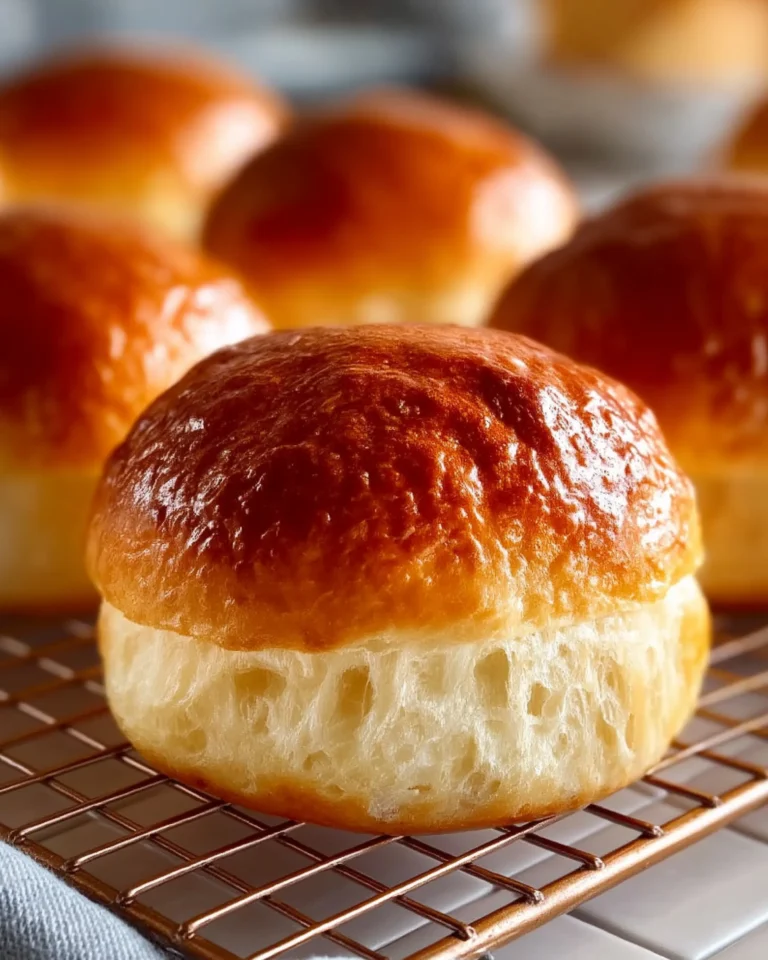
If you’ve ever bitten into a burger and thought, “Wow, the bun makes all the difference,” then you’re absolutely right. A truly great burger starts with an incredibly soft, fluffy, and flavorful bun. That’s where this Super Soft Burger Buns Recipe comes in. Designed for home bakers and food enthusiasts, this recipe blends traditional baking techniques with a modern twist, thanks to the use of tangzhong — a magical water roux that keeps the buns ultra-soft and fresh for days. In this comprehensive guide, we’ll walk you through everything from preparing the tangzhong to shaping and baking the buns to golden perfection. Whether you’re prepping for a backyard cookout, a weeknight dinner, or meal prep, these buns will elevate your burger game like never before.
Unlocking the Secret – What Makes Super Soft Burger Buns So Special
What Is Tangzhong and Why Use It?
Tangzhong is a Japanese technique where flour is cooked with a liquid (usually water or milk) until it becomes a thick paste. This paste is then added to the dough to increase hydration without making it sticky or slack. The result? Moisture retention, longer freshness, and an incredibly soft texture that you can actually feel when you pull the buns apart.
In this recipe, we make the tangzhong using bread flour and whole milk. Cooking the two together creates a gelatinized starch paste that not only helps the dough stay soft but also improves its rise and fluffiness. It’s the not-so-secret weapon of professional bakers — and now, it’s yours too.
Ingredients You’ll Need for Tangzhong and Dough
Creating a perfect bun starts with understanding your ingredients. Here’s a breakdown of the essential components in this recipe and their purpose:
- Bread flour: Higher in protein, this flour develops more gluten for that chewy, yet tender texture.
- Whole milk: Adds fat and richness, while also tenderizing the dough.
- Granulated sugar: Feeds the yeast and adds a subtle sweetness.
- Instant yeast: Speeds up fermentation and gives a lovely rise.
- Milk powder: Enhances the dairy flavor and contributes to a softer crumb.
- Kosher salt: Balances the sweetness and strengthens the gluten network.
- Egg: Adds richness, color, and structure.
- Unsalted butter: Enriches the dough for a silky, soft finish.
- Egg wash: For that glossy, bakery-style finish after baking.
These ingredients come together to form a dough that is smooth, elastic, and perfect for shaping into burger buns.
Print
Super Soft Burger Buns Recipe
- Total Time: 3 hours 20 minutes
- Yield: 9 buns
- Diet: Vegetarian
Description
This super soft burger buns recipe uses the tangzhong method to create fluffy, rich, and delicious buns that stay soft for days. Perfect for burgers, sandwiches, or sliders.
Ingredients
Tangzhong:
25g bread flour
120g whole milk
Burger Bun Dough:
All of the Tangzhong
200g cold milk
20g granulated sugar
2 tsp (7g) instant yeast
30g milk powder
1 ½ tsp (7g) kosher salt
1 egg, at room temperature
360g bread flour
45g unsalted butter, at room temperature
Egg Wash:
1 egg whisked with 1 Tbsp water
Instructions
1. Combine bread flour and whole milk in a saucepan. Cook over medium heat while stirring until a thick paste forms. Remove from heat and transfer to the stand mixer bowl.
2. Add cold milk to the tangzhong to cool it. Add sugar, yeast, milk powder, salt, egg, and bread flour. Mix using a dough hook on medium speed for 12–15 minutes until dough is smooth and elastic.
3. Add softened butter and continue to mix for 5 minutes. Dough should be smooth, elastic, and pass the windowpane test.
4. Transfer dough to a greased bowl, cover with plastic wrap, and let rise in a warm place for 1½ hours or until doubled in size.
5. Turn out dough onto a lightly floured surface. Divide into 9 equal pieces (about 90g each). Flatten, tuck into a ball, then roll tightly with cupped hand.
6. Let dough balls rest for 10 minutes. Re-roll each ball to tighten. Place in greased rings or spaced apart on parchment-lined baking sheets.
7. Cover buns loosely and let rise for another 1½ hours until doubled. Preheat oven to 360°F / 185°C about 20 minutes before baking.
8. Brush tops of buns with egg wash. Bake for 15–18 minutes until golden brown. Remove from oven and rings if used.
9. Cool buns on tray for 10–15 minutes, then transfer to wire rack. Let cool completely before serving or storing.
Notes
Store buns in an airtight container at room temperature for up to 5 days.
Freeze fully cooled buns by wrapping individually and placing in a freezer bag. Thaw at room temp or microwave for 20–30 seconds.
Toast buns after the first couple of days for best texture.
- Prep Time: 30 minutes
- Cook Time: 20 minutes
- Category: Bread
- Method: Baking
- Cuisine: American
Step-by-Step: Making Tangzhong the Right Way
To create the tangzhong:
- Measure accurately: 25g of bread flour and 120g of whole milk.
- Cook slowly: Stir continuously in a saucepan over medium heat. Within a couple of minutes, the mixture thickens into a pudding-like paste.
- Cool slightly: Immediately transfer it to the stand mixer bowl so it can begin to cool. You don’t want to kill the yeast by mixing it into hot tangzhong later.
Tangzhong may sound like an extra step, but it takes less than 5 minutes and the payoff is immense in terms of softness and texture.
Crafting the Dough – From Ingredients to Smooth Elastic Perfection
Combining Tangzhong with the Dough Ingredients
Once your tangzhong has slightly cooled in the mixing bowl, it’s time to build the rest of the dough. You’ll be amazed at how simple and satisfying this process is.
Start by adding:
- 200g of cold milk – this helps cool down the tangzhong further.
- 20g of granulated sugar
- 2 tsp (7g) instant yeast
- 30g milk powder
- 1 ½ tsp (7g) kosher salt
- 1 room-temperature egg
- 360g bread flour
Fitted with the dough hook, your stand mixer will bring all these ingredients together into a shaggy dough. You don’t need to knead it by hand at this stage — the mixer does the heavy lifting.
Check the dough temperature before adding yeast by dipping your finger into the mix. It should feel lukewarm, not hot. The cold milk typically neutralizes the tangzhong’s heat just enough, making the dough ready for fermentation.
Kneading for Strength and Elasticity
Kneading is where the dough truly transforms. Set your stand mixer to medium speed and let it go for about 12 to 15 minutes. This might feel like a long time, but trust the process. The dough will go from sticky and messy to smooth and elastic. You’ll know it’s ready when:
- It pulls cleanly away from the bowl.
- It passes the windowpane test: take a small piece and gently stretch it. If it stretches thin enough to become see-through without tearing, your gluten is well-developed.
If, after 12–15 minutes, the dough is still too sticky to handle, you can add flour one teaspoon at a time, but do this cautiously. It’s better to have a slightly sticky dough than a dry one. The stickiness will subside as you add butter later and during the first rise.
Adding Butter for Richness and Softness
At this stage, incorporate 45g of unsalted butter (at room temperature) into the dough. This is where the dough becomes even more luxurious. The butter should be added in chunks while the mixer continues to run.
Mix for another 5 minutes until the butter is completely absorbed. The result? A shiny, supple dough that’s just a bit sticky but beautifully smooth.
This enriched dough is now ready for its first rise, which is key to building flavor and lightness.
First Proof: Letting the Dough Rise
Lightly grease a large bowl and transfer the dough to it. Use a plastic wrap to cover the top to retain moisture.
Place the bowl in a warm spot, ideally between 75°F to 80°F, and let the dough rise for about 1½ hours or until it doubles in size. This slow, steady proofing lets the yeast do its magic and allows flavor to develop while the gluten relaxes.
To check if the dough has risen enough, gently press it with your fingertip. If the indentation remains and slowly bounces back, it’s ready for shaping.
Shaping the Buns – From Dough Balls to Bakery-Style Perfection
Dividing the Dough with Precision
Once your dough has doubled in size, it’s time to turn it out onto a lightly floured surface. You’ll notice how soft, stretchy, and slightly tacky it feels — this is exactly what you want.
Use a kitchen scale to ensure precision. Divide the dough into 9 equal portions, each weighing approximately 90 grams. This size is ideal for burgers, giving you a bun that holds its shape while remaining soft and fluffy.
If you’re using ring molds (around 100mm in diameter), now is the time to lightly grease them and have them ready on baking sheets. If not, just make sure to leave enough space between the buns for expansion during the final proof and baking.
Rolling Technique for Smooth Buns
Each dough piece now needs to be shaped into a smooth ball. Here’s how to do it right:
- Flatten each piece of dough slightly using your fingers.
- Tuck the edges inward, creating a tight seam at the bottom.
- Turn the dough seam-side down.
- Cup your hand over the dough ball, forming a loose claw shape.
- Roll in small circles against the counter, using light pressure to create tension across the surface.
This technique tightens the outer layer of dough, which helps create that smooth, round finish once baked.
After rolling all the dough balls, place them on the baking sheets or inside the rings. Leave a little space between each one. Cover lightly with plastic wrap and let them rest for 10 minutes.
Second Roll and Rest
After the initial resting, give each bun a quick second roll. This helps tighten them further and ensures they maintain a round, domed shape during baking.
Whether using molds or not, now is the time to arrange your buns for the second rise. Place them either spaced out (if you want individual buns) or slightly closer (if you prefer soft sides that pull apart).
For best results, use two baking sheets – one for 5 buns, the other for 4 – to prevent overcrowding. Cover again with either:
- Lightly greased plastic wrap
- A second inverted baking sheet (acting as a lid)
These methods keep the surface moist and allow the buns to rise evenly.
Final Proof – Time and Temperature Matter
Let the buns rise again in a warm place for about 1½ hours, or until they’ve doubled in size. You’ll know they’re ready when you gently press a finger into the dough and the indentation slowly bounces back but doesn’t fully disappear.
Remember, proofing time can vary based on room temperature. Always go by look and feel rather than the clock.
This final proof is where the buns develop their delicate structure and lightness, setting the stage for that ultra-soft, cloudlike interior.
Baking the Buns – Achieving the Golden Crust and Soft Center
Preheating the Oven for Consistency
When your buns are nearing the end of their second rise, it’s time to fire up your oven. Preheat it to 360°F (185°C) about 20 minutes before baking begins. This ensures your oven is fully heated and stable when the dough goes in, which is crucial for even browning and a strong oven spring.
A consistent temperature helps activate the yeast one last time before the structure sets, giving you beautifully domed, soft-centered buns.
Applying the Perfect Egg Wash
Before baking, it’s essential to brush the buns with egg wash. This step gives them that iconic, glossy golden top you see in bakery windows.
Here’s how to make and apply it:
- Whisk 1 egg with 1 tablespoon of water until smooth.
- Using a pastry brush, gently coat the surface of each bun.
- If using rings, brush only the exposed top.
- If not using rings, make sure to brush the tops and sides to get an even color all around.
Be gentle so you don’t deflate the dough. A light hand makes a big difference.
Bake to Golden Perfection
Place the buns on the middle rack of your preheated oven and bake for 15 to 18 minutes. Keep an eye on them toward the end. You’re looking for:
- A deep golden brown color on top.
- A slightly soft, pale underside if using rings (that’s normal).
- A light hollow sound when gently tapped on the bottom.
Rotate the trays halfway through baking if your oven has uneven heat. This helps prevent overbaking or underbaking on one side.
Once done, remove the trays from the oven. If you used rings, carefully remove them using tongs or a cloth. The buns will still be soft, so take care not to press or dent them.
Cooling the Buns the Right Way
After baking:
- Let the buns cool on the baking trays for 10 to 15 minutes. This gives them time to set and prevents tearing.
- Transfer them to a wire cooling rack to allow airflow and avoid soggy bottoms.
Don’t be alarmed if the buns wrinkle slightly or lose their perfect shape on the edges as they cool. That’s a good sign — it means they’re extra soft, just as they should be.
These buns are best once fully cooled, but if you’re eager to enjoy one fresh, wait at least 30 minutes so the crumb can fully set.
Storing and Freezing – Keeping Your Buns Super Soft for Days
Storing at Room Temperature
After baking and fully cooling your super soft burger buns, proper storage is key to maintaining their fresh-from-the-oven texture. These buns are enriched with butter and tangzhong, which naturally helps extend shelf life without drying out.
To store:
- Place the completely cooled buns in an airtight container or resealable plastic bag.
- Store them at room temperature away from direct sunlight or heat.
- They’ll stay soft for up to 5 days without needing any preservatives.
Avoid refrigerating the buns, as cold temperatures can dry out the bread faster, making them stale rather than soft.
Freezing for Long-Term Use
If you’re planning ahead or made a double batch, these buns freeze beautifully. Follow these simple steps:
- Wrap each bun individually in plastic wrap or parchment paper.
- Place the wrapped buns into a zip-top freezer bag or an airtight container.
- Label with the date and freeze for up to 2 months.
This method prevents freezer burn and keeps the buns soft and flavorful when thawed.
Reheating for the Perfect Texture
When you’re ready to enjoy a frozen bun, remove it from the freezer and:
- Let it thaw at room temperature for 1–2 hours.
- For a quick method, microwave a bun (unwrapped) on low for 20–30 seconds.
- To refresh the crust, pop it into a preheated oven at 300°F (150°C) for 5–7 minutes.
After the first day or two, toasting the buns can also restore their freshness. Slice them open and toast lightly for an ideal texture — crispy on the outside and soft inside.
Whether you’re preparing for a weekend barbecue or making sliders on a Tuesday, having soft burger buns ready to go is a game-changer.
Customizing Your Super Soft Burger Buns – Beyond the Classic Burger
Scaling the Recipe for Sliders or Sandwich Rolls
One of the best parts of this Super Soft Burger Buns Recipe is its flexibility. Whether you’re serving gourmet sandwiches, kids’ sliders, or big, juicy patties, you can easily scale and shape the dough to match.
Here’s how:
- For sliders: Divide the dough into 12–14 smaller pieces (about 55–60g each). Follow the same shaping and proofing methods, then bake for 12–14 minutes instead of the full 15–18.
- For sandwich rolls: Increase each dough ball to 100–110g. These will make wider, more substantial buns perfect for deli-style sandwiches or loaded breakfast rolls.
Regardless of size, always check doneness by color and internal texture, not just time.
Adding a Touch of Style: Optional Toppings
While the base recipe is classic and simple, you can elevate your buns with creative, kid-friendly, or fancy finishes — all while keeping them vegetarian and family-safe.
Some topping ideas before baking:
- Sesame seeds: A timeless classic for a burger-shop feel.
- Everything seasoning: For an extra savory kick.
- Oat flakes: Adds a rustic, hearty appearance.
To apply, brush your egg wash as usual, then gently sprinkle the toppings before baking. Make sure the toppings adhere by pressing lightly if needed.
Flavor Variations with Natural Add-Ins
Want to get a bit creative with the flavor without compromising the softness? Try these subtle additions:
- Herbs: Mix a tablespoon of finely chopped rosemary or thyme into the dough.
- Cheese: Add a handful of shredded cheddar for a cheesy crust. Sprinkle on top after egg wash.
- Garlic butter glaze: After baking, brush the tops with melted garlic butter for a rich finish.
These tweaks let you transform a basic bun into a signature sandwich foundation, perfect for everything from veggie burgers to egg salad rolls.
Best Pairings and Usage Ideas
Besides burgers, these buns pair well with:
- Grilled chicken or tofu patties
- Scrambled egg and avocado breakfast sandwiches
- Grilled veggie stacks
- Homemade bean burgers
Because of their pillowy texture and slightly sweet flavor, they’re also ideal for brunch boards, picnic sandwiches, or even a soft dinner roll on the side of soup.
Once you master this dough, you’ll want to use it for more than just burgers — it’s that good.
Conclusion: Mastering the Super Soft Burger Buns Recipe at Home
By now, you’ve gone from understanding the science behind the tangzhong method to shaping and baking the fluffiest, softest burger buns you’ve likely ever made. The beauty of this Super Soft Burger Buns Recipe lies not only in its pillowy texture but also in how versatile, forgiving, and satisfying it is to bake.
Let’s quickly recap the essentials:
- Tangzhong makes all the difference. That simple paste of milk and flour adds unbeatable softness and shelf life.
- Proper kneading builds structure. Give the dough time in the mixer to develop the perfect elasticity.
- Egg wash creates bakery-style shine. Don’t skip it if you want that golden brown, glossy top.
- Slow proofing equals better texture. Allow the dough to double during both rises for best results.
- Storing is simple. Keep them soft for days at room temperature, or freeze for future use without sacrificing quality.
Once you’ve baked these once, you’ll never want to go back to store-bought buns. They elevate any burger or sandwich with a homemade charm that’s hard to beat. Whether you’re prepping for a weekend cookout, assembling sliders for a game day party, or meal prepping for the week ahead, these buns have you covered.