If you’ve ever wanted to create a pizza crust that’s packed with flavor, has a chewy texture, and a crisp bottom—without the need for commercial yeast—then sourdough pizza crust is the answer. This artisanal-style dough uses a natural leaven, your very own sourdough starter, to produce a beautifully textured crust with a tangy depth of flavor that store-bought or quick-rise doughs can’t match.
Whether you’re topping it with classic tomato and cheese or experimenting with crème fraîche, garlic, and greens, this crust forms the perfect base for a range of delicious pizzas. This article will walk you through everything you need to know about making sourdough pizza crust at home, from mixing and fermenting the dough to shaping and baking it to perfection. We’ll also dive into three incredible pizza topping combinations that elevate this dough to gourmet status.
Mastering the Dough for Sourdough Pizza Crust
Understanding the Ingredients
To create a great sourdough pizza crust, you need just a handful of ingredients—each of which plays a vital role. The dough uses flour, water, salt, and an active sourdough starter. Here’s a quick breakdown:
- Flour (500g): Bread flour is ideal due to its higher protein content, which supports a chewy texture, though all-purpose flour also works.
- Water (375g): Hydration level is key. Adjust the water slightly based on your flour and kitchen humidity.
- Salt (10g): Not only enhances flavor, but also strengthens gluten structure.
- Sourdough Starter (100g): Must be active and bubbly. This natural leaven gives the dough its rise and signature tang.
This ingredient list makes enough for 4 individual pizzas, ideal for sharing or freezing.
Mixing and Initial Fermentation
Begin by stirring together the water, salt, and starter in a large mixing bowl. Then, add the flour and stir until no dry streaks remain. Don’t worry about a perfectly smooth dough at this point. Once mixed, let the dough rest for 30 minutes.
After this rest, it’s time for the stretch and fold technique, a method used to strengthen the dough without kneading. Reach under the dough, stretch it up gently, and fold it into the center. Turn the bowl and repeat about 8 times. Rest again for 30 minutes.
Repeat this cycle up to 4 times, spacing 30 minutes apart. By the final set, the dough should feel smoother, more elastic, and easier to handle. This step is vital to achieving the right balance of strength and extensibility in your crust.
Bulk Fermentation and Development
Next comes bulk fermentation—this is when your dough really begins to develop character. Cover the dough and leave it at room temperature, ideally around 70ºF. Depending on the strength of your starter and room temperature, this phase can last anywhere from 4 to 18 hours.
Some bakers prefer waiting for the dough to double in volume, while others find stopping around a 50% increase yields better strength and structure. Use your eyes and touch to judge when it’s ready. The dough should be airy and slightly domed.
Using a clear, straight-sided container helps tremendously in monitoring this process, as you can see the bubbles and rising level clearly.
Shaping and Cold Fermentation
Once the bulk fermentation is complete, turn the dough out onto a lightly floured surface. Divide into 4 equal portions using a bench scraper. With floured hands, gently shape each portion into a tight ball by tucking the dough under itself.
Place each round into a covered quart container and refrigerate for at least 6 hours. This cold fermentation deepens the flavor and makes the dough easier to stretch. The dough can also be frozen for up to 1 week and thawed as needed.
At this point, your dough is ready to become the base for an incredible sourdough pizza. Let’s explore how to prepare your baking setup and get that ideal crisp, airy crust.
Print
Sourdough Pizza Crust Recipe
- Total Time: 1 day 1 hour
- Yield: 4 individual pizzas
- Diet: Vegetarian
Description
A naturally leavened pizza dough made with a sourdough starter that yields four crisp, chewy, flavorful crusts perfect for Margherita, kale crème fraîche, or scallion oil pizzas.
Ingredients
For the Dough:
375 g water
100 g active sourdough starter
10 g salt
500 g all-purpose or bread flour
For Each Margherita Pizza:
2 tbsp tomato sauce
1–2 oz mozzarella
<1 oz grated Parmigiano Reggiano
Drizzle of olive oil
Pinch of sea salt
For Each Kale and Crème Fraîche Pizza:
Olive oil
A couple handfuls of baby or Tuscan kale
1–2 garlic cloves, minced
Sea salt
2 tbsp crème fraîche
¼–⅓ cup grated Parmigiano Reggiano
For Each Naked Pizza with Scallion Oil:
¼ cup olive oil
¼ cup minced scallions or ramps
1 tsp crushed red pepper flakes
1–2 tbsp crème fraîche
Handful grated Parmigiano Reggiano
Sea salt
Instructions
1. In a large bowl, stir together water, sourdough starter, and salt. Add the flour and mix until fully combined.
2. Cover the bowl and let dough rest for 30 minutes.
3. Perform a stretch and fold cycle: stretch the dough up and fold it over itself. Repeat 8 times. Let rest 30 minutes.
4. Repeat the stretch and fold cycle up to 3 more times, resting 30 minutes in between each.
5. Cover the dough and let rise at room temperature for 4–18 hours until it increases by 50–100% in volume.
6. Turn dough out onto a floured surface. Divide into 4 portions and shape into balls.
7. Place dough balls in covered containers and refrigerate for 6 hours to 3 days, or freeze for up to 1 week.
8. Remove dough from fridge 1 hour before baking. Let rest at room temperature.
9. Preheat oven to 550°F with a Baking Steel or pizza stone for at least 45 minutes.
10. Gently stretch dough into a 10-inch round and place on parchment-lined peel.
11. **For Margherita:** Spread tomato sauce, add mozzarella and Parmigiano, drizzle olive oil, add sea salt. Bake 5–6 mins.
12. **For Kale:** Toss kale in olive oil and salt. Spread crème fraîche, add garlic and Parmigiano, top with kale. Bake.
13. **For Scallion Oil Pizza:** Cook scallions and red pepper in olive oil. Spread crème fraîche and cheese. Bake. Drizzle with hot oil after baking.
Notes
Let dough ferment at room temperature until it visibly rises by 50–100%. Avoid using the oven light as it may be too warm.
For easier stretching, use floured hands and avoid deflating the dough.
Use a clear straight-sided container to track fermentation progress.
- Prep Time: 30 minutes
- Cook Time: 6 minutes
- Method: Baking
- Cuisine: Artisan
Preparing Your Oven and Shaping the Sourdough Pizza Crust
Preheating for Performance
A properly heated oven is essential for achieving that signature crisp yet chewy crust that sourdough pizza is famous for. To start, remove a round of dough from the fridge at least one hour before baking. Letting it come to room temperature makes it easier to stretch and shape without tearing.
Place a pizza stone or Baking Steel in the top third of your oven. Preheat your oven to 550ºF, the highest temperature it allows. This needs to be done at least 45 minutes before you plan to bake—but ideally, give it a full hour to reach consistent, high heat.
Why so hot? Because high heat allows the crust to puff quickly, forming those beautiful leopard spots on the bottom while keeping the interior tender and airy. It’s as close as you’ll get to a wood-fired oven in a standard home kitchen.
Shaping the Dough: Gentle Touch, Big Results
Now it’s time to shape. Transfer the rested dough to a floured surface. It should feel relaxed, soft, and airy. Dust the top with a little flour and gently press it into a circle using your fingertips, working from the center outward.
The key here is to handle the dough as little as possible to preserve the bubbles and structure developed during fermentation. Avoid using a rolling pin—it will flatten all the air right out of your crust.
Once you’ve formed a rough 10-inch round, place a sheet of parchment paper on a pizza peel or cutting board. Carefully transfer the dough onto the parchment, where it’s ready for toppings.
The parchment not only helps with transferring the pizza into the oven but also prevents sticking, especially if you’re baking directly on steel or stone.
Final Tips Before Baking
- Don’t overload the pizza with sauce or toppings. Sourdough crusts can hold up well, but too much moisture can prevent crisping.
- Make sure your toppings are prepped and ready to go before shaping the dough.
- Shimmy the parchment with pizza onto the hot stone or steel in one smooth motion for best results.
The Classic Margherita on Sourdough Pizza Crust
Simple Ingredients, Big Flavor
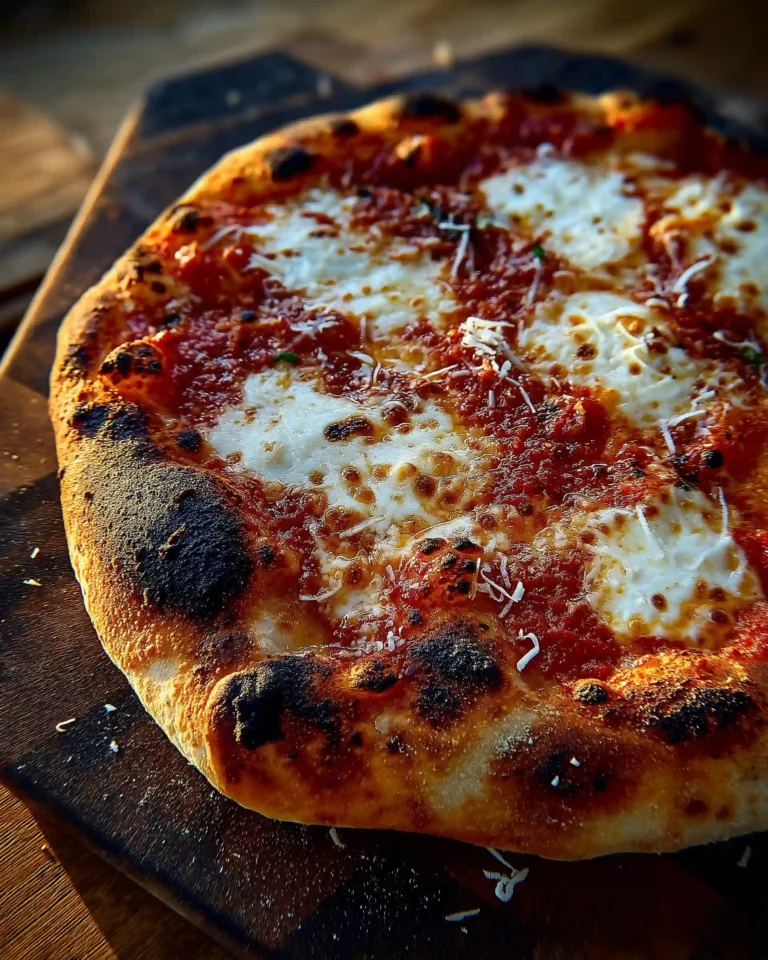
The Margherita pizza is a timeless favorite, and when paired with a sourdough crust, its simplicity shines even more. The light tang of the crust complements the richness of cheese and the brightness of tomato sauce. Here’s what you’ll need for each pizza:
- 2 tablespoons tomato sauce
- 1 to 2 oz mozzarella
- Less than 1 oz grated Parmigiano Reggiano
- A drizzle of olive oil
- A pinch of sea salt
You can add fresh basil at the end if available, but the beauty of this pizza is how well it stands on its own, even without herbs.
Assembling the Margherita
Once your dough round is shaped and resting on parchment paper, spread 2 tablespoons of tomato sauce evenly over the surface, leaving a slight border. Use the back of a spoon to gently swirl the sauce from center to edge.
Next, layer on the mozzarella, breaking it into small chunks for even melting. Sprinkle with grated Parmigiano Reggiano for that nutty, salty kick. Then, drizzle lightly with olive oil and finish with a pinch of sea salt.
These toppings are intentionally minimal, allowing the sourdough base to stand out as a key flavor contributor. There’s no need to complicate it—this combination celebrates high-quality ingredients and a well-fermented dough.
Baking and Serving
Slide the pizza, parchment and all, onto your preheated stone or steel. Bake for 5 to 6 minutes, or until the crust is blistered and golden and the cheese is bubbling with hints of browning.
Once done, transfer the pizza to a cutting board. If you have basil on hand, tear a few fresh leaves and scatter them over the hot pizza. The residual heat will slightly wilt the leaves, releasing their fragrance.
Slice and serve immediately. The crust should be crisp on the bottom, chewy in the center, and slightly tangy—a true mark of sourdough done right.
Kale and Crème Fraîche Pizza on Sourdough Crust
A Modern Take with Rich, Savory Greens
This sourdough pizza variation brings together earthy greens, creamy tang, and the signature chew of a well-fermented crust. The pairing of crème fraîche, kale, garlic, and Parmigiano Reggiano offers a gourmet yet approachable flavor profile that feels both rustic and elevated.
Here’s what you’ll need for each pizza:
- Olive oil (extra virgin)
- A couple handfuls of baby or Tuscan kale
- 1 to 2 garlic cloves, minced
- Sea salt (flaky or fine)
- 2 tablespoons crème fraîche
- ¼ to ⅓ cup grated Parmigiano Reggiano
This white pizza skips the tomato sauce and instead leans on crème fraîche for richness and a slight tang, which echoes the flavor of the sourdough crust itself.
Prepping the Greens
Start by placing your kale into a small bowl. Drizzle with olive oil, just enough to lightly coat the leaves. Add a pinch of sea salt and toss to coat. This step softens the kale slightly and allows it to roast more evenly during baking.
Mince your garlic finely so that it distributes well without burning in the oven’s intense heat.
Building the Pizza
On your shaped sourdough round resting on parchment paper, spoon crème fraîche over the surface, leaving about a ½-inch border. A tablespoon or two per pizza is perfect. Spread it lightly with the back of a spoon.
Sprinkle the minced garlic evenly over the crème fraîche. Then add a generous handful of Parmigiano Reggiano for a deep, salty foundation. Finally, layer on your oiled kale, spreading it loosely to allow it to crisp up.
The contrast of textures—from the creamy base to the crispy kale—is what makes this pizza so satisfying.
Bake and Finish
Slide the pizza into your preheated oven and bake for 5 to 6 minutes, or until the crust is browned, the crème fraîche is bubbling at the edges, and the kale begins to crisp and char just slightly.
Remove and slice while hot. This pizza is rich without being heavy, fresh without being raw. The kale delivers crunch, the garlic and cheese bring savoriness, and the crème fraîche ties it all together over that deeply flavorful sourdough base.
Naked Sourdough Pizza with Scallion Oil and Crème Fraîche
When Less Truly Is More
This stripped-down pizza lets the tangy, chewy sourdough crust take center stage, enhanced by a hot scallion oil, a touch of crème fraîche, and a sprinkle of Parmesan. It’s bold, it’s savory, and it’s all about flavor through simplicity.
For each pizza, here’s what you’ll need:
- ¼ cup olive oil
- ¼ cup minced scallions or ramps
- 1 teaspoon crushed red pepper flakes
- 1 to 2 tablespoons crème fraîche
- Handful of grated Parmigiano Reggiano
- Pinch of sea salt
This pizza skips traditional sauce and toppings, focusing instead on seasoning, aromatics, and the crisp, bubbly texture of a perfectly baked sourdough crust.
Make the Scallion Oil
In a small skillet, combine olive oil, minced scallions, and red pepper flakes. Cook gently over low heat while assembling your pizza. You’re not aiming to deep-fry the scallions—just to infuse the oil and lightly soften the scallions. The heat should be low and steady, letting the ingredients mingle.
Keep the oil on the stove during the bake so it’s hot and ready when the pizza comes out.
Assemble the Naked Pizza
With your sourdough dough stretched and placed on parchment paper, spread a light layer of crème fraîche across the top, leaving about a ½-inch border. Use 1 to 2 tablespoons to keep the balance just right.
Sprinkle a generous handful of grated Parmigiano Reggiano over the crème, allowing it to melt into the surface and add texture and umami.
This pizza heads into the oven with no greens, no sauce—just the dough, cream, and cheese.
Bake and Finish with Frizzled Scallion Oil
Slide the pizza into your blazing-hot oven and bake for 5 to 6 minutes. The crème fraîche will sizzle and bubble, and the cheese will begin to brown.
When it’s out of the oven, check the oil—your scallions should be just starting to frizzle around the edges. If not, turn up the heat briefly to bring it to a gentle sizzle.
Spoon a few tablespoons of the hot scallion oil over the pizza, allowing it to seep into the crust and over the toppings. A pinch of sea salt on top finishes it off.
This pizza is minimal but intense—each bite delivers bold seasoning, creamy richness, and the unmistakable tang and chew of a great sourdough crust.
Storing, Freezing, and Reheating Sourdough Pizza Dough
Cold Fermentation: Flavor on Pause
Once your dough is shaped into individual balls, storing them properly is key to maintaining flavor and texture. For the best results, place each ball into a plastic quart container with a lid and refrigerate for at least 6 hours and up to 3 full days. This cold fermentation process continues to build flavor slowly, while allowing the gluten to relax, making the dough easier to stretch later.
Over this time, the dough becomes more pliable and develops more tang—ideal for sourdough fans. Each passing day enhances the depth of flavor without sacrificing quality.
Freezing the Dough: Long-Term Flexibility
If you’re planning ahead, freezing is a great option. After shaping, place the dough balls into sealed containers or freezer bags and freeze for up to 1 week. This is perfect for prepping ahead for busy days or spontaneous pizza nights.
To thaw, remove from the freezer and place in the refrigerator for 24 hours. For a faster option, leave the dough at room temperature for 8 hours. Once thawed, allow it to rest at room temperature for about 1 hour before shaping and baking.
Reheating Tips for Leftover Pizza
While fresh sourdough pizza is best enjoyed hot from the oven, leftovers can still shine with the right reheating method. Avoid microwaving—it softens the crust and eliminates that signature crisp.
Instead, try one of these methods:
- Skillet Method: Place slices in a dry skillet over medium heat. Cover loosely with a lid to help melt any cheese. Heat until the crust crisps and the top is warm—about 4 to 5 minutes.
- Oven Method: Preheat your oven to 375°F. Place slices directly on the rack or a baking sheet and heat for 8 to 10 minutes. This revives the texture without drying it out.
Proper storage and reheating let you enjoy sourdough pizza with nearly the same quality as the day it was baked. The crust stays flavorful and the toppings keep their integrity when handled with care.
Conclusion
Making sourdough pizza crust at home is more than just a recipe—it’s a rewarding process that brings together flavor, texture, and time-honored technique. From building a strong, elastic dough with just flour, water, salt, and starter, to creating crisp, blistered pizzas topped with vibrant ingredients like kale, crème fraîche, scallions, or classic tomato and cheese, every step contributes to something truly memorable.
This crust offers a perfect balance of chewiness and crispness, elevated by the tang of natural fermentation. With proper fermentation, shaping, and baking, it transforms simple toppings into gourmet meals. And thanks to its flexibility—through refrigeration or freezing—it can fit into your schedule while still delivering artisan quality.