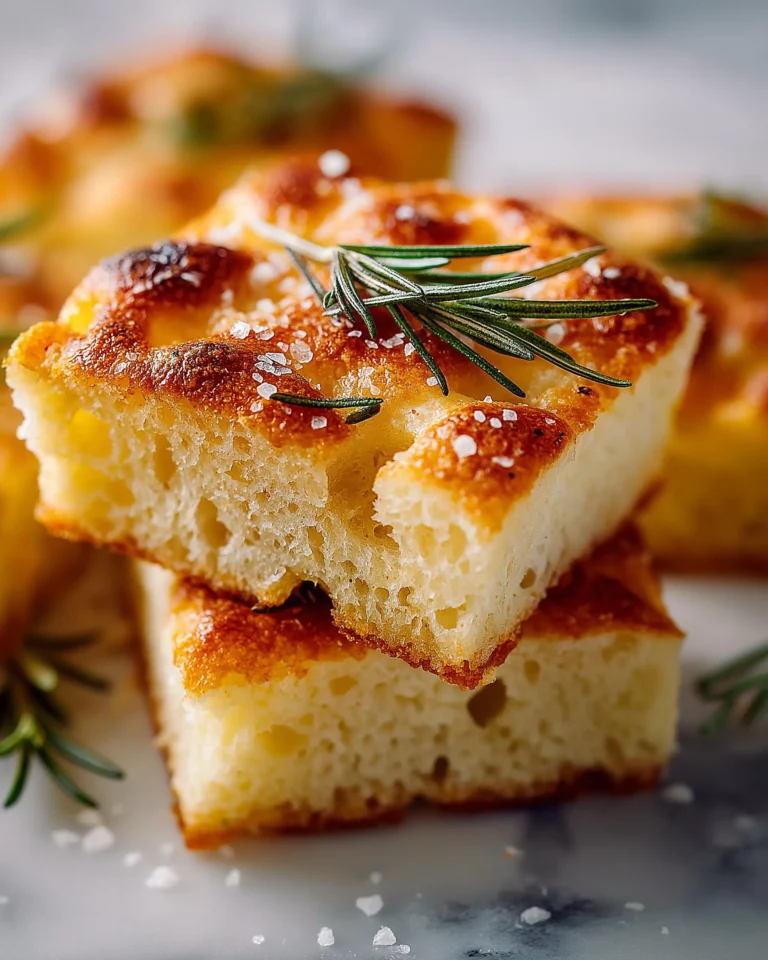
There’s something incredibly comforting about the warm aroma of fresh-baked focaccia. With its golden crust, soft airy interior, and that irresistible blend of roasted garlic and rosemary, this Roasted Garlic and Rosemary Focaccia Recipe is an absolute crowd-pleaser. Whether you’re a seasoned home baker or trying your hands at bread-making for the first time, this step-by-step guide will walk you through every detail to achieve bakery-style focaccia right in your own kitchen.
In this article, we’ll explore the essential ingredients and tools, go over the step-by-step instructions in detail, and provide helpful tips for handling dough like a pro. You’ll also learn how to customize this focaccia to your taste, master the proofing process, and store it for the best results. Plus, we’ve answered the most common questions about focaccia to make your baking experience smooth and satisfying.
Let’s jump into the delicious world of homemade focaccia, where roasted garlic meets earthy rosemary for a perfect, savory bite.
Getting Started with the Roasted Garlic and Rosemary Focaccia Recipe
Understanding the Key Ingredients
Before getting started, let’s take a moment to look at the foundational ingredients that make this focaccia so flavorful and textured. Each component plays a critical role in achieving that signature chew and deep, savory taste.
- Warm Water (1 1/3 cup, 105–110ºF): This helps activate the yeast. The temperature must be just right—not too cold and not too hot—to ensure the dough rises properly.
- Sugar (2 teaspoons): While not sweetening the bread, sugar provides the yeast with food, jumpstarting fermentation.
- Instant Yeast (1 packet or 2 1/4 teaspoons): Essential for leavening the dough, giving the focaccia its fluffy structure.
- Flour (3 3/4 cups, plus more): This is the base of the dough. You can use all-purpose flour, but a mix with bread flour (1 1/4 cups bread flour + 2 1/2 cups AP flour) improves texture.
- Kosher Salt (2 teaspoons): Enhances overall flavor and tightens the gluten network in the dough.
- Olive Oil (1/2 cup + extra): Adds richness, prevents sticking, and helps create that signature golden crust.
- Chopped Rosemary (1 tablespoon, plus more): Infuses the bread with earthy, aromatic flavor.
- Roasted Garlic (1/4 cup): Brings sweetness and depth, creating that unmistakable taste profile.
- Flaked Sea Salt (to taste): A finishing touch that adds crunch and enhances every bite.
Tools You’ll Need for Best Results
Having the right tools can make all the difference in your baking process. Here’s what you’ll want to have on hand:
- Stand Mixer with Dough Hook Attachment: This makes mixing and kneading the dough faster and more efficient. If you don’t have one, a hand mixer or manual kneading works too.
- Large Mixing Bowl: For letting the dough rise.
- Plastic Wrap: To cover the dough and trap heat during proofing.
- 9×13 Baking Dish: The perfect pan size to ensure even baking and a fluffy interior.
- Measuring Cups and Spoons: Accurate measurement is key for consistent results.
- Baking Rack: To cool the bread evenly after baking.
Getting your ingredients prepped and tools ready before you begin helps streamline the process and sets you up for baking success. In the next part, we’ll walk through the step-by-step process of bringing this dough to life, from bloom to bake.
Print
Roasted Garlic and Rosemary Focaccia Recipe
- Total Time: 1 hour 50 minutes
- Yield: 9–12 servings
- Diet: Vegan
Description
This roasted garlic and rosemary focaccia recipe delivers a fluffy, golden crusted bread full of savory flavor. Perfect for dipping, sharing, or pairing with hearty meals.
Ingredients
1 1/3 cup warm water (105–110ºF)
2 teaspoons sugar
1 (0.25 oz) packet instant yeast (2 1/4 teaspoons)
3 3/4 cups all-purpose flour (or 1 1/4 cup bread flour + 2 1/2 cups AP flour)
2 teaspoons kosher salt
1/2 cup olive oil, divided
1 tablespoon chopped fresh rosemary (plus more for topping)
1/4 cup roasted garlic, chopped
Flaked sea salt, for topping
Instructions
1. In a 2-cup measuring cup, combine warm water, sugar, and yeast. Stir and let bloom for 15 minutes until foamy.
2. In a stand mixer bowl, combine flour, salt, 1/4 cup olive oil, rosemary, and roasted garlic. Mix briefly.
3. Slowly add the bloomed yeast mixture with the mixer running on low. Increase to medium speed and knead for 4–5 minutes.
4. If the dough is sticky, add 1–2 tablespoons of flour. Form into a ball.
5. Transfer to a greased bowl, rub top with olive oil, and cover with plastic wrap. Let rise in a warm place for 1–1.5 hours until doubled.
6. Preheat oven to 400ºF. Grease a 9×13-inch baking dish with 2 tablespoons of olive oil.
7. Transfer dough to the pan and press it gently to fit the pan. Cover and let rest for 20 minutes.
8. Brush with remaining 2 tablespoons of olive oil. Dimple the dough deeply using your fingers.
9. Sprinkle with additional rosemary and flaked sea salt.
10. Bake for 20–25 minutes or until golden brown and fully baked.
11. Remove from oven, brush with olive oil again if desired, and cool slightly before slicing.
Notes
For better texture, use a mix of bread flour and all-purpose flour.
Proof dough in a dryer preheated for 5 minutes and turned off for consistent warmth.
Use spoon-and-level method to measure flour accurately.
Can be kneaded by hand for 12–14 minutes if no stand mixer is available.
Freeze leftovers for up to 3 months. Reheat at 375ºF for best texture.
- Prep Time: 1 hour 30 minutes
- Cook Time: 20 minutes
- Category: Bread
- Method: Baking
- Cuisine: Italian
Making the Dough – Mixing, Kneading, and First Rise
Blooming the Yeast for a Strong Start
The first step in building a flavorful and well-risen focaccia is activating your yeast properly. This process is simple but important. Begin by combining 1 1/3 cups of warm water (between 105ºF and 110ºF) with 2 teaspoons of sugar and 1 packet (2 1/4 teaspoons) of instant yeast in a 2-cup measuring cup.
Let this mixture rest for about 15 minutes. You’ll notice it starts to bubble and foam. That’s a good sign the yeast is alive and active, meaning your dough will rise beautifully later on.
If you don’t see foam, your yeast may be expired or the water temperature could have been off. In that case, start over to avoid flat bread.
Mixing the Dough with Flavorful Add-ins
While your yeast blooms, it’s time to prepare the dry ingredients. In the bowl of a stand mixer fitted with a dough hook, combine:
- 3 3/4 cups flour (or a blend of 1 1/4 cups bread flour + 2 1/2 cups all-purpose flour for better texture)
- 2 teaspoons kosher salt
- 1/4 cup olive oil
- 1 tablespoon chopped rosemary
- 1/4 cup roasted garlic, roughly chopped
With the mixer on low, give the ingredients a quick spin to combine them. Then, slowly pour in the bloomed yeast mixture while the mixer is still on low.
Increase the speed to medium and let the dough knead for 4–5 minutes. The dough should pull together into a ball, slightly sticky but elastic. If it feels too wet or loose, you can sprinkle in 1–2 tablespoons of extra flour, one at a time.
Kneading by Hand (If You’re Going Manual)
If you don’t have a stand mixer, don’t worry. Mix everything in a large bowl until a shaggy dough forms. Then transfer it to a lightly floured surface and knead for 12–14 minutes, until smooth and stretchy. This method works well and adds a more rustic texture to your focaccia.
The First Proof – Letting the Dough Rise
Once your dough is ready, shape it into a loose ball and transfer it to a greased large bowl. Rub a dime-sized amount of olive oil on top of the dough. Cover it loosely with plastic wrap to retain moisture.
Place the bowl in a warm, draft-free location for 1 to 1 1/2 hours, or until the dough has nearly doubled in size.
One creative and effective proofing method is using your dryer. Simply run the dryer on high heat for 4–5 minutes, turn it off, and place the covered bowl inside. Close the door and leave it undisturbed. It’s the perfect warm, humid environment to help the dough rise.
Signs Your Dough is Ready
You’ll know the dough is ready when:
- It looks about twice as big as when you started
- Pressing a finger gently into the dough leaves an impression that slowly springs back
- It feels soft, pillowy, and elastic
At this stage, you’re halfway to delicious, golden-brown focaccia. The dough has developed gluten, absorbed all those savory flavors, and is ready to be shaped and baked.
Shaping and Prepping the Dough for Baking
Preparing the Pan for Perfect Texture
Now that your dough has doubled in size and is full of air and flavor, it’s time to shape it and get it ready for the oven. Start by positioning a rack in the center of your oven and preheating it to 400ºF. This ensures even heat distribution for that golden crust.
Grab a 9×13 baking dish and grease the bottom generously using 2 tablespoons of olive oil. Don’t skip this step—oil not only prevents sticking, but it also helps create that signature crispy bottom that makes focaccia irresistible.
A heavy-duty metal or ceramic pan works best here, as it conducts heat evenly and gives your focaccia a rich, golden base. If you’re using glass, reduce the heat slightly and keep an eye on the baking time.
Transferring and Shaping the Dough
After greasing the dish, remove the plastic wrap from your proofed dough. Gently dump the dough into the prepared pan. You don’t need to punch it down—those bubbles inside are what give focaccia its airy crumb.
Using clean fingers, press and stretch the dough out to fit the shape of the pan. Work from the center outward. It may resist a little at first, so let it rest for a few minutes if needed, then stretch again until it reaches the edges.
Be gentle during this step to avoid deflating too much of the built-in air. This will help your focaccia rise again during baking and stay fluffy.
Second Proof for Added Lift
Once the dough is spread into the pan, cover it lightly again with the same piece of plastic wrap and let it rest at room temperature for another 20 minutes.
This short second proof allows the dough to relax, puff up a little more, and absorb even more flavor. Meanwhile, the oven finishes heating and your kitchen fills with anticipation.
This 20-minute pause gives the gluten network a final chance to loosen, ensuring a light interior and chewy crust. When time’s up, it’s time for the final touches before the bake.
Creating That Signature Focaccia Look
After the second rise, remove the plastic wrap and grab the remaining 2 tablespoons of olive oil. Brush it generously over the top of the dough.
Now comes the fun part—dimpling the dough. Using all ten fingertips, press down firmly into the dough to create deep indentations across the surface. Press all the way to the bottom of the pan without tearing through the dough.
These dimples are more than decorative. They hold little pockets of oil and seasoning, and they give focaccia that unique rustic texture on top.
Seasoning and Flavor Boost
Before it goes into the oven, sprinkle the surface with:
- More chopped rosemary, if you love its earthy flavor
- A generous pinch of flaked sea salt for that crackly, salty finish
This is also a great time to add any extras like thinly sliced red onions or halved cherry tomatoes, but the classic combo of garlic, rosemary, and sea salt needs no help.
Baking, Cooling, and Slicing Your Focaccia to Perfection
Into the Oven – Baking at the Right Temperature
With your focaccia dough beautifully dimpled and seasoned, it’s finally time to bake. Carefully slide the pan into your preheated 400ºF oven, placing it on the center rack.
Bake the focaccia for 20 to 25 minutes, keeping a close eye on it starting at the 18-minute mark. You’re looking for a golden brown top, slightly crisp edges, and a springy surface when lightly pressed.
Resist the urge to open the oven too early or too often. Sudden changes in temperature can affect the final rise. Let the heat work its magic until you see that rich, golden crust forming.
If the top browns too quickly while the center still feels undercooked, lightly tent the focaccia with foil for the last 5 minutes of baking.
How to Tell It’s Fully Baked
To check for doneness:
- The crust should be deep golden, especially around the edges.
- The top should feel firm but bouncy to the touch.
- The underside should have a nice golden base, not pale or soggy.
- If using a thermometer, the internal temperature should be around 200ºF.
When these signs align, remove the pan from the oven. The focaccia should smell warm, herby, and buttery from the roasted garlic and rosemary.
Rest and Cool for Best Texture
As tempting as it is to slice right in, let your focaccia cool in the pan for 5 to 10 minutes. This resting time allows the interior to finish setting up, so you get a clean, soft crumb instead of tearing the bread apart.
While it rests, you can give it one final touch—a quick drizzle or brush of olive oil across the warm top. This not only adds shine but also deepens that savory richness.
If you want an extra crisp bottom, remove the focaccia from the pan after cooling slightly and let it finish cooling on a wire rack. The airflow helps maintain that satisfying texture.
Slicing and Serving Like a Pro
Once slightly cooled, grab a sharp serrated knife or pizza cutter. Cut the focaccia into squares or rectangles, depending on how many servings you want. You can get 9 to 12 pieces from a 9×13 pan.
Each slice should have a soft, tender interior with hints of roasted garlic and rosemary in every bite, and a golden, chewy crust on the outside.
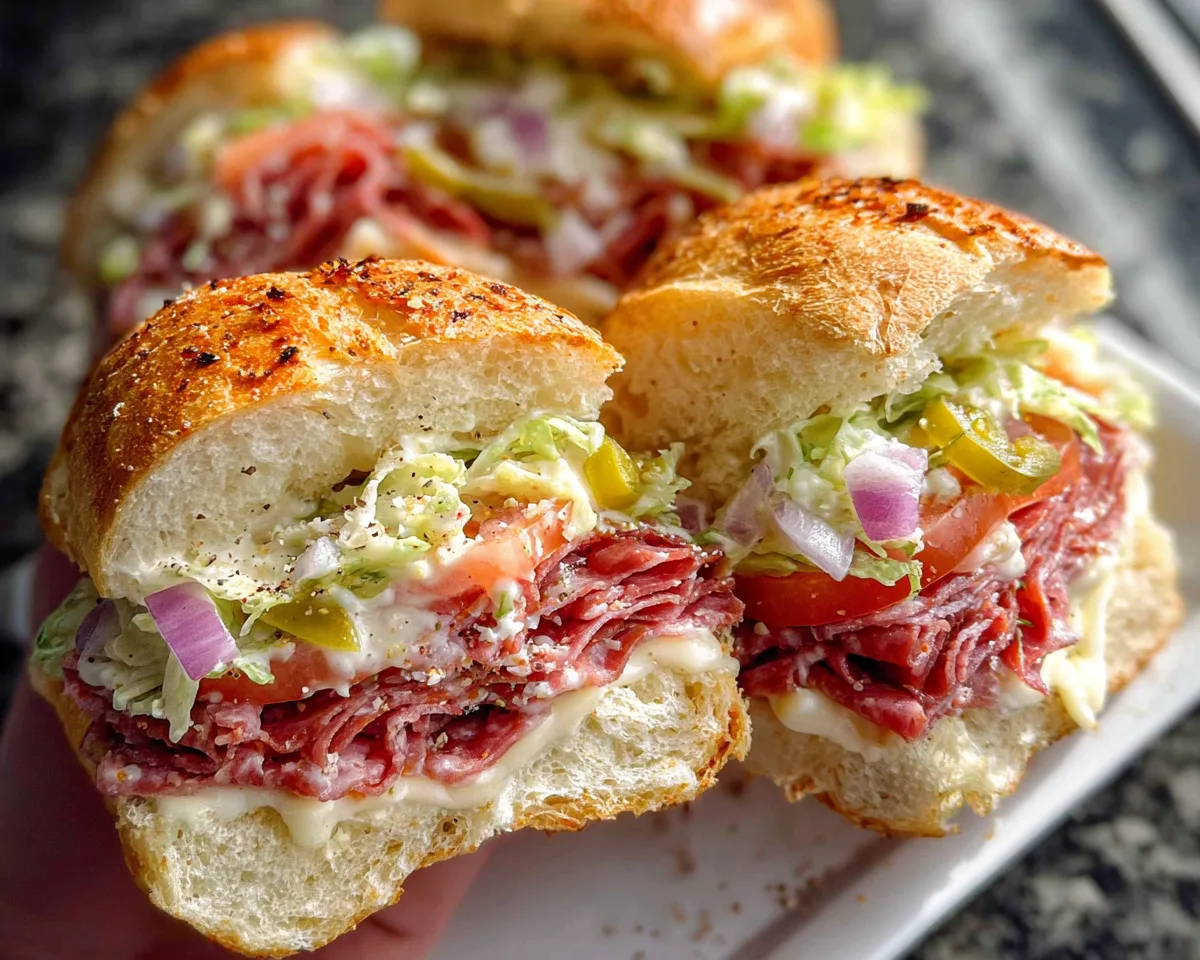
Focaccia is best served warm or at room temperature. It pairs perfectly with soups, salads, or on its own as a snack or appetizer. You can even split it open and use it as sandwich bread.
Storing, Reheating, and Making the Most of Leftover Focaccia
Proper Storage to Keep It Fresh
Focaccia is at its absolute best the day it’s baked—warm, tender, and full of aroma. But if you’ve got leftovers, don’t worry. Storing it correctly ensures that you can still enjoy it over the next few days.
Let the focaccia cool completely before storing to prevent moisture from getting trapped inside. Wrap individual slices or the entire slab tightly in plastic wrap or store them in an airtight container. This keeps the bread soft and flavorful.
- At room temperature, focaccia will stay fresh for up to 2 days.
- For longer storage, refrigerate it for up to 5 days, but note that the fridge can slightly dry it out over time.
Avoid storing focaccia uncovered, as exposure to air will cause it to harden and lose its texture quickly.
Freezing for Longer Shelf Life
If you want to save focaccia for more than a few days, freezing is a great option. Wrap individual pieces tightly in plastic wrap, then in foil, and place them in a freezer-safe bag. This double layer helps prevent freezer burn and keeps the flavor intact.
When frozen properly, focaccia can last up to 3 months. Label your container with the date to keep track.
Reheating Tips for Best Texture
To bring leftover focaccia back to life, reheating is key. Here’s how to do it right:
- Oven (recommended): Preheat to 375ºF, place focaccia directly on the rack or a baking sheet, and heat for 8–10 minutes. This method restores the crispiness of the crust while warming the interior evenly.
- Skillet method: Heat a dry skillet over medium-low. Place a slice of focaccia in the pan, cover with a lid, and heat for 2–3 minutes per side. It brings back that chewy-crisp texture without drying it out.
- Avoid microwaving, as it tends to make the bread rubbery or soggy, especially once cooled again.
Adding a light brush of olive oil before reheating can enhance flavor and moisture, giving it a just-baked feel.
Creative Ways to Use Leftover Focaccia
Leftover focaccia doesn’t have to mean boring leftovers. Here are a few easy and delicious ideas to repurpose your roasted garlic and rosemary focaccia:
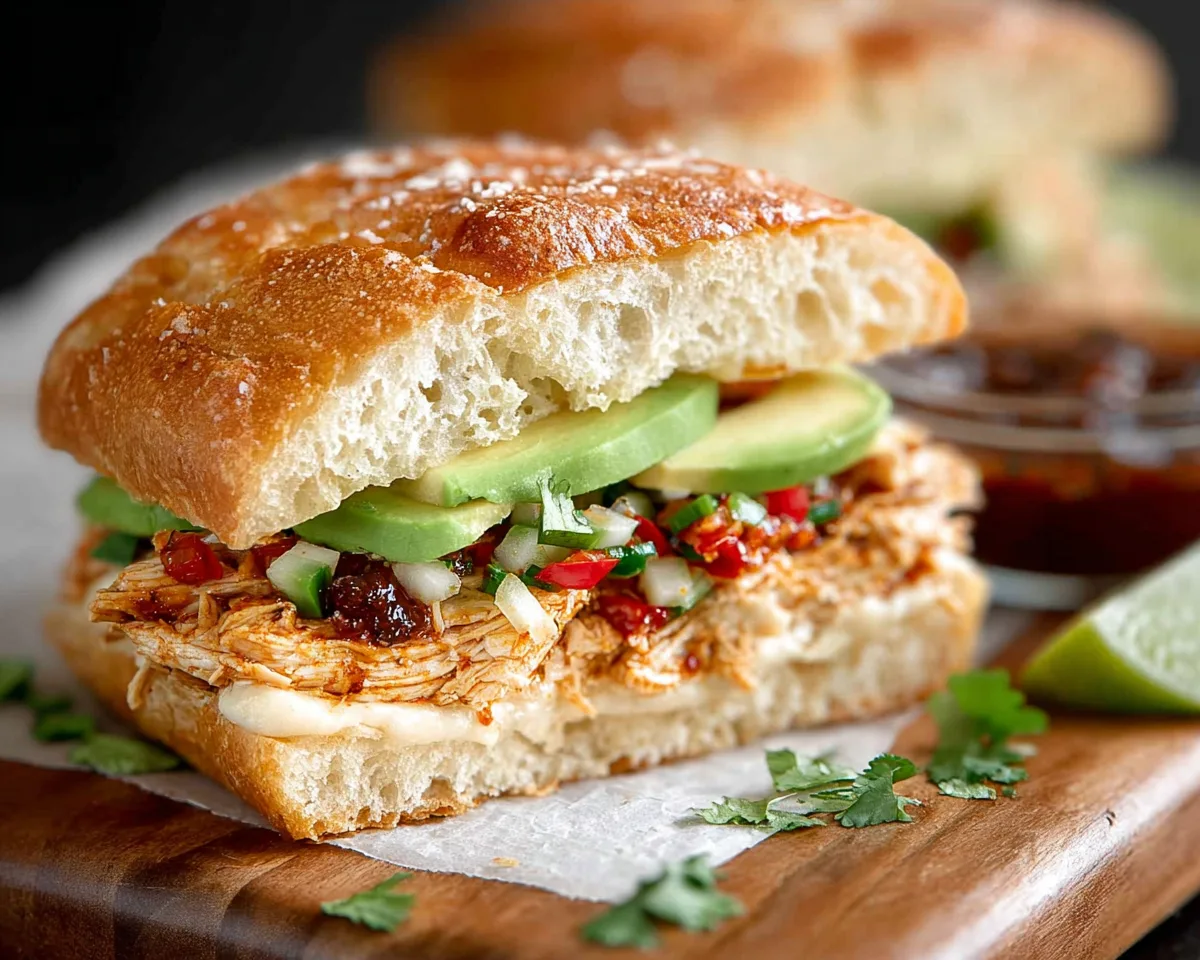
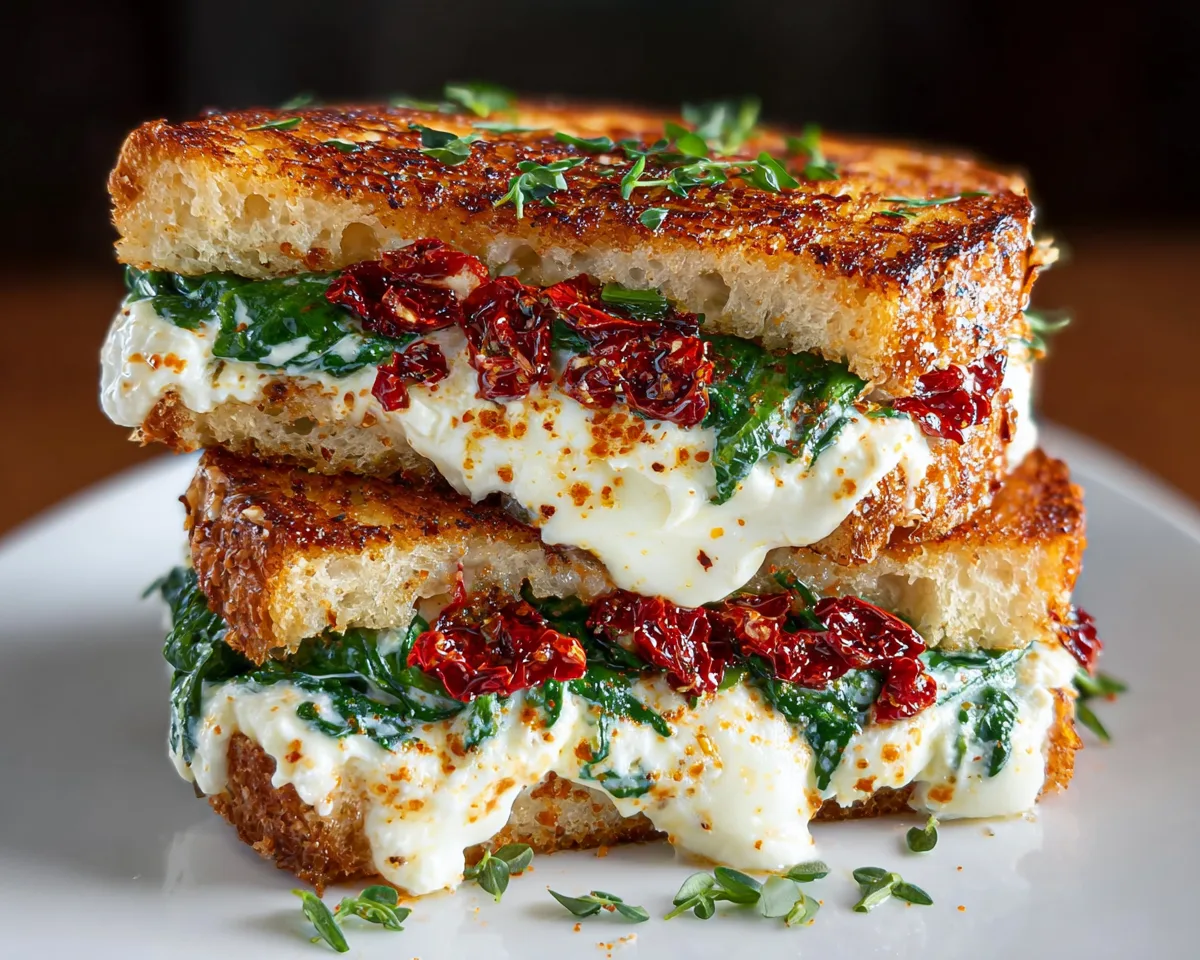
- Grilled Sandwiches: Split a slice and fill it with grilled veggies or cheese for a hearty panini-style sandwich.
- Croutons: Cube and toast in the oven with olive oil for homemade herbed croutons—great in salads and soups.
- Focaccia Pizza: Top leftover slices with sauce and shredded cheese, then bake at 400ºF until melted and bubbly.
- Focaccia Panzanella: Tear it into chunks and toss with fresh tomatoes, cucumbers, and vinaigrette for a rustic Italian bread salad.
With its savory richness, this focaccia lends itself to creative and flavorful twists. It’s more than just a side—it’s the kind of bread you build a meal around.
Customizing Your Roasted Garlic and Rosemary Focaccia Recipe
Flavor Variations to Try at Home
Once you’ve mastered the basic roasted garlic and rosemary focaccia, you can have fun with flavor upgrades and custom toppings. The beauty of this bread is its versatility. Here are a few ideas to inspire your next bake:
- Herb Infusions: Swap or add herbs like thyme, oregano, or sage for a deeper, earthy profile. Fresh or dried herbs both work, though fresh gives a brighter taste.
- Caramelized Onions: Add a layer of thinly sliced, sautéed onions to the top before baking for sweetness and complexity.
- Sun-Dried Tomatoes: Chop and sprinkle these over the dough for a tangy contrast to the garlic.
- Roasted Peppers or Olives: These toppings add color and briny flavor that pairs well with the rosemary base.
- Cheese Toppings: Sprinkle a little shredded mozzarella or parmesan during the last few minutes of baking for a cheesy crust. Just avoid adding too much before baking to prevent soggy spots.
No matter what you choose, always maintain a balance. Too many wet toppings can weigh down the dough and interrupt the rise, so keep it light and evenly distributed.
Making It Vegan or Gluten-Free
This focaccia recipe is naturally vegan, as it contains no dairy or eggs. The richness and flavor come entirely from the olive oil, garlic, and herbs.
If you’re looking to make a gluten-free version, it does get a little trickier. Gluten is essential to the bread’s structure, but there are some alternatives:
- Use a high-quality gluten-free all-purpose blend that includes xanthan gum or guar gum for elasticity.
- Expect a different texture—slightly denser and more cake-like—but still delicious when seasoned well.
- Be gentle with gluten-free dough. It doesn’t require traditional kneading but still needs time to hydrate and rise.
Adjust baking time slightly if using different flours, as the moisture retention will vary.
Adjusting Texture to Your Preference
Some people prefer soft, pillowy focaccia, while others like a crispier, chewier bite. Here’s how to fine-tune your texture:
- For softer bread: Let the dough rest longer in the second proof and bake on a lower rack to prevent over-crisping.
- For a crispier crust: Use a metal baking dish, add a little extra olive oil to the bottom, and extend the baking time by 2–3 minutes.
Also, using a bit more bread flour in your mix will give the focaccia more chew. More olive oil on the surface helps it develop that lightly crunchy top you’ll love.
Tips for Perfect Results Every Time
To consistently turn out bakery-level focaccia, keep these final tips in mind:
- Measure flour correctly. Always use the spoon-and-level method to avoid using too much flour, which can dry out the dough.
- Don’t skip the dimples. This isn’t just for looks—it allows oil and flavor to settle in every bite.
- Use high-quality olive oil. It’s a core ingredient, and the flavor comes through in the final result.
- Watch your rise times. Over-proofed dough collapses, while under-proofed won’t rise properly. Look for dough that has doubled in size and springs back gently.
Conclusion
Baking your own Roasted Garlic and Rosemary Focaccia at home is more than just making bread—it’s creating something warm, satisfying, and full of flavor from simple, honest ingredients. From the fragrant aroma of rosemary to the sweet depth of roasted garlic and that golden olive oil–crusted base, every bite of this focaccia is a celebration of comfort and craft.
Whether you’re a beginner experimenting for the first time or a seasoned baker perfecting your technique, this recipe gives you the tools to succeed. With its flexible ingredients, custom options, and helpful prep and storage tips, you can enjoy fresh, bakery-style focaccia whenever you want.
So grab your flour, fire up your oven, and fill your kitchen with the irresistible smell of homemade bread. Because once you’ve tasted this golden, garlic-scented loaf, store-bought will never compare.