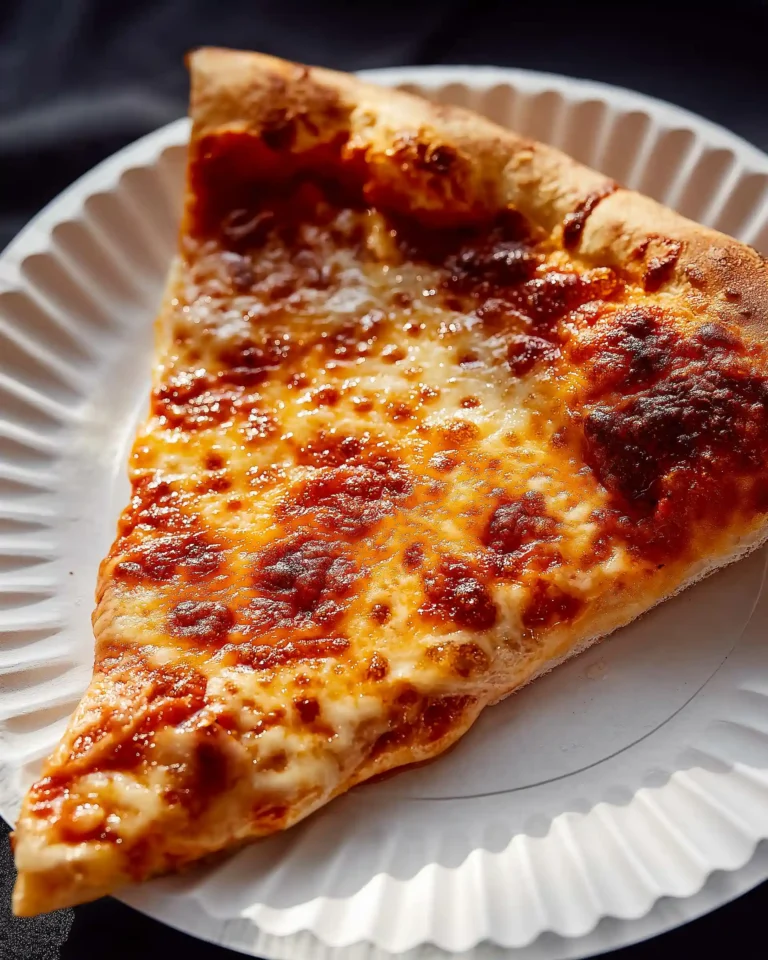
Nothing beats the crispy, chewy crust and the rich cheesy melt of a true New York-style pizza. It’s a style known for its thin, wide slices that are foldable yet firm enough to hold hearty toppings. This guide will walk you through creating an authentic New York-style pizza from scratch — starting with the cold fermented dough to the final bake on a blazing-hot pizza steel. Whether you’re a seasoned home cook or new to pizza-making, you’ll learn every detail required to get that perfect pizzeria-quality pie in your own kitchen.
In this comprehensive article, we’ll cover everything from dough science to stretching technique, oven prep, cheese and sauce choices, and reheating leftovers. By the end, you’ll be fully equipped to make your own 15-16 inch New York rounds with crisp edges, beautifully blistered crusts, and a balanced tomato-cheese flavor. Let’s get started.
Understanding the Foundations of New York-Style Pizza Dough
The Signature Traits of a New York Pizza Dough
At the heart of every good New York-style pizza is a well-structured dough. The secret lies in its balanced hydration, long fermentation, and a precise blend of ingredients that deliver a crisp yet pliable base. New York pizza dough isn’t just about flour and water. It requires the right amount of yeast, salt, sugar, and oil — each with a functional role in texture, flavor, and browning.
Key Ingredients Breakdown and Measurements
To achieve true pizzeria-style quality at home, attention to ratios is critical. Here’s what goes into the dough:
- 813 grams bread flour (about 6 ½ cups) – This high-protein flour builds strength and chewiness.
- 521 grams cold water (2 ¼ cups) – Cold water slows yeast activity for a better fermentation.
- 3 grams instant yeast (1 tsp) – Activates fermentation while keeping the dough light.
- 16 grams fine sea salt (2 ¾ tsp) – Balances flavor and controls yeast activity.
- 9.5 grams sugar (2 ¼ tsp) – Aids in browning and adds depth of flavor.
- 27 grams olive oil (2 tbsp) – Gives elasticity and contributes to the iconic NY crust feel.
Together, these form a dough with 64% hydration, 0.4% yeast, 2% salt, 1.2% sugar, and 3.4% oil based on baker’s percentage. This exact composition gives you the firm yet slightly stretchy bite New York slices are famous for.
The Cold Fermentation Advantage
Unlike quick-rise doughs, New York-style pizza relies on cold fermentation. After mixing and kneading, the dough rests in the refrigerator for at least 24 hours. This slow fermentation enhances flavor development and gives the crust a better texture — slightly crisp outside, soft inside, and full of subtle tang.
Cold fermentation also allows for flexibility in your pizza schedule. The dough can be held in the fridge for up to 3 days or frozen for up to 3 months, making it ideal for make-ahead planning.
Kneading and Balling the Dough Like a Pro
After combining your ingredients, the dough needs to be kneaded for about 5 minutes. If it’s too sticky, let it rest for 30 minutes to absorb the flour, then knead again. The real secret to a well-formed crust lies in the balling process. You’ll want to pull the dough towards itself repeatedly to form a tight, smooth ball, pinching the seam at the bottom. This tight shaping helps the dough hold its structure during the stretch and bake.
Each dough ball should weigh about 345 grams (12 ounces) to yield a 15-16 inch round. Once balled, place them in an oiled container, cover with plastic wrap, and refrigerate. This step is key for locking in that chewy crust and deep, nutty flavor.
Print
New York-Style Pizza Recipe
- Total Time: 1 day 1 hour 21 minutes
- Yield: 4 pizzas
Description
An authentic New York-style pizza recipe with a chewy, crispy crust, crushed tomato sauce, and the perfect cheese blend. Designed for home ovens with step-by-step instructions for dough prep, stretching, and baking.
Ingredients
For the Dough (makes 4 dough balls):
813 grams bread flour (6 1/2 cups)
521 grams cold water (2 1/4 cups)
3 grams instant yeast (1 teaspoon)
16 grams fine sea salt (2 3/4 teaspoons)
9.5 grams sugar (2 1/4 teaspoons)
27 grams olive oil (2 tablespoons)
For One Pizza (15-16 inch round):
1 dough ball (345 grams)
10–12 oz whole milk low-moisture mozzarella, shredded
9–10 oz crushed tomatoes
1 tbsp semolina flour (for peel)
1/2 tsp dried oregano
2 tbsp Pecorino Romano cheese
1/2 tsp Kosher salt
Instructions
1. Place cold water in a large bowl. In another bowl, mix dry ingredients.
2. Gradually add dry mix to water, stir until a dry rough mass forms.
3. Add olive oil and mix. Transfer to a work surface and knead 5 minutes.
4. Cover with a bowl and let rest 30 minutes if sticky, then knead again.
5. Let dough rest under the bowl for 30–40 minutes to warm.
6. Divide into four 345g dough balls. Shape tightly and place in an oiled container.
7. Cover with plastic wrap and refrigerate for 24 hours minimum.
8. Two hours before baking, remove dough and let it come to room temp.
9. Preheat oven to max heat with pizza steel on the 2nd highest rack for 45 minutes.
10. Dust a wooden peel with semolina flour and a surface with regular flour.
11. Flip dough into flour, place sticky side up on floured surface.
12. Stretch dough gently by pressing and rotating until 15–16 inches.
13. Place on peel, adjust shape, and ensure it slides freely.
14. Mix salt into crushed tomatoes and spread on dough.
15. Add shredded mozzarella, keeping rim clean.
16. Sprinkle with oregano and Pecorino Romano.
17. Check pizza steel is 590°F+, then launch pizza into oven.
18. After 3 minutes, rotate using metal peel. Bake for 6–7 minutes total.
19. Remove, rest 1 minute, slice into 8 pieces, and enjoy.
Notes
Dough can be frozen after 24-hour cold ferment, tightly wrapped, for up to 3 months.
Use a pizza steel for best results. If using a stone, add 3–4 minutes to bake time.
Store leftovers in the fridge up to 3 days or freezer up to 3 months.
To reheat, use oven at 350°F or skillet on medium heat until hot.
Balling the dough tightly is key for crust structure.
Don’t deflate the rim when shaping the dough.
- Prep Time: 1 hour 15 minutes
- Cook Time: 6 minutes
- Method: Baking
- Cuisine: Italian
Tools, Oven Setup, and Prepping Your Pizza Steel
Essential Equipment for Authentic New York-Style Pizza at Home
To recreate the iconic crust and melt of a New York slice, your kitchen setup matters as much as your ingredients. While you don’t need a commercial oven, the right tools can make or break your results. Here’s what you’ll need:
- Pizza Steel – This is non-negotiable if you want a pizzeria-quality base. A steel heats up faster and retains more heat than a stone, producing that signature crisp bottom in a home oven.
- Wooden Pizza Peel – Ideal for launching your pizza into the oven. It should be lightly dusted with semolina to prevent sticking.
- Metal Pizza Peel – Used for turning and removing the pizza from the oven.
- Digital Infrared Thermometer – Ensures your pizza steel reaches the proper temperature (at least 590°F) before baking.
- Mixing Bowls and Dough Containers – You’ll need at least one large mixing bowl and four containers for proofing your dough balls.
- Kitchen Scale – Precision is critical in dough making, and weight-based measurements offer more reliability than cups.
- Bench Scraper or Dough Cutter – Makes dividing and shaping the dough easier.
If you’re using a KitchenAid mixer, you can adapt the process to save time during mixing. Use the dough hook attachment and set it to speed 1 while gradually combining ingredients. Knead for 4 minutes, then finish the balling process by hand.
Preheating the Oven: Temperature and Rack Placement
For the best results, your oven needs to mimic the conditions of a high-temperature pizza oven. Start by placing the pizza steel on the second highest rack in your oven. This position helps balance top and bottom heat for even cooking.
Preheat the oven to its maximum temperature — typically around 500–550°F — for at least 45 minutes before baking. This long preheat time allows the steel to become fully saturated with heat. If you skip this, you’ll likely end up with a pale, undercooked crust.
An infrared thermometer is your best friend during this phase. Aim for a surface temperature on the steel of at least 590°F before launching your pizza. This guarantees a crispy base and proper oven spring.
Preparing the Peel and Dough for a Smooth Launch
One of the most frustrating parts of pizza-making is getting the dough onto the steel without it sticking or tearing. To avoid disaster:
- Dust your wooden peel with semolina flour. Semolina acts like ball bearings, letting the dough slide off easily.
- On your work surface, use regular all-purpose flour to prevent the dough from sticking during shaping.
- After transferring the dough onto the peel, give it a gentle shake. The dough should slide freely. If it doesn’t, lift up the sticky part and dust a bit more semolina underneath.
These steps are crucial. If the dough sticks during the launch, it could tear or bunch up, ruining the pizza’s structure and toppings.
Why Pizza Steel Outperforms Pizza Stone
You might wonder whether you can use a pizza stone instead. While possible, the results won’t be as good. A pizza steel conducts heat far more efficiently, giving your crust a beautifully browned bottom while maintaining a soft, airy interior. If you’re using a stone, increase the cooking time by 3 to 4 minutes, but understand the base may not crisp as evenly.
With your tools ready and oven preheated, you’re set for the fun part — shaping, topping, and baking your New York-style pizza. In the next section, we’ll explore exactly how to stretch the dough, apply toppings without weighing it down, and bake it to golden perfection.
Shaping the Dough and Assembling the Pizza
Bringing Dough to Room Temperature
Before shaping, it’s essential to let the cold-fermented dough rest at room temperature for at least 2 hours. Cold dough is tight and difficult to stretch, which can lead to tearing or shrinking. Letting it relax ensures a smoother process and better crust development in the oven.
Remove the dough balls gently from the refrigerator. Keep them covered to avoid drying out. Ideally, place them in lightly oiled proofing containers to warm up gradually while maintaining moisture and shape.
Dusting and Prepping the Surface
Dust a large work surface with regular flour. Don’t forget to also prepare your wooden pizza peel with semolina flour — this keeps the dough from sticking when it’s time to launch into the oven.
Now comes a critical moment: flipping the dough. Turn the dough ball out into a container of flour, flip it once to coat both sides, then place it sticky-side up on your work surface. The sticky side (which was facing down during cold fermenting) allows for easier stretching and a more even base.
Opening the Dough Without Degassing
To retain the airy rim or cornicione, avoid touching the outer edge while pressing out the center. Use your fingertips to gently press the dough out from the middle, working outward in a circular motion. Rotate the dough frequently and stretch it gently with your palms to maintain uniform thickness.
Once it’s roughly 12 inches across, lift the dough onto your knuckles and stretch it further to about 15 to 16 inches, rotating slowly as you go. Be patient and avoid any sudden pulls — you’re coaxing the dough into shape, not forcing it.
After shaping, place the dough onto the semolina-dusted wooden peel. Gently adjust the round without flattening the rim. Give the peel a small shake — if the pizza slides easily, you’re ready to assemble.
Preparing the Sauce: Less is More
Authentic New York-style pizza isn’t drenched in sauce. Instead, it uses a light, flavorful layer that lets the dough and cheese shine.
Start by mixing Kosher salt (½ teaspoon) into 9 to 10 ounces of crushed tomatoes. No need to cook or add extra seasoning — the simplicity lets the tomato flavor come through clean and fresh.
Spread the tomato mixture gently onto the dough, leaving about an inch around the edges. Use the back of a spoon to swirl it evenly without pressing into the dough.
Cheese Matters: Choosing and Applying
New York-style pizza uses whole milk, low-moisture mozzarella, shredded for better melt and coverage. You’ll want about 10 to 12 ounces per pie, scattered generously across the sauced dough. Avoid clumping the cheese into one area, and keep the outer rim clean to allow proper crust puffing.
For added flavor and texture, sprinkle 2 tablespoons of Pecorino Romano and a light dash of dried oregano (½ teaspoon) over the mozzarella. This blend adds saltiness and a subtle earthy note that enhances the overall flavor.
The Final Slide: Testing and Launching
Before launching the pizza, double-check that it slides easily on the peel. If it sticks, gently lift and sprinkle more semolina underneath the trouble spot. Shake again to ensure mobility.
Use an infrared thermometer to check that your pizza steel is at least 590°F. Once it’s ready, launch the pizza smoothly onto the steel in one quick motion.
Don’t open the oven for the first 3 minutes. Then, using a metal peel, rotate the pizza for even cooking. Total bake time should be around 6 to 7 minutes, depending on your oven’s max temperature.
You’ll know it’s ready when the crust is golden and slightly blistered, the cheese is bubbling, and the underside is evenly browned.
Once out of the oven, let the pizza rest for about a minute before slicing. This keeps the cheese from sliding and gives you those perfect, gooey yet structured slices.
Perfecting the Bake and Troubleshooting Common Issues
Timing the Bake Just Right
Baking a New York-style pizza isn’t just about putting it in a hot oven — it’s about timing, rotation, and observation. The total bake time on a properly preheated pizza steel should be around 6 to 7 minutes at temperatures close to 590°F or higher. The first 3 minutes should go undisturbed to allow the base to set. After that, rotate the pizza using a metal peel to ensure even browning on all sides.
The edges should be puffed and golden, with some blistering but not burning. The bottom should be crispy and charred in spots, with no raw or soggy patches. The cheese should be fully melted and lightly browned without overcooking.
If your pizza stone or steel is not hot enough, you may need to extend the bake time, but avoid baking beyond 8 minutes as the crust can become too dry and brittle.
Recognizing Visual and Textural Cues
Instead of relying solely on the clock, watch for these visual indicators:
- Cheese bubbling and lightly golden in spots
- Crust puffing up at the edges and browning evenly
- Bottom of the crust slightly charred but not blackened
- Aromatic signals, like the smell of toasted flour and bubbling cheese
Once the pizza hits that point, remove it promptly using your metal peel and let it rest briefly before slicing.
Slicing and Serving Your Pizza
Use a pizza wheel to slice your pie into 8 even slices. For the authentic experience, slice it while it’s still hot but not immediately out of the oven. Letting it sit for one minute allows the cheese to set just enough, preventing slippage and giving you that clean New York fold.
Serve the slices on parchment-lined pizza boards or plates, and if storing leftovers, wait for the pizza to cool to room temperature before refrigerating.
Common Baking Mistakes and How to Fix Them
Even experienced home pizza makers run into problems. Here are common issues and solutions:
| Problem | Cause | Fix |
|---|---|---|
| Dough sticks to the peel | Not enough semolina flour | Always test before launching, and use extra semolina under sticky spots |
| Crust is pale and soft | Oven or steel not hot enough | Preheat steel for 45 minutes and check with infrared thermometer |
| Burnt bottom but pale top | Rack position too low | Move steel to higher rack and monitor closely |
| Cheese overbrowned or rubbery | Too long in oven or wrong cheese | Use whole milk low-moisture mozzarella and monitor cooking time |
| Uneven shape | Dough not rested enough or stretched improperly | Allow proper resting time and stretch gently with fingers or knuckles |
Cooking with Pizza Stone (If No Steel)
If you’re using a pizza stone, you can still get solid results, but it will take 3 to 4 minutes longer to cook. Be sure to preheat the stone just as long as a steel and place it in the same rack position. The main downside is slightly less crisping power and a slower transfer of heat to the base, but rotating the pizza can help distribute heat more evenly.
For best results with a stone, stick to thinner sauce layers and ensure your dough is stretched evenly to avoid soft centers.
Understanding the “Thickness Factor”
The thickness factor (TF) is used to determine the dough weight needed for a given pizza size. For a 15-16 inch New York-style pizza, the ideal TF falls between 0.08 and 0.061. This ensures the base is thin enough to crisp, yet strong enough to hold cheese and sauce without becoming soggy.
Each 345-gram dough ball from this recipe is perfectly portioned for a 15–16 inch round, giving the crust just enough body and flexibility for the classic New York fold.
Storing, Freezing, and Reheating New York-Style Pizza
How to Store Leftover Pizza Properly
A well-made New York-style pizza is so good, leftovers are rare — but if you do have them, storage matters. Poor storage can lead to soggy crusts or hardened cheese, making reheating a struggle.
To store slices short-term, place them in an airtight container or wrap them in parchment paper followed by plastic wrap. Then, refrigerate for up to 3 days. Avoid stacking slices directly on top of one another — place a sheet of parchment between each layer to preserve the crust and toppings.
Freezing Dough for Future Pizza Nights
Making four dough balls in advance gives you the freedom to cook whenever the craving strikes. After the dough has cold-fermented for at least 24 hours, you can freeze it for up to 3 months.
Here’s how:
- After the cold ferment, tightly wrap each dough ball in plastic wrap.
- Place wrapped dough in a freezer-safe bag or container.
- Label each with the date.
When you’re ready to use it, remove from the freezer and place in the fridge overnight. Then, bring it to room temperature for at least 2 hours before shaping. This method preserves the fermentation benefits while giving you convenience and flexibility.
Reheating Pizza the Right Way
The key to reheating is bringing back the crispy crust without drying out the cheese. Here are your best options:
Oven Method
Preheat your oven to 350°F. Place slices directly on a rack or pizza screen, and heat for about 8–10 minutes. This method revives both the crust’s crunch and the meltiness of the cheese.
Skillet Method
Heat a non-stick skillet on medium heat, place the slice in the pan, and cover with a lid. In 5–6 minutes, you’ll have a crispy bottom and evenly melted top.
Avoid microwaving if possible, as it leads to chewy crust and rubbery cheese — a far cry from the fresh-out-of-the-oven slice you want to recreate.
Preserving Quality After Reheating
To keep reheated slices from drying out, avoid overcooking. As soon as the cheese begins to bubble and the bottom feels firm again, it’s time to serve. If you’re reheating multiple slices, stagger them in the oven so each gets even heat.
How Long Can You Store Pizza?
Use this chart as a reference for best storage practices:
| Storage Method | Storage Time | Reheating Method |
|---|---|---|
| Refrigerated slices | Up to 3 days | Oven or skillet |
| Frozen dough balls | Up to 3 months | Thaw in fridge overnight |
| Frozen baked pizza | Up to 3 months | Oven at 375°F for 12-15 mins |
Proper storage and reheating make it possible to enjoy that New York pizza quality days or even weeks after baking. Whether it’s lunch the next day or a future Friday pizza night, having your dough or slices prepped makes home pizza even more rewarding.
Conclusion: Master the Craft of New York-Style Pizza at Home
Creating an authentic New York-style pizza at home is more than just following a recipe — it’s about respecting the process. From the long, cold fermentation of the dough to the high-heat bake on a steel, every step contributes to the signature crisp yet foldable crust, the simple but flavorful sauce, and the gooey, well-balanced cheese layer that defines this iconic slice.
With the techniques covered in this guide, you now have the confidence and knowledge to consistently make 15–16 inch pies that rival your favorite neighborhood pizzeria. The dough’s hydration, the stretching method, the preheated steel, and even how you store and reheat leftovers all add up to an experience that goes beyond takeout.
Practice is key, so don’t be afraid to experiment. Try different sauce textures, cheese brands, or oven temperatures — just stay true to the essentials. Before long, you’ll be the go-to pizza expert in your circle, delivering perfect New York rounds from your kitchen with ease and pride.