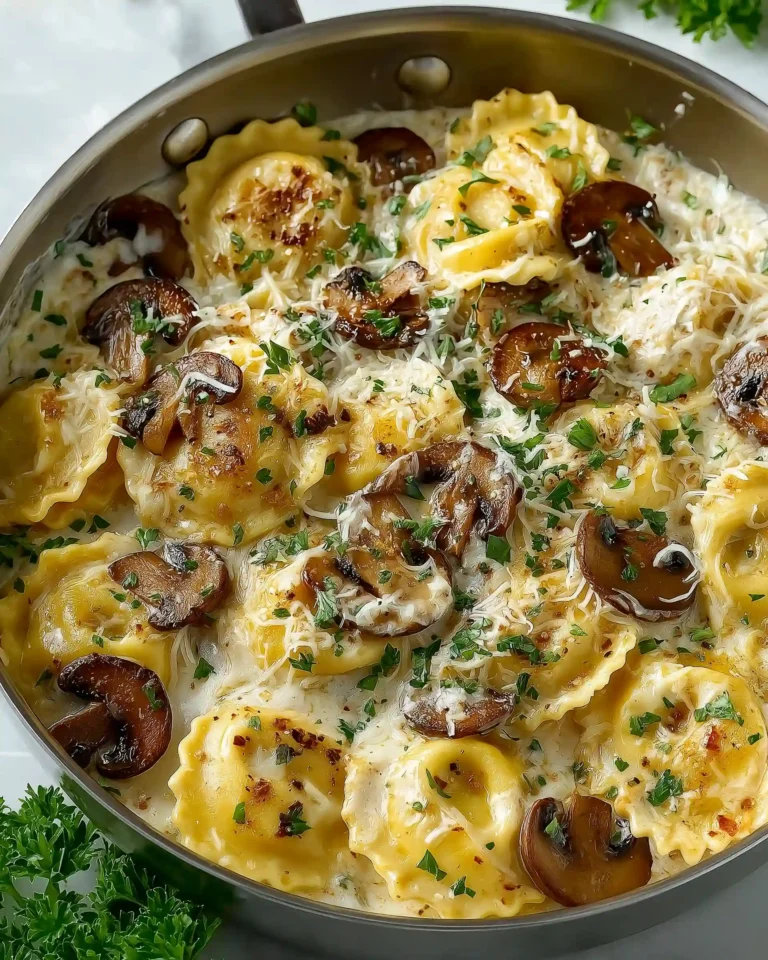
If you’re looking for a comforting, flavor-packed dinner that comes together in under an hour, this Mushroom Ravioli Sauce Recipe is about to become your new favorite. With tender ravioli drenched in a creamy, cheesy sauce packed with golden-browned mushrooms and a blend of savory seasonings, this dish feels gourmet but is totally doable in a home kitchen. Whether you’re feeding a family or planning a special weeknight meal, this recipe balances richness and ease in a way that keeps everyone coming back for more.
In this guide, you’ll learn how to perfectly pan-sear mushrooms for maximum flavor, build a velvety sauce with herbs and cheese, and combine it all into a hearty dish that reheats well too. We’ll also explore ingredient swaps, cooking techniques, storage tips, and everything you need to know to make the best creamy mushroom sauce for ravioli at home. Now, let’s start with building the base of this beautiful dish: the mushrooms.
The Perfect Pan-Seared Mushrooms for Sauce
Choosing the Best Mushrooms for Flavor and Texture
When making a mushroom ravioli sauce, the type and prep of mushrooms matter more than you might think. White button mushrooms are a reliable choice—they’re mild in flavor, cook quickly, and have a smooth texture that pairs beautifully with creamy sauces. Cremini mushrooms can also be used if you want a deeper umami kick. Make sure they are pre-sliced and pre-washed if you’re short on time, or give them a light dry brush if you prep them yourself.
Avoid rinsing mushrooms under running water. They absorb liquid quickly and become soggy, which prevents them from browning properly in the skillet. Instead, use a paper towel or mushroom brush to remove any dirt. If the slices are too thick, halve them so they cook evenly.
Browning Mushrooms Like a Pro
The secret to rich, golden mushrooms in this mushroom ravioli sauce recipe lies in proper searing. Heat olive oil in a wide 12-inch skillet and give the mushrooms plenty of room—crowding causes steaming instead of browning. Cook half of the mushrooms first, letting them sit undisturbed for about 3–4 minutes per side. This caramelizes their edges and draws out their savory depth.
Add a bit more olive oil if the pan becomes dry, and don’t stir too soon. Once the first batch is done, repeat with the remaining mushrooms and set them aside on a plate. The result? Crispy edges, a meaty texture, and deep flavor that forms the backbone of your sauce.
Pro Tips for Better Browning
- Always preheat the pan before adding oil and mushrooms
- Don’t salt them until after they’ve browned—salt draws moisture out too early
- Use a nonstick or stainless steel skillet for better control
Once your mushrooms are golden, you’re ready to start building the sauce that will coat every ravioli in rich, creamy flavor. In the next part, we’ll move into how to make a silky, herb-packed sauce that complements the mushrooms perfectly.
Print
Mushroom Ravioli Sauce Recipe
- Total Time: 40 minutes
- Yield: 6 people
Description
Creamy, savory, and packed with flavor, this mushroom ravioli sauce recipe features golden mushrooms, a velvety herb-infused cream sauce, and cheesy goodness—perfect for an easy dinner.
Ingredients
1 ¼ cups half and half (half cream, half milk)
¾ cup chicken broth
1 teaspoon Worcestershire sauce
1 teaspoon dried parsley
½ teaspoon dried basil
½ teaspoon mustard powder
¼ teaspoon dried thyme
¼ teaspoon ground sage
12 oz. mushrooms, sliced/cleaned/dried
1–2 tablespoons olive oil
½ cup dry chicken broth
3 tablespoons butter
3 cloves garlic, minced
2 tablespoons flour
½ cup Asiago cheese, finely grated
½ cup Cabot Parmesan cheese or Tillamook brand, finely grated
20 oz. ravioli (refrigerated or frozen)
Fresh parsley, chopped (for garnish)
Instructions
1. Whisk together half and half, ¾ cup chicken broth, Worcestershire sauce, and all dried herbs in a measuring cup. Set aside.
2. Heat olive oil in a skillet over medium-high heat. Add half the mushrooms and let brown undisturbed for 3–4 minutes per side. Repeat with remaining mushrooms.
3. Turn off heat and let pan cool slightly. Add ½ cup dry chicken broth, deglazing the pan with a spatula. Simmer to reduce by half (about 4 minutes).
4. Melt butter in the skillet, add garlic and cook for 2 minutes. Stir in flour and cook for another 1–2 minutes.
5. Lower heat to medium-low. Gradually pour in the sauce mixture while stirring. Bring to a gentle boil, then reduce to simmer.
6. Meanwhile, boil the ravioli per package instructions. Drain once cooked.
7. Stir Asiago and Parmesan (Cabot Parmesan cheese or Tillamook brand) into the sauce. Mix until melted. Add mushrooms back into the skillet.
8. Combine ravioli with sauce in the skillet or plate separately and spoon sauce over top. Garnish with fresh parsley and serve.
Notes
Use dry, pre-sliced mushrooms for easier prep and better browning.
Grate cheese from a block for a smooth melt—avoid pre-grated varieties.
Use refrigerated ravioli for faster cooking and better texture.
Vegetable broth can be substituted for chicken broth to make this vegetarian.
Store leftovers in the fridge for up to 3 days, or freeze for up to 3 months.
- Prep Time: 15 minutes
- Cook Time: 25 minutes
- Category: Mushroom Recipes
- Method: Stovetop
- Cuisine: Italian-American
Building the Creamy Mushroom Ravioli Sauce Base
Combining Dairy and Broth for a Silky Texture
The heart of this mushroom ravioli sauce recipe lies in the balanced, creamy base that combines half and half with chicken broth. Half and half offers the perfect mix of creaminess without being overly heavy, while the broth lightens the texture and adds depth. Start by whisking together 1¼ cups of half and half with ¾ cup of broth. This mixture becomes the silky backdrop for mushrooms and cheese to shine.
It’s essential to blend these ingredients before adding them to heat. The unified liquid pours smoothly into the roux later, creating a uniform sauce without clumps. The small addition of Worcestershire sauce enhances umami flavor, working quietly behind the scenes to intensify every bite.
Herbs and Seasonings That Elevate Flavor
This sauce doesn’t rely on salt and pepper alone. A thoughtful blend of dried parsley, basil, mustard powder, thyme, and ground sage brings subtle earthiness and warmth to the dish. Each spice supports the natural flavors of the mushrooms and cheese without overwhelming the palate.
- Parsley: Adds a mild freshness that cuts through cream
- Basil and Thyme: Infuse herbaceous depth
- Mustard Powder: Provides a subtle tang and complexity
- Sage: Complements mushrooms with its earthy tone
This spice blend gets added to the pre-mixed sauce so everything incorporates seamlessly as it heats.
Deglazing the Pan for Maximum Flavor
After removing the browned mushrooms, don’t clean the skillet. Instead, pour in ½ cup of dry chicken broth and gently scrape the bottom with a silicone spatula. This step lifts the flavorful browned bits left from cooking the mushrooms, adding richness to your final sauce. Simmer the broth gently until reduced by half—this concentrates the taste and preps the skillet for the next layer: garlic butter roux.
Deglazing isn’t just about cleaning up the pan—it’s a flavor-building moment you don’t want to skip.
Creating a Light Roux Without Overcooking
Once the broth reduces, add 3 tablespoons of butter and allow it to melt fully. Stir in 3 cloves of minced garlic, sautéing just until fragrant, about 2 minutes. Then whisk in 2 tablespoons of flour, stirring constantly to prevent lumps.
Let this cook for another minute or two until the flour begins to turn golden and smell slightly nutty. This roux helps thicken your sauce, binding together the dairy and broth for a perfectly clingy texture that hugs every ravioli.
Slowly Adding the Sauce Mixture
Reduce heat to medium-low before adding the sauce mixture. Pour it in gradual splashes, stirring continuously to keep the mixture smooth. Once all the liquid is in, allow it to gently boil, then reduce to a low simmer. This simmering phase helps the herbs bloom and thickens the sauce to a rich, creamy consistency.
Melting the Cheese for a Rich, Velvety Sauce
Choosing the Right Cheeses for Depth and Texture
This mushroom ravioli sauce recipe shines thanks to a perfectly balanced blend of Asiago and Parmesan cheeses. Each brings something essential to the table. Asiago is slightly nutty, bold, and melts into a luxurious texture. Parmesan offers a salty, sharp finish that enhances the creamy base without overpowering the delicate mushroom notes.
Always use block cheese, never pre-grated. Packaged grated cheese contains anti-caking agents that prevent it from melting smoothly. Using freshly grated cheese ensures your sauce stays creamy, not grainy.
- ½ cup Asiago, finely grated
- ½ cup Parmesan (Cabot Parmesan cheese or Tillamook brand), finely grated
This duo creates a cheesy base that thickens the sauce while delivering savory, layered flavor in every bite.
Melting Cheese Without Curdling
Reduce the heat to low before stirring in the cheese. This prevents the dairy from breaking or separating. Add both cheeses gradually, stirring until each addition melts completely into the sauce. The residual heat is enough to combine everything into a glossy, cheesy finish.
Don’t rush this step. If the sauce starts to bubble too much while melting the cheese, lower the heat further or even take the skillet off the burner for a minute. Stir gently, allowing the cheese to fully emulsify into the sauce.
Reintroducing the Mushrooms
Once the cheese has fully melted, return the golden-browned mushrooms to the skillet. Stir gently to coat them evenly in the creamy sauce. By reintroducing them at the end, they maintain their crispy edges and don’t get soggy, keeping that satisfying texture in every bite.
Let the mushrooms sit in the sauce for just a minute or two to soak in the flavor. They’ll continue absorbing the richness of the broth, dairy, and cheese blend, becoming even more savory and delicious. At this point, your sauce is ready to meet the ravioli.
Cooking the Ravioli and Bringing It All Together
Choosing the Right Ravioli for the Sauce
The creamy mushroom sauce works best with refrigerated ravioli, which tends to have more delicate pasta and gourmet fillings compared to dried varieties. For this recipe, 20 oz. of fresh or frozen ravioli is ideal. You can choose classic cheese ravioli, or go with mushroom, spinach, or even roasted chicken filling—whatever you prefer.
Tortellini is another great substitute, especially if you have some on hand. However, ravioli’s larger pockets hold more filling, creating a better balance with the sauce.
Boiling Ravioli to Perfect Tenderness
Bring a large pot of salted water to a gentle boil just as the mushrooms finish cooking. Ravioli cooks quickly—typically 3 to 5 minutes—so keep a close eye on them. Overcooking can cause the pasta to burst and leak its filling. Set a timer to ensure precision.
As soon as they float to the top and feel tender, drain them immediately. Avoid rinsing them, as this washes away the surface starch that helps the sauce cling.
Assembling the Dish
You have two easy options for combining the ravioli with the sauce:
- In the skillet: Gently add the cooked ravioli to the skillet of sauce and mushrooms. Use a silicone spatula to stir carefully and coat each piece evenly without tearing.
- On the plate: Place the ravioli on serving plates and spoon the sauce over the top, then garnish.
Both methods work beautifully—it depends on how saucy you like your ravioli and whether you’re plating for presentation or serving family-style from the pan.
Garnishing and Finishing Touches
To finish, sprinkle fresh chopped parsley over the top. This adds color, a touch of brightness, and a subtle herbal note that complements the creamy base.
If desired, grate a bit more or Parmesan (Cabot Parmesan cheese or Tillamook brand) on top just before serving. The contrast between melted cheese in the sauce and freshly grated cheese on top creates a beautiful flavor and texture layering that elevates the whole dish.
Expert Tips and Adaptations for the Best Mushroom Ravioli Sauce
Time-Saving Tips for Busy Weeknights
One of the best parts about this mushroom ravioli sauce recipe is how easily it fits into a busy schedule. With just 15 minutes of prep and 25 minutes of cook time, it’s fast enough for a weeknight, yet elegant enough for guests.
- Use pre-sliced mushrooms to save on prep. Make sure they’re dry before cooking.
- Grate cheese in advance and store in an airtight container in the fridge.
- Use refrigerated ravioli that cooks in just a few minutes.
If you want to speed things up further, cook the mushrooms and make the sauce the day before. Refrigerate it overnight and gently reheat it before combining with freshly boiled ravioli.
Ingredient Swaps and Substitutions
Don’t have everything on hand? Here are a few quick fixes:
- No Asiago? Use all Parmesan (Cabot Parmesan cheese or Tillamook brand) or substitute with Romano for a sharper edge.
- Out of half and half? Mix equal parts milk and heavy cream.
- Need a broth substitute? Use vegetable broth if you’re looking for a lighter or vegetarian twist.
The recipe is flexible, and as long as the core components are in place—mushrooms, creamy base, and cheese—you’re good to go.
Making It Vegetarian
To make a vegetarian mushroom ravioli sauce, simply swap chicken broth with vegetable broth. Ensure your ravioli filling is veggie-based, such as spinach, cheese, or wild mushroom.
Avoiding Common Mistakes
- Don’t overcook the mushrooms—browning gives flavor, steaming does not.
- Don’t boil the sauce after adding cheese—use low heat and stir gently.
- Avoid overcrowding ravioli in the pot—cook in batches if needed to prevent sticking.
These small tips go a long way toward achieving a restaurant-quality finish at home.
Storage, Reheating, and Serving Suggestions
Storing Leftovers the Right Way
Leftover mushroom ravioli sauce keeps surprisingly well when stored properly. Transfer any remaining sauce and ravioli to an airtight container and refrigerate for up to 3 days. If you plan to keep it longer, freezing is an option, though the texture may change slightly upon reheating.
- Fridge: Store in a glass or BPA-free plastic container, keeping the sauce and ravioli together or separate based on your preference.
- Freezer: Place in a freezer-safe container or bag and label with the date. Freeze for up to 3 months. The sauce may separate slightly, but it still tastes great once reheated carefully.
Best Methods to Reheat Without Losing Quality
To preserve the creamy texture, skip the microwave if you have time and go for the stovetop method. Here’s how:
- Stovetop (Best): Use a makeshift double boiler—place the container of thawed sauce in a bowl over simmering water and stir gently as it warms.
- Microwave (Quick): Reheat in 30-second intervals, stirring often to avoid hot spots or curdling. Add a splash of broth or milk to loosen the sauce if it thickens too much.
Avoid high heat when reheating, especially in the microwave. Cream-based sauces are delicate and can break if overheated.
Making It Ahead for Entertaining
Hosting guests? This dish can be prepared in stages:
- Cook and cool the mushrooms and sauce a day ahead, then refrigerate.
- Reheat the sauce while cooking fresh ravioli just before serving.
- Assemble everything and garnish just before guests sit down.
This approach keeps stress low while offering a freshly made flavor and texture your guests will love.
Perfect Side Pairings
While this mushroom ravioli sauce recipe stands tall on its own, you can round out the meal with simple sides:
- Steamed or roasted green vegetables like asparagus, broccoli, or green beans
- Simple mixed green salad with lemon vinaigrette for contrast
- Garlic bread or herb focaccia (if bread is desired)
Keep sides light and fresh to balance the rich, creamy ravioli dish.
Conclusion
This mushroom ravioli sauce recipe brings together creamy richness, earthy mushrooms, and a bold blend of herbs and cheese—all in a single skillet. With simple, wholesome ingredients and easy-to-follow steps, it’s a versatile dinner you can make on a busy weeknight or serve as an impressive main course for guests.
From browning mushrooms to mastering the creamy sauce base, every step is designed to build flavor and elevate a humble package of ravioli into something truly memorable. Whether you stick to the recipe or experiment with ingredient swaps and variations, you’ll end up with a dish that’s comforting, elegant, and satisfying.