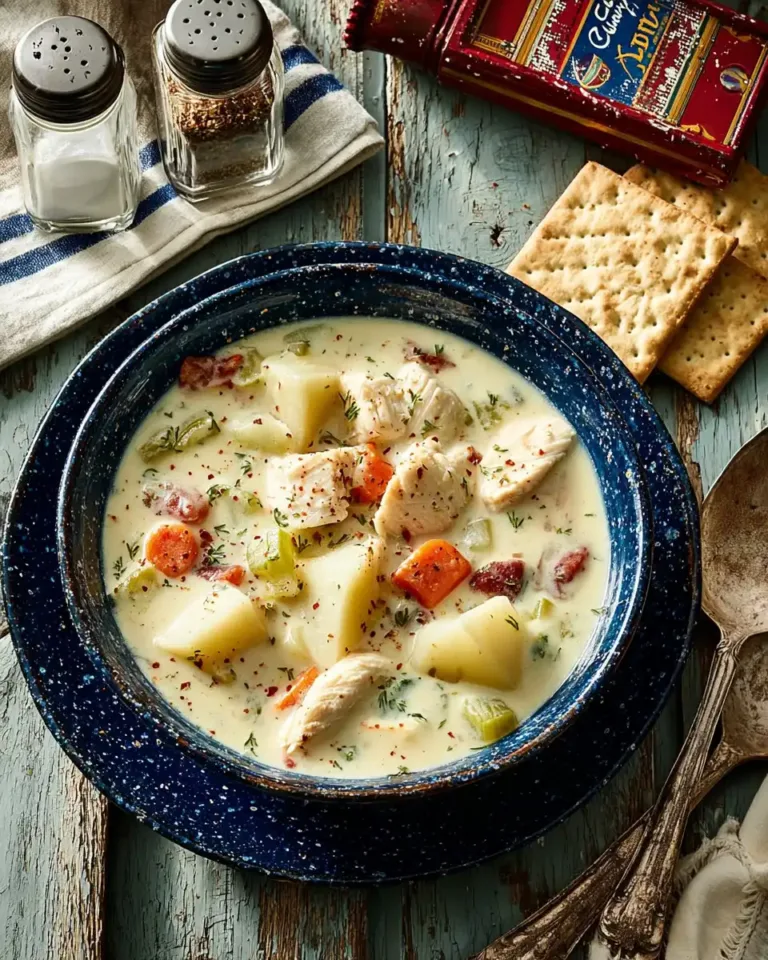
Maritime Fish Chowder is a timeless coastal classic known for its creamy texture, gentle seasoning, and hearty seafood base. This version keeps the soul of the original while refining the process, improving flavor balance, and ensuring every ingredient suits a wide American audience. Built around salmon and haddock, this Maritime Fish Chowder focuses on clean flavors, simple technique, and dependable results. Whether you are new to chowder or refining your favorite bowl, this guide walks you through everything step by step, from equipment to storage, with smart tips that elevate the final dish without overcomplicating it.
Part One, Foundations of a Perfect Maritime Fish Chowder
Essential Equipment for Success
A well made Maritime Fish Chowder begins with the right tools. Use a sharp knife and sturdy cutting board to ensure even vegetable prep. Measuring cups and spoons or a digital kitchen scale help keep the seasoning consistent. A large heavy bottomed pot is critical for even heat distribution and preventing scorching. A rubber spatula or wooden spoon allows gentle stirring without breaking the fish. Kitchen scissors are optional but useful for trimming fish portions. A can opener is needed for the evaporated milk.
Ingredient List With Balanced Details
This Maritime Fish Chowder uses everyday ingredients with careful attention to quality and proportions.
Carrots bring sweetness and color, two medium or one large, finely diced.
Celery adds aromatic depth, two medium stalks sliced evenly.
Onion forms the flavor base, one small or medium yellow onion works best.
Salted butter provides richness, one quarter cup.
Water forms the base, five cups, or use seafood stock for deeper flavor.
Potatoes add body, three medium russet or Yukon Gold potatoes, peeled and cubed.
Evaporated milk creates creaminess without heaviness, one twelve ounce can.
Atlantic salmon, skinless and deboned, twelve ounces.
Haddock, skinless and deboned, twelve ounces.
Salt enhances natural flavors, one and a half teaspoons.
Ground black pepper adds warmth, half a teaspoon.
Part Two, Step by Step Maritime Fish Chowder Method
Building the Flavor Base
Start by dicing the carrots, celery, and onion into uniform pieces to ensure even cooking. Place the large pot over medium heat and add the butter. Once melted and gently bubbling, add the vegetables. Stir frequently and cook for five to seven minutes until softened and aromatic. Avoid browning, as Maritime Fish Chowder relies on a clean, light base rather than caramelized flavors.
Simmering for Structure
While the vegetables cook, chop the potatoes into half inch chunks. Add the water or seafood stock to the pot, followed by the potatoes. Increase the heat to high and bring the mixture to a boil with the lid slightly ajar. Once boiling, reduce the heat to medium low and simmer for about fifteen minutes. The potatoes should be tender enough to pierce easily with a fork but not falling apart.
Adding the Fish and Cream
Cut the salmon and haddock into bite size chunks, keeping them similar in size for even cooking. Add the fish to the pot along with the evaporated milk, salt, and black pepper. Stir gently to avoid breaking the fish. Increase the heat slightly to medium and simmer for five to eight minutes until the fish is just cooked through and opaque. Overcooking can cause dryness, so watch closely.
Final Adjustments
Taste the chowder and adjust seasoning as needed. The texture should be creamy but not thick like stew. If desired, serve immediately while hot with crackers or sliced bread.
Part Three, Tips and Tricks for Chowder Excellence
Texture Control
For a thicker Maritime Fish Chowder, mix one tablespoon cornstarch with one tablespoon cold water until smooth. Stir this slurry into the pot during the final five minutes of cooking. This method thickens without masking seafood flavor.
Flavor Enhancements
Use seafood stock, chicken stock, or vegetable broth instead of water for a richer base. Add minced garlic with the vegetables for extra aroma. Fresh herbs such as dill or parsley added at the end bring brightness.
Approved Flavor Variations
When adding the evaporated milk, you may include any of the following.
Half a cup clam juice or seafood broth for depth.
Half a cup chopped fennel bulb, corn kernels, or cooked crumbled turkey bacon or beef bacon.
Quarter cup sliced leeks.
Two tablespoons capers, chopped fresh dill, or chopped parsley.
One tablespoon Crystal Worcestershire sauce, Texas Pete Original Hot Sauce, Crystal Hot Sauce, or Sriracha Panich Hot Sauce.
One teaspoon Old Bay seasoning or smoked paprika.
Half teaspoon dried thyme or ground coriander.
Quarter teaspoon cayenne pepper or ground nutmeg.
Avoiding Common Errors
Do not boil after adding fish, as this can toughen the texture. Stir gently and keep heat moderate. Always add dairy after potatoes are tender to prevent curdling.
Part Four, Notes, Storage, and Practical Use
Cooking Notes
This Maritime Fish Chowder is designed for flexibility. If the chowder seems thin, allow it to rest off heat for five minutes before serving. The natural starch from potatoes will thicken it slightly. Season gradually and taste often.
Storage Guidelines
Leftover Maritime Fish Chowder stores well in an airtight container in the refrigerator for up to three days. Reheat gently on the stovetop over low heat, stirring occasionally to maintain texture. Avoid rapid boiling during reheating.
Freezing Instructions
You may freeze this chowder, though dairy can change texture slightly. Cool completely before transferring to freezer safe containers. Freeze for up to two months. Thaw overnight in the refrigerator and reheat slowly, stirring often.
Benefits of Maritime Fish Chowder
Maritime Fish Chowder offers balanced nutrition alongside comfort. Salmon and haddock provide high quality protein and omega three fatty acids that support heart and brain health. Potatoes contribute potassium and energy supporting carbohydrates. Carrots add vitamin A, supporting vision and immune function. Dairy adds calcium and vitamin D for bone support. This dish suits people seeking a filling meal without excessive spice. It may not suit individuals with dairy or fish allergies. For lighter diets, reduce butter slightly and use low fat evaporated milk.
Variations to Keep It Fresh
This Maritime Fish Chowder adapts easily. Swap haddock with cod or pollock. Add sweet corn for summer sweetness. Stir in spinach during the last minute for added greens. For a smokier profile, add smoked paprika and turkey bacon. For a lighter version, replace half the evaporated milk with seafood broth.
Serving Suggestions
Serve Maritime Fish Chowder hot in deep bowls with oyster crackers or sliced bread such as Dave’s Killer Bread White Bread Done Right, Arnold Country White Bread, or Pepperidge Farm Farmhouse White Bread. A simple green salad or steamed vegetables make ideal sides.
Conclusion
Maritime Fish Chowder remains a comforting, dependable dish that celebrates simple seafood cooking. By focusing on gentle heat, quality ingredients, and thoughtful variations, this recipe delivers consistent results every time. Whether prepared for family meals or casual gatherings, Maritime Fish Chowder offers warmth, nourishment, and classic flavor in every spoonful.
FAQs
Can I make Maritime Fish Chowder ahead of time?
Yes, it can be prepared a day in advance and reheated gently for best texture.
What fish works best for Maritime Fish Chowder?
Salmon and haddock are ideal, but cod or pollock also work well.
How do I thicken Maritime Fish Chowder without flour?
Use a cornstarch slurry or mash a few potato pieces into the broth.
Can I make this chowder dairy free?
Yes, use full fat coconut milk instead of evaporated milk, though flavor will change slightly.
Is Maritime Fish Chowder spicy?
No, it is mild by default. Heat can be added with approved hot sauces if desired.
Maritime Fish Chowder
- Total Time: 45 minutes
- Yield: 4 servings
Description
This Maritime Fish Chowder is a creamy, comforting coastal style soup made with tender salmon, flaky haddock, potatoes, and aromatic vegetables simmered gently in a rich milk based broth. It delivers classic flavor with a smooth texture and balanced seasoning, making it ideal for family meals or relaxed gatherings. The recipe focuses on simple technique and clean ingredients to highlight the natural taste of the seafood.
Ingredients
Two medium carrots, peeled and finely diced
Two medium celery stalks, finely sliced
One small to medium yellow onion, finely chopped
One quarter cup salted butter
Five cups water or seafood stock
Three medium potatoes, peeled and cut into half inch chunks
One twelve ounce can evaporated milk
Twelve ounces Atlantic salmon, skinless and deboned, cut into bite size pieces
Twelve ounces haddock, skinless and deboned, cut into bite size pieces
One and a half teaspoons salt
Half teaspoon ground black pepper
Optional additions include clam juice, corn kernels, fennel, leeks, garlic, fresh herbs, approved Worcestershire sauce, hot sauce, smoked paprika, thyme, or cayenne
Instructions
Dice the carrots, celery, and onion into even small pieces
Place a large heavy bottomed pot over medium heat and add the butter
Once the butter is fully melted, add the diced vegetables and cook while stirring gently until softened and aromatic without browning
While the vegetables cook, peel and chop the potatoes into evenly sized chunks
Add the water or seafood stock and potatoes to the pot and increase the heat until the mixture reaches a gentle boil
Reduce the heat to medium low and simmer until the potatoes are tender when pierced with a fork
Cut the salmon and haddock into bite size pieces while the potatoes finish cooking
Add the fish pieces, evaporated milk, salt, and black pepper to the pot
Stir gently and simmer until the fish is opaque and cooked through
Taste the chowder and adjust seasoning if needed
Remove from heat and allow the chowder to rest briefly before serving hot
Notes
For a thicker texture, stir a cornstarch slurry made from equal parts cornstarch and cold water into the chowder during the final minutes of cooking
Seafood stock, chicken stock, or vegetable broth can be used instead of water for deeper flavor
Stir gently after adding fish to prevent it from breaking apart
Leftovers can be stored in an airtight container in the refrigerator for up to three days
Reheat slowly over low heat to maintain a creamy texture
The chowder can be frozen for up to two months, though the dairy may slightly change texture after thawing
- Prep Time: 15 minutes
- Cook Time: 30 minutes
- Category: Soup
- Method: Simmering
- Cuisine: American