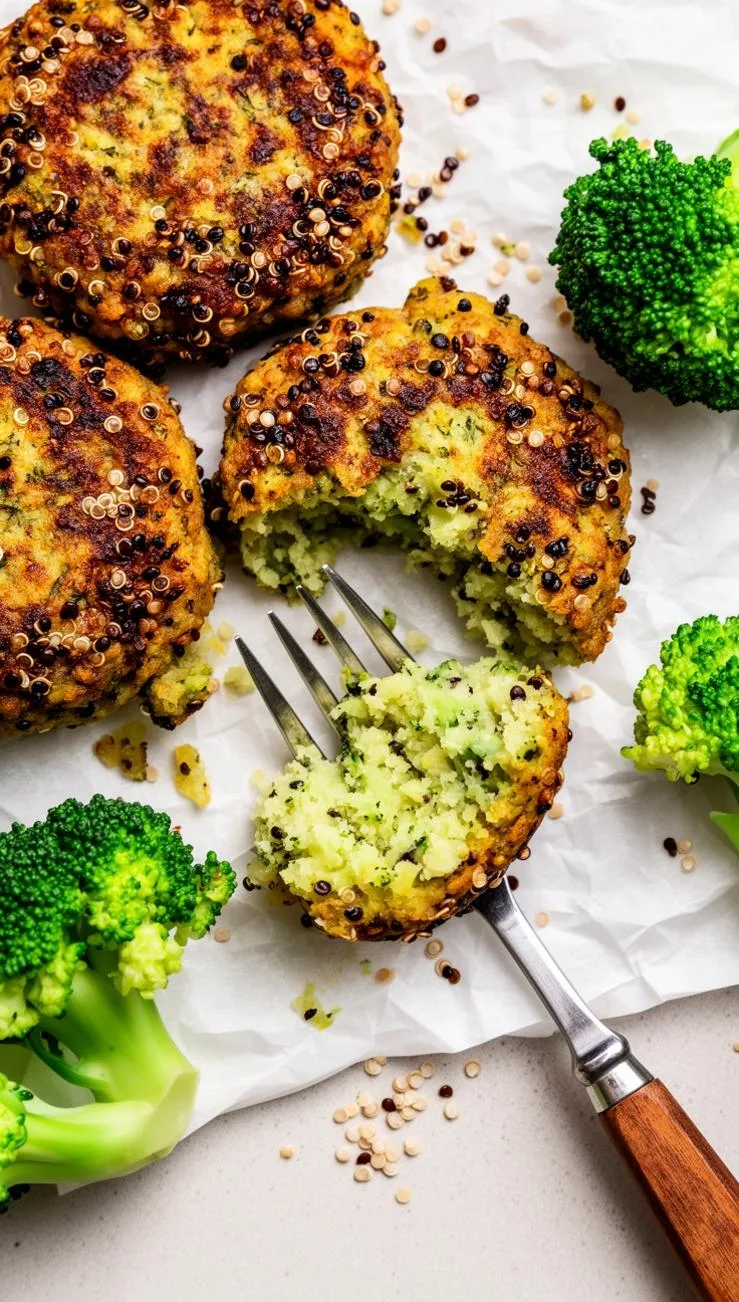
These delightful broccoli quinoa vegan cakes are a perfect addition to any meal. They offer a fantastic plant-based option packed with nutrients and flavor. Easily prepared, they make for a satisfying and wholesome dish suitable for diverse dietary needs.
Discover the myriad health benefits of these wonderful broccoli quinoa vegan cakes. Quinoa, a complete protein, provides all nine essential amino acids, crucial for muscle repair and overall bodily function. Broccoli is a powerhouse of vitamins C and K, as well as fiber, supporting immune health and digestion.
These nutrient-dense cakes are an excellent choice for vegans, vegetarians, and anyone looking to incorporate more plant-based meals into their diet. They are also naturally gluten-free when certified gluten-free oats are used for the flour.
While wonderfully beneficial, individuals with specific allergies to any of the listed ingredients should exercise caution. Always ensure all components are suitable for your personal dietary requirements before consumption.
Ingredients
To prepare Homemade Broccoli Quinoa Vegan Cakes, gather these ingredients with precise measurements for consistent results.
1 cup uncooked quinoa
1.5 cups water
2 cups broccoli pieces including florets and chopped stems
1 cup cooked white beans such as cannellini, navy beans, or Great Northern beans, drained
2 tablespoons nutritional yeast flakes
¾ teaspoon fine sea salt
¼ teaspoon ground black pepper
1.5 teaspoons onion powder for savory depth
1.5 teaspoons garlic powder for aroma and flavor
¾ cup oat flour made from certified gluten free oats, plus extra if needed for texture
These ingredients create a balanced mixture with a soft interior and lightly crisp exterior. The combination of quinoa grains and beans forms the base, while broccoli adds freshness and color.
Equipment
Large saucepan with lid
Medium saucepan with lid
Steamer basket or colander
Large mixing bowl
Potato masher or fork
Measuring cups and spoons
Baking sheet
Parchment paper
Food processor (optional for smoother texture)
Spatula
Step by Step Instructions
Begin by preparing the quinoa. Rinse 1 cup of dry quinoa thoroughly under cold running water using a fine-mesh sieve. This step is important to remove saponins, which can impart a bitter taste.
Transfer the rinsed quinoa to a medium saucepan. Add 1.5 cups of water and a pinch of salt. Bring the mixture to a boil over medium-high heat.
Once boiling, reduce the heat to low, cover the saucepan, and let it simmer for about 15 minutes, or until all the water has been absorbed and the quinoa is tender.
Fluff the cooked quinoa with a fork and set it aside to cool slightly. While the quinoa is cooking, prepare the broccoli. Wash 2 cups of broccoli pieces thoroughly.
Steam the broccoli until it’s tender but still vibrant green and slightly firm, approximately 5-7 minutes. Overcooking will make it mushy.
Carefully remove the steamed broccoli from the heat. Allow it to cool for a few minutes before finely chopping it. You can also pulse it briefly in a food processor if you prefer a finer texture.
In a large mixing bowl, add 1 cup of cooked white beans. Use a potato masher or a fork to mash the beans until they are mostly broken down with some texture remaining.
Add the cooled, fluffed quinoa to the bowl with the mashed beans. Stir gently to combine these two essential base ingredients for your broccoli quinoa vegan cakes.
Incorporate the finely chopped broccoli into the mixture. Ensure it is evenly distributed throughout the quinoa and bean base, adding delightful pops of green.
Stir in 2 tablespoons of nutritional yeast for a cheesy flavor. Add ¾ teaspoon of salt, ¼ teaspoon of black pepper, 1.5 teaspoons of onion powder, and 1.5 teaspoons of garlic powder.
Mix all the ingredients together thoroughly. Ensure all spices and nutritional yeast are well distributed for consistent flavor in every bite.
Gradually add ¾ cup of oat flour to the mixture. Stir until a cohesive dough forms that holds together when pressed.
The consistency should be moist but firm enough to shape into cakes. If the mixture feels too wet, add more oat flour, one tablespoon at a time, until it reaches the desired firmness.
Preheat your oven to 375°F (190°C). Line a baking sheet with parchment paper to prevent sticking and ensure easy cleanup.
Shape the mixture into small, round patties or cakes, about 2-3 inches in diameter and ½ inch thick. Aim for uniform size for even cooking.
Carefully place the formed broccoli quinoa vegan cakes onto the prepared baking sheet. Leave a little space between each cake to allow for proper air circulation.
Bake for 20-25 minutes, flipping them halfway through. You want them to be golden brown and slightly firm to the touch.
The flipping ensures both sides develop a pleasant crispness, contrasting with the tender interior. Keep an eye on them to prevent over-browning.
Once baked to perfection, remove the broccoli quinoa vegan cakes from the oven. Let them cool on the baking sheet for a few minutes before transferring them to a wire rack. This allows them to firm up further.
These delicious cakes are now ready to be served and enjoyed. Their hearty texture and savory flavor make them incredibly versatile.
Storage
Proper storage ensures your delicious broccoli quinoa vegan cakes remain fresh and enjoyable for longer. Cooled cakes can be stored in an airtight container in the refrigerator for up to 4 days.
When storing, ensure the cakes have completely cooled to room temperature to prevent condensation buildup, which can make them soggy. Layering them with parchment paper can also help maintain texture.
For longer-term storage, these cakes freeze beautifully. Arrange cooled cakes in a single layer on a baking sheet and freeze until solid. Then, transfer them to a freezer-safe bag or container for up to 3 months.
To reheat frozen cakes, remove them from the freezer and let them thaw overnight in the refrigerator. Alternatively, reheat them directly in a preheated oven at 350°F (175°C) for about 10-15 minutes, until warmed through.
Variations and Substitutions
Enhance your broccoli quinoa vegan cakes with exciting variations. Consider adding finely chopped bell peppers or corn for extra color and sweetness. A pinch of red pepper flakes can introduce a subtle spicy kick.
For a different flavor profile, incorporate fresh herbs like parsley or cilantro into the mixture before forming the cakes. A touch of lemon zest can brighten the overall taste.
If oat flour is unavailable, you can substitute it with chickpea flour or finely ground almond flour. Adjust the quantity as needed, as different flours absorb moisture differently.
White beans can be substituted with other cooked legumes like black beans or kidney beans for a different texture and flavor. Ensure they are well-drained and mashed.
Tips and Tricks
For optimal texture, ensure your quinoa is cooked until tender but not mushy. Overcooked quinoa can lead to cakes that are too soft. Let the cooked quinoa cool completely before mixing to prevent a gummy texture.
When mashing the white beans, leaving them slightly chunky adds a pleasing texture to the final cakes. Don’t over-process them into a paste.
When forming the cakes, dampening your hands slightly can prevent the mixture from sticking, making shaping easier and producing smoother edges.
To achieve a crispier exterior, you can pan-fry the cakes in a lightly oiled non-stick skillet over medium heat for a few minutes on each side. This is an excellent alternative to baking.
Ensure your oven is fully preheated before baking the cakes. This promotes even cooking and helps them achieve a better texture and golden-brown color.
Notes
The nutritional yeast is a key ingredient for achieving a savory, cheesy flavor without dairy. It’s readily available in most health food stores and well-stocked supermarkets.
If you find the mixture is too crumbly and difficult to form into cakes, a small addition of plant-based milk, such as almond or soy milk, can help bind it together. Add it sparingly, a teaspoon at a time.
Adjust the seasoning to your personal preference. Feel free to experiment with other herbs and spices, such as smoked paprika or curry powder, to create unique flavor profiles.
These broccoli quinoa vegan cakes are remarkably adaptable. Don’t be afraid to experiment with different vegetables or additions to make them your own.
Serving Suggestions
Serve these versatile broccoli quinoa vegan cakes as a delightful appetizer with your favorite dipping sauce, like a tahini-lemon dressing or vegan aioli. They make a fantastic light lunch served alongside a fresh green salad.
Enjoy them as a satisfying side dish with roasted vegetables or a hearty stew. They also work wonderfully as a topping for grain bowls, adding protein and texture.
Conclusion
These broccoli quinoa vegan cakes are a culinary triumph, blending wholesome ingredients into a delectable and satisfying dish. The combination of fluffy quinoa, tender broccoli, and creamy white beans creates a delightful texture, while savory spices provide an irresistible flavor.
Whether enjoyed as a midday meal, a nutritious snack, or a party appetizer, these cakes are sure to impress. Their ease of preparation and adaptability make them a staple for any kitchen seeking delicious vegan options.
FAQs
How do I prevent the broccoli quinoa vegan cakes from falling apart?
Ensure your quinoa is properly cooked and cooled, and the beans are well mashed. The oat flour acts as a binder; if the mixture is too wet, add more flour. Shaping them firmly but not too tightly also helps.
Can I make these cakes ahead of time?
Yes, you can prepare the mixture and refrigerate it for up to 2 days before forming and baking. Cooled baked cakes can also be stored in the refrigerator or freezer.
Are there any other vegetables I can add?
Absolutely! Finely chopped carrots, zucchini, or sweet potato can be added for extra color, nutrients, and flavor. Ensure they are cooked or finely grated.
What is a good substitute for oat flour?
Chickpea flour, brown rice flour, or even all-purpose gluten-free flour blends can often be used as substitutes for oat flour. You may need to adjust the quantity slightly.
How are these cakes best served warm or cold?
While they can be enjoyed both warm and cold, their texture is often best appreciated when served warm, slightly crisp from baking or pan-frying. However, they are also delicious at room temperature.