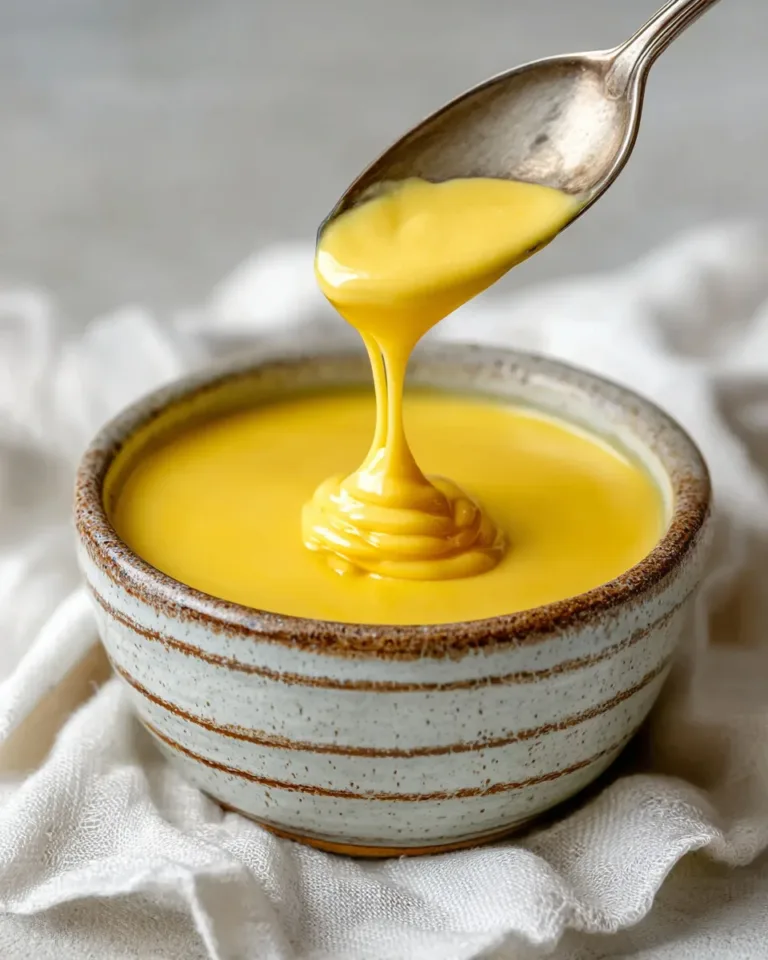
Hollandaise Sauce is one of the most iconic classic sauces thanks to its velvety texture and bright flavor. This guide explains how to make a smooth and stable version at home using simple everyday ingredients while keeping the process beginner friendly. You will learn an efficient blender method along with essential techniques that prevent curdling and ensure the sauce stays perfectly creamy. This introduction also sets the foundation for understanding flavor balance, emulsification, and proper temperature control so you can create Hollandaise Sauce with confidence in any kitchen.
Step by step
Hollandaise Sauce depends on gentle heat, correct timing, and a slow blend of hot melted butter into egg yolks. Precision matters because this sauce is built on an emulsion that forms only when each ingredient is incorporated smoothly. While traditional stovetop whisking works, the blender method creates reliable results for both beginners and experienced cooks. Below is the refined recipe written in a natural and practical format for American home cooking.
You will need
3 egg yolks
1 tablespoon lemon juice
1 teaspoon Dijon style mustard made with white vinegar
1/4 teaspoon salt
Pinch of cayenne pepper
1/2 cup unsalted butter, melted and hot
Instructions
Melt the butter in the microwave until very hot. Cover the container to prevent splatter. You may also melt it in a small pot on the stove.
Add the egg yolks, lemon juice, mustard, salt, and cayenne pepper to a high powered blender. Blend briefly until fully combined.
With the blender running on medium high speed, slowly stream in the hot butter so the mixture thickens and emulsifies. Take your time to maintain a steady pour.
Transfer the finished Hollandaise Sauce to a small bowl. Serve while warm so the texture stays smooth and creamy.
This version contains no doubtful ingredients. The mustard is free of wine and uses white vinegar. Everything else in the recipe is naturally suitable and commonly used in American kitchens. The butter must remain hot because the heat activates the thickening of the egg yolks. If the butter cools too much, the sauce will not emulsify correctly. Slow pouring is another key since adding the butter too quickly can break the mixture.
As you practice, you will notice how the texture shifts from thin to silky. That change tells you the emulsion is forming properly. If the sauce becomes too thick, a small splash of warm water can thin it without affecting flavor. When blending, always keep the lid vent open to avoid pressure buildup. This allows steam to escape and prevents accidental splattering.
Hollandaise Sauce is widely used on vegetables, seafood, poached eggs, breakfast dishes, and roasted meats. Its flavor profile is bright and buttery with a subtle heat from cayenne. Adjust lemon juice if you want a sharper finish or increase the butter for a richer texture. The entire process takes less than five minutes which makes it ideal for everyday meals. Once you understand the basics, you can prepare it right before serving without stress.
Stovetop whisking is another option. If you prefer that method, set a heatproof bowl over a pot with simmering water. Whisk the yolks, lemon juice, and mustard until slightly thick. Slowly add the melted butter while whisking constantly. Remove the bowl from heat when the sauce reaches your desired thickness. The blender method remains faster and more convenient for most home cooks.
If you want a larger batch, increase the recipe by one extra yolk and up to an additional half cup of melted butter. Continue blending slowly to preserve the texture. This ensures consistency without sacrificing flavor or stability. Because Hollandaise Sauce thickens as it rests, plan to serve it soon after making it.
This step by step approach eliminates guesswork and ensures a smooth result every time. With attention to heat, timing, and gradual blending, your Hollandaise Sauce will gain the glossy finish that defines this classic preparation. The method is simple once you understand the principles and follow the process carefully.
Tips and tricks
Hollandaise Sauce becomes much easier when you understand how temperature and timing affect the emulsion. One of the most effective tips is to always start with very hot butter because the heat activates the thickening power of the egg yolks. This helps the sauce come together faster and remain smooth. Another helpful tip is to keep the blender lid slightly vented so steam can escape, which prevents pressure buildup. Use a kitchen towel over the opening to keep the mixture from splashing.
If your sauce becomes too thick, whisk in a small spoonful of warm water to loosen the texture. This adjustment keeps the consistency silky without altering flavor. For extra brightness, you can add a small splash of lemon juice after blending. Cayenne offers subtle warmth, but you may introduce paprika or white pepper for a different style of mild heat. Classic flavors such as melted butter, lemon, Dijon, and egg yolks respond well to small tweaks, allowing you to personalize your sauce based on preferred intensity.
Another trick is to warm your serving dish before adding the finished sauce. A warm bowl prevents it from cooling too quickly and helps the texture stay creamy longer. You can also keep the sauce near a warm spot on the stove if serving immediately. Avoid high heat since it can cause separation. If the sauce does separate, try whisking in a teaspoon of warm water to bring it back together.
Hollandaise Sauce pairs beautifully with vegetables, seafood, poached eggs, and breakfast dishes. Its butter forward richness and citrus based brightness give it a balanced flavor that complements many foods. With these simple tips and tricks, you can create a stable and delicious sauce every time and adapt it to your taste with confidence.
Notes
Hot butter is essential for proper emulsification. Butter that is only melted rather than hot will not activate the egg yolks enough to create a stable sauce. If the mixture looks thin, this usually means the butter was not warm enough or was poured too quickly into the blender. Pour slowly and steadily for the best results.
If you want more volume, you can add another egg yolk and more melted butter. Increase the amount little by little so you maintain the correct balance between fat and yolk. This helps preserve the creamy structure and prevents the sauce from turning greasy.
The blender method is reliable for maintaining a smooth consistency because it applies constant motion. However, do not over blend since excessive mixing can cause the sauce to thicken more than desired. If you prefer a lighter texture, blend only until the sauce turns glossy.
The ingredients in this recipe already align with common American household pantry items. The Dijon mustard uses white vinegar rather than alcohol. All other components such as butter, egg yolks, lemon juice, salt, and cayenne pepper fit naturally into this preparation. This keeps the flavor authentic while avoiding ingredients that may be unsuitable for some households.
Storage
Hollandaise Sauce is at its best when served fresh because the texture depends on warmth and active emulsification. If you need to hold it briefly, keep it in a warm place such as near a low heat stove. Do not place it over direct heat because this may cause separation. Stir occasionally to maintain smoothness.
For short term storage, refrigerate the sauce in an airtight container once it cools. It will thicken significantly in the refrigerator. When ready to reuse, warm it gently. Use a double boiler or a bowl set over a pot of warm water. Stir constantly until the sauce loosens into a creamy consistency again. If it appears too thick, add a small spoonful of warm water and whisk until smooth.
Freezing is not recommended since the delicate emulsion breaks during thawing. Instead, prepare a fresh batch whenever possible because the recipe takes only a few minutes. If you must prepare it slightly ahead of time, keep the container closed, warm, and away from high heat.
With mindful handling and gradual reheating, you can extend the life of Hollandaise Sauce long enough for casual meal prepping or serving guests. Its silky richness stands out best when gently warmed and stirred before serving, making it easy to enjoy across different dishes.
Conclusion
Hollandaise Sauce delivers a bright, buttery, and velvety texture that elevates everything from vegetables to poached eggs. With the blender method and careful temperature control, you can achieve a stable sauce quickly and confidently. Understanding how to adjust thickness, rescue separation, and reheat gently allows you to use it in many meals with ease. This guide gives you the essential steps, tips, notes, and storage methods so you can prepare Hollandaise Sauce successfully anytime while enjoying consistent flavor and texture.
Print
Hollandaise Sauce
- Total Time: Five minutes
- Yield: Four servings
Description
Hollandaise Sauce is a classic silky and buttery sauce that brightens vegetables poached eggs and seafood The blender method described here creates a stable emulsified sauce quickly making it accessible for home cooks while preserving the traditional flavor profile
Ingredients
Three egg yolks
One tablespoon lemon juice more as desired for flavor
One teaspoon Dijon style mustard made with white vinegar
Quarter teaspoon salt
Pinch of cayenne pepper
Half cup unsalted butter or ghee melted and hot
Instructions
Melt the butter in the microwave until very hot Cover the container to prevent splatter You may also heat the butter gently in a small pot on the stove
Add the egg yolks lemon juice Dijon style mustard salt and cayenne pepper to a high powered blender Blend briefly until the mixture looks homogeneous
With the blender running on medium high speed slowly stream the hot butter into the blender in a steady thin stream Allow the emulsion to form and the mixture to thicken
When the sauce is glossy and smooth stop blending Transfer the finished hollandaise to a warm bowl and serve while warm
Notes
The butter must be hot rather than merely melted for the emulsion to form correctly If the sauce looks thin the butter was likely not warm enough or it was added too quickly
To increase volume add one additional egg yolk and up to another half cup of melted butter adding the butter slowly to preserve texture
If the sauce becomes too thick whisk in a small spoonful of warm water to loosen the consistency A double boiler or bowl set over warm water is ideal for gentle reheating
- Prep Time: Five minutes
- Cook Time: No cook time beyond melting butter
- Category: Sauce
- Method: Blender method
- Cuisine: American French