Introduction
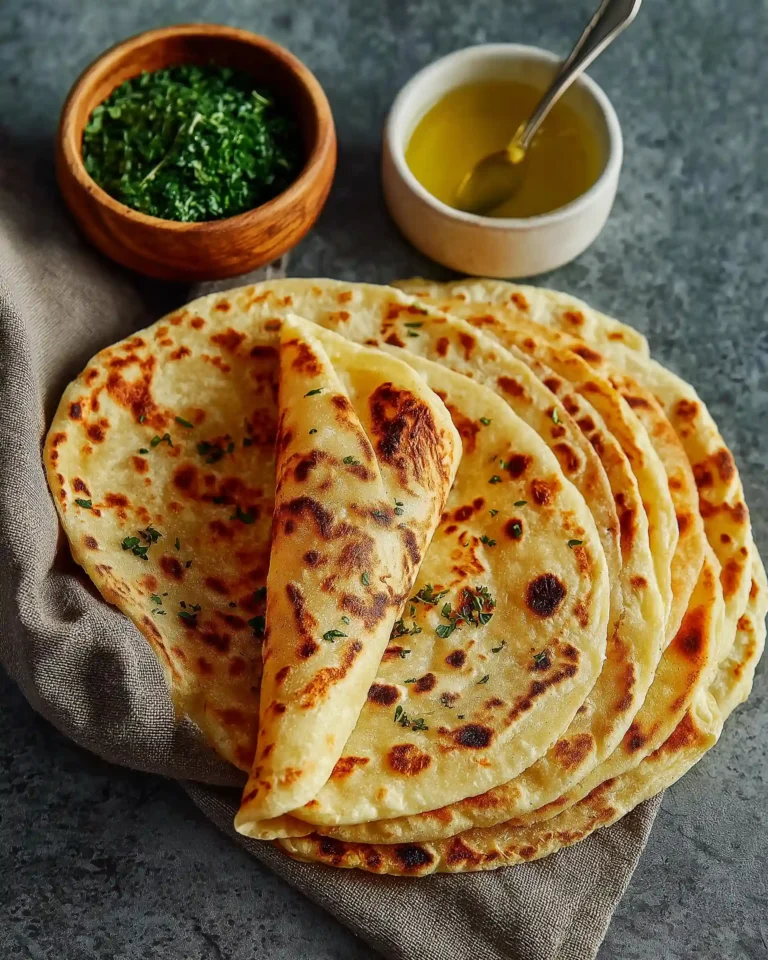
If you’re looking for a soft, pliable, and flavorful alternative to traditional wheat tortillas, almond flour tortillas are your answer. Made with wholesome, gluten-free ingredients like almond flour, coconut flour, and psyllium husk, these tortillas are a perfect option for those following a low-carb, keto, or gluten-free lifestyle.
In this article, we’ll walk you through everything you need to know about almond flour tortillas, from their nutritional benefits to preparation tips, storage options, and creative serving ideas. Whether you’re making tacos, wraps, or flatbreads, this guide will help you master the art of homemade almond flour tortillas. You’ll also find essential FAQs, an ingredient breakdown, and tips for making your tortillas soft and flexible every time.
Let’s begin with what makes almond flour tortillas such a popular choice for health-conscious eaters and those with dietary restrictions.
Why Almond Flour Tortillas Are a Healthy Choice
Nutritional Advantages of Almond Flour
Almond flour is naturally gluten-free, rich in healthy fats, and loaded with essential nutrients. It contains vitamin E, magnesium, and a good dose of plant-based protein, making it more nutrient-dense than traditional white flour. One of the main reasons almond flour tortillas have become a staple in many kitchens is because they offer all the satisfaction of bread without spiking your blood sugar levels.
Here’s a quick comparison of almond flour vs. all-purpose flour per 1/4 cup:
| Nutrient | Almond Flour | All-Purpose Flour |
|---|---|---|
| Carbs | 6g | 23g |
| Fiber | 3g | 0.8g |
| Protein | 6g | 3g |
| Fat | 14g | 0.5g |
The higher fat and protein content in almond flour slows digestion, helping to keep you full longer, while its low glycemic index makes it a better option for those watching their blood sugar.
Keto-Friendly and Low-Carb Benefits
Each almond flour tortilla contains only 2 grams of net carbs, making it a smart addition to ketogenic or low-carb diets. Many people find that store-bought tortillas often contain fillers, starches, or preservatives that can disrupt ketosis or trigger food sensitivities. By making your own, you gain full control over ingredients and portion sizes.
These tortillas aren’t just low in carbs—they’re also rich in fiber, offering 4 grams of fiber per serving. This can aid digestion and promote gut health, which is often a concern for those on low-carb meal plans.
A Gluten-Free Option That Doesn’t Sacrifice Taste
If you’ve ever tried gluten-free breads or wraps, you know they can often be dry, bland, or difficult to handle. That’s not the case with these almond flour tortillas. Thanks to a blend of coconut flour and psyllium husk powder, the texture is soft, bendable, and perfect for wrapping or folding without cracking. They mimic the chewiness of regular tortillas while remaining entirely grain-free.
The mild, slightly nutty flavor of almond flour blends seamlessly with savory and sweet fillings alike, making these tortillas incredibly versatile. Whether you’re filling them with veggies, grilled chicken, or using them as a side for soups and salads, the taste holds up beautifully.
Essential Ingredients for Almond Flour Tortillas
Core Ingredients and Their Functions
To make the perfect almond flour tortillas, each ingredient plays a specific role in texture, structure, and taste. Let’s break down the essentials:
- Almond Flour (96 g / ¾ cup + 1 tbsp): This is the base of the recipe. It provides the soft texture and subtle flavor. Almond flour made from blanched almonds works best for smooth, pliable tortillas.
- Coconut Flour (18 g / 2 tbsp): Coconut flour helps absorb excess moisture and gives the tortillas their structure. It balances out the oiliness of almond flour and enhances flexibility.
- Psyllium Husk Powder (10 g / 1 tbsp): A crucial ingredient for binding. Psyllium husk gives the tortillas their stretch and chew, mimicking the feel of gluten-based dough. It also adds fiber and supports digestive health.
- Baking Powder (½ tsp): This gives the tortillas a gentle puff and prevents them from being too dense.
- Salt (¼ to ½ tsp): Salt enhances flavor and balances the nutty notes of almond and coconut.
- Olive Oil (1 tbsp): Adds moisture and a tender crumb. It helps make the dough easier to roll and the tortillas easier to cook.
- Warm Water (120 g / ½ cup): Necessary to bring the dough together and hydrate the flours. Warm water also helps activate the psyllium husk for a better texture.
Ingredient Tips and Substitutions
- Almond Flour: Use finely ground blanched almond flour for best results. Avoid almond meal, which contains skins and makes the dough gritty.
- Coconut Flour: This flour is highly absorbent. Do not substitute it 1:1 with other flours. If omitting, you’ll need more almond flour and less water to compensate.
- Psyllium Husk Powder vs. Whole Husk: If you only have whole psyllium husk, you can grind it in a spice or coffee grinder to make powder. Alternatively, use 2 tbsp of whole husk instead of 1 tbsp powder.
- Oil Alternatives: If you don’t have olive oil, avocado oil or melted coconut oil will also work. Avoid strong-tasting oils that can overpower the nutty tortilla flavor.
- Water Temperature: Use warm, not boiling, water to make the dough more pliable and easier to work with. Cold water may stiffen the psyllium and make rolling difficult.
Ingredient Measurements in Grams
Always use a kitchen scale when making almond flour tortillas. This ensures accuracy, especially when dealing with gluten-free flours that behave differently than wheat flour. The small changes in weight can affect the texture significantly. Almond flour, in particular, can vary in moisture level depending on how it’s processed or stored.
| Ingredient | Grams |
|---|---|
| Almond Flour | 96 g |
| Coconut Flour | 18 g |
| Psyllium Husk Powder | 10 g |
| Baking Powder | ~2 g |
| Salt | 1.5–3 g |
| Olive Oil | 13 g |
| Warm Water | 120 g |
Understanding each of these ingredients helps you customize the recipe, troubleshoot issues, and improve consistency every time you make it.
Print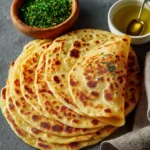
Almond Flour Tortillas Recipe
- Total Time: 30 minutes
- Yield: 6 tortillas
Description
Soft, flexible, gluten-free and low-carb, these almond flour tortillas are easy to make and perfect for wraps, tacos, and healthy meals.
Ingredients
¾ cup + 1 Tbsp (96 g) almond flour
2 Tbsp (18 g) coconut flour
1 Tbsp (10 g) psyllium husk powder
½ tsp baking powder
1/4–1/2 tsp salt
1 Tbsp olive oil
½ cup (120 g) warm water
Instructions
1. Add almond flour, coconut flour, psyllium husk powder, baking powder, and salt to a bowl. Stir to combine.
2. Add warm water and olive oil. Mix until dough forms.
3. Knead the dough for 30–45 seconds until soft and smooth.
4. Divide the dough into 4–6 balls depending on your desired tortilla size.
5. Roll each dough ball between oiled parchment sheets until about 6 inches wide.
6. Heat a lightly oiled skillet over medium heat.
7. Flip the tortilla onto the pan and peel off the paper. Cook for 2–3 minutes.
8. Flip and cook the other side for 1–2 minutes. Repeat for remaining dough.
9. Keep cooked tortillas covered with a towel to stay soft.
10. Serve warm or store in the fridge for up to 4 days.
Notes
You can prepare the dough a day ahead and refrigerate it.
Use blanched almond flour for the best texture.
If using whole psyllium husk, double the quantity or grind into powder.
Avoid overcooking to keep tortillas soft and flexible.
- Prep Time: 10 minutes
- Cook Time: 20 minutes
- Method: Stovetop
- Cuisine: American, Mexican
How to Make Almond Flour Tortillas – Step-by-Step Instructions
Preparing the Dough
Getting the dough right is the most critical part of making soft and flexible almond flour tortillas. Start by measuring each ingredient precisely using grams. Even slight variations can affect texture and consistency.
- Combine the dry ingredients:
In a medium-sized mixing bowl, add 96 g almond flour, 18 g coconut flour, 10 g psyllium husk powder, ½ tsp baking powder, and salt (start with ¼ tsp, adjust if needed). Stir everything thoroughly using a spoon or whisk to break up any clumps. - Add the liquids:
Pour in 120 g (½ cup) of warm water and 1 tbsp olive oil. Mix with a spoon until a rough dough forms. It may seem a bit sticky or dry depending on your flour moisture level. - Knead the dough:
Use your hands to knead the dough for 30 to 45 seconds until it becomes smooth and pliable. If the dough feels too dry or cracks, add 1 teaspoon of warm water at a time. If it feels sticky, dust in a little coconut flour. - Consistency check:
The dough should be slightly moist but not sticky. It should hold its shape and be easy to work with. If using a food processor, pulse until the dough clumps and then knead it lightly by hand.
Rolling Out the Dough
Once the dough is ready, it’s time to roll it out. Follow these steps for uniform and easy-to-cook tortillas:
- Divide the dough:
Depending on how large you want your tortillas, divide the dough into 4 to 6 equal parts. For larger tortillas, divide into 4 pieces. Roll each piece into a ball. - Prep for rolling:
Lightly oil the center of two sheets of parchment paper (or wax paper). Place one dough ball in between and flatten it gently with your hand. - Roll it out:
Use a rolling pin to evenly roll the dough into a circle about 6 inches (15 cm) in diameter. Don’t roll it too thin, or it might tear during cooking. - Shape it cleanly:
If you want perfectly round tortillas, use the ring of a springform pan or place a bowl upside down on top and trim the edges. - Keep dough fresh:
While working on one tortilla, keep the remaining dough balls covered with plastic wrap or stored in the fridge to prevent drying out.
Cooking Almond Flour Tortillas
Cooking these tortillas correctly ensures they stay soft and foldable.
- Heat the pan:
Preheat a non-stick skillet or frying pan over medium heat. Lightly oil the surface with a touch of olive oil. - Transfer the tortilla:
Flip the rolled dough onto the pan with parchment paper on top. Carefully peel off the parchment. - Cook the first side:
Let the tortilla cook for 2–3 minutes. You may see some bubbles or slight puffing, which is normal. - Flip and finish:
Gently flip the tortilla and cook for another 1–2 minutes. The tortilla should be slightly golden with light brown spots. - Keep warm and soft:
Transfer the cooked tortilla to a plate and cover with a clean kitchen towel to keep it warm and moist. Continue with the remaining dough.
Cooking Time and Tips
| Cooking Step | Time |
|---|---|
| First Side | 2–3 minutes |
| Second Side | 1–2 minutes |
- Don’t overcook the tortillas, or they can turn brittle.
- Adjust heat slightly depending on your stove. Too hot, and they’ll burn before cooking through.
- Keep cooked tortillas stacked and covered to retain flexibility.
Storing, Reheating, and Freezing Almond Flour Tortillas
Best Practices for Storing Fresh Tortillas
Once your almond flour tortillas are cooked, proper storage is key to maintaining their softness and flavor. These tortillas do not contain preservatives, so they need a bit more attention than store-bought ones.
Refrigerator Storage:
- Allow the tortillas to cool completely before storing.
- Stack them with parchment paper between each tortilla to prevent sticking.
- Wrap tightly in plastic wrap or place in an airtight container.
- Store in the refrigerator for 3 to 4 days.
Storing them while warm can create condensation, which leads to soggy or gummy textures. Cooling first keeps the structure firm yet flexible.
How to Reheat Almond Flour Tortillas
Reheating your tortillas the right way will bring back their original softness. Avoid microwaving directly unless you’re in a rush.
Best methods to reheat:
- Skillet:
Heat a dry non-stick skillet over medium heat. Warm each tortilla for 20–30 seconds on each side until soft and pliable. - Microwave (short method):
Place one tortilla between two damp paper towels. Microwave for 10–15 seconds. This adds steam, softening the texture. - Oven:
Preheat your oven to 300°F (150°C). Wrap the stack of tortillas in foil and warm them for 5–7 minutes.
Reheating gently is important. Overheating can make them brittle.
Can You Freeze Almond Flour Tortillas?
Yes, and they freeze exceptionally well. This is perfect for meal prep or making a large batch in advance.
Freezing instructions:
- Stack cooled tortillas with parchment paper between each one.
- Wrap the entire stack in plastic wrap and place in a freezer-safe bag or container.
- Label with the date. Use within 2 months for best quality.
To thaw:
- Remove from the freezer and let thaw in the fridge overnight or on the counter for an hour.
- Reheat using a skillet or microwave as described above.
Quick Storage Guide
| Storage Method | Duration | Tips |
|---|---|---|
| Room Temp | Not recommended | Can dry out quickly |
| Refrigerator | 3–4 days | Use airtight container |
| Freezer | Up to 2 months | Separate with parchment paper |
| Reheat | Skillet or Microwave | Avoid overheating |
Troubleshooting Almond Flour Tortillas – Common Issues & Fixes
Why Is My Dough Too Sticky or Wet?
One of the most common problems when making almond flour tortillas is sticky dough. This usually means there’s either too much water or your almond flour is extra moist.
Fix:
- Add small amounts of coconut flour, ½ teaspoon at a time, to absorb the excess moisture. Coconut flour is very absorbent and helps correct the dough quickly.
- If you’re using homemade almond flour, it may hold more moisture. In that case, reduce water slightly next time or dry the flour a bit before using.
My Dough Keeps Cracking – What Can I Do?
Cracking happens when the dough is too dry or the tortillas are rolled too thin. This is especially common with gluten-free flours that lack elasticity.
Fix:
- Add a few drops of warm water and knead until the dough feels more flexible.
- Don’t roll too thin. Keep the thickness even and slightly thick around the edges to avoid tearing during cooking.
- Rest the dough for a few minutes to allow the psyllium husk to fully hydrate.
Tortillas Are Sticking to the Paper – Why?
If your dough is sticking to the parchment paper, it likely means the paper isn’t greased properly or the dough is too moist.
Fix:
- Lightly oil both sheets of parchment paper before placing the dough in between.
- Let the rolled-out dough sit for 30 seconds before peeling off the top layer of paper. This allows it to firm up slightly.
Why Are My Tortillas Dry or Brittle After Cooking?
Overcooking or too much heat can cause your tortillas to lose moisture quickly, resulting in a dry, brittle texture.
Fix:
- Use medium heat, not high. Cook just enough to brown spots without drying out the dough.
- Stack cooked tortillas and cover them with a clean damp towel or wrap them in foil immediately. The steam keeps them flexible.
My Tortillas Taste Bland – How Can I Boost Flavor?
Though almond flour has a naturally mild, nutty flavor, some may find it too subtle.
Fix:
- Use ½ teaspoon of sea salt for more taste. Taste the dough before cooking and adjust if necessary.
- Add spices like cumin, garlic powder, or paprika to the dry mix for an extra layer of flavor if you’re using the tortillas for savory meals.
Summary: Troubleshooting at a Glance
| Problem | Possible Cause | Solution |
|---|---|---|
| Sticky dough | Too much water or moist almond flour | Add more coconut flour |
| Cracking | Dough too dry or over-rolled | Add warm water and roll thicker |
| Sticking to parchment | No oil or wet dough | Oil the paper and rest before peeling |
| Brittle tortillas | Overcooked or overheated | Cook on medium, cover with towel |
| Bland flavor | Not enough salt | Increase salt or add seasoning |
Creative Ways to Use Almond Flour Tortillas
Perfect for Wraps and Sandwiches
One of the best things about almond flour tortillas is their versatility. Because they’re soft, flexible, and sturdy, they make an excellent base for wraps of all kinds. You can use them to create healthy lunch options or quick dinners.
Ideas for wraps:
- Grilled chicken wrap with lettuce, avocado, and a drizzle of dairy-free ranch
- Veggie wrap with sautéed bell peppers, zucchini, and hummus
- Egg and spinach breakfast wrap for a low-carb start to your day
Folded in half, they also work great as a gluten-free sandwich bread alternative.
Use Them as Soft Tacos or Quesadillas
These tortillas are a dream for taco night. Since they’re low-carb and gluten-free, they work well with a variety of fillings. Their nutty flavor pairs especially well with spiced vegetables, beans, and herbs.
Taco toppings that work great:
- Roasted cauliflower with slaw and lime
- Spiced lentils with guacamole
- Black beans, grilled veggies, and cilantro
To make quesadillas:
- Place one tortilla on a pan, fill with your favorite cheese substitute and veggies, then top with a second tortilla. Heat until golden, flip, and cook the other side.
Flatbread Substitute for Sides and Dips
You can serve almond flour tortillas as a side to soups, curries, or dips. Their mild flavor doesn’t overpower, and they hold up well when used for scooping or dipping.
Try it with:
- Lentil soup or veggie chili
- Guacamole or salsa
- Plant-based yogurt dips
If you cut them into triangles and bake for a few minutes, they also make great grain-free chips.
Meal Prep and On-the-Go Options
Their flexibility makes these tortillas ideal for busy weekdays. Prep a batch in advance, store them in the fridge or freezer, and use them throughout the week.
On-the-go options:
- Wrap around pre-cooked fillings for a quick lunch
- Slice into strips and use as a crunchy salad topping
- Serve as a light, portable snack with a nut butter spread
Whether you’re hosting a casual dinner or packing lunch for work, these tortillas offer a healthy, homemade option without compromise.
Conclusion
Almond flour tortillas offer a wholesome, grain-free solution for anyone seeking a healthier alternative to traditional wheat wraps. They’re soft, flexible, and made with real ingredients you can feel good about. From tacos and wraps to flatbreads and quesadillas, their versatility makes them a kitchen essential for low-carb, gluten-free, and clean-eating lifestyles.
With the right balance of almond flour, coconut flour, and psyllium husk, you can create tortillas that taste just as satisfying as their flour-based counterparts—without the gluten, excess carbs, or additives. Plus, they store well, reheat easily, and fit perfectly into busy, health-conscious routines.
Whether you’re following a ketogenic diet, managing food sensitivities, or simply looking to eat better, these tortillas deliver both nutrition and flavor in every bite. Homemade almond flour tortillas aren’t just a recipe—they’re a better way to eat.