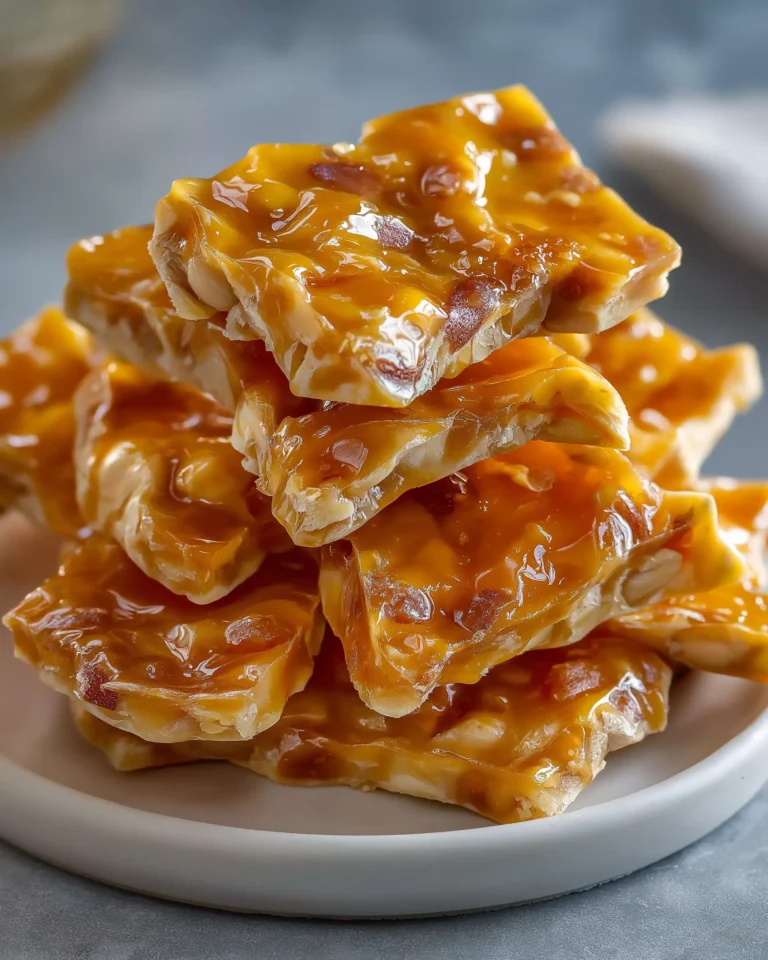
Peanut brittle is one of those timeless desserts that never loses its charm. With its crunchy texture, sweet caramel flavor, and nutty goodness, this treat has been a favorite across generations. The beauty of a homemade peanut brittle recipe is that it combines simple pantry ingredients into something truly special. By mastering this recipe, you can create a dessert that is both nostalgic and delightful, perfect for sharing with family, friends, or enjoying on your own.
This guide will walk you step by step through making peanut brittle at home, using only kitchen-friendly ingredients that are easy to find in the United States. You will also discover practical tips for achieving the perfect crunch, variations to suit your taste, and expert storage methods that keep your brittle fresh for weeks. Whether you are making it for a small get-together or simply to satisfy your sweet tooth, this homemade peanut brittle recipe will be your go-to choice.
The Charm of Homemade Peanut Brittle
Peanut brittle is more than just candy. It is a combination of science and sweetness. When sugar is heated to the right temperature, it caramelizes and transforms into a crisp base that hardens around roasted peanuts. This process creates the iconic brittle texture that makes the candy irresistible.
A Simple List of Ingredients
The beauty of this homemade peanut brittle recipe is its simplicity. You only need a few basic ingredients to get started:
- Sugar: The foundation of the brittle. When melted and caramelized, it provides the sweet base that holds everything together.
- Light Corn Syrup: This helps stabilize the sugar and prevents crystallization, ensuring your brittle turns out smooth and crunchy.
- Water: A small amount that helps dissolve the sugar evenly before cooking.
- Salted Roasted Peanuts: The star ingredient. Roasted peanuts add the nutty crunch that balances the sweetness of the candy.
- Butter: Adds a slight richness and smoothness to the brittle.
- Baking Soda: Essential for creating tiny air bubbles that make the brittle light and easy to break.
- Alcohol-free Vanilla Flavor: Enhances the candy with a warm aroma and subtle flavor without using extracts made with alcohol. Great alcohol-free vanilla brands available in the United States include Nielsen-Massey Pure Vanilla Powder, Watkins Clear Vanilla Flavor, and Frontier Co-op Alcohol-Free Vanilla Flavor.
All of these ingredients are widely available in U.S. supermarkets, and the recipe avoids any questionable components such as lard, alcohol-based flavorings, or gelatin. This makes it a straightforward and family-friendly recipe that anyone can enjoy.
Why Make It at Home?
Store-bought peanut brittle may be convenient, but it often contains preservatives, artificial flavors, and less-than-fresh nuts. Making it at home allows you to:
- Control the Ingredients: You decide the quality of sugar, nuts, and flavorings.
- Enjoy Freshness: Homemade brittle has a crunch that packaged versions can rarely match.
- Experiment Freely: You can try different nuts, adjust sweetness, or even add spices like cinnamon for a personalized touch.
- Save Money: Making peanut brittle at home is budget-friendly compared to specialty candy shops.
Homemade peanut brittle is also a great way to learn more about candy-making techniques. Watching sugar transform into a golden caramel and then harden into a shiny, crisp sheet is a rewarding experience. It is both an art and a science, and with a little patience, anyone can master it.
Print
Homemade Peanut Brittle Recipe
- Total Time: 55 minutes
- Yield: 50 servings
- Diet: Vegetarian
Description
A crunchy and sweet Homemade Peanut Brittle Recipe made with simple pantry ingredients like sugar, corn syrup, roasted peanuts, butter, baking soda, and alcohol-free vanilla flavor. Perfectly crisp, nutty, and easy to prepare in under an hour.
Ingredients
2 cups sugar
1 cup light corn syrup
1/2 cup water
2 cups salted roasted peanuts
2 tablespoons butter
1 1/2 teaspoons baking soda
1 1/2 teaspoons alcohol-free vanilla flavor
Instructions
1. Line a baking sheet with parchment paper and set aside.
2. Measure peanuts, butter, baking soda, and vanilla flavor ahead of time.
3. In a medium saucepan, add sugar and water. Stir until combined, then add corn syrup.
4. Cook over medium heat, stirring occasionally, until the mixture comes to a gentle boil.
5. Attach a candy thermometer, making sure it does not touch the bottom of the pan.
6. Cook until the temperature reaches 250°F (121°C), then add the peanuts.
7. Continue stirring constantly until the temperature reaches 300°F (149°C).
8. Remove from heat and quickly stir in butter, baking soda, and vanilla flavor. The mixture will foam.
9. Immediately pour onto the prepared baking sheet and spread evenly.
10. Allow to cool completely for at least 30 minutes, then break into pieces and enjoy.
Notes
Make Ahead: Peanut brittle can be prepared several days or even weeks in advance and will stay fresh at room temperature for 6–8 weeks.
Storage: Store completely cooled brittle in an airtight container at room temperature. Do not refrigerate, as moisture will soften the brittle.
Freezing: Peanut brittle can be frozen for up to 3 months. Store in a freezer-safe airtight container once fully cooled.
- Prep Time: 5 minutes
- Cook Time: 20 minutes
- Category: Dessert
- Method: Stovetop
- Cuisine: American
Step-by-Step Instructions for Homemade Peanut Brittle Recipe
Making peanut brittle at home may sound intimidating, but with the right guidance, it is surprisingly simple. The key is patience, accuracy, and having your ingredients ready before you begin. Candy-making moves quickly, so preparation is essential.
Preparing Your Workspace
Before you start cooking, make sure your kitchen is organized. Peanut brittle hardens fast, so once you pour the hot mixture, you must spread it quickly. Follow these tips to prepare your space:
- Line a Baking Sheet: Cover a large sheet pan with parchment paper and set it aside. This prevents the brittle from sticking and makes cleanup easier.
- Measure Ingredients in Advance: Have your peanuts, butter, baking soda, and alcohol-free vanilla flavor pre-measured and within reach. Once the sugar reaches the correct temperature, you will not have time to measure.
- Use the Right Tools: A heavy-bottomed saucepan, a sturdy wooden spoon, and a candy thermometer are essential. The thermometer ensures accuracy, while the saucepan prevents burning.
Cooking the Sugar Mixture
- Add the sugar and water to your saucepan, stirring until the sugar begins to dissolve.
- Stir in the corn syrup. This will keep the sugar from crystallizing and help it cook smoothly.
- Set the pan over medium heat. Avoid the temptation to raise the heat for faster cooking. A steady, moderate temperature ensures even caramelization.
- Stir occasionally until the mixture reaches a gentle boil.
Once it begins to boil, attach your candy thermometer. Make sure it does not touch the bottom of the pan, as that can give a false reading. The goal is to measure the liquid temperature accurately.
Adding the Peanuts
When the sugar mixture reaches 250°F (121°C), it is time to add the peanuts. This is a crucial step, because the peanuts will roast further as the sugar continues to cook. Stir constantly to coat them evenly and prevent scorching.
Keep cooking until the thermometer reads 300°F (149°C), also known as the “hard crack” stage. At this point, the sugar mixture is fully caramelized, and the peanuts are perfectly roasted.
Finishing the Brittle
The final steps are fast and exciting:
- Remove the pan from the heat.
- Stir in the butter, baking soda, and alcohol-free vanilla flavor. The mixture will foam up, creating tiny air bubbles that make the brittle light and crunchy.
- Quickly pour the hot mixture onto the prepared pan. Use a spatula or the back of a spoon to spread it into an even layer. Work fast, because it hardens in seconds.
Cooling and Breaking
Allow the brittle to cool completely at room temperature for at least 30 minutes. Once firm, use your hands to break it into smaller pieces. The irregular shards are part of the charm, giving each piece a unique look.
Storage Tips
Homemade peanut brittle should be stored in an airtight container at room temperature. Avoid refrigerating, as moisture will soften the candy. Stored properly, it remains fresh and crunchy for 6 to 8 weeks. For longer storage, you can freeze peanut brittle for up to three months. Just ensure it is completely cooled before placing it in a freezer-safe container.
Tips for Perfect Peanut Brittle Every Time
Peanut brittle may seem straightforward, but since it relies on precise sugar cooking, small mistakes can affect the final result. With a few smart tips, you can avoid common pitfalls and consistently achieve a crunchy, golden treat.
Use a Reliable Candy Thermometer
One of the most important tools for this recipe is a candy thermometer. Sugar changes rapidly as it cooks, and guessing the temperature often leads to brittle that is either too soft or burnt. The hard crack stage, at 300°F (149°C), is critical for the right texture. Always make sure your thermometer is calibrated and placed correctly in the liquid, not touching the pan’s bottom.
Work Quickly and Carefully
Once you remove the pan from the heat and add the butter, baking soda, and alcohol-free vanilla flavor, the mixture will foam up and start to harden almost immediately. Have your pan lined and ready to go before this step. Spread the brittle quickly with a spatula, but do not overwork it, or the candy will lose its light texture.
Avoid High Heat
A common mistake is to increase the heat to speed up cooking. This usually results in burnt sugar or uneven caramelization. Stick to medium heat, even if it feels slow. The steady temperature ensures smooth results without bitterness.
Stir at the Right Times
Stirring too often can cause sugar crystals to form, leading to a grainy texture. During the early stages, stir just enough to dissolve the sugar. After adding the peanuts, stir constantly to keep them from burning and to coat them evenly.
Use Fresh Nuts
The peanuts are the star of this recipe, so their freshness matters. Always choose roasted, salted peanuts with a crisp texture. Stale nuts will affect both flavor and crunch. If you prefer unsalted peanuts, you can use them and add a small pinch of salt when stirring in the butter and baking soda.
Keep Humidity in Mind
Candy-making is sensitive to moisture. On humid days, the sugar may absorb extra moisture from the air, making the brittle softer than desired. If possible, prepare peanut brittle on a dry day, or store it in an airtight container with a silica gel packet to help absorb moisture.
Common Troubleshooting
- Brittle is too soft: The sugar mixture may not have reached the hard crack stage. Ensure it cooks until 300°F before removing it from the heat.
- Brittle is grainy: This can happen if sugar crystals formed during cooking. Avoid stirring too much early on, and use corn syrup to stabilize the mixture.
- Brittle sticks to teeth: Overcooking the sugar can make it too hard. Careful temperature monitoring prevents this issue.
By following these tips, your homemade peanut brittle will have the perfect balance of sweetness, crunch, and nutty flavor every time you make it.
Fun Variations and Flavor Twists for Peanut Brittle
The classic homemade peanut brittle recipe is loved for its simplicity, but one of the joys of making it at home is the freedom to experiment. By making small adjustments, you can transform the flavor and texture, creating unique versions of this timeless candy.
Trying Different Nuts
While peanuts are the traditional choice, you can swap them out for other nuts to create exciting variations:
- Almond Brittle: Almonds add a slightly sweeter, more delicate flavor that pairs beautifully with caramelized sugar.
- Cashew Brittle: Cashews offer a buttery, rich taste that makes the candy feel more indulgent.
- Pecan Brittle: Pecans bring a warm, earthy flavor that balances the sweetness of the brittle perfectly.
- Mixed Nut Brittle: Combining different nuts such as almonds, pecans, and peanuts creates a delightful mix of textures and flavors.
Adding Spices
For a touch of warmth, spices can elevate the brittle without overpowering it. Consider these options:
- Cinnamon: A light sprinkle of cinnamon adds cozy depth.
- Nutmeg: Just a pinch provides an earthy undertone.
- Chili Powder or Cayenne: For those who enjoy sweet and spicy contrasts, a small dash of chili powder or cayenne gives the brittle a bold kick.
Chocolate-Drizzled Peanut Brittle
Once the brittle has cooled and hardened, drizzle melted chocolate over the top for a decadent twist. Dark chocolate balances the sweetness, while milk chocolate makes it creamier. You can even sprinkle sea salt over the chocolate before it hardens to create a sweet-and-salty finish.
Coffee-Infused Brittle
Adding a teaspoon of instant espresso powder to the sugar mixture before cooking gives the brittle a subtle coffee flavor. This variation pairs especially well with dark chocolate drizzle or mixed nuts.
Coconut Peanut Brittle
For a tropical flair, add shredded coconut along with the peanuts before spreading the mixture onto the pan. The coconut toasts slightly in the hot sugar, adding texture and flavor.
Creative Mix-Ins
Peanut brittle does not have to stick to nuts alone. Other tasty additions include:
- Toasted Sesame Seeds: Add a nutty crunch with an Asian-inspired twist.
- Pumpkin Seeds (Pepitas): Offer a mild, earthy flavor and a unique texture.
- Dried Fruit: Chopped dried cranberries or cherries can be pressed into the surface after spreading for bursts of tartness.
Adjusting Sweetness
If you prefer less sweetness, reduce the sugar slightly and increase the nut-to-candy ratio. This creates a more nut-forward brittle that still delivers satisfying crunch without being overly sugary.
These variations allow you to personalize your homemade peanut brittle recipe to suit your taste. Whether you prefer classic simplicity or adventurous flavors, experimenting with different ingredients ensures every batch feels special.
Storage, Serving Ideas, and Long-Term Enjoyment
Once you’ve mastered the homemade peanut brittle recipe, you’ll want to make sure it stays fresh and enjoyable for as long as possible. Luckily, brittle is one of the easiest candies to store, and it maintains its crunchy texture when handled properly.
Storing Peanut Brittle
The most important rule for storing brittle is to keep it away from moisture. Sugar candies quickly absorb humidity, which makes them sticky and soft. To avoid this, follow these tips:
- Use Airtight Containers: Store cooled brittle in a sealed container, preferably glass or hard plastic with a tight lid.
- Room Temperature is Best: Keep the container at room temperature rather than in the refrigerator. Cold storage introduces moisture that can ruin the texture.
- Layer with Parchment Paper: If stacking pieces, place parchment paper between the layers to prevent sticking.
- Long-Term Storage: For up to three months, brittle can be stored in the freezer. Use a freezer-safe container, and ensure the brittle is fully cooled before freezing.
Serving Ideas
Peanut brittle is delicious on its own, but it also makes a versatile treat that can be enjoyed in many creative ways:
- With Ice Cream: Break brittle into small shards and sprinkle over vanilla or chocolate ice cream for added crunch.
- As a Dessert Topping: Crumble it over cakes, cupcakes, or puddings for a sweet, nutty garnish.
- In Snack Mixes: Combine small pieces with pretzels, popcorn, and dried fruit for a sweet and salty snack blend.
- Paired with Coffee or Tea: The crisp sweetness of brittle pairs wonderfully with a hot beverage, making it an ideal afternoon treat.
Gifting Peanut Brittle
Since it stores well and maintains its crunch for weeks, peanut brittle makes a thoughtful homemade gift. Place pieces in decorative jars or treat bags, and seal them tightly to preserve freshness. Adding a handwritten label or ribbon makes it even more special.
Making Large Batches
If you want to prepare a larger quantity, the recipe can easily be doubled. Just make sure to use a heavy-duty pan that can handle the increased volume. Also, keep in mind that the mixture still hardens quickly, so have an extra baking sheet lined and ready.
Nutrition and Portion Control
Peanut brittle is a candy, so it should be enjoyed in moderation. Each serving provides about 88 calories with a balance of carbohydrates, protein, and fat from the peanuts. The nuts also add fiber and small amounts of iron, potassium, and calcium. While it’s sweet, it is more satisfying than many other candies thanks to the protein-rich peanuts.
Conclusion: Mastering the Homemade Peanut Brittle Recipe
Peanut brittle is more than just candy, it is a blend of sweetness, crunch, and tradition that has stood the test of time. With just a few simple ingredients like sugar, corn syrup, peanuts, butter, baking soda, and alcohol-free vanilla flavor, you can create a treat that delivers both nostalgia and satisfaction. By following step-by-step instructions and paying close attention to details such as temperature and timing, anyone can achieve that perfect golden crunch.
This homemade peanut brittle recipe offers more than a quick snack. It is an opportunity to explore the art of candy-making, experiment with flavors, and even share your creations with others. Whether you stick to the classic version or branch out with variations like almond brittle, chocolate drizzle, or spicy twists, the result is always rewarding.
One of the best qualities of peanut brittle is its ability to last. Stored properly, it maintains freshness and crunch for weeks, making it an excellent make-ahead treat. It also adapts beautifully to creative serving ideas, from topping ice cream to being part of a snack mix. Its versatility means you can enjoy it in many different ways without ever getting bored.
Above all, making peanut brittle at home gives you control over ingredients and flavors. It allows you to avoid unnecessary additives and enjoy a pure, freshly made candy that tastes far superior to store-bought options. With a little practice and patience, this recipe becomes second nature, giving you a go-to dessert that is timeless, fun, and always appreciated.