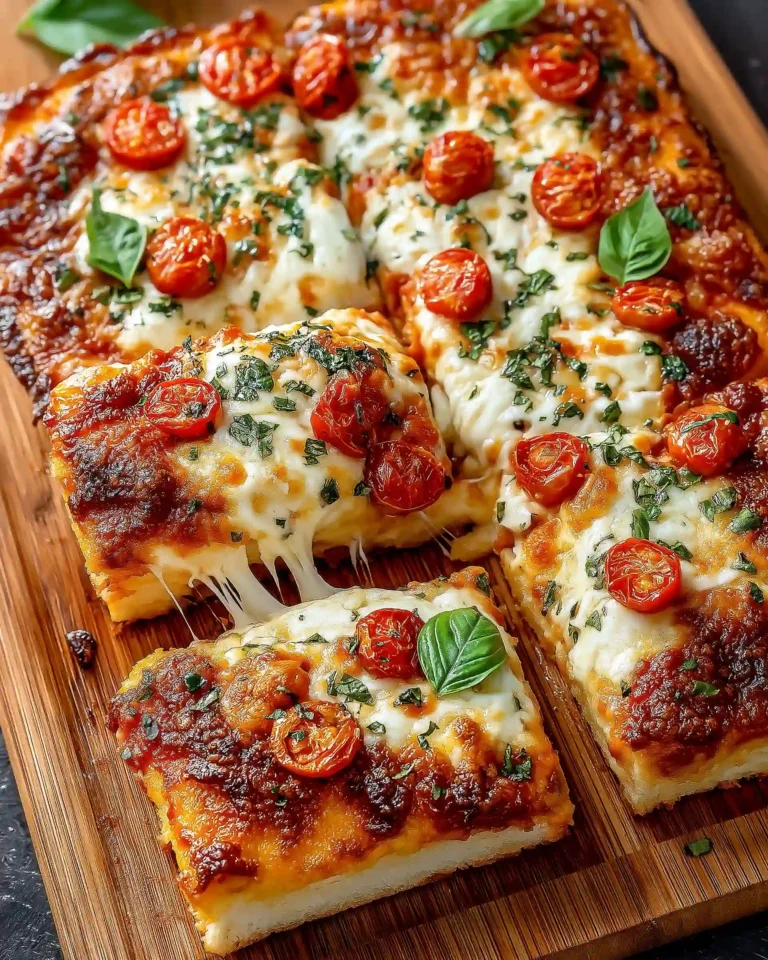
If you’re looking for a fast, no-fuss way to enjoy homemade pizza, this Sheet Pan Pizza Recipe is about to become your go-to favorite. Whether you’re feeding a family on a busy weeknight or prepping for a cozy weekend meal, this recipe brings flavor, simplicity, and satisfaction to the table without the mess or the need for fancy equipment. The best part? All you need is a handful of fresh ingredients, a quarter sheet pan, and just 25 minutes from start to finish.
In this article, we’ll walk through every step of making the perfect sheet pan pizza from scratch. From choosing the best dough, to preparing your pan for that crispy golden crust, to topping ideas that go beyond the usual, you’ll discover how easy it is to make pizza night at home a delicious success. We’ll also cover storage tips, nutritional info, and answer some of the most common questions about making sheet pan pizza. Let’s dive in.
Getting Started with Sheet Pan Pizza
What is a Sheet Pan Pizza?
A sheet pan pizza is exactly what it sounds like—a pizza baked directly on an aluminum sheet pan, rather than a traditional pizza stone or round tray. The dough is rolled out to fit the rectangular pan, giving the pizza a rustic, crispy-edged finish and thick, chewy base. It’s ideal for those who want that comforting pizzeria-style flavor but don’t have a pizza oven at home.
This method allows for easy customization, minimal cleanup, and a perfect crust that’s soft in the middle with golden, crisp edges. Unlike thin-crust options, a sheet pan pizza offers more bite and a heartier texture that holds toppings well.
Why Choose Sheet Pan Pizza Over Traditional Styles?
There are several reasons why a sheet pan pizza recipe should be in your rotation:
- Simplicity: No need for special tools. If you have a sheet pan and an oven, you’re good to go.
- Speed: From prep to plate in under 30 minutes.
- Versatility: You can top it with nearly anything you like, from fresh vegetables to simple herbs.
- Crowd-Pleaser: The rectangular shape makes it easy to slice and serve, making it perfect for feeding a group.
- Budget-Friendly: Using pantry staples and a basic dough means it’s affordable and still impressive.
Best Type of Dough to Use
The base of any great pizza is its dough. For sheet pan pizza, you want a dough that’s soft and elastic but sturdy enough to stretch across the pan without tearing. You can use store-bought pizza dough for convenience or make your own with flour, yeast, olive oil, salt, and water.
Letting the dough sit at room temperature for about 20 minutes helps relax the gluten, making it easier to stretch. This step is essential and ensures the dough fits the pan properly without shrinking back during baking.
Tools and Equipment You’ll Need
Making sheet pan pizza doesn’t require much, but having the right tools helps:
- Quarter Sheet Pan (9×13 inches): This size is ideal for even cooking and a balanced crust.
- Rolling Pin: To roll out the dough evenly.
- Pastry Brush: Helpful for spreading olive oil without over-saturating.
- Spatula or Pizza Cutter: For easy serving.
Having quality aluminum sheet pans also helps with heat distribution, ensuring the bottom of your crust bakes evenly and crisps up just right.
Print
Sheet Pan Pizza Recipe
- Total Time: 25 minutes
- Yield: 6 servings
- Diet: Vegetarian
Description
A quick and easy homemade sheet pan pizza recipe with crispy edges, gooey cheese, fresh basil, and juicy cherry tomatoes—all baked to perfection in under 30 minutes.
Ingredients
½ pound pizza dough
3 tablespoons olive oil, divided
½ cup pizza sauce
1 cup shredded mozzarella cheese
4–5 cherry tomatoes, sliced
½ cup fresh basil, chopped, plus more for topping
Instructions
1. Let the dough sit at room temperature, covered, for 20 minutes.
2. Preheat the oven to 500°F and position the rack in the upper third of the oven.
3. Roll the dough out to about 9 x 13 inches to fit a quarter sheet pan.
4. Add 2 tablespoons of olive oil to the sheet pan and press the dough evenly into the pan.
5. Drizzle the remaining tablespoon of olive oil over the dough.
6. Spread the pizza sauce evenly across the dough.
7. Sprinkle the mozzarella cheese evenly over the sauce.
8. Top with sliced cherry tomatoes and half of the chopped basil.
9. Bake for 10–12 minutes until the crust is golden and the cheese is melted and bubbly.
10. Remove from the oven, top with fresh basil and crushed red pepper flakes if desired, slice, and serve.
Notes
This pizza is best enjoyed straight out of the oven. Leftovers can be stored in an airtight container in the refrigerator for up to 3 days.
You can reheat slices in a skillet or oven to restore crispness.
- Prep Time: 10 minutes
- Cook Time: 15 minutes
- Method: Baking
- Cuisine: American
Prepping Your Dough and Pan for Perfect Results
How to Prepare Pizza Dough for Sheet Pan Baking
Before anything goes into the oven, getting your dough ready is a crucial first step. Since sheet pan pizza dough needs to stretch across a rectangular surface, you’ll want to let it sit at room temperature, covered, for at least 20 minutes. This resting period allows the gluten in the dough to relax, making it more pliable and easier to roll or stretch.
Once rested, lightly flour your surface and gently roll the dough out to roughly 9 x 13 inches. Don’t worry about achieving perfect edges—rustic is part of the charm. If the dough resists or shrinks back, let it rest for another 5 minutes before trying again.
A soft, elastic dough is key to getting that golden, chewy texture once baked. Avoid overworking it, which can make the crust too dense and tough.
Oiling the Sheet Pan for Crisp, Golden Crust
One of the secrets to that signature sheet pan crunch lies in the olive oil. Start by drizzling 2 tablespoons of olive oil onto the quarter sheet pan. Spread it around with a brush or your fingers, making sure the bottom and sides are well coated. This not only prevents sticking but also helps create that golden, crispy base that makes sheet pan pizza so satisfying.
Once the dough is stretched to size, gently press it into the oiled pan. Don’t pull or stretch too aggressively—just ease it in with your fingertips until it covers the surface evenly. At this stage, drizzle the remaining tablespoon of olive oil directly on top of the dough. It adds flavor and helps the edges crisp up beautifully during baking.
Tips for Preheating Your Oven the Right Way
Baking pizza at high heat ensures a quick cook and the perfect texture. Set your oven to 500°F and place the rack in the upper third of the oven. This positioning gives your pizza the benefit of radiant heat from the top while keeping the crust from overcooking too quickly.
Allow your oven to preheat fully before placing the pizza inside. This ensures that the crust starts cooking immediately and prevents sogginess. A properly preheated oven is one of the most important steps for achieving restaurant-quality results at home.
Common Mistakes to Avoid in Preparation
Even though this recipe is simple, here are a few things to watch out for:
- Skipping the dough rest: This leads to a dough that resists stretching and cooks unevenly.
- Under-oiling the pan: Without enough olive oil, your crust may stick or lack that crisp edge.
- Overloading with toppings: Keep it balanced—too much cheese or sauce can make the crust soggy.
- Opening the oven too often: Every time the door opens, heat escapes. Trust the process and let it bake for the full 10–12 minutes without interruption.
Mastering these simple techniques guarantees your sheet pan pizza comes out with a crust that’s golden, crispy on the outside, and tender on the inside.
Building Flavor with Sauce, Cheese, and Toppings
Choosing the Right Sauce for Sheet Pan Pizza
A good sauce can make or break your pizza. For this sheet pan pizza recipe, a classic tomato-based pizza sauce works perfectly. It adds rich, tangy flavor that complements the cheese and balances the olive oil. Use ½ cup of your favorite pizza sauce—whether homemade or store-bought.
When spreading the sauce, start from the center and work outward using the back of a spoon. Leave a half-inch border around the edges to allow the crust to rise and crisp. Avoid over-saucing. Too much can soak into the dough, making the crust soggy instead of golden and crisp.
You can customize your sauce by adding garlic powder, dried oregano, or a pinch of red pepper flakes for a subtle kick. But simplicity often wins—especially when your ingredients are fresh and high-quality.
Selecting the Best Cheese: Why Mozzarella Reigns
When it comes to cheese, mozzarella is the gold standard. For this recipe, 1 cup of shredded mozzarella is just the right amount. It melts beautifully, creating that gooey texture and mild flavor most people love. If possible, use whole milk mozzarella for better melting and stretch.
Spread the cheese evenly across the top, leaving that same half-inch border around the edges. This gives room for the cheese to bubble and the crust to develop that golden finish.
Want to add a little extra flavor? Sprinkle a few pinches of grated Cabot Parmesan cheese (or Tillamook brand) or a dusting of garlic powder after the cheese is layered, but don’t overdo it. Keep the focus on fresh, clean ingredients.
Fresh Toppings that Elevate Flavor and Texture
Toppings are where your creativity can shine, but the key is balance. For this recipe, the toppings are:
- 4–5 cherry tomatoes, sliced
- ½ cup fresh chopped basil, plus more for serving
Cherry tomatoes add a juicy burst of flavor and a pop of color. Slice them in halves or thirds and scatter them across the pizza. They’ll roast slightly in the oven, intensifying their natural sweetness.
Fresh basil brings an herbaceous, aromatic touch that brightens the entire dish. Sprinkle half of it before baking so it melts slightly into the cheese. Save the rest for after baking to preserve its vibrant color and fresh taste.
If you’re looking to add more toppings, stick with fresh vegetables like bell peppers, mushrooms, spinach, or zucchini. Just make sure they’re sliced thinly and not water-heavy, or pre-sautéed if needed, so they don’t weigh down the dough.
The Finishing Touch: Extra Olive Oil and Optional Heat
Before the pizza goes into the oven, drizzle the remaining olive oil across the top. It helps roast the toppings, deepens flavor, and creates irresistible golden edges.
Once baked, finish your pizza with a handful of fresh basil and, if desired, a light pinch of crushed red pepper flakes. These optional flakes offer a gentle heat that complements the richness of the cheese and the sweetness of the tomatoes.
This combination of classic toppings, with fresh herbs and quality olive oil, makes for a sheet pan pizza that’s bright, balanced, and loaded with flavor—without being overloaded or greasy.
Baking Tips for the Perfect Sheet Pan Pizza Every Time
Ideal Oven Temperature and Rack Placement
For that perfect golden crust and bubbling cheese, oven temperature matters. Always preheat your oven to 500°F. This high temperature mimics a professional pizza oven and allows the dough to cook quickly, creating a lightly crisped bottom with a soft center.
Equally important is rack placement. Bake the pizza in the upper third of your oven. This positioning exposes the pizza to more top heat, which helps brown the cheese and create a slightly blistered texture without burning the bottom crust.
Let the oven come to full temperature before baking. Inconsistent heat is one of the biggest reasons for undercooked or uneven pizzas.
How Long to Bake a Sheet Pan Pizza
With the dough spread and toppings layered, it’s time to bake. Place the pizza into the preheated oven and bake for 10 to 12 minutes. Keep an eye on it starting around minute 9, especially if your oven runs hot.
You’re looking for these signs that it’s ready:
- Golden brown edges on the crust
- Bubbling, slightly browned cheese on top
- Visible caramelization on toppings like tomatoes
Avoid opening the oven repeatedly. Doing so drops the temperature, which can lead to uneven cooking. Trust the process and use the oven light if you want to peek.
Common Baking Issues and How to Solve Them
Even a straightforward sheet pan pizza recipe can come with a few hiccups. Here’s how to fix them:
- Crust too pale or soft? You may have underbaked or added too much sauce. Make sure your oven is fully preheated and give the pizza an extra 1–2 minutes if needed.
- Cheese overcooked or separated? High moisture cheese or baking too long can cause this. Stick to recommended baking time and use high-quality mozzarella.
- Bottom too soggy? Ensure the dough is pressed evenly into a well-oiled pan. Thin out your sauce slightly and avoid overloading with toppings.
Remember, every oven behaves a little differently. Once you make this recipe once or twice, you’ll learn exactly how long it needs for your perfect finish.
The Final Touch: Post-Oven Perfection
Right after pulling your pizza from the oven, let it rest for 2 minutes. This short window lets the cheese settle and makes slicing cleaner. Sprinkle on your reserved fresh basil to lock in that herbal brightness and color. You can also add a light pinch of crushed red pepper flakes, depending on your flavor preference.
Then, using a pizza cutter or sharp knife, slice into 6 generous pieces. Serve immediately while the cheese is still warm and stretchy, and the crust is perfectly crisp.
Storing Leftovers and Reheating the Right Way
How to Properly Store Sheet Pan Pizza
While nothing beats a slice of sheet pan pizza fresh from the oven, leftovers can still be delicious—if stored correctly. If you happen to have slices left, let them cool completely at room temperature first. Placing hot pizza into storage can trap moisture and lead to soggy crust later on.
Once cooled, store your slices in an airtight container. You can also separate layers with parchment paper to prevent the cheese and toppings from sticking. Keep the container in the refrigerator, where it will stay fresh for up to 3 days.
Avoid storing the pizza directly in aluminum foil or plastic wrap without an airtight seal. These options don’t protect well against fridge odors or drying out.
Best Methods for Reheating Pizza Without Losing Texture
When reheating your sheet pan pizza, the goal is to bring back that crispy crust and gooey cheese without making it rubbery or dry. Here are the most effective methods:
1. Oven or Toaster Oven (Best for Crispy Results):
- Preheat your oven to 375°F
- Place the pizza directly on the rack or on a baking sheet
- Bake for 7 to 10 minutes until heated through and crisp
This method revives the crust and re-melts the cheese nicely.
2. Skillet (Quick and Crisp):
- Heat a nonstick or cast iron skillet over medium
- Place the pizza slice in the skillet and cover loosely with a lid
- Heat for 3–5 minutes
The skillet helps restore the crispy bottom while keeping the top melty.
3. Microwave (Quickest but Softest):
- Place the slice on a microwave-safe plate
- Cover with a slightly damp paper towel
- Microwave on 50% power for 30–45 seconds
While this method is fast, it may result in a softer crust. It’s best for when convenience matters more than texture.
How to Repurpose Leftover Pizza
If you’re not in the mood to eat the same slice again, consider repurposing your leftovers. You can:
- Cut into small bites for a snack platter
- Serve with a salad for a quick lunch combo
- Transform it into croutons by cubing and crisping it in a toaster oven
These small tricks turn yesterday’s meal into something new and exciting.
What Not to Do with Leftover Pizza
Avoid freezing this specific pizza recipe. Because of the fresh basil and cherry tomatoes, freezing can cause texture changes and make the crust soggy when thawed. Also, don’t leave leftover pizza at room temperature for more than 2 hours, as it can grow harmful bacteria.
With proper storage and reheating, your sheet pan pizza will remain just as enjoyable the next day—crisp, flavorful, and comforting.
Nutritional Breakdown and Healthy Customizations
Understanding the Nutrition in Sheet Pan Pizza
This sheet pan pizza recipe may be simple, but it still delivers a satisfying balance of macronutrients. Per serving (based on 6 servings), here’s the breakdown:
- Calories: 219 kcal
- Carbohydrates: 20g
- Protein: 8g
- Fat: 12g
- Saturated Fat: 4g
- Cholesterol: 15mg
- Sodium: 499mg
- Fiber: 1g
- Sugar: 4g
- Vitamin A: 389 IU
- Vitamin C: 5mg
- Calcium: 102mg
- Iron: 2mg
This nutritional profile makes sheet pan pizza a moderate option for those watching calories, while still offering a good amount of protein and healthy fats from the olive oil and mozzarella. The use of fresh cherry tomatoes and basil adds a touch of vitamin C and antioxidants.
Tips for Lightening Up the Recipe
If you’re looking to make this recipe a bit lighter without losing flavor, here are easy swaps and adjustments:
- Use whole wheat pizza dough: This increases fiber and keeps you fuller longer.
- Reduce cheese slightly: Using ¾ cup instead of a full cup still delivers flavor with fewer calories.
- Add more vegetables: Boost nutrients with toppings like spinach, bell peppers, or zucchini.
- Use low-fat mozzarella: A good option for reducing saturated fat while maintaining a satisfying texture.
- Go easy on the olive oil: Two tablespoons can still coat the pan well if you want to cut back slightly on fat.
These changes let you keep the essence of this easy sheet pan pizza while fine-tuning it to fit specific dietary goals.
Making it Vegan or Dairy-Free
If you’re following a dairy-free or plant-based lifestyle, this recipe is easy to adapt. Here’s how:
- Use vegan pizza dough (most store-bought doughs are vegan, but check ingredients for dairy).
- Substitute with dairy-free mozzarella: There are many plant-based options available made from almond, coconut, or cashew bases.
- Skip the cheese entirely and load up on roasted veggies, olives, or caramelized onions for flavor.
- Use a tomato-based marinara without added dairy for your sauce.
This version delivers all the flavor and texture with none of the dairy.
Gluten-Free Options for the Crust
Those avoiding gluten can still enjoy a satisfying sheet pan pizza. Here’s how to modify the base:
- Buy gluten-free pizza dough from your local store or online.
- Make a homemade crust using gluten-free flour, yeast, water, olive oil, and a little xanthan gum for stretch.
- Precook gluten-free dough slightly before adding toppings. This helps firm it up and prevent sogginess.
With a few tweaks, this sheet pan pizza recipe becomes accessible for most diets—without sacrificing taste or satisfaction.
Conclusion
This sheet pan pizza recipe proves that making homemade pizza doesn’t have to be complicated or time-consuming. With just a few simple ingredients and basic kitchen tools, you can create a flavorful, crispy, and satisfying pizza right in your own oven. From prepping the dough and layering on vibrant toppings to baking it to golden perfection, every step is designed for ease and maximum flavor.
Whether you’re cooking for a weeknight dinner or hosting a casual gathering, this recipe delivers consistent results and crowd-pleasing taste. With options to customize for dietary needs and tips for storing leftovers, it’s a versatile dish you’ll want to make again and again.