There’s nothing quite like a traditional Neapolitan pizza, with its thin, chewy crust, perfectly blistered edges, and that unmistakably rich, tangy tomato sauce. At the heart of this Italian masterpiece lies the soul of the recipe—the pizza sauce. And not just any sauce, but a Neapolitan San Marzano pizza sauce, prized for its simplicity, balance, and bold tomato flavor.
Made with just a handful of high-quality ingredients, this sauce is a testament to how less can truly be more. With the robust sweetness of San Marzano tomatoes, the peppery aroma of extra-virgin olive oil, the pungency of fresh garlic, and a subtle touch of herbs and salt, the sauce becomes a base that enhances, not overwhelms. In this article, we’ll explore how to make the perfect Neapolitan San Marzano pizza sauce from scratch, including the essential ingredients, their origin, the best preparation techniques, storage tips, and how this sauce ties into the broader traditions of Neapolitan pizza-making.
Understanding the Heart of the Sauce – San Marzano Tomatoes
What Makes San Marzano Tomatoes Special
San Marzano tomatoes are grown in the fertile volcanic soil near Mount Vesuvius in Italy, where the climate and mineral-rich earth yield a tomato with unique characteristics. These tomatoes are known for their elongated shape, deep red color, low acidity, and sweet, rich flavor. Unlike regular plum tomatoes, San Marzano tomatoes have fewer seeds and less water content, which makes them perfect for sauce.
In Neapolitan cooking, authenticity is key. That’s why many traditional recipes insist on using certified DOP San Marzano tomatoes. DOP stands for “Denominazione d’Origine Protetta,” or Protected Designation of Origin, meaning the tomatoes were grown, harvested, and processed under strict guidelines in the designated region.
Why San Marzano Tomatoes Are Ideal for Pizza Sauce
The naturally balanced sweetness and low acidity of San Marzano tomatoes means you don’t have to cook them down or add sugar to correct the flavor. When blended raw with just a few ingredients, the result is a bright, vibrant sauce with layers of depth. This no-cook approach preserves the tomatoes’ raw, fresh character—exactly what you want in a Neapolitan pizza sauce.
Thanks to their meaty texture and lower moisture content, San Marzano tomatoes also help create a thicker sauce that won’t sog out your pizza crust. And because they’re not overly acidic, they pair beautifully with fresh mozzarella and the high-heat cooking of a wood-fired oven or pizza stone.
In essence, San Marzano tomatoes aren’t just a choice—they’re a tradition, a foundation, and a flavor that elevates every bite of your pizza.
Print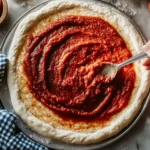
Neapolitan San Marzano Pizza Sauce Recipe
- Total Time: 5 minutes
- Yield: 4 pizzas
- Diet: Vegetarian
Description
This Neapolitan San Marzano Pizza Sauce recipe is simple, uncooked, and full of fresh, bold Italian flavor. Made with just five ingredients, it’s the perfect sauce for any homemade Neapolitan-style pizza.
Ingredients
1 (28-ounce) can whole peeled San Marzano tomatoes
2 teaspoons extra-virgin olive oil
2 small garlic cloves
½ teaspoon sea salt
¼ teaspoon dried oregano
Instructions
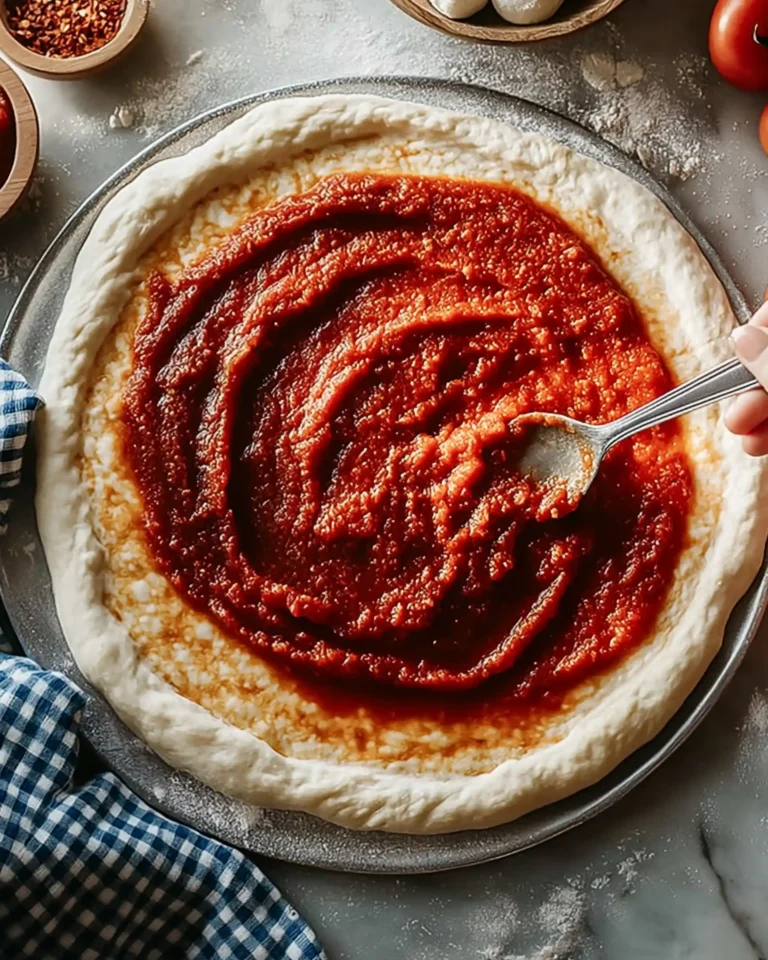
1. Place the tomatoes and their juices, olive oil, garlic, salt, and oregano in a food processor.
2. Blend until smooth and fully combined.
3. For a thicker sauce, drain the tomatoes before blending.
4. Taste and adjust seasoning if needed.
5. Use immediately or refrigerate/freeze for later use.
Notes
This sauce is best used raw and spread thinly on pizza before baking.
Makes enough for approximately 4 pizzas.
Store leftovers in an airtight container in the fridge for up to 5 days, or freeze for up to 3 months.
- Prep Time: 5 minutes
- Cook Time: 0 minutes
- Method: No-cook
- Cuisine: Neapolitan
Key Ingredients That Define the Sauce
The Role of Extra-Virgin Olive Oil
In a sauce with so few components, every ingredient must be top-quality—and extra-virgin olive oil is no exception. This oil isn’t just for texture, it contributes a distinct peppery, fruity note that deepens the overall flavor of the sauce. Just a small amount—2 teaspoons—goes a long way.
Cold-pressed and unrefined, extra-virgin olive oil brings authenticity to the recipe and helps emulsify the sauce slightly when blended. It also adds a silky finish that coats the dough gently without overpowering it.
Avoid using light or blended oils, as they lack the character needed for this style of sauce. A good olive oil complements the sweetness of the tomatoes and ties all the ingredients together into a well-rounded flavor profile.
Garlic – Small Cloves, Big Impact
Garlic plays a vital supporting role in this sauce. Using just two small cloves, it infuses the mixture with a mellow pungency that enhances the tomato base without taking over. Raw garlic, when blended into the sauce, releases its oils and aroma instantly.
Keep in mind, the garlic is not cooked beforehand. This raw usage keeps the flavor bright and sharp, giving your pizza that signature Italian zing. It’s always better to use fresh garlic rather than pre-minced or paste forms, which can taste processed or overly strong.
Balancing Flavors with Sea Salt and Oregano
Sea salt is used in moderation—just half a teaspoon—to bring out the natural sweetness of the tomatoes and season the entire sauce evenly. The salt works as a flavor enhancer, not a spotlight ingredient, so resist the urge to over-salt.
Dried oregano, on the other hand, adds a subtle earthy, herbaceous layer to the sauce. A mere quarter teaspoon is enough. Since it’s dried, the oregano releases its oils more slowly, helping the sauce maintain its rustic aroma during baking.
Together, these ingredients work in harmony to highlight the tomatoes rather than mask them. The result is a sauce that’s flavorful yet restrained, letting each component do its part without crowding the palate.
Blending Technique and Sauce Consistency
How to Properly Blend the Sauce
The beauty of a Neapolitan San Marzano pizza sauce recipe lies in its raw, fresh nature. Unlike many pasta sauces, this one is not cooked before being spread on the pizza dough. Instead, everything is combined using a food processor or high-speed blender.
Here’s the ideal method:
Place the whole peeled San Marzano tomatoes, along with all their juices, into the bowl of your food processor. Add in extra-virgin olive oil, garlic cloves, sea salt, and dried oregano. Blend the mixture just enough to break everything down into a smooth, pourable consistency—but avoid overprocessing it. Over-blending can break down the seeds and skins too much, which may lead to bitterness.
A quick pulse or two will usually do the trick. The goal is a sauce that’s silky yet still a bit rustic, with a natural thickness and no need for added tomato paste or thickeners.
Adjusting Thickness for Your Desired Texture
Texture makes all the difference when it comes to pizza sauce. Some prefer a lighter, more spreadable sauce, while others love a rich, clingy base that sits firmly on the dough.
If you like a thicker sauce, simply drain the tomatoes before blending. Use a fine mesh strainer or gently squeeze out excess juice by hand. Don’t throw out the juice, though—you can freeze it and use it for soups or risotto.
For a looser, more traditional consistency, blend the tomatoes along with all their juices. This will yield a silky, slightly thinner sauce perfect for high-temperature baking.
You can also adjust the seasoning after blending. If you feel it needs a touch more salt or oregano, add it in small amounts and pulse again. Always taste before finalizing—this sauce is all about balance.
Remember, this sauce isn’t meant to be cooked ahead of time. It transforms on the pizza itself, caramelizing and intensifying in the oven’s heat. That’s the magic of the Neapolitan style—raw ingredients meeting fire for the first time on the dough.
Smart Storage and Reuse of Neapolitan Pizza Sauce
Best Practices for Storing the Sauce
Once your Neapolitan San Marzano pizza sauce is blended and ready, it’s important to store it properly to preserve its fresh flavor and texture. Because this sauce is uncooked, it remains highly perishable and should be refrigerated or frozen soon after preparation.
If you’re using it within a couple of days, store the sauce in an airtight glass container or a BPA-free plastic jar. Glass is often preferred because it doesn’t absorb flavors or odors and helps maintain freshness. Keep the container in the refrigerator, where the sauce will stay good for up to 5 days.
For longer storage, pour the sauce into a freezer-safe container or zip-top freezer bags. You can even freeze individual portions using an ice cube tray. Once frozen, transfer the cubes to a larger bag for easy access. Properly frozen, the sauce can last for up to 3 months without losing quality.
Always label the containers with the date to keep track of freshness. And when thawing, let it sit in the fridge overnight or gently warm it to room temperature on the counter. Avoid microwaving directly from frozen, which can create uneven texture.
Reusing Leftover Sauce in Creative Ways
Even though this sauce is designed for pizza, don’t let any leftovers go to waste. Its versatile, fresh flavor makes it an excellent base for several other dishes.
Here are a few ideas:
- Tomato dip: Use it as a raw dipping sauce for mozzarella sticks, garlic bread, or vegetable platters.
- Flatbreads or focaccia: Spread a thin layer on baked flatbread for a quick snack.
- Bruschetta: Spoon the sauce onto grilled bread and top with fresh basil and a drizzle of olive oil.
- Stuffed vegetables: Mix with rice and herbs for stuffed zucchini or bell peppers.
- Eggplant or zucchini stacks: Layer it between slices of roasted veggies for a light, saucy side dish.
The key to repurposing this sauce is not to overpower it with heat or heavy ingredients. Let its vibrant, tomato-forward taste take center stage in fresh and simple preparations.
Pairing the Sauce with Authentic Dough and Toppings
Matching the Sauce with Traditional Neapolitan Dough
The magic of Neapolitan San Marzano pizza sauce comes alive when it meets a properly made Neapolitan dough. Traditional Neapolitan pizza dough is made with just four ingredients—flour, water, salt, and yeast—and is fermented slowly for optimal texture and flavor.
This dough is thin in the center and puffs up with a light, chewy crust around the edges, creating the perfect base for a sauce that is both vibrant and subtle. Because the sauce is raw, the intense heat of the oven (usually 800°F or higher in wood-fired ovens) cooks it directly on the dough. This results in a light caramelization on the surface, allowing the sauce to meld with the crust without soaking into it.
To get the best results at home, use a pizza stone or steel preheated for at least 45 minutes. Roll the dough out by hand, add a modest amount of sauce—just enough to coat the base in a thin, even layer—and avoid overloading it.
Ideal Toppings for a Balanced Pizza
The essence of Neapolitan pizza is simplicity. That means using just a few, high-quality toppings that highlight the sauce rather than cover it up. Since the San Marzano sauce is slightly sweet, with a clean acidity and herby aroma, it pairs best with fresh, mild ingredients.
Here are some ideal topping combinations:
- Classic Margherita: Fresh mozzarella, fresh basil leaves, a drizzle of olive oil.
- Vegetable Delight: Sliced zucchini, roasted red peppers, and a sprinkle of oregano.
- White cheese blend: Mild provolone and fior di latte to complement the sauce’s brightness.
- Mushroom & Herbs: Thinly sliced cremini or oyster mushrooms with thyme or fresh parsley.
Avoid heavily salted, overly spicy, or processed ingredients that can clash with the sauce’s clean profile. Keep it simple and let the sauce’s raw freshness play the starring role.
Neapolitan pizza isn’t about piling on—it’s about restraint and respect for tradition. When you pair the right dough and toppings with this sauce, each element comes through with clarity and purpose.
The Cultural Roots and Legacy of Neapolitan Pizza Sauce
A Sauce Deeply Tied to Neapolitan Culinary Tradition
The Neapolitan San Marzano pizza sauce is more than a simple topping. It’s a cultural symbol of Naples, Italy—a city where pizza is not just food, it’s a way of life.
In Naples, the traditional pizza sauce is always made fresh, never cooked beforehand, and never masked by extra ingredients. This style has been passed down through generations, rooted in the belief that high-quality ingredients should speak for themselves.
The San Marzano tomato, specifically, holds an almost legendary status in the Campania region. With strict cultivation rules and a flavor unlike any other, it has become an essential part of what makes Neapolitan pizza globally revered. In fact, the Associazione Verace Pizza Napoletana (AVPN) has codified rules that define the traditional Neapolitan pizza—this includes using raw San Marzano tomato sauce and baking in a wood-fired oven at extremely high heat.
Respecting these practices doesn’t just preserve flavor—it honors heritage. When you prepare and use this sauce the traditional way, you are connecting directly with the culinary soul of southern Italy.
Why Simplicity is the Ultimate Authenticity
In today’s world of overloaded pizzas and gourmet toppings, the restraint and simplicity of this sauce serve as a reminder that less can be more. The original Neapolitan pizza has only a few ingredients: dough, sauce, cheese, and fresh basil. But when those ingredients are of the highest quality, treated with care, and cooked properly, the result is unforgettable.
That’s what makes this sauce recipe so powerful. It’s not flashy or trendy. It doesn’t rely on exotic add-ons. Instead, it delivers pure tomato flavor balanced with garlic, olive oil, salt, and herbs—the timeless quartet of Italian cooking.
When you choose to make and use this sauce, you’re choosing authenticity. You’re stepping into a centuries-old culinary tradition that values integrity, taste, and craftsmanship above all.
Conclusion
Crafting an authentic Neapolitan San Marzano pizza sauce at home is a rewarding and flavorful experience that brings a piece of Naples to your kitchen. With just a few premium ingredients—San Marzano tomatoes, extra-virgin olive oil, garlic, sea salt, and oregano—you can achieve a sauce that is rich, bright, and perfectly balanced.
This no-cook, naturally thick sauce is a cornerstone of true Neapolitan pizza, allowing the freshness of the tomatoes and the subtlety of the herbs to shine through with every bite. Whether you’re layering it on a classic Margherita or using it in creative, minimalist recipes, its clean taste and smooth texture elevate your pizza without overwhelming it.