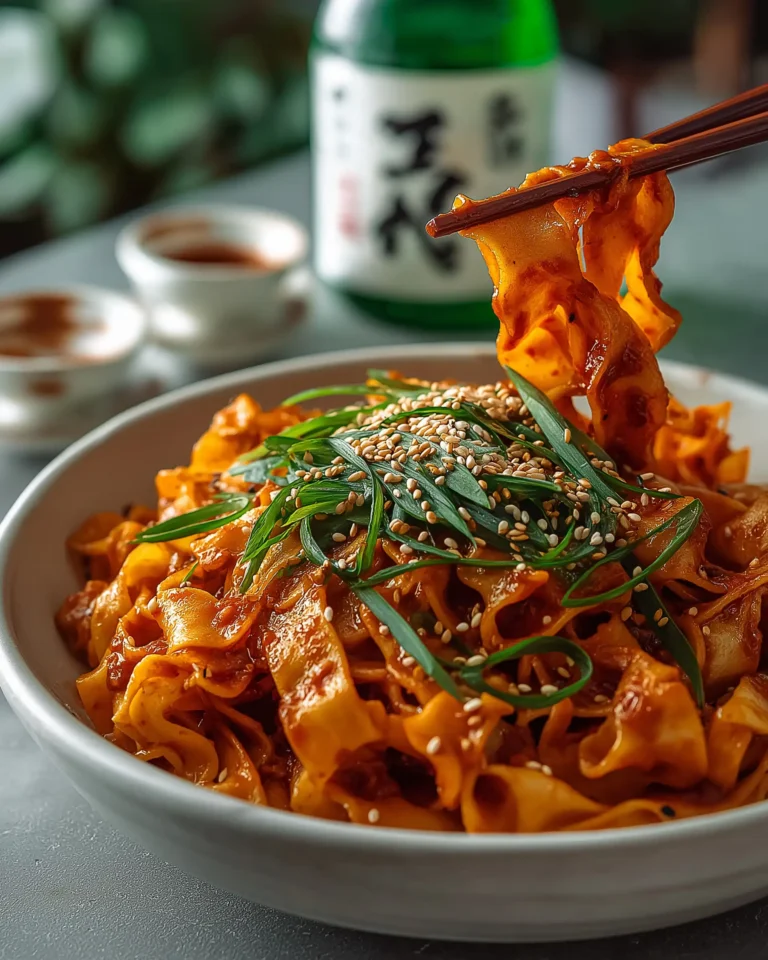
If you’re craving a rich, spicy, and creamy noodle soup that hits all the right notes, this Peanut Gochujang Noodle Soup Recipe is a must-try. This dish is a fusion of nutty peanut butter, savory gochujang, aromatic garlic, and silky noodles, all blended into a flavorful Asian-inspired bowl that brings comfort and bold taste with every slurp. Whether you’re looking for a quick dinner option, a cozy lunch, or an easy weeknight meal that doesn’t skimp on flavor, this recipe has you covered.
In this article, we’ll explore what makes this noodle soup stand out, the core ingredients and their health benefits, tips for perfect preparation, customization options, and how to store or meal prep this delightful dish. If you’ve never mixed peanut butter and gochujang before, get ready to discover a surprising harmony of flavors that’s sure to become a staple in your kitchen.
Understanding the Flavor Fusion of Peanut and Gochujang
What Is Gochujang and Why It Works in Soups
Gochujang is a Korean fermented chili paste that blends spicy, sweet, and umami-rich flavors. It’s made from red chili powder, glutinous rice, fermented soybeans, and salt. Over time, the fermentation process deepens its flavor, making it more than just a hot ingredient — it’s a complex, savory base.
In soups, gochujang brings depth and a lingering heat that balances perfectly with milder components. It’s not just spicy, it’s nuanced. When used in this recipe, it acts as a backbone of the broth, creating a warm, comforting sensation that feels satisfying and soulful.
The Role of Peanut Butter in Asian-Inspired Soups
Peanut butter may not be a traditional soup ingredient in many cultures, but in fusion recipes like this one, it adds a creamy richness that smooths out the heat from the gochujang. Its nutty character pairs well with soy sauce, sesame oil, and garlic, lending a mellow, slightly sweet undertone to the overall flavor.
What makes peanut butter particularly effective in this noodle soup is its ability to cling to noodles, creating a velvety coating that enhances each bite. It also thickens the broth slightly, giving the soup a more substantial mouthfeel without the need for heavy cream or dairy.
How These Ingredients Complement Each Other
When peanut butter and gochujang are combined, the result is a creamy, spicy, umami-packed sauce that envelopes the noodles in flavor. Add garlic for a punchy aroma, soy sauce for saltiness, and a touch of coconut sugar to round everything out — and you’ve got a well-balanced flavor profile.
The richness of peanut butter tones down the heat of the gochujang, making this dish spicy but not overwhelming. It’s a harmony of opposing flavors that results in a deeply satisfying experience with each spoonful.
A Versatile Base for Customization
This soup is already delicious as is, but its base ingredients make it easy to customize. Whether you’re adding vegetables like bok choy or mushrooms, or switching out the noodles, the peanut and gochujang combo remains adaptable. That makes it perfect for anyone who loves experimenting in the kitchen while still enjoying dependable results.
Print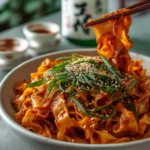
Peanut Gochujang Noodle Soup Recipe
- Total Time: 15 minutes
- Yield: 2 servings
- Diet: Vegan
Description
A rich and spicy Asian-inspired noodle soup combining creamy peanut butter and bold gochujang flavors. Quick to make, packed with comfort, and perfect for chilly days or weeknight cravings.
Ingredients
8 ounces dried noodles of choice
¼ cup peanut butter
¼ cup gochujang
6 cloves fresh minced garlic
2 tablespoons low-sodium soy sauce
1 tablespoon rice vinegar
2 teaspoons toasted sesame oil
1 teaspoon coconut sugar
1 teaspoon gochugaru chili flakes
Green onion for garnish (optional)
Toasted sesame seeds for garnish (optional)
Instructions
1. Cook the noodles according to the package instructions until they are al dente. Reserve ½ cup of cooking water before draining.
2. Meanwhile, whisk together the peanut butter, gochujang, garlic, soy sauce, rice vinegar, sesame oil, coconut sugar, gochugaru, and reserved noodle water in a large bowl until smooth.
3. Add the drained noodles to the sauce and toss well until the noodles are evenly coated.
4. Divide into serving bowls.
5. Garnish with green onions and sesame seeds if desired.
6. Serve immediately and enjoy!
Notes
Use low-sodium soy sauce to control saltiness.
Add vegetables like bok choy or mushrooms for extra nutrition.
To reduce spice, decrease gochujang and omit gochugaru.
Great for meal prep; reheat gently with a splash of water.
- Prep Time: 5 minutes
- Cook Time: 10 minutes
- Method: Stovetop
- Cuisine: Asian-Inspired
Step-by-Step Preparation Guide for Peanut Gochujang Noodle Soup
Step 1: Cook the Noodles Just Right
Start by boiling 8 ounces of your chosen dried noodles according to package directions. The key is to cook them until al dente. You want them soft but still with a bit of bite. Overcooked noodles will become too mushy when mixed with the sauce.
Pro Tip: Right before draining, reserve ½ cup of the starchy cooking water. This liquid helps thin and bind the sauce, giving it a silky texture without watering it down.
Once cooked, drain and set the noodles aside. Don’t rinse them — the starch helps the sauce cling better.
Step 2: Mix the Sauce While Noodles Cook
While the noodles are boiling, take advantage of that time to prepare your sauce. In a large bowl, whisk together the following ingredients:
- ¼ cup peanut butter
- ¼ cup gochujang
- 6 cloves fresh minced garlic
- 2 tablespoons low-sodium soy sauce
- 1 tablespoon rice vinegar
- 2 teaspoons toasted sesame oil
- 1 teaspoon coconut sugar
- 1 teaspoon gochugaru chili flakes
- Reserved ½ cup noodle water
Whisk until completely smooth. The mixture should become a glossy, reddish-orange sauce that’s slightly thick but still fluid.
Adjust to Taste:
- Want it spicier? Add more gochugaru.
- Need more salt? A dash of extra soy sauce can help.
- Prefer a lighter sauce? Add an extra tablespoon of water or rice vinegar to thin it out.
Step 3: Combine Noodles and Sauce
Add the drained noodles to the large mixing bowl with the sauce. Use tongs or chopsticks to toss thoroughly, ensuring each noodle is coated evenly. The heat from the noodles helps emulsify the sauce, making it stick better and taste richer.
This is where the magic happens — the noodles soak up that spicy, creamy sauce, transforming into something utterly irresistible.
Step 4: Plate and Garnish
Divide the noodles into two serving bowls while they’re still hot. Garnish with:
- Thinly sliced green onions
- Toasted sesame seeds
These final touches add color, texture, and a burst of freshness that contrasts perfectly with the richness of the sauce.
Bonus Tips for Best Results
- Don’t skip the garlic: Fresh minced garlic gives the sauce its kick and warmth.
- Use room temperature peanut butter: It mixes more easily and avoids clumping.
- Control heat level: Gochujang has a subtle heat, but gochugaru intensifies it. Adjust accordingly.
- Avoid reheating on high: If you reheat leftovers, do it gently on low heat with a splash of water to loosen the sauce without breaking it.
Optional Add-Ins for More Texture or Nutrients
Want to make this soup even more nourishing or add variety? Try these:
- Steamed vegetables: Bok choy, shredded carrots, or spinach blend right in.
- Tofu cubes: For a protein boost, stir in sautéed or baked tofu.
- Mushrooms: Sautéed shiitakes or creminis bring an earthy layer of flavor.
These additions still honor the core flavor profile while offering flexibility for different dietary needs.
Creative Customizations and Dietary Alternatives
Make It Gluten-Free Without Losing Flavor
Craving this Peanut Gochujang Noodle Soup Recipe but need a gluten-free option? No problem — this dish can be easily adapted without compromising flavor.
- Use rice noodles or glass noodles: They absorb flavor well and stay tender. Check the label to ensure they’re certified gluten-free.
- Substitute tamari for soy sauce: Tamari offers a similar umami taste but is typically brewed without wheat. Coconut aminos are another soy-free, gluten-free alternative.
- Double-check gochujang: Some brands contain wheat. Look for certified gluten-free versions.
With these simple swaps, you can enjoy the same rich, bold soup without worry.
Lower the Sodium but Keep the Taste
For those watching their sodium intake, try these mindful adjustments:
- Choose low-sodium soy sauce or tamari.
- Dilute the sauce slightly by adding more reserved noodle water or a splash of unsalted vegetable broth.
- Skip the sesame seeds if your diet is particularly sensitive, as they can sometimes be salted in store-bought blends.
Adding fresh vegetables can also naturally balance the saltiness while bringing nutrients and bulk.
Make It Vegan and Protein-Packed
This dish is already plant-based, but here’s how to turn it into a more nutrient-dense, satisfying vegan meal:
- Add protein: Stir in air-fried tofu cubes, steamed edamame, or chickpeas.
- Include leafy greens: Baby spinach wilts beautifully into the hot noodles and brings iron and fiber.
- Incorporate seeds: Sprinkle with flax seeds or hemp seeds to add omega-3s.
These tweaks boost nutritional content without changing the essence of the original recipe.
Amp Up the Veggies for Color and Crunch
Turn your soup into a veggie-packed meal with vibrant additions that complement the peanut and gochujang flavor.
- Quick add-ins:
- Julienned carrots
- Baby bok choy
- Thinly sliced bell peppers
- Zucchini ribbons
You can steam or sauté these veggies before mixing them in or add them raw for a fresh crunch. They not only look stunning but also bring contrast to the rich, spicy sauce.
Change the Texture for a Brothier Soup
Prefer a more soup-like consistency rather than a saucy noodle dish?
- Add more hot water or broth: Up to 1 cup of unsalted veggie broth can turn this into a slurpable soup.
- Finish with extra sesame oil: A few drops stirred in at the end give a silky mouthfeel.
This version is perfect for colder months when you want something cozy, steamy, and warming — like a cross between ramen and Thai peanut soup.
Spiciness: Dial It Up or Down
The beauty of gochujang and gochugaru is that they’re both customizable.
- Milder taste: Reduce the gochujang to 2 tablespoons and skip or halve the gochugaru.
- Extra heat: Add fresh chopped chilies or increase the gochugaru to 1½ teaspoons.
Remember, it’s always easier to add heat than to take it away. Taste as you go, and adjust to your spice preference.
Kid-Friendly Adjustments
To make this dish more suitable for younger or spice-sensitive eaters:
- Cut the gochujang in half and leave out the chili flakes.
- Add a touch more coconut sugar to mellow the flavor.
- Serve with mild veggies and plain tofu for a complete, gentle meal.
Even with these tweaks, the dish remains creamy and flavorful, introducing kids to bold tastes in a friendly way.
Storage, Reheating, and Meal Prep Tips
How to Store Leftover Peanut Gochujang Noodle Soup
This Peanut Gochujang Noodle Soup Recipe stores surprisingly well, even with its rich, creamy sauce. The key is how you package and cool it.
- Cool before storing: Allow the dish to reach room temperature before refrigerating to avoid excess moisture build-up.
- Use airtight containers: Transfer leftovers into sealed glass or BPA-free plastic containers.
- Fridge life: This noodle soup lasts up to 4 days in the refrigerator.
Note: The sauce will thicken in the fridge. That’s normal and easily fixed during reheating.
Best Way to Reheat for Flavor and Texture
When you’re ready to enjoy your leftovers, reheating it properly will make a big difference in taste and consistency.
- Stovetop method (recommended):
- Place the noodles in a saucepan.
- Add a splash of water or unsalted vegetable broth — about 1 to 2 tablespoons.
- Warm over medium-low heat, stirring constantly until heated through.
- Microwave method:
- Place the noodles in a microwave-safe dish.
- Add a small splash of water.
- Cover with a lid or microwave-safe wrap.
- Heat in 30-second intervals, stirring in between until hot.
Important: Avoid high heat, which can break the sauce and make the noodles rubbery. Always reheat gently.
Freezing: Is It Worth It?
While possible, freezing is not ideal for this dish due to the noodles and the peanut-based sauce. The texture tends to suffer after thawing, with noodles becoming soggy and the sauce separating.
If you still want to freeze it:
- Freeze the sauce separately from the noodles.
- Store each in freezer-safe containers for up to 1 month.
- Reheat the sauce slowly and cook fresh noodles when ready to serve.
Meal Prep Strategy: Make It Work All Week
This noodle soup is a fantastic meal prep option if you prepare it thoughtfully. Here’s how to prep for multiple meals without losing quality:
Option 1: Prep Components Separately
- Cook noodles and toss them with a touch of sesame oil to prevent sticking. Store in individual containers.
- Make the sauce and keep it in a sealed jar.
- Portion vegetables and garnishes in smaller containers.
Combine everything when ready to eat, either reheating or eating as a cold noodle salad.
Option 2: Make and Store as Complete Bowls
- Assemble the full noodle soup in meal containers.
- Refrigerate up to 3 or 4 days.
- Reheat with a splash of water or broth to refresh the sauce.
Perfect for Packed Lunches or Quick Dinners
Whether you’re prepping lunches for the workweek or planning fast dinners after long days, this recipe fits in beautifully.
- Pack in insulated containers to keep it warm.
- Serve cold or at room temperature if you don’t have access to a microwave — it still tastes delicious.
Bonus: Pre-Make the Sauce in Bulk
This sauce is versatile and stores well. You can double or triple the quantities and refrigerate in a jar for up to 2 weeks.
Other uses for leftover sauce:
- As a stir-fry base
- Over rice bowls
- As a dipping sauce for dumplings or roasted vegetables
By thinking ahead and prepping smartly, you’ll not only enjoy this dish longer but also cut down your kitchen time significantly.
Conclusion
The Peanut Gochujang Noodle Soup Recipe is more than just a quick comfort meal — it’s a flavor-packed experience that brings together the rich nuttiness of peanut butter, the spicy umami of gochujang, and the aromatic depth of garlic and sesame. With minimal prep and cook time, it delivers maximum satisfaction in every bite.
Whether you’re customizing it to suit your diet, turning up the heat, or making it ahead for busy days, this dish is flexible, approachable, and endlessly rewarding. It’s the kind of recipe that becomes a regular in your rotation — fast, flavorful, and surprisingly nourishing. All you need is one pot, a few pantry staples, and a craving for something bold yet cozy. Once you try it, you’ll see why this recipe isn’t just a meal, it’s a craving-worthy favorite.