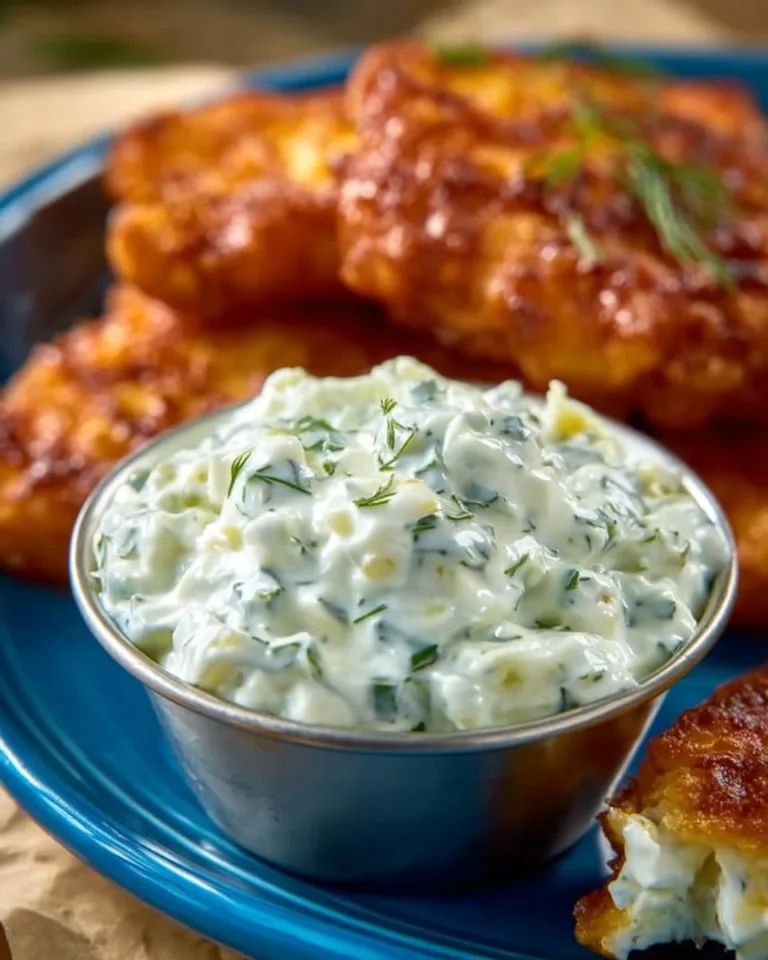
Tartar sauce is a classic creamy condiment that brings brightness and tang to many dishes, and creating your own version at home gives you full control over flavor and texture. Crafting tartar sauce with fresh ingredients elevates everything from seafood to sandwiches. This guide explains how to make a balanced, flavorful batch using simple pantry ingredients while keeping the process easy for home cooks. You will also find a fully checked and corrected recipe using ingredients suitable for general American households. By the end, you will understand each step clearly so your tartar sauce turns out smooth, crisp, and vibrant.
Step by Step Preparation
Making tartar sauce at home is straightforward, yet there are small details that make a major difference in the final taste and consistency. The goal is a condiment that is creamy, lightly tangy, and filled with finely balanced crunch. Below is the corrected ingredient list followed by a detailed walkthrough. The original recipe contained no disallowed ingredients, so it can be used exactly as presented. Here is the cleaned and ready to use version.
You will need
1 cup mayonnaise
1 cup dill pickles, finely chopped
1 tablespoon dill or finely chopped fresh parsley
1 teaspoon lemon juice
1 teaspoon sugar
1 quarter teaspoon black pepper
2 tablespoons finely chopped onion, optional
Instructions
Combine all ingredients in a bowl and stir to blend evenly.
Adjust with a little extra lemon juice or more pickles to match your taste preference.
Now let us break down the process in a more detailed, step oriented way for a smooth and flavorful result.
Start by preparing all components before mixing. Finely chopping the pickles and onion is essential because larger pieces interfere with the creamy texture. A uniform chop helps the tartar sauce spread smoothly and avoids sharp bursts of flavor in a single bite. Fresh dill or parsley should be minced very fine so the herbs distribute evenly without clumping. This early prep work sets the foundation for a balanced and polished condiment.
Place the mayonnaise in a medium bowl and soften it with a quick stir. This allows the pickles and herbs to fold in more easily. Add the chopped pickles next. The briny crunch is a defining element in tartar sauce, so make sure they are well drained before adding. Excess liquid can thin the mixture too much, creating a sloppy consistency rather than a creamy one. Stir until you see the pickle pieces spread throughout the mayonnaise.
Add the herbs, lemon juice, sugar, and black pepper. Each plays a crucial role in building depth. Lemon juice brightens the sauce and lifts the richness of the mayonnaise. Sugar softens the acidity, creating harmony between creamy and tangy notes. Pepper adds warmth without overpowering the other ingredients. If using onion, add it now. It introduces a mild sharpness that pairs well with the pickles.
Mix gently but thoroughly. You want everything incorporated while maintaining the delicate texture. Taste and adjust immediately. If you prefer a more tangy tartar sauce, add a small splash more lemon juice. If you enjoy a crisper texture, stir in additional chopped pickles. This stage is where personalization happens.
Once the flavor is where you want it, cover the bowl and let the tartar sauce rest in the refrigerator for at least ten minutes. Resting allows the flavors to merge and intensify. The herbs soften slightly, the pickle brine settles into the sauce, and the result becomes smoother and more cohesive. This waiting period is the secret to professional level tartar sauce.
This step by step method ensures a consistent result every time while giving you flexibility. You can make the mixture thicker for dipping or thinner for spreading, all by adjusting lemon juice or pickle quantity. By following these details, your tartar sauce will deliver freshness, balance, and satisfying texture whether you serve it with seafood, fries, or sandwiches.
Tips and Tricks
Improving tartar sauce comes down to small adjustments that enhance flavor without complicating the recipe. These tips help you achieve a cleaner, brighter, and more consistent result while keeping the texture just right. Using the focus keyword tartar sauce naturally throughout reinforces how each tip applies directly to the condiment itself.
Use cold ingredients when possible. Chilled mayonnaise thickens better and holds the pickle juices more effectively, giving the tartar sauce a fresher mouthfeel. Cold ingredients also prevent separation, especially if the sauce will sit out for a short time during serving. Keep the pickles and lemon juice in the refrigerator until ready to mix.
Choose high quality pickles. Crunchy dill pickles bring the best flavor. Softer or overly sweet varieties can mute the tang that tartar sauce is known for. If you prefer stronger brine notes, choose pickles with garlic or extra dill. Chop them uniformly to avoid uneven flavor distribution.
Balance acidity gradually. Lemon juice is powerful even in small amounts. Add it slowly so you can control the brightness of the tartar sauce. If you accidentally add too much lemon, increase the sugar by a pinch to steady the flavor.
Allow resting time. Letting the sauce rest improves it dramatically. Even ten minutes makes the herbs more aromatic and the pickles more integrated. For deeper flavor, refrigerate for at least an hour before using, especially if preparing tartar sauce for dipping or spreading.
Adjust texture to your dish. For a thicker sauce, add more mayonnaise. For a lighter consistency, a small amount of pickle brine works well. This method avoids watering down the tartar sauce and keeps its flavor strong.
Notes
Tartar sauce is versatile, and understanding a few key notes will help you customize it for different uses. Because the sauce is built on creamy, tangy, and herbal elements, each change influences the balance. Below are useful considerations when making variations or storing leftovers.
If you prefer a more herb focused version, increase the dill or parsley slightly. Fresh herbs contribute both aroma and color, giving the tartar sauce a bright and appetizing look. Avoid adding too much at once since herbs can become overpowering.
Finely chopped onion adds a sharp bite, though it is optional. If using it, choose mild varieties such as sweet onion to prevent the flavor from dominating the tartar sauce. You can also soak the chopped onion in cold water for a moment to reduce sharpness.
Mayonnaise brands differ in richness and tang. If you find your tartar sauce tastes too heavy, increase the lemon juice gently until the balance feels right. If it tastes too sharp, add a bit more sugar or mayonnaise.
The sauce thickens slightly as it chills. If preparing the tartar sauce ahead of time, check the consistency before serving and adjust with a small amount of lemon juice or pickle brine if needed.
Keep in mind that homemade tartar sauce contains fresh ingredients with no stabilizers. This gives better flavor but also means the sauce changes gradually as it rests.
Storage
Proper storage keeps tartar sauce safe, fresh, and flavorful. Because it contains mayonnaise and chopped vegetables, it requires refrigeration at all times. Store the sauce in a clean, airtight container to prevent it from absorbing other odors from the refrigerator.
The ideal storage time is three to five days. While the tartar sauce might last slightly longer, the texture and flavor begin to decline after this point. The pickles soften gradually and the herbs lose brightness, so for best quality, use it within the recommended window.
Always use clean utensils when scooping from the container. Introducing moisture or food particles can reduce the sauce’s lifespan. If the tartar sauce appears separated, give it a gentle stir. If it develops an off smell or unusual texture, discard it immediately.
For meal prep, divide the tartar sauce into smaller containers so only the portion being used is exposed to air. This helps the remaining sauce stay fresh longer. Keeping it tightly sealed also preserves the crisp pickle aroma and the creamy base.
If you enjoy making tartar sauce frequently, store chopped pickles and herbs separately in the refrigerator. This allows you to assemble a fresh batch quickly without sacrificing flavor.
Conclusion
Tartar sauce is simple to prepare, yet with the right steps, thoughtful technique, and fresh ingredients, it becomes a standout condiment. By following the detailed process, applying helpful tips, understanding key notes, and storing it correctly, you can enjoy consistent results every time. This guide gives you everything needed to create flavorful and reliable tartar sauce for a wide range of meals.
Print
Tartar Sauce
- Total Time: 15 minutes
- Yield: 8 servings
Description
This creamy tartar sauce is fresh, tangy, and easy to prepare. It blends crisp dill pickles, rich mayonnaise, bright lemon, and herbs for a balanced sauce that works beautifully with seafood, sandwiches, and fries.
Ingredients
1 cup mayonnaise
1 cup dill pickles, finely chopped
1 tablespoon dill or finely chopped fresh parsley
1 teaspoon lemon juice
1 teaspoon sugar
1 quarter teaspoon black pepper
2 tablespoons finely chopped onion optional
Instructions
Combine the mayonnaise with the chopped pickles in a bowl and stir until evenly blended.
Add the herbs lemon juice sugar and black pepper then mix gently until smooth.
Stir in the finely chopped onion if using and continue blending until all ingredients are fully incorporated.
Taste and adjust with a little more lemon juice for brightness or extra pickles for added crunch.
Refrigerate for a short time to allow the flavors to settle and develop before serving.
Notes
Chill the sauce before serving to enhance the flavor.
Adjust sweetness or acidity based on personal taste.
Use cold ingredients for a thicker smoother consistency.
Stir gently if the sauce thickens after refrigeration.
- Prep Time: 15 minutes
- Category: Condiment
- Method: No Cook
- Cuisine: American