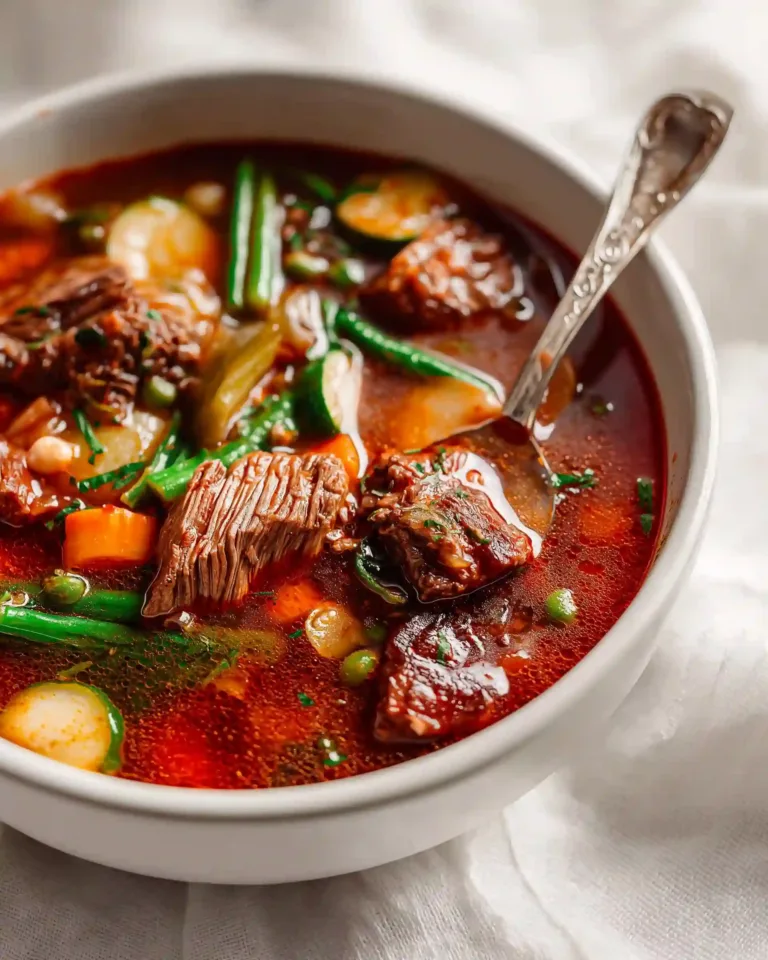
Soup has a way of warming both the body and soul, and Classic Vegetable Beef Soup (Old-Fashioned Style) is the ultimate example of this timeless comfort food. Packed with tender beef, fresh vegetables, and rich flavors, this soup is perfect for a cozy dinner or meal prep for the week. Unlike modern shortcuts that compromise on taste, this old-fashioned style soup relies on a careful balance of ingredients, slow-cooked perfection, and simple techniques to create a robust and savory dish. Whether you’re a beginner cook or an experienced chef, mastering this soup brings a sense of accomplishment and satisfaction.
This recipe not only highlights the natural flavors of wholesome ingredients but also incorporates practical tips for customizing and storing the soup, making it versatile and family-friendly. You’ll learn how to achieve tender beef, perfectly cooked vegetables, and a flavorful broth every time. By the end, you’ll have a satisfying bowl of soup that’s ideal for weeknight dinners, gatherings, or meal prep.
Getting Started with Classic Vegetable Beef Soup
Before diving into cooking, understanding the key components of a Classic Vegetable Beef Soup (Old-Fashioned Style) will make the process smoother and more enjoyable. The combination of beef chuck, aromatic vegetables, and a rich broth forms the foundation of this hearty soup. Each ingredient plays a critical role: beef adds protein and depth, vegetables contribute texture and vitamins, and tomato paste and broth infuse the dish with a savory backbone.
To prepare this soup successfully, you’ll need a reliable pot, preferably a Dutch oven, which evenly distributes heat and allows the beef to brown beautifully. The cooking oil, salt, and black pepper are essential for seasoning and developing layers of flavor. Additionally, you’ll learn how to manage cooking times for both stovetop and alternative methods like Instant Pot or slow cooker, ensuring convenience without compromising taste.
Tender Beef for Deep Flavor
Achieving the perfect tenderness for the beef is the first critical step. Begin by heating the oil in a Dutch oven until shimmering. Add the beef chuck in batches to avoid overcrowding, and season lightly with salt and black pepper. Allow the beef to brown undisturbed, which locks in juices and enhances the flavor of the broth. This initial browning may take four to six minutes per batch, but it is essential for creating a rich base for the soup. Once browned, remove the beef and set it aside while preparing the vegetables.
Vegetables That Elevate Your Soup
Classic vegetable beef soup relies heavily on a medley of vegetables for flavor, texture, and nutritional value. Onions, carrots, and celery form the traditional aromatic base, often referred to as mirepoix. Cooking these vegetables until soft releases their natural sweetness, complementing the savory beef. Zucchini adds subtle freshness and texture, while peas can be included optionally to add color and a gentle sweetness, particularly if serving the soup immediately.
When selecting vegetables, freshness matters. Crisp carrots and celery contribute a firm bite, while tender zucchini cooks quickly and absorbs the soup’s flavors. Diced vegetables ensure even cooking and uniform texture throughout the dish. Seasoning the vegetables lightly during sautéing helps enhance their natural flavors and balances the richness of the meat and broth.
Tomato Paste and Broth: Building the Base
The next essential step is incorporating tomato paste. Cooking the paste until it darkens slightly intensifies its flavor and adds subtle acidity, which balances the richness of the beef. Afterward, add the beef broth, return the browned beef to the pot, and include water for extra volume. Season with additional black pepper and adjust salt to taste.
Simmering the soup slowly allows the beef to become tender and infuses the broth with deep, layered flavors. This slow cooking process is what differentiates a classic, old-fashioned style soup from quicker, less flavorful versions. Covering the pot and maintaining a gentle simmer ensures the soup remains moist while concentrating flavors.
Tips for Maximum Flavor
- Use bone-in or boneless beef chuck for maximum taste and tenderness.
- Avoid overcrowding the pan when browning beef to ensure proper caramelization.
- Stir tomato paste occasionally to prevent sticking and bitterness.
- Taste and adjust seasoning at the end, as broth saltiness can vary.
Classic Vegetable Beef Soup (Old-Fashioned Style)
- Total Time: 150 mins
- Yield: 8 servings
Description
A hearty and comforting Classic Vegetable Beef Soup made with tender beef, fresh vegetables, and rich broth. Perfect for weeknight dinners or meal prep.
Ingredients
4 tbsp oil
1 ½ lbs beef chuck roast
1 ¾ tsp kosher salt, divided
¾ tsp black pepper, divided
2 cups diced onion
1 cup celery, diced (about 2 medium stalks)
2 medium carrots, peeled and diced
2 small zucchini, diced
1 can (156 mL / 5 ½ oz) tomato paste
1 litre / quart beef broth
2 cups water
1 cup frozen peas, optional
¼ cup loosely packed minced parsley
Instructions
1. Heat a Dutch oven over medium-high heat for several minutes. Add 1 tbsp of oil and when shimmering hot, add the beef. Season with ¾ tsp salt and ¼ tsp black pepper. Brown undisturbed for 4-6 minutes. Remove beef to a plate.
2. Add remaining oil to the pot along with onion, carrots, and celery. Season with 1 tsp salt. Cook until vegetables are soft, about 5 minutes.
3. Add tomato paste and cook until it darkens slightly, about 2 minutes.
4. Add beef broth and return beef to the pot. Add zucchini, ½ tsp black pepper, and 2 cups of water. Cover, bring to a boil, then reduce heat to low and simmer until beef is tender, about 2 hours.
5. Taste and adjust salt as needed.
6. Optional: Add frozen peas during the last 10 minutes of cooking.
7. For Instant Pot/pressure cooker: Brown beef and sauté vegetables, then add tomato paste, broth, water, and cook on high pressure for 40 minutes.
8. For Slow Cooker/Crockpot: Brown beef and sauté vegetables, transfer to slow cooker, add tomato paste, broth, and water, cook on high until beef is tender.
Notes
Beef options: bone-in or boneless steak, short ribs, or boneless stewing beef.
Peas are optional; they can become mushy if the soup is stored for several days.
Adjust seasoning based on the saltiness of your broth.
For added flavor, let the soup rest for a few hours or overnight before reheating.
- Prep Time: 10 mins
- Cook Time: 140 mins
- Category: Soup
- Method: Stovetop, Slow Cooker, Pressure Cooker
- Cuisine: American
Perfect Simmering and Cooking Techniques
Simmering is the heart of creating a rich and flavorful Classic Vegetable Beef Soup (Old-Fashioned Style). Once the beef and vegetables are combined with the broth and tomato paste, it is crucial to maintain a gentle simmer. Boiling too vigorously can toughen the beef and overcook the vegetables, resulting in a less satisfying texture. Cover the pot partially to allow steam to escape while keeping the heat consistent. This slow cooking method ensures the beef becomes tender and the flavors meld beautifully.
Step-by-Step Simmering Tips
Start by bringing the soup to a gentle boil over medium-high heat, then immediately reduce it to low. Skim any foam or impurities that rise to the surface to keep the broth clear and clean-tasting. Stir occasionally to prevent sticking, especially near the bottom of the pot where tomato paste may settle. Simmering for approximately two hours allows the beef to soften completely and the vegetables to develop their natural sweetness.
For added depth, consider layering flavors. Adding a small amount of chopped fresh parsley towards the end of cooking brightens the soup and enhances visual appeal. Optional ingredients like frozen peas should be added in the last ten minutes to preserve their color and texture.
Using an Instant Pot or Pressure Cooker
For those seeking convenience, a pressure cooker or Instant Pot can achieve tender results in less time. After browning the beef and sautéing the vegetables, add the tomato paste, broth, and water, then set the pressure cooker on high for 40 minutes. Quick-release the pressure carefully, taste, and adjust the seasoning. This method reduces cooking time significantly while maintaining the deep flavors characteristic of an old-fashioned vegetable beef soup.
Slow Cooker / Crockpot Version
Slow cookers are ideal for effortless meal preparation. After browning the beef and lightly cooking the vegetables, transfer everything to a slow cooker. Add tomato paste, broth, water, and seasonings. Set the slow cooker to high and allow the soup to cook for several hours until the beef is tender and the vegetables are soft. This method is perfect for hands-off cooking, delivering a comforting soup with minimal supervision.
Practical Notes and Tricks
- Use a heavy-bottomed pot to distribute heat evenly and prevent burning.
- Maintain a low simmer for several hours to achieve a richer broth.
- For more flavor, let the soup rest for a few hours or overnight, then reheat before serving.
- Avoid adding delicate vegetables too early, as they may become mushy; add them closer to the end of cooking.
- Adjust seasoning gradually, especially when using store-bought broth, as salt content can vary.
Storage and Meal Prep
Classic Vegetable Beef Soup keeps well, making it an excellent choice for meal prep. Store in airtight containers in the refrigerator for up to four days, or freeze portions for longer storage. When reheating, do so gently over low heat to preserve texture and flavor. Avoid reheating multiple times to maintain the quality of the vegetables, especially peas and zucchini.
This methodical approach to cooking ensures that every bowl of Classic Vegetable Beef Soup (Old-Fashioned Style) is flavorful, satisfying, and reminiscent of traditional, homemade recipes. By mastering simmering, adjusting ingredients, and using alternative cooking methods, you can enjoy a consistent and hearty soup anytime.
Customizing Ingredients for Classic Vegetable Beef Soup
One of the best things about Classic Vegetable Beef Soup (Old-Fashioned Style) is its versatility. While the traditional recipe includes beef chuck, onions, carrots, celery, zucchini, tomato paste, and broth, you can adjust ingredients to suit taste preferences, dietary needs, or seasonal availability. Understanding which substitutions work best helps maintain the soup’s rich flavor and comforting texture.
Beef Options for Maximum Tenderness
Beef chuck is the preferred choice for this soup due to its balance of flavor and tenderness. However, bone-in short ribs, boneless stewing beef, or even sirloin tips can also be used. Bone-in cuts add extra depth to the broth as the marrow simmers out, enhancing richness. For a leaner option, trim excess fat before cooking. Regardless of the cut, the key is slow cooking to break down connective tissue, resulting in tender, flavorful meat that complements the vegetables perfectly.
Vegetable Variations and Seasonal Options
While carrots, celery, and zucchini are staples, feel free to experiment with other vegetables. Potatoes, parsnips, green beans, or bell peppers can be added for extra texture and nutritional value. Leafy greens like spinach or kale can be stirred in during the last few minutes of cooking for a vibrant, healthy boost. Be mindful of cooking times, as denser vegetables require longer simmering while leafy greens cook quickly.
Flavor Enhancements and Herbs
Herbs and seasonings can elevate the soup without overpowering it. Fresh parsley added at the end brightens the dish, while thyme, rosemary, or bay leaves added during simmering provide aromatic depth. Garlic can be sautéed with the vegetables to introduce a warm, savory note. A splash of apple cider vinegar or a pinch of sugar can balance acidity from the tomato paste and enhance the overall flavor harmony.
Tips for a Nutritious, Balanced Soup
Classic vegetable beef soup is not only comforting but also packed with nutrients. Including a variety of colorful vegetables increases vitamins and minerals such as vitamin A, vitamin C, fiber, and potassium. Lean beef provides protein and iron, supporting muscle health and energy levels. To reduce sodium, use low-sodium beef broth or adjust added salt according to taste. Consider adding frozen peas or green beans last to retain nutrients and color, ensuring a visually appealing and wholesome soup.
Optional Additions for Extra Heartiness
For a more filling meal, you can add cooked barley, brown rice, or small pasta shapes. These additions soak up the savory broth, creating a hearty, satisfying dish ideal for lunch or dinner. If using grains or pasta, add them in the last 15–20 minutes of cooking to prevent over-softening.
Storage Notes and Meal Prep Tricks
Classic Vegetable Beef Soup stores exceptionally well, making it convenient for weekly meal planning. Refrigerate in airtight containers for up to four days or freeze in portions for up to three months. When reheating, do so slowly over low heat to maintain the integrity of the beef and vegetables. Avoid adding delicate vegetables like peas until reheating to preserve texture and flavor. Meal prep this soup in advance, and it will taste even better the next day as flavors continue to meld.
This approach ensures that each bowl of Classic Vegetable Beef Soup (Old-Fashioned Style) is balanced, nutritious, and adaptable, making it ideal for busy weeknights or leisurely weekends alike. By experimenting with vegetables, herbs, and optional grains, you can create a version of this soup that is uniquely yours while maintaining the comforting essence of the old-fashioned recipe.
Serving and Presenting Classic Vegetable Beef Soup
A bowl of Classic Vegetable Beef Soup (Old-Fashioned Style) is comforting on its own, but thoughtful serving and garnishing can elevate the experience. Presentation matters when sharing with family or guests, and simple touches can make this old-fashioned soup look as good as it tastes.
Serving Suggestions for Maximum Enjoyment
Serve the soup piping hot in deep bowls to showcase the hearty ingredients. Accompany with fresh bread, dinner rolls, or crusty baguettes for dipping into the rich broth. For a lighter option, pair the soup with a crisp side salad featuring leafy greens, cucumbers, and cherry tomatoes. Small additions such as grated cheese or a dollop of sour cream can add creaminess and richness, enhancing each spoonful without overpowering the natural flavors of the soup.
Garnishing Ideas
Fresh herbs make the most striking garnish. Sprinkle minced parsley over the top just before serving for a burst of color and freshness. For an extra layer of flavor, consider a few thin slices of green onions or a light drizzle of olive oil. If desired, a sprinkle of freshly cracked black pepper adds visual appeal and a subtle kick. These small touches turn a simple bowl of soup into a visually appealing and appetizing dish.
Tips for Family-Friendly Meals
This soup is naturally adaptable for families, allowing you to cater to picky eaters by customizing vegetable choices or cutting ingredients into smaller pieces. For kids or those who prefer milder flavors, you can omit black pepper or strong herbs, adding them to adult portions separately. This ensures everyone enjoys the comforting flavors without compromise.
Reheating and Leftover Tips
When reheating, do so gently on the stovetop or in the microwave at medium heat. Stir occasionally to maintain a uniform texture and prevent vegetables from overcooking. If the soup thickens during storage, add a small amount of water or broth to restore the desired consistency. Avoid repeated reheating of delicate vegetables like peas or zucchini to preserve their color and texture.
Enhancing Flavor Over Time
One of the advantages of Classic Vegetable Beef Soup (Old-Fashioned Style) is that it often tastes even better the next day. Flavors continue to meld, creating a richer, more harmonious taste. Consider making a larger batch for meal prep, as leftovers are convenient, satisfying, and can be frozen for future meals without losing quality.
Optional Accompaniments
For added variety, serve with whole grain crackers, garlic bread, or a side of roasted vegetables. A small sprinkle of grated cheese can also be offered at the table for guests who enjoy a creamy accent. These simple touches enhance the overall dining experience while keeping the focus on the hearty soup.
Conclusion
In summary, Classic Vegetable Beef Soup (Old-Fashioned Style) is more than just a hearty meal—it is a timeless recipe that combines tender beef, fresh vegetables, and rich broth into a comforting, flavorful dish. By following the steps for browning beef, carefully simmering, and layering vegetables and seasonings, anyone can create a soup that is both satisfying and nourishing.
With versatile cooking methods such as stovetop, Instant Pot, or slow cooker, this soup adapts easily to your schedule while preserving the depth of traditional flavors. Whether served hot with crusty bread, garnished with fresh herbs, or prepared in advance for meal prep, this classic recipe remains a staple for anyone seeking wholesome, flavorful comfort food.