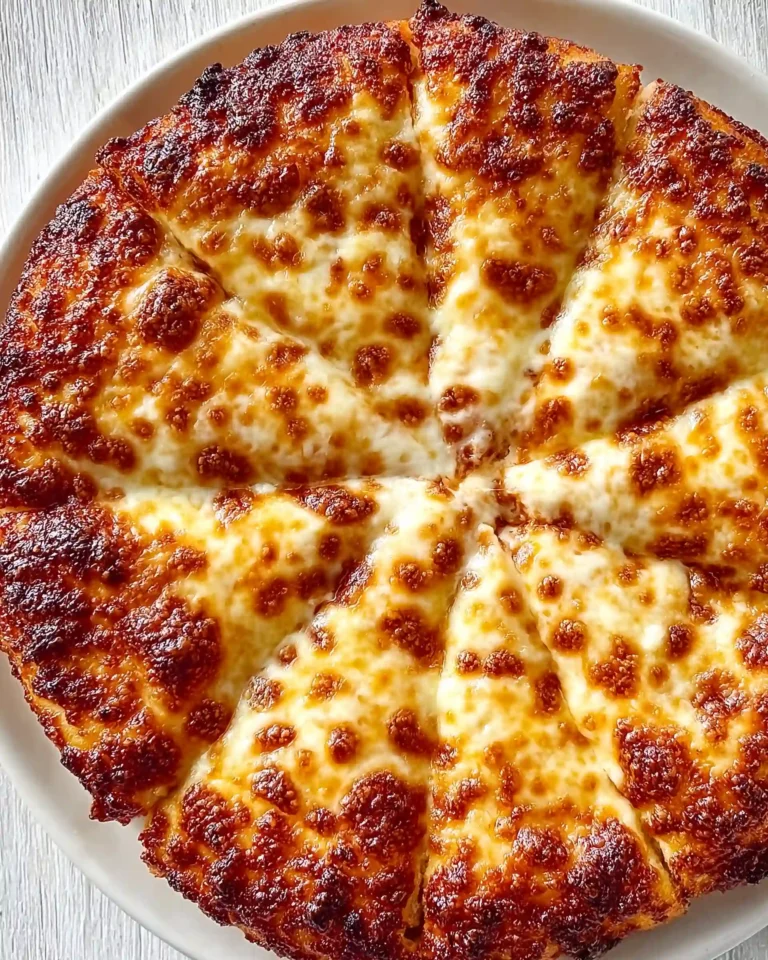
Bar pizza is one of those culinary gems that’s deceptively simple yet endlessly satisfying. If you’ve ever stepped into a small-town pub in Massachusetts, chances are you’ve caught a whiff of the irresistible aroma of a freshly baked bar pizza. Small in size, thin in crust, and loaded with humble yet flavorful toppings, this style of pizza isn’t about extravagance—it’s about nailing the basics to perfection. The magic lies in the crispy, almost cracker-like crust, the cheese that caramelizes at the edges, and the carefully chosen toppings that pack maximum flavor into each bite.
Unlike the towering slices you might find in big city pizzerias, bar pizza typically measures just 10 to 12 inches across, making it perfect for one hungry diner or two people willing to share. What makes it stand out is its cooking method. Traditionally baked in a shallow, well-oiled steel pan and finished directly on a hot baking surface, this technique creates a signature texture you won’t get from a standard oven bake. While many Massachusetts locals have their go-to bar pizza spots, this recipe will bring the same magic to your kitchen.
In this article, we’ll break down the process into five key parts—from prepping your dough to mastering the cooking technique—so you can serve up a pizza bar recipe that rivals the best. Whether you prefer classic toppings like onions and mushrooms or a bolder choice like anchovies or hot peppers, you’ll learn how to achieve that authentic look and taste right at home.
Understanding the Essence of Bar Pizza
What Makes Bar Pizza Different from Other Styles
Bar pizza is not your typical New York slice or Chicago deep-dish. Its identity comes from its thin crust, cooked until it’s crisp enough to hold its shape but still tender when you bite into it. The edges often have a deliciously browned cheese “lace” created when the cheese melts right to the edge of the pan. The smaller size also encourages personal customization—everyone can have their own topping preferences without compromise.
The dough for a bar pizza is not as airy as a Neapolitan crust and not as thick as a pan pizza. Instead, it’s rolled or stretched thin, creating a base that bakes quickly and evenly. The sauce is applied right up to the edge, which helps avoid a thick, chewy rim. Combined with a moderate amount of cheese, the result is balanced rather than overwhelming.
The Regional Roots of Bar Pizza
Bar pizza’s history is tied closely to the South Shore of Massachusetts. In towns like Hanover and Randolph, this style has been perfected over decades by small, often family-owned establishments. The origins are humble—it was a way for bars to serve hearty, affordable food that kept patrons around longer. Over time, it became a local tradition, and certain places like Lynwood Cafe turned into landmarks for pizza lovers.
While its cultural roots may be regional, the technique can be mastered anywhere with the right ingredients and approach. Home bakers often adapt by using a cake pan and a preheated baking steel to replicate the specialized pans found in professional kitchens.
Why the Cooking Method Matters
The cooking method is the secret weapon of the pizza bar recipe. A long preheat at a high temperature ensures the crust begins cooking immediately upon contact with the hot surface. Starting in an oiled pan creates a golden, slightly fried bottom, while finishing directly on a baking steel gives the underside extra crispiness. This two-step process mimics the way classic bar pizzas are made, and it’s a big part of what makes them so addictive.
The high heat also ensures the toppings and cheese cook quickly without over-drying, maintaining that perfect balance between a crispy crust and a tender interior. If you’ve ever wondered why bar pizza tastes so different from homemade pizzas baked directly on a pizza stone, this method is the answer.
Print
Pizza Bar Recipe
- Total Time: 25 minutes
- Yield: 1 10-inch pizza
Description
A classic pizza bar recipe inspired by the South Shore of Massachusetts, featuring a thin, crispy crust, caramelized cheese edges, and simple yet flavorful toppings. Perfect for a personal pizza night or a casual family meal.
Ingredients
1 ball bar pizza dough
50 grams (2 ounces, about 1/4 cup) tomato sauce
50 grams (2 ounces) cheese blend (half low-moisture mozzarella, half fontina)
Olive oil, for coating the pan
Topping of choice: onions, green pepper, mushrooms, anchovy, salami, hamburger chunks, Beef pepperoni, linguica, Beef sausage (removed from casing), Boston baked beans, hot peppers, sliced meatballs, broccoli, BBQ chicken strips, or extra tomato sauce
Instructions
1. Preheat the Baking Steel or heavy pizza stone on the top rack for 1 hour at 500°F.
2. Generously coat the bottom of a 10-inch pizza or cake pan with olive oil.
3. Stretch the dough into a 10-inch round and press it into the pan, letting it rise slightly up the sides.
4. Spread tomato sauce evenly to the edges of the dough.
5. Sprinkle cheese blend evenly over the sauce, then add your chosen topping.
6. Place the pan directly onto the Baking Steel and bake for 8-9 minutes.
7. Remove pizza from pan and transfer directly onto the Baking Steel for 1-2 more minutes to crisp the bottom.
8. Remove from oven, let cool for 1-2 minutes, slice, and serve.
Notes
For best results, use fresh-shredded cheese.
Vegetables should be thinly sliced to cook evenly.
Cook raw meats before adding them as toppings.
To reheat leftovers, use a skillet or oven to keep the crust crispy.
- Prep Time: 15 minutes
- Cook Time: 10 minutes
- Method: Baking
- Cuisine: American
Preparing the Dough and Sauce
Choosing the Right Dough for Bar Pizza
The foundation of a great pizza bar recipe lies in the dough. Unlike thick-crust or artisan-style pizzas, bar pizza dough is straightforward and slightly denser. This ensures it can be stretched thin without tearing and still crisp up beautifully during baking. A single ball of dough should weigh enough to cover a 10-inch pan, creating a base that’s thin but sturdy.
If you’re making your own dough from scratch, aim for a hydration level that allows easy handling while avoiding excessive stickiness. Resting the dough for a few hours before stretching will help relax the gluten, making it easier to achieve that even, thin shape. For convenience, you can prepare multiple dough balls ahead of time and store them in the fridge for a couple of days or freeze them for future pizza nights.
Stretching and Shaping the Dough
To prepare the dough for a bar pizza, generously coat your pan with olive oil. This step is essential because it not only prevents sticking but also contributes to the signature golden, slightly fried texture at the bottom. Gently stretch the dough to a round shape, working from the center outwards, then press it into the edges of the pan. The goal is to have the dough extend slightly up the sides of the pan, about a quarter of an inch, so it holds the sauce and cheese in place during baking.
Avoid overworking the dough during stretching, as this can cause it to shrink back. If it resists stretching, let it rest for a few minutes and then try again.
Crafting the Perfect Tomato Sauce
For the sauce, simplicity wins. A rich tomato base seasoned with dried oregano, a pinch of sugar, and a light sprinkle of red pepper flakes delivers a balanced, slightly sweet, and subtly spicy flavor. A smooth consistency is best for bar pizza, as chunky sauces can interfere with even coverage.
The hallmark of a bar pizza is sauce that reaches all the way to the edge of the dough. This eliminates the thick crust rim and ensures every bite is flavorful. Spread the sauce evenly, using the back of a spoon to guide it into place. This technique helps keep the crust thin and crisp while infusing it with flavor from edge to edge.
Why the Cheese Blend Matters
A classic cheese blend for a pizza bar recipe includes equal parts low-moisture mozzarella and fontina. Mozzarella offers that familiar stretchy, gooey melt, while fontina adds a creamy richness and a slightly nutty undertone. This combination melts smoothly, browns beautifully, and develops the characteristic caramelized edges that fans of bar pizza love.
Shred your cheese just before using for the best melt and flavor. Pre-shredded cheese can work, but it often contains anti-caking agents that affect texture. When topping your pizza, sprinkle the cheese evenly to avoid clumps and allow it to melt uniformly.
Selecting and Arranging Toppings
Staying True to the Bar Pizza Tradition
A true pizza bar recipe keeps toppings simple, flavorful, and purposeful. Each topping is meant to enhance the crust, sauce, and cheese without overpowering them. In classic South Shore style, you’ll often find one topping per pizza, chosen for its ability to create a distinct flavor profile. This approach keeps the pie balanced and prevents the thin crust from becoming soggy under too much weight.
Common traditional options include onions, green peppers, mushrooms, anchovies, salami, hamburger chunks, Beef pepperoni, linguica, Beef sausage, Boston baked beans, hot peppers, sliced meatballs, broccoli, BBQ chicken strips, and extra tomato sauce. While you can mix and match, the beauty of this style is the discipline of choosing a single topping for maximum flavor clarity.
Preparing Toppings for the Best Results
Freshness and preparation are key to achieving great texture and taste. Vegetables like onions, mushrooms, and green peppers should be sliced thin to ensure they cook through during the short baking time. If using toppings with high moisture content, such as mushrooms or broccoli, consider lightly sautéing or blanching them beforehand to prevent excess water from affecting the crust.
For proteins like hamburger chunks or Beef sausage (removed from its casing), cooking them fully before topping the pizza is essential. The high-heat bake will crisp them further but won’t be enough to cook them from raw. Anchovies can be added straight from the tin, as their salty intensity complements the richness of the cheese.
The Art of Even Distribution
When topping your pizza, even distribution ensures that each bite has a balanced mix of flavors. Start by applying your cheese over the sauce in a uniform layer, making sure it reaches right to the edges of the dough. Then scatter your chosen topping evenly across the surface, keeping in mind that less is often more.
Because bar pizza is smaller than many other styles, every topping choice has more impact. Too much topping can weigh down the crust, leading to uneven baking. A light hand keeps the crust crisp and the flavors well-defined.
Caramelization at the Edges
One of the hallmarks of a perfect pizza bar recipe is the caramelized cheese edge. This happens when the cheese melts into the oiled pan and browns during baking. For the best results, make sure your cheese extends fully to the sides of the pan. The combination of oil, heat, and direct contact with the steel creates a crisp, flavorful edge that’s irresistible.
Mastering the Cooking Technique
Preheating for Maximum Crispiness
The magic of a great pizza bar recipe lies in heat management. To mimic the conditions of a professional bar pizza oven, you’ll need to preheat your Baking Steel or heavy pizza stone on the top rack for a full hour at 500°F. This step is not optional, as it ensures the steel reaches an intense, even heat that will instantly start cooking the crust the moment the pan touches it.
High heat not only creates that crisp, golden bottom but also helps the cheese melt evenly and the toppings cook through without drying out. Skipping the preheat will result in a softer crust and less caramelization, which takes away from the authentic bar pizza texture.
The Two-Stage Baking Method
The first stage happens in the oiled pizza or cake pan, which sits directly on the preheated Baking Steel. This initial bake, lasting about 8 to 9 minutes, allows the crust to fry slightly in the oil, locking in crispness while cooking the toppings and cheese.
Once this stage is complete, carefully remove the pizza from the pan and transfer it directly to the Baking Steel for the final 1 to 2 minutes. This direct contact gives the bottom its final crisping and ensures the crust is sturdy enough to support the toppings without sagging.
Handling and Safety Tips
Because you’ll be working with extremely high heat, safety is key. Always use thick oven mitts or heatproof gloves when transferring the pizza. A pizza peel is the most efficient tool for sliding the pizza in and out of the oven, but you can also use a flat baking sheet in a pinch.
When removing the pizza from the pan mid-bake, work quickly but carefully. Any delay can cause heat loss, which reduces the effectiveness of the second stage.
Checking for Doneness
A perfectly baked bar pizza has a bottom crust that is golden brown with slightly darker spots, a topping layer that’s bubbling, and cheese that has caramelized at the edges. The crust should be thin, crisp, and able to hold its shape when lifted. If the crust feels soft in the middle, give it another 30 seconds to 1 minute directly on the steel.
This combination of pan baking followed by a direct bake is what sets bar pizza apart from other home pizza recipes. It’s a small extra step, but the payoff in flavor and texture is huge.
Serving and Enjoying Your Bar Pizza
The Best Way to Serve Bar Pizza
Once your pizza comes out of the oven, give it a minute or two to rest. This short wait allows the cheese to set slightly, making slicing cleaner and preventing toppings from sliding off. Bar pizza is traditionally cut into small squares or pie-shaped wedges, depending on the establishment. Squares give it a casual, snackable feel, while wedges preserve the classic pizza presentation.
Since this style is designed for one to two people, serving it fresh and hot is always the goal. The crisp bottom and caramelized edges are at their best right out of the oven, so avoid letting it sit too long before eating.
Pairing with Sides and Accompaniments
While bar pizza shines on its own, you can serve it alongside a few simple sides for a complete meal. A crisp garden salad with a tangy vinaigrette balances the richness of the cheese and toppings. Roasted vegetables or garlic breadsticks can also complement the flavors without overshadowing the pizza itself.
For dipping, some people enjoy a side of marinara or a mild spicy sauce. Just remember that bar pizza is already full-flavored, so any additional dips should enhance rather than overpower.
Storing and Reheating Leftovers
If you do have leftovers, store them in an airtight container in the refrigerator for up to three days. To keep the crust crisp when reheating, avoid the microwave and instead use a skillet or oven.
In a skillet, heat the pizza on medium until the bottom regains its crisp texture, then cover briefly to melt the cheese. In the oven, place slices on a baking sheet and reheat at 375°F for about 8 to 10 minutes. Both methods help preserve the qualities that make bar pizza so special.
Making It a Tradition
One of the best parts of mastering a pizza bar recipe at home is the potential to turn it into a tradition. Whether it’s a weekend treat, a game night staple, or the centerpiece of a small gathering, this style of pizza invites customization and conversation. Everyone can have their own topping preferences, but the thin, crispy crust and signature flavor tie every variation together.
Conclusion
A great pizza bar recipe captures the spirit of a beloved regional tradition while being simple enough to recreate in your own kitchen. With its thin, crispy crust, caramelized cheese edges, and carefully chosen toppings, bar pizza delivers big flavor in a small, personal-sized package. The key lies in respecting the process—preheating thoroughly, using quality ingredients, and following the two-stage baking method that gives the crust its perfect texture.
Whether you’re chasing nostalgia from your favorite neighborhood spot or discovering this style for the first time, making bar pizza at home brings a sense of satisfaction that’s hard to match. Once you’ve tried it, you might find yourself adding it to your weekly cooking rotation. After all, the beauty of this recipe is that it’s both impressive and approachable, turning an ordinary evening into something special.