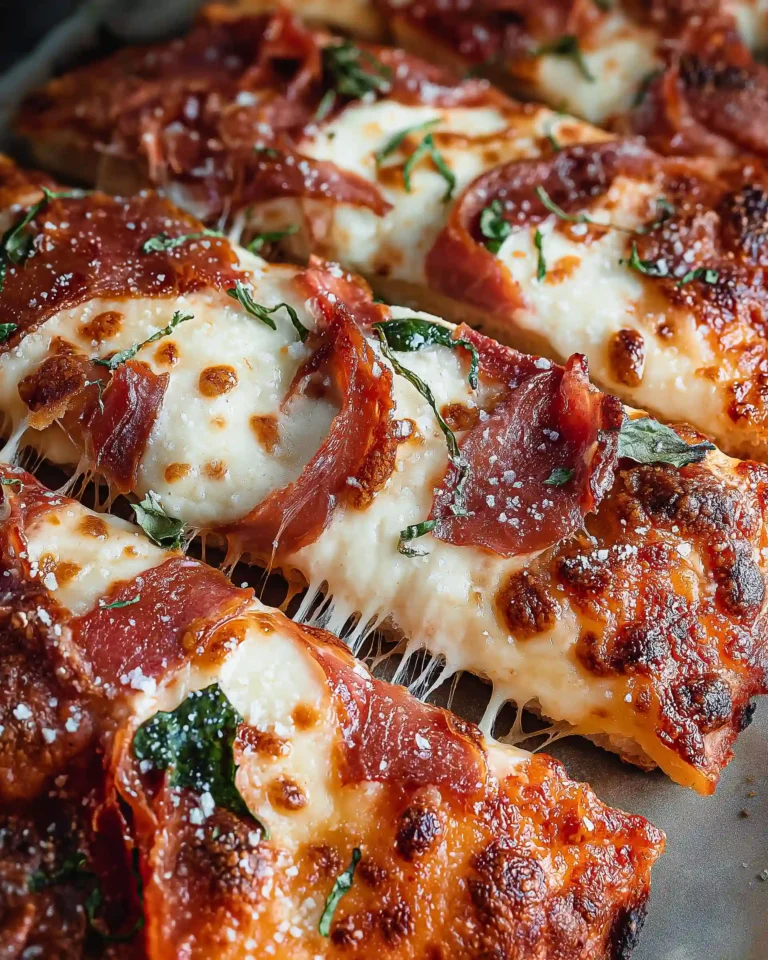
Pizza is one of the most loved foods around the world, offering endless possibilities for creativity. While traditional versions often include prosciutto or other pork-based toppings, there’s a growing demand for delicious alternatives that cater to different dietary preferences. This article explores a flavorful non-prosciutto pizza recipe featuring beef pastrami, two types of mozzarella, fresh basil, and a crispy golden crust.
We’ll guide you through each essential part of the process, from choosing the right dough and ingredients to mastering the baking technique for the perfect finish. Whether you’re cooking in your kitchen or grilling outdoors, this version promises a rich, satisfying experience with every bite. Let’s dive into making your new favorite pizza without using prosciutto, yet full of bold flavor.
Choosing the Right Base for Your Non-Prosciutto Pizza Recipe
The Role of Pizza Dough in Flavor and Texture
The base of your pizza is where everything begins. For this non-prosciutto pizza recipe, the type of dough you choose greatly affects the final flavor and texture. Freshly prepared dough provides that traditional chewy interior and crisp outer edge when baked at high heat. If you’re short on time, using two pre-made pizza shells is a convenient option that still delivers a tasty result. The key is to ensure your dough is at room temperature before shaping, which helps in achieving a soft, pliable texture for easy stretching.
Fresh vs. Pre-Made Pizza Dough: Pros and Cons
Fresh pizza dough often results in a more authentic texture with a better rise. It absorbs sauce more effectively and creates air pockets during baking for that classic artisanal bite. However, pre-made pizza shells can save time and reduce prep steps, especially when hosting guests or making multiple pizzas. While they may lack the complexity of flavor that develops in fresh dough, they still provide a dependable, crispy canvas for your toppings.
Prepping the Dough Like a Pro
If using fresh dough, roll it out on a floured surface into your preferred shape. Round or rectangular doesn’t matter—it’s all about maximizing the surface for your toppings. Preheat your oven or grill to 475°F, ideally with a pizza stone or baking tray placed upside down. This method mimics a stone oven, distributing heat evenly and giving the bottom of your pizza a golden finish. Don’t forget to sprinkle semolina flour or coarse cornmeal on the stone to prevent sticking and add texture to the crust.
Why Temperature Matters
High heat is critical. The 475°F setting allows the outer crust to crisp quickly while locking in moisture inside the dough. Baking on a preheated surface also helps form a slightly charred bottom, the kind you often find in wood-fired pizzas. If grilling, keep the lid closed to replicate oven-like heat distribution.
Summary
The foundation of your non-prosciutto pizza depends heavily on the dough choice and preparation. Whether you go with homemade or store-bought, preheating the cooking surface and working with room-temperature dough will elevate your pizza-making game. This first step sets the stage for a perfect bake and a memorable meal.
Print
Non-Prosciutto Pizza Recipe
- Total Time: 25 minutes
- Yield: 2 servings
Description
This Non-Prosciutto Pizza Recipe uses beef pastrami, fresh basil, and two kinds of mozzarella for a flavorful, satisfying alternative to traditional pork-topped pizzas.
Ingredients
1 lb prepared pizza dough or 2 large pre-made pizza shells
200 ml pizza sauce
85 grams beef pastrami slices
200 grams grated mozzarella
110 grams fresh mozzarella, torn into large pieces
6 medium fresh basil leaves, thinly sliced
2 tbsp semolina flour or coarse cornmeal (for pizza stone or tray)
Instructions
1. Remove pizza dough from the fridge and preheat oven or BBQ to 475°F with two pizza stones or baking trays upside down on the middle rack.
2. Roll out fresh pizza dough into two pizza shapes on a floured surface.
3. Sprinkle semolina flour on preheated pizza stones or trays, place dough on top, and par-bake for 3 minutes (skip this if using pre-made shells).
4. Remove from heat, then top with sauce, grated mozzarella, beef pastrami, torn fresh mozzarella, and basil.
5. Bake or grill for 7–12 minutes, until crust is golden, cheese is bubbling, and pastrami edges are crispy.
6. Let cool for 2–5 minutes, then slice and serve.
Notes
If using store-bought dough, allow it to reach room temperature before rolling for better texture.
Adjust baking time slightly depending on oven or grill performance.
Add vegetables like mushrooms or roasted red peppers for a twist.
- Prep Time: 10 minutes
- Cook Time: 15 minutes
- Method: Baked or Grilled
- Cuisine: Italian
Building the Sauce and Cheese Layers for Flavor Explosion
Selecting the Right Pizza Sauce
The sauce is more than just a base; it’s the flavor anchor of your non-prosciutto pizza recipe. A classic tomato-based pizza sauce brings acidity, sweetness, and depth that perfectly balances rich cheeses and savory toppings. When choosing a sauce, go for one with minimal ingredients—tomatoes, olive oil, garlic, and herbs. This keeps the flavor profile clean and allows the quality of each ingredient to shine. If you’re making your own, simmer crushed tomatoes with minced garlic, dried oregano, and a touch of salt for about 20 minutes for a homemade taste.
How Much Sauce Is Too Much?
Using 200 ml of pizza sauce for two pizzas strikes a great balance. Spread it thinly using the back of a spoon, starting from the center and working outward. Avoid overloading the dough to prevent sogginess. A thin, even coat ensures the crust crisps up properly while keeping each bite flavorful without overwhelming other toppings.
Grated Mozzarella: Melty Perfection
Mozzarella is a must-have on nearly any pizza, and for this non-prosciutto pizza, it plays a dual role. Start with 200 grams of grated mozzarella. This version melts quickly, spreads evenly, and browns beautifully under high heat. It forms that stringy, cheesy layer we all love, while providing a sturdy base for the rest of the toppings.
Fresh Mozzarella: Pockets of Creaminess
Add 110 grams of fresh mozzarella, torn into medium-large pieces, on top of the grated layer. This cheese won’t spread like shredded mozzarella, but instead melts into creamy pools that add texture and a gourmet feel. Tuck the pieces between the beef pastrami slices, allowing it to melt naturally during baking. These pockets of richness make every bite luxurious.
Cheese Placement Tips
Place the cheeses strategically. Don’t crowd them too closely together, as mozzarella expands when heated. A little breathing room between each chunk allows for better melting and optimal browning. Layering the grated cheese beneath and the fresh mozzarella above also helps create depth and avoids burning the softer cheese.
The Importance of Cheese Blend
Using both grated and fresh mozzarella balances meltability and flavor intensity. Grated mozzarella delivers that satisfying cheese pull, while fresh mozzarella enhances taste with its milky freshness. This blend is essential for a gourmet-style pizza that looks and tastes like something out of a pizzeria.
Summary
The right combination of sauce and cheeses builds the core flavor of this non-prosciutto pizza. From spreading a light coat of sauce to strategically placing two types of mozzarella, each step ensures a mouthwatering base for the toppings to come. In the next part, we’ll dive into the star of this dish—the toppings that set this pizza apart.
Toppings That Make This Non-Prosciutto Pizza Recipe Shine
Why Beef Pastrami Works as a Prosciutto Alternative
In this non-prosciutto pizza recipe, beef pastrami takes center stage as a savory, flavorful topping that delivers a similar saltiness and meaty depth without using pork. Unlike prosciutto, pastrami is seasoned with robust spices and slow-cooked, offering a smokier, slightly peppery flavor that pairs wonderfully with mozzarella and tomato sauce. Its richness stands up well under high heat, becoming slightly crisp at the edges while staying tender inside.
Choosing the Right Beef Pastrami
Look for thinly sliced beef pastrami, ideally from the deli counter. It should be lean but still have enough marbling to stay juicy after baking. Avoid thick-cut slices, which can become chewy or overpower the balance of other ingredients. With 85 grams of pastrami spread across two pizzas, you get enough coverage without overloading the dough.
How to Layer the Pastrami
After laying down your sauce and cheeses, place the beef pastrami slices strategically across the surface. Space them evenly, tucking some of the torn fresh mozzarella between folds of meat. This allows the cheese to melt into the pastrami, creating bites with bursts of creamy and meaty flavor. It also enhances visual appeal, making the finished pizza look artisan and appetizing.
Fresh Basil: The Finishing Touch
Fresh basil leaves, thinly sliced into ribbons, bring a much-needed freshness to this rich pizza. With just six medium leaves, you add color, aroma, and a slightly peppery note that cuts through the creaminess of the cheese and the richness of the pastrami. Scatter the basil over the top just before the final bake. This lets it wilt gently, releasing essential oils without burning or becoming bitter.
Baking It All Together
Once your toppings are layered, it’s time to bake or grill the pizzas for 7–12 minutes. Watch for visual cues—the crust should turn golden brown, the cheese should bubble and brown slightly, and the pastrami edges should curl and crisp. Every oven or grill behaves a little differently, so start checking around the 7-minute mark and rotate if needed for even cooking.
Resting Before Slicing
After removing your pizzas from the heat, let them rest for 2 to 5 minutes. This short cooling time helps the cheese set slightly, making slicing cleaner and keeping the toppings in place. Plus, it gives the crust time to firm up on the bottom, making every bite more satisfying.
Summary
Toppings make the difference between an average pizza and an unforgettable one. With beef pastrami as a standout alternative to prosciutto, paired with fresh mozzarella and fragrant basil, this recipe proves that flavor and satisfaction don’t require pork. In the next section, we’ll discuss baking tips and techniques to ensure a perfectly cooked pizza every time.
Mastering the Baking Techniques for Pizza Perfection
The Power of Preheating
One of the biggest secrets to achieving a perfectly cooked crust in this non-prosciutto pizza recipe is starting with a blazing hot oven or grill. Preheat to 475°F and place your pizza stones or baking trays upside down on the middle rack. This creates a hot, even surface that simulates the heat of a professional pizza oven. Let the trays heat for at least 30 minutes before placing the dough on them. This step guarantees a crisp base and a quick, even bake.
Why Use Upside-Down Trays or Pizza Stones
Turning your trays upside down gives the pizza a direct, flat surface to sit on, preventing soggy bottoms and promoting air circulation. Pizza stones offer even better heat retention and distribution, resulting in those irresistible golden-brown crusts with a slightly charred flavor. Sprinkle the stone or tray with semolina flour or coarse cornmeal before placing your dough—it prevents sticking and adds a pleasant crunch.
Par-Baking Fresh Dough for Better Results
If you’re using fresh pizza dough, pre-bake it for 3 minutes before adding the toppings. This short bake firms up the surface, so the sauce and cheese don’t soak into the dough. It also locks in air bubbles, helping the crust rise beautifully when you return it to the oven with toppings. Skip this step if you’re using pre-made pizza shells, as they’ve already been pre-baked.
Final Bake: Watching for Visual Cues
After assembling your pizza with sauce, cheeses, beef pastrami, and basil, return it to the oven or grill for a final bake of 7 to 12 minutes. Keep an eye on it—look for bubbling cheese, slightly charred edges, and a golden brown crust. Rotate the pizza if your oven has hot spots. The goal is even cooking, not burning.
Grill Tips for Outdoor Pizza
If you’re baking on a grill, use the same approach—heat the grates and pizza stone thoroughly, close the lid to mimic oven conditions, and resist the urge to open frequently. This retains heat and helps melt the cheeses evenly. A properly heated grill can yield pizza that’s smoky, crisp, and full of character.
How to Tell When It’s Done
Your pizza is ready when:
- The cheese is fully melted and lightly browned.
- The crust sounds hollow when tapped.
- The pastrami edges are crisp and slightly curled.
- The bottom is golden and firm, not doughy.
Use a spatula to lift a corner and check the underside if unsure. Let it cool briefly, then slice.
Summary
Baking is where your pizza goes from raw ingredients to a savory masterpiece. Whether using an oven or grill, the right temperature, surface, and timing are essential. With a par-bake and careful final cooking, this non-prosciutto pizza recipe delivers a crust that’s crisp on the outside, tender on the inside, and loaded with flavor.
Nutrition Breakdown and Healthier Customizations
Understanding the Nutrition Facts
Knowing what goes into your food helps you enjoy it mindfully. This non-prosciutto pizza recipe offers a well-balanced nutritional profile that makes it suitable for occasional indulgence without compromising flavor. Each serving delivers approximately 308 calories, with a good mix of protein, fats, and carbohydrates. Here’s the full breakdown per serving:
| Nutrient | Amount |
|---|---|
| Calories | 308 kcal |
| Fat | 13g (20% DV) |
| Saturated Fat | 6g (38% DV) |
| Cholesterol | 34mg (11% DV) |
| Sodium | 852mg (37% DV) |
| Potassium | 142mg (4% DV) |
| Carbohydrates | 32g (11% DV) |
| Fiber | 1g (4% DV) |
| Sugar | 5g (6% DV) |
| Protein | 16g (32% DV) |
| Vitamin A | 337 IU (7% DV) |
| Vitamin C | 2mg (2% DV) |
| Calcium | 268mg (27% DV) |
| Iron | 2mg (11% DV) |
This meal is relatively rich in protein and calcium, thanks to the cheese and beef pastrami. The sodium content is something to be mindful of, especially if you’re sensitive to salt or watching your intake. However, it remains far more balanced than many restaurant pizzas.
Tips for a Lighter Version
If you’re looking to lighten up this non-prosciutto pizza recipe, there are a few simple swaps and tweaks that keep the taste intact while reducing fat and calories:
- Use a whole-wheat or cauliflower crust instead of traditional dough. It cuts down on refined carbs and adds fiber.
- Reduce the amount of cheese slightly. Try using 150 grams of grated mozzarella and 75 grams of fresh mozzarella.
- Choose a low-sodium pizza sauce. Many store-bought varieties are high in salt, so reading labels can make a difference.
- Opt for lean beef pastrami or even a smoked turkey alternative for a lower-fat option.
- Load up on vegetables. Add bell peppers, mushrooms, or spinach to boost vitamins and fiber while maintaining flavor.
Keeping Portion Sizes in Check
Pizza is easy to overeat, especially when it’s loaded with melted cheese and crispy crust. One way to enjoy this pizza responsibly is to pair it with a light side salad. The fiber and volume from leafy greens can help fill you up without adding many calories. Consider dividing the pizza into smaller slices and savoring each bite rather than rushing through a big portion.
Nutritional Highlights of Ingredients
- Mozzarella cheese: High in calcium and protein, supports bone health and muscle function.
- Beef pastrami: A rich protein source with iron and B vitamins.
- Fresh basil: Offers antioxidants and adds flavor without calories.
- Tomato sauce: Provides lycopene, an antioxidant linked to heart health.
Summary
This non-prosciutto pizza recipe can be both satisfying and balanced. With thoughtful ingredient choices and a few easy tweaks, you can enjoy a pizza that’s not only delicious but also supports your dietary goals. In the next part, we’ll look at creative serving ideas and variations that can turn your pizza night into something extra special.
Serving Suggestions and Flavor Variations
Best Ways to Serve Your Non-Prosciutto Pizza
Once your non-prosciutto pizza recipe is fresh out of the oven and cooled for a few minutes, presentation and pairing can elevate the whole experience. Slice the pizza into medium or small triangles for easy sharing, especially if you’re serving multiple people. A wooden cutting board or pizza stone makes for a rustic, appealing display.
Pair the pizza with a light green salad, dressed with olive oil and lemon juice. This cuts through the richness of the cheese and pastrami. Another good side is a bowl of roasted vegetables—like zucchini or bell peppers—for added nutrients and color on the plate.
Kid-Friendly Twist
If you’re preparing this pizza for children or picky eaters, consider adjusting the spice level. Beef pastrami can be peppery, so look for a milder version or substitute with sliced turkey breast. You can also cut the basil into smaller pieces or mix it into the sauce to make the greens less noticeable.
Letting kids customize their own mini pizzas using the same toppings is a fun, interactive activity that often leads to fewer complaints at dinner.
Creative Toppings for Variation
Want to change things up while keeping the spirit of this non-prosciutto pizza intact? Here are some tasty, pork-free topping ideas to try:
- Grilled chicken slices: Add lean protein with a neutral flavor that pairs well with basil and cheese.
- Sun-dried tomatoes: Introduce a tangy, chewy texture and a concentrated tomato flavor.
- Sautéed mushrooms: Earthy and meaty, mushrooms enhance the umami without overpowering the other ingredients.
- Spinach leaves: A nutrient-dense green that wilts beautifully in the oven and blends with the mozzarella.
- Roasted red peppers: Add sweetness, color, and a soft bite that complements the sharpness of pastrami.
Making It Vegetarian
To turn this pizza fully vegetarian, simply omit the beef pastrami and double down on vegetables. A medley of roasted eggplant, zucchini, and cherry tomatoes will still deliver hearty texture and bold flavor. Add a sprinkle of red pepper flakes for a bit of heat if desired.
Serving for Gatherings
If you’re hosting, this recipe scales easily. Use large baking trays and prep several pizzas at once. Serve them in a variety of flavors—some with pastrami, some vegetarian—to satisfy every guest. Cut the pies into squares or smaller wedges to create a pizza buffet.
Keep napkins and pizza cutters handy, and make sure your surfaces are prepped for hot trays. If grilling outdoors, a cast iron pizza pan helps retain heat and adds visual flair when serving straight from the grill.
Summary
From family dinners to friendly gatherings, this non-prosciutto pizza recipe is versatile enough to suit many occasions. With creative topping variations and smart pairings, it can be customized to fit different tastes and dietary needs. Now that we’ve covered the recipe from dough to presentation, let’s wrap up with the key takeaways and a quick conclusion.
Conclusion – Final Thoughts on the Non-Prosciutto Pizza Recipe
Crafting a satisfying pizza without prosciutto doesn’t mean sacrificing flavor, texture, or visual appeal. This non-prosciutto pizza recipe brings together bold ingredients like beef pastrami, fresh and grated mozzarella, zesty pizza sauce, and aromatic basil to create a dish that rivals traditional Italian pies.
From selecting the right dough and balancing your sauce and cheeses, to layering your toppings with intention and mastering the perfect bake, every step has been carefully crafted to help you create a memorable homemade pizza. Whether you’re baking in the oven or grilling outdoors, following these tips guarantees a crispy crust, melted cheese, and deeply savory flavor in every bite.
We also explored how to adjust the recipe for lighter eating, make it kid-friendly, or switch up the toppings to keep things exciting. The beauty of this recipe lies in its flexibility—it’s adaptable to different diets and occasions while staying true to its delicious, comforting roots.