Brazilian cheese bread, or pão de queijo, is one of Brazil’s most beloved comfort foods. Light, chewy, and incredibly flavorful, these small cheese rolls are naturally gluten-free and made with tapioca flour. Whether you’re craving a quick snack or looking to impress your guests with a unique appetizer, this Brazilian cheese bread recipe is a delicious and simple solution.
In this guide, we’ll dive into the essentials of making pão de queijo, share tips to get the perfect texture, offer a bonus recipe with mashed potatoes, and give you variations to try based on your preference. The ingredients are straightforward, and most of the process is done in a blender, which means minimal mess and maximum satisfaction. Plus, we’ll cover proper storage, reheating, and nutrition so you can enjoy them whenever you like. Let’s get started.
Understanding Brazilian Cheese Bread
What Is Brazilian Cheese Bread?
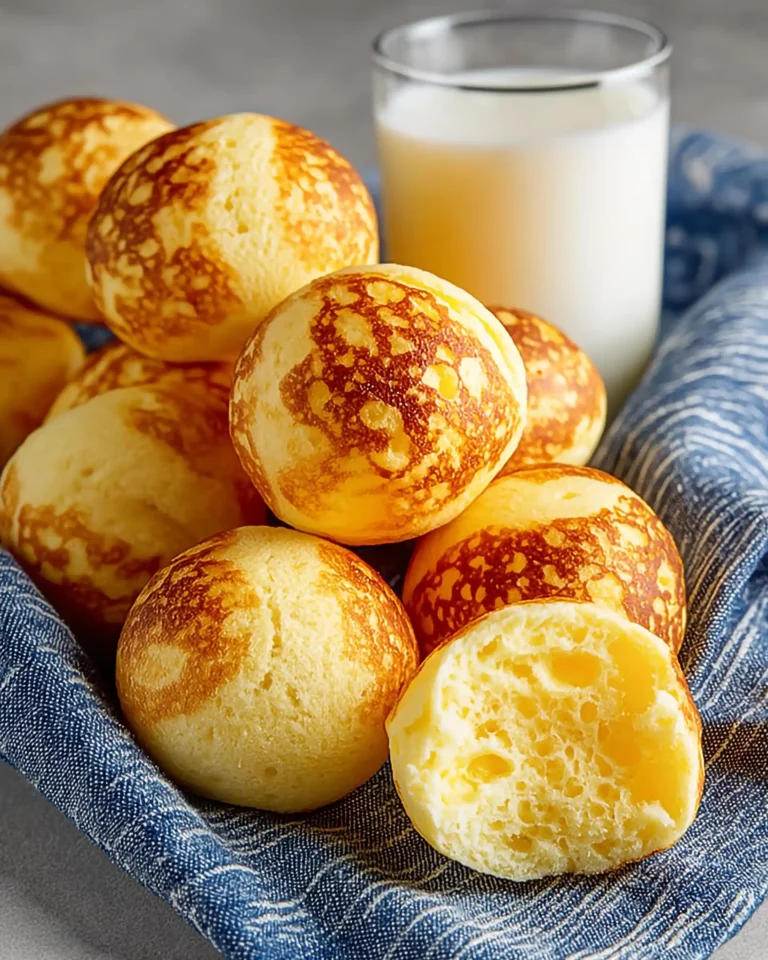
Pão de queijo translates literally to “cheese bread” in Portuguese, but it’s so much more than that. These small, round breads are chewy on the inside, crisp on the outside, and filled with a rich cheese flavor. Originating from the state of Minas Gerais in Brazil, they’ve been a staple in Brazilian cuisine for generations.
Unlike traditional bread, pão de queijo doesn’t use wheat flour. Instead, it relies on tapioca flour, which gives it a naturally gluten-free structure and a distinctive chewiness similar to mochi. They are often served warm, fresh out of the oven, making them irresistible.
Tapioca Flour: The Key Ingredient
Tapioca flour, also known as manioc starch or cassava flour, is essential to getting the unique texture of pão de queijo. It’s what gives the bread its signature chew. There are two main types: sweet tapioca flour and sour tapioca flour (polvilho azedo). The recipe shared here works well with sweet tapioca flour, which is more commonly found in stores, but the bonus version with mashed potatoes traditionally uses the sour kind for a tangier bite.
Tapioca flour doesn’t behave like regular flour. When baked, it turns elastic and chewy rather than soft and fluffy. That’s what makes pão de queijo stand out.
Choosing the Right Cheese
While you can use almost any type of cheese, traditional Brazilian versions often call for Minas cheese, a firm white cheese with a slightly salty flavor. Since it’s not widely available in the USA, you can substitute with grated mozzarella, parmesan, cheddar, or queso fresco. Each will bring a slightly different flavor and texture to the bread. A mix of two cheeses often gives the best flavor profile—one for stretch and moisture and another for salt and depth.
Make sure your cheese is finely grated or crumbled, so it blends easily into the batter and melts smoothly while baking.
Print
Brazilian Cheese Bread Recipe
- Total Time: 20 mins
- Yield: 12 to 18 mini cheese breads
Description
This Brazilian cheese bread recipe, also known as pão de queijo, is a naturally gluten-free snack with a chewy center and crisp exterior. Made with tapioca flour and cheese, it’s quick, easy, and incredibly delicious.
Ingredients
1 large egg, room temperature
1/3 cup extra virgin olive oil, plus more for greasing the pan
2/3 cup milk
1 1/2 cups (170 g) tapioca flour
1/2 cup (66 g) packed grated or crumbled cheese, your preference
1 teaspoon salt (or more to taste)
Instructions
1. Preheat the oven to 400°F. Lightly grease a non-stick mini muffin tin with olive oil.
2. Place all ingredients into a blender: egg, milk, oil, tapioca flour, cheese, and salt. Blend until smooth, scraping down the sides if needed.
3. Pour the batter into the greased muffin tin, filling each well about 7/8 full.
4. Bake for 15–20 minutes, until the cheese breads are puffy and golden brown.
5. Remove from oven and let cool for a few minutes. Serve warm or at room temperature.
6. Store leftovers in an airtight container at room temperature for 1 day, in the fridge for up to 1 week, or freeze for up to 1 month.
7. To reheat, microwave for a few seconds or warm in the toaster oven until heated through.
Notes
Let the egg come to room temperature for better blending.
Use any type of cheese—cheddar, mozzarella, or queso fresco work well.
The dough can be stored in the fridge for up to 1 week before baking.
Optional add-ins: herbs, garlic powder, or chili flakes for extra flavor.
Best served warm, right out of the oven.
- Prep Time: 5 mins
- Cook Time: 15 mins
- Method: Baking
- Cuisine: Brazilian
Step-by-Step Guide to Making Classic Brazilian Cheese Bread
Preparing Your Ingredients
Before you begin, gather all your ingredients and allow the egg and milk to come to room temperature. This small step makes a big difference in ensuring your batter blends smoothly.
Here’s what you’ll need:
- 1 large egg, at room temperature
- 1/3 cup extra virgin olive oil, plus more for greasing
- 2/3 cup milk
- 1 1/2 cups tapioca flour
- 1/2 cup grated or crumbled cheese of your choice
- 1 teaspoon salt, or more depending on the cheese’s saltiness
Pro Tip: If your egg is still cold, place it in a bowl of warm water for 5 minutes to gently warm it.
Blending the Batter
This recipe simplifies the traditional kneading process by using a blender, cutting down prep time to just minutes.
- Add all ingredients to your blender: Start with the liquids (milk, egg, oil) followed by the dry ingredients (salt, tapioca flour, cheese).
- Blend until smooth: Pulse or blend on medium until the mixture is well combined and no flour pockets remain. You may need to scrape down the sides once or twice to ensure everything is fully incorporated. The batter should be smooth and pourable but not too runny.
- Let it rest (optional): While not required, letting the batter sit for 10–15 minutes can help hydrate the flour for a slightly smoother texture.
Preparing the Pan and Baking
- Preheat your oven to 400°F.
- Grease a mini muffin tin lightly with olive oil. This prevents sticking and helps the outer crust crisp up nicely.
- Fill each muffin cup about 7/8 full, leaving just a little space at the top. These will puff up beautifully as they bake.
- Bake for 15 to 20 minutes, or until golden brown and puffy. The tops should be firm and slightly crusty, while the inside remains soft and chewy.
- Cool for a few minutes: Let them rest on a wire rack before serving, though they’re best enjoyed warm.
Storing and Reheating
If you have leftovers, here’s how to keep them tasting great:
- Room Temperature: Store in an airtight container for up to 1 day.
- Refrigerator: Store up to 7 days. Reheat in the oven or toaster for best results.
- Freezer: Freeze in a single layer, then transfer to a freezer-safe bag. Reheat from frozen at 300°F until warmed through and crisp again.
Texture and Taste Notes
These cheese breads have a distinctive chewiness that sets them apart from anything else. Think of it like a savory mochi ball with a crispy edge. The inside stays moist and stretchy thanks to the tapioca flour, while the outer shell turns golden and slightly crisp in the oven.
You’ll get a mild, creamy cheese flavor with a hint of salt, and a texture that keeps people reaching for more.
Bonus Traditional Recipe with Mashed Potatoes
Where It Comes From
This bonus version of Brazilian cheese bread comes from a more traditional, rustic method, passed down through Brazilian families. It uses cooked and mashed potatoes combined with polvilho azedo (sour tapioca flour), which creates a deeper, more tangy flavor and a softer interior. This recipe comes from Fernanda, a Brazilian cook who translated it from her friend Pat’s original.
Though more work is involved—especially hand-kneading—the result is a richer, fluffier version of pão de queijo.
Ingredients You’ll Need
This version makes a larger batch and requires kneading:
- 1 kg sour tapioca flour (polvilho azedo)
- 1 kg potato, cooked and mashed
- 250 ml milk, room temperature
- 250 ml vegetable oil
- 1 tablespoon salt
- 1 pound queso fresco or panela cheese, grated
- 6 eggs, free-range preferred
- Optional: 1 teaspoon anise seeds for a unique aromatic twist
Tip: Work with warm mashed potatoes for better blending.
Making the Dough
- Combine the flour and potatoes: Place the sour tapioca flour in a large bowl. Add the hot mashed potatoes and salt. Mix thoroughly with your hands until evenly distributed.
- Add the milk: Pour in the room-temperature milk gradually while continuing to knead the mixture with your hands.
- Incorporate the oil: Add the vegetable oil slowly, massaging it into the dough.
- Add cheese and eggs: Mix in the grated cheese, then add the eggs one at a time. If the dough feels too crumbly, add another egg. It should become soft, smooth, and elastic.
- Add anise seeds (optional): For an extra layer of flavor, stir in a teaspoon of anise seeds.
Baking Instructions
- Preheat your oven to 450°F.
- Shape the dough into small round balls, about the size of a golf ball.
- Arrange on a baking sheet, spacing them slightly apart.
- Bake for about 20 minutes, or until puffed and golden.
This version doesn’t need a muffin tin. The dough holds its shape well, forming rustic, golden domes that look and taste like they came from a bakery in Minas Gerais.
Dough Storage Tips
Once mixed, the dough can be shaped and frozen. Place the uncooked dough balls on a tray in a single layer. Once solid, transfer them to a freezer bag. When ready to bake, no need to thaw—just increase baking time slightly until cooked through and golden.
Creative Variations and Flavor Upgrades
Mixing Cheeses for Depth of Flavor
While the classic recipe keeps things simple with one cheese, mixing different types can elevate the flavor of your Brazilian cheese bread. Consider blending:
- Mozzarella and Parmesan: For a mix of gooey texture and sharp taste
- Cheddar and Queso Fresco: Offers a rich bite with a softer center
- Asiago and Monterey Jack: A combo that delivers nutty complexity and smooth melt
By combining a soft melting cheese with a firmer, saltier variety, you’ll balance both texture and taste. Just keep the total cheese amount consistent to maintain the right dough consistency.
Adding Herbs and Spices
Pão de queijo is very adaptable. Try adding finely chopped herbs or mild spices to the blender with your ingredients:
- Fresh rosemary or thyme: Adds an earthy depth
- Chopped scallions or chives: Brings a mild onion flavor
- Paprika or garlic powder: Enhances aroma and offers a savory twist
- Crushed red pepper flakes: For a subtle kick
Use light hand with additions to avoid overpowering the cheese flavor. About 1 to 2 teaspoons of finely chopped herbs or ½ teaspoon of dried spices per batch is plenty.
Vegan or Dairy-Free Alternatives
Although traditional Brazilian cheese bread relies on cheese and eggs, some modifications can help make it suitable for those avoiding dairy:
- Use a plant-based milk, such as unsweetened almond or oat milk
- Substitute the cheese with a dairy-free alternative that melts well
- Replace the egg with a flaxseed egg (1 tablespoon ground flax + 2.5 tablespoons water)
Keep in mind the texture will differ, but it will still be chewy and delicious.
Fun Serving Ideas
Once baked, these little cheese rolls can be served as-is or turned into creative snacks:
- Mini sandwiches: Slice in half and fill with avocado slices or scrambled eggs
- Brunch platters: Serve alongside fresh fruits and roasted vegetables
- Party appetizers: Add a small dollop of herbed cream cheese or bean spread on top
Their bite-sized shape makes them perfect for passing around during gatherings or pairing with simple meals.
Custom Shapes and Sizes
Although traditionally made as mini rolls, you can customize the size:
| Size | Bake Time | Ideal For |
|---|---|---|
| Mini muffin size | 15–20 mins | Snacks, brunch tables |
| Regular muffin | 20–25 mins | Meal side, bigger cheese lovers |
| Tiny balls | 10–12 mins | Kids’ lunchboxes, party trays |
Adjust baking time based on the size and keep an eye on the tops—when they’re puffed and lightly golden, they’re ready.
Storing, Reheating, and Freezing Tips
Best Ways to Store Brazilian Cheese Bread
Freshly baked Brazilian cheese bread is best enjoyed warm, right out of the oven. However, if you make a big batch or want to prep ahead, proper storage ensures you’ll still get that signature chewy texture when reheated.
Here are your storage options:
- Room Temperature: Store in an airtight container for up to 1 day. This works best if you plan to reheat and eat the next day.
- Refrigerator: Place the cooled cheese breads in a sealed container and refrigerate for up to 1 week.
- Freezer: Arrange fully cooled cheese breads on a baking sheet and freeze until solid. Then transfer to a freezer bag or airtight container. They’ll stay fresh for up to 1 month.
Tip: Label your container with the date to keep track of freshness.
How to Reheat Without Losing Texture
Reheating pão de queijo the right way brings back its crisp exterior and chewy inside. Avoid microwaving for too long, as it may toughen the texture.
Reheating Methods:
| Method | Time | Result |
|---|---|---|
| Toaster oven | 2–3 minutes | Crispy outside, warm and chewy inside |
| Conventional oven | 5–6 minutes at 350°F | Even heat, best for frozen breads |
| Microwave (for a quick fix) | 10–15 seconds | Soft and chewy, but less crispy |
If reheating from frozen, increase the time slightly. For toaster or oven reheating, there’s no need to thaw in advance.
Storing the Batter Instead of Baking All at Once
Didn’t use up all your batter? You don’t have to bake it all right away. You can store unused batter in the fridge and bake more throughout the week.
- Refrigerate batter for up to 1 week in a sealed container. Before baking, let it sit at room temperature for 15 minutes, give it a gentle whisk, then pour into greased muffin tins and bake as usual.
This method allows you to enjoy fresh cheese bread in small batches without extra prep.
Making Ahead for Events or Meal Prep
Planning to serve Brazilian cheese bread at a gathering? Bake them ahead and follow this reheating strategy:
- Bake a full batch, cool completely.
- Freeze in a single layer, then transfer to a freezer bag.
- On the day of your event, place frozen cheese breads in a 300°F oven for 10–12 minutes until hot and crisp.
This trick is perfect for holidays, birthdays, or family brunches when you want impressive food with minimal day-of effort.
Conclusion
Brazilian cheese bread, or pão de queijo, is much more than a simple snack—it’s a bite-sized celebration of flavor, texture, and tradition. With its crispy golden exterior and irresistibly chewy center, this gluten-free treat has won hearts around the world. Whether you stick with the easy blender method or venture into the traditional hand-kneaded version with mashed potatoes, the result is always comforting and crowd-pleasing.
What makes this recipe truly special is its flexibility. You can keep it classic with a single cheese, mix in herbs for extra flair, or freeze batches for quick and satisfying reheats. Once you’ve mastered the basics, the possibilities are wide open. From everyday snacks to brunch table showstoppers, Brazilian cheese bread fits beautifully into any occasion.