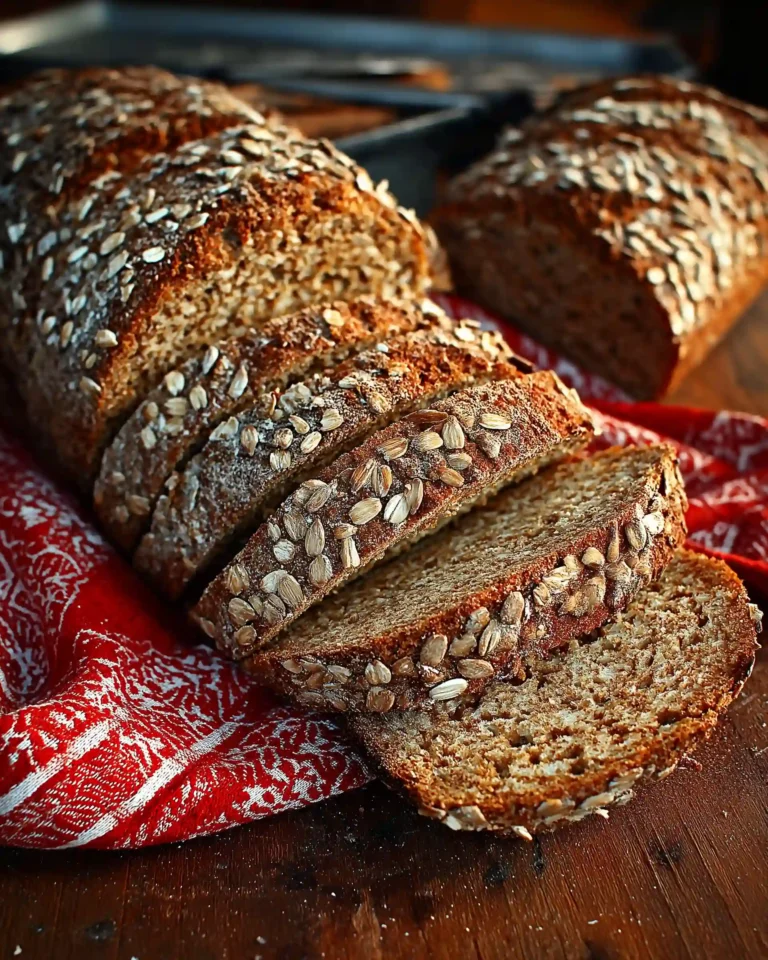
German bread is renowned for its rich flavors, dense texture, and deep cultural roots. Among the many varieties of bread found across Europe, German Vollkornbrot, or whole grain bread, stands out for its hearty profile, nutritional value, and satisfying taste. This type of bread is traditionally made using a variety of whole grains like einkorn, spelt, rye, or wheat, often combined with seeds and fermented over a long period for optimal flavor and digestibility.
In this article, you’ll explore how to prepare a traditional German bread recipe from scratch using natural ingredients and time-honored techniques. We’ll walk through the importance of ingredients, preparation methods, fermentation tips, baking guidance, and how to adapt the recipe to meet personal preferences like sourdough substitution or grain variation. Whether you’re a home baker seeking an authentic European bread-making experience or simply looking for a healthy bread alternative, this comprehensive guide will deliver.
Understanding the Ingredients in German Bread
Whole Grains and Their Role
The backbone of this traditional German bread recipe is whole grains, especially einkorn flour, which is known for being one of the oldest cultivated grains. Its nutty flavor and high nutritional value make it ideal for dense, flavorful loaves. Other grains like rye, spelt, or whole wheat can be used alone or in combination for variation in taste and texture.
Using cracked whole berries adds a rustic texture and ensures the bread maintains its traditional chewy consistency. Cracking the berries allows moisture to penetrate during fermentation, softening them enough to integrate into the dough without being hard.
Seed Power: Nutrition and Texture
This recipe includes whole flax seeds, sunflower seeds, and sesame seeds. These seeds not only enhance the bread’s texture but also bring excellent nutritional benefits. Flax seeds are high in omega-3 fatty acids and fiber, while sunflower seeds contribute vitamin E and healthy fats. Sesame seeds add a subtle crunch and nutty essence, rounding out the bread’s complex flavor profile.
Leavening Options: Yeast vs. Sourdough
The recipe typically uses dry active yeast for fermentation, which is quick and reliable. However, it can be replaced with sourdough starter to create a more traditional, naturally fermented bread. Sourdough adds depth of flavor and improves digestibility by breaking down gluten and phytic acid during the fermentation process.
Liquids and Texture Control
The combination of lukewarm water and buttermilk creates a soft, slightly tangy crumb. While the original version includes a small amount of mild beer for flavor, it can be replaced entirely with more buttermilk or water to maintain the integrity of the recipe without alcohol.
Flavor Enhancers and Optional Additions
Sugar is listed as optional but recommended, as it helps feed the yeast and contributes a subtle sweetness that balances the earthy grain flavors. Salt, on the other hand, regulates yeast activity and enhances overall flavor. Rolled oats sprinkled on top of the loaf not only offer aesthetic appeal but also provide a slight crunch and rustic finish.
Traditional German Bread Recipe
- Total Time: 2 days 1 hour 50 minutes
- Yield: 40 slices
- Diet: Vegetarian
Description
Traditional German bread recipe made with einkorn flour, whole grains, and nutrient-rich seeds. A dense, hearty loaf perfect for healthy eating.
Ingredients
4 1/2 cups einkorn flour
1/2 cup whole einkorn berries
1 3/4 cups cracked einkorn berries
1 cup whole flax seeds
1 1/2 cups sunflower seeds
1/4 cup sesame seeds
3 teaspoons salt
2 teaspoons dry active yeast
2 tablespoons sugar (optional)
2 cups lukewarm water
2 cups buttermilk (room temperature)
Rolled oats for sprinkling
Instructions
1. Dissolve the yeast and sugar in lukewarm water and let sit for 5–10 minutes until frothy.
2. In a large bowl, combine all dry ingredients.
3. Add yeast mixture, buttermilk, and remaining water. Mix well.
4. Knead using a dough hook for 10 minutes or stir vigorously by hand.
5. Transfer the dough to a non-reactive bowl and loosely cover. Let ferment at room temperature for 8–24 hours.
6. Preheat oven to 350°F. Grease a Pullman loaf pan generously with butter.
7. Scoop the thick batter into the pan and smooth the top. Sprinkle oats over the surface.
8. Bake for 100–120 minutes, or until internal temperature reaches 210°F.
9. Let cool in the pan for 5 minutes, then remove and cool completely on a wire rack.
10. Slice once fully cooled using a serrated knife or bread slicer.
Notes
You may use spelt, rye, or whole wheat flour as an alternative to einkorn.
Sourdough version: Omit yeast, add 200g active starter, reduce flour and water each by 100g.
Pre-soaking cracked and whole grains overnight helps with softening if your grains are older.
The long fermentation process increases flavor and improves digestibility.
This bread freezes well once sliced.
- Prep Time: 20 minutes
- Cook Time: 1 hour 30 minutes
- Method: Baking
- Cuisine: German
Preparing and Fermenting the Dough for German Bread
Activating the Yeast for a Strong Rise
The first critical step in making traditional German bread is activating the dry active yeast. To do this, dissolve the yeast in lukewarm water along with the optional sugar. Let this mixture sit for about 5 to 10 minutes until it becomes frothy. This foamy layer is a clear sign that the yeast is alive and ready to work. Activating yeast correctly ensures a steady rise and improved fermentation later in the process.
Mixing the Dry and Wet Ingredients
Once the yeast is activated, combine it with the rest of the ingredients. Add all the dry components — einkorn flour, whole and cracked berries, flax seeds, sunflower seeds, sesame seeds, and salt — into a mixing bowl. Whether you’re using a stand mixer or mixing by hand, ensure everything is evenly distributed.
Next, add the wet ingredients: the yeast mixture, buttermilk, and the remaining water (if not using beer). The dough will be very thick and sticky, unlike traditional bread dough that can be kneaded by hand on a floured surface. That’s perfectly fine — this batter-style dough results in a dense and hearty German-style loaf.
Kneading the Dough for Structure
If you’re using a stand mixer, attach the dough hook and knead the mixture on a low speed (typically setting #2) for about 10 minutes. This helps incorporate the ingredients fully and activates the gluten naturally present in the einkorn flour. If you’re doing it by hand, stir thoroughly and vigorously with a strong spoon or dough whisk. The goal is to hydrate the grains and mix them evenly, not to create a stretchable dough.
Fermentation: The Key to Flavor and Digestibility
After kneading, scoop the dough into a large non-reactive bowl. Cover it loosely with plastic wrap and leave it at room temperature for at least 8 hours, though ideally for a full 24 hours. This extended fermentation period is not only important for developing flavor, but it also allows the whole and cracked grains to soften properly.
The long fermentation process mimics sourdough behavior, even when yeast is used, by encouraging the breakdown of complex starches and gluten, making the bread easier to digest. The longer the batter rests, the more moisture is absorbed, which helps prevent a gummy center after baking.
Tips for Fermentation Success
- Use a warm room (around 70–75°F) for the fermentation process.
- If your kitchen is cooler, consider placing the bowl in the oven with the light on or near a warm appliance.
- Ensure the bowl is covered, but not sealed airtight, to prevent drying out while still allowing gases to escape.
By the end of the fermentation period, the batter should have a slight rise and may appear bubbly. It will not double in size like regular bread dough, but it should show clear signs of fermentation activity.
Shaping and Baking Traditional German Bread
Preparing the Loaf Pan
Before baking, prepare a 13x4x4 Pullman loaf pan by generously greasing it with butter. This type of pan is preferred for baking traditional German bread due to its tall sides and square shape, which help the bread bake evenly and achieve those classic, compact slices. Even without using the lid, the structure of the Pullman pan encourages consistent heat distribution, ensuring the center cooks through.
If you don’t have a Pullman pan, opt for a large, deep loaf pan. However, keep in mind that the texture and shape may slightly differ. Regardless of the pan choice, ensure it’s well-buttered to avoid sticking and to create a golden crust.
Transferring the Dough
After the fermentation period is complete, the dough will be thick and gooey rather than elastic. This is normal. Scoop the batter into the prepared loaf pan and use a spatula to spread and smooth out the top evenly. This step is important, as it ensures a uniform surface for a clean rise and an attractive appearance.
To finish, sprinkle rolled oats generously over the surface of the dough. This not only adds visual appeal but also gives the top crust a rustic, wholesome texture that enhances the bread’s character.
Baking for Full Flavor and Texture
Preheat your oven to 350°F. Place the loaf pan on the middle rack and bake the bread for 100 to 120 minutes. Yes, this extended bake time is intentional. Because the bread is dense and filled with whole grains and seeds, it requires more time to bake through the center.
The key to ensuring the bread is fully cooked is using an instant-read thermometer. Once the internal temperature reaches 210°F, the loaf is done. This is a reliable way to avoid the all-too-common issue of an underbaked center, which can result in a gummy or soggy texture.
Cooling and Slicing for Perfection
Once the bread is baked, let it sit in the pan for 5 minutes. This rest allows the crust to stabilize and makes it easier to remove from the pan. After that, turn the loaf out onto a wire rack and allow it to cool completely.
Resist the temptation to slice the bread while it’s still warm. Slicing too soon can disrupt the structure and lead to crumbly pieces. When the bread is fully cooled, use a sharp serrated knife or a bread slicer for clean, professional-looking slices.
Customizing Your German Bread Recipe with Grains and Sourdough
Choosing the Right Grain Combination
This traditional German bread recipe is flexible when it comes to grain choices. While einkorn is the star ingredient, you can substitute or combine it with other ancient or whole grains like rye, spelt, or whole wheat. Each grain brings its own distinct taste and nutrient profile.
- Einkorn: Offers a mildly sweet, nutty flavor and is easier to digest for many people. It also has a higher protein content compared to modern wheat.
- Rye: Provides a deeper, earthier flavor and creates a moister crumb, ideal for dark, dense loaves.
- Spelt: A good alternative for those sensitive to modern wheat, it brings a light, slightly sweet taste.
- Whole Wheat: Readily available and rich in fiber, it adds a hearty texture and robust flavor.
You can experiment by using a 50/50 blend of einkorn with any of these grains, or even combine three or four types to create a multi-grain loaf. Just remember, the coarser the grains, the longer the fermentation time needed to soften them fully.
Cracking and Soaking Grain Berries
Cracked whole grain berries add essential texture and traditional depth. You can crack them using a grain mill on its coarsest setting or pulse them in a dry blender or food processor. Even pounding them in a sealed bag with a rolling pin can work in a pinch.
As for soaking, while it’s not strictly necessary if you ferment the dough for a full 24 hours, pre-soaking may help if your grains are particularly old or tough. Pour hot water over the cracked and whole berries, let them soak overnight, then drain well before adding to your mixture.
Sourdough Starter Substitution
If you prefer a more traditional, fermented flavor and added health benefits, this recipe can easily be adapted to use a sourdough starter. To do this:
- Omit the yeast entirely.
- Add 200 grams of active sourdough starter.
- Reduce the flour by 100 grams.
- Reduce the water by 100 grams.
Mix everything else the same way and allow the batter to ferment for a full 24 hours at room temperature. The sourdough method may take slightly longer to rise but produces deeper flavor complexity and enhanced digestibility.
Why Sourdough Works Well in German Bread
German baking traditions often rely on sourdough fermentation, especially when rye is involved. The natural acids in a sourdough starter help break down the tougher starches in whole grains, making the bread more gut-friendly. Additionally, sourdough contributes to a longer shelf life and creates a distinct, tangy taste that pairs beautifully with the earthy flavor of grains and seeds.
Nutritional Benefits of Traditional German Bread
A High-Fiber, Whole Grain Powerhouse
One of the standout features of this traditional German bread recipe is its rich fiber content. With a mix of whole grains, cracked berries, and seeds, each slice provides a significant amount of dietary fiber, which supports digestion, stabilizes blood sugar, and keeps you feeling full longer.
Here’s what makes this bread nutritionally dense:
- Cracked and whole grain berries deliver complex carbohydrates that release energy slowly.
- Flax seeds contribute soluble and insoluble fiber, both essential for digestive health.
- Sunflower and sesame seeds bring in healthy fats and additional fiber to support gut balance.
The inclusion of whole berries also means you’re consuming grains in their most complete, natural state, with the bran, germ, and endosperm intact — maximizing nutrition with every bite.
Rich in Protein and Essential Minerals
This bread packs more than just fiber. Thanks to seeds and whole grains, it offers a notable protein boost. Each slice contains about 5 grams of protein, which is more than most commercial whole grain breads.
Additionally, this loaf is a good source of:
- Iron, vital for energy and oxygen circulation.
- Magnesium, important for muscle and nerve function.
- Potassium, which helps regulate fluid balance and blood pressure.
- Calcium, needed for bone health, especially coming from the buttermilk and sesame seeds.
Heart-Healthy Fats and No Refined Ingredients
Traditional German bread is naturally free of refined oils and sugars. Instead, it uses whole ingredients that support cardiovascular health. The fats come primarily from seeds, which are unsaturated and help manage cholesterol levels when eaten in moderation.
Unlike store-bought breads, this recipe contains no artificial additives or preservatives. It’s made entirely from pantry staples, making it an excellent choice for anyone following a clean eating plan or reducing processed foods.
Lower Glycemic Index for Sustained Energy
Because of its whole grain composition and long fermentation, this bread has a lower glycemic index compared to white or even standard whole wheat bread. That means it won’t spike your blood sugar as much, making it suitable for people who are watching their glucose levels or managing type 2 diabetes.
This is especially important for those looking to support metabolic health without sacrificing the comfort and satisfaction of hearty bread.
How to Store, Slice, and Serve German Bread
Proper Storage for Long-Lasting Freshness
Because this German bread is dense, moist, and free from preservatives, proper storage is essential to maintaining its freshness and texture. Once the bread has completely cooled on a wire rack, store it in an airtight container or wrap it tightly in parchment paper followed by a clean kitchen towel. Avoid plastic wrap or bags directly touching the bread, as they can trap moisture and encourage mold.
For short-term storage (up to 4 days), keep the bread at room temperature in a cool, dry place. If you don’t plan to eat it within that time, slice the entire loaf and freeze it in portions. Freezing helps preserve the texture and flavor without any loss of quality. To defrost, just take out the slices you need and let them thaw at room temperature or gently toast them.
Tips for Slicing Perfectly
Slicing this type of bread can be tricky due to its dense structure and coarse ingredients. For best results:
- Allow the loaf to cool completely before slicing.
- Use a long, sharp serrated bread knife or a bread slicer to achieve clean, even slices.
- Cut slightly thinner than traditional sandwich bread to appreciate the texture without it feeling too heavy.
A good slicing tool not only improves presentation but also helps prevent crumbling or crushing, ensuring each piece looks as good as it tastes.
Serving Suggestions: Savory, Sweet, and More
This wholesome loaf is incredibly versatile and can be enjoyed in numerous ways throughout the day. Here are a few favorite serving styles:
- Breakfast: Toasted with nut butter, honey, or fresh fruit preserves. Add sliced banana or berries for a nutrient-rich start.
- Lunch: Spread with avocado, hummus, or natural seed-based spreads. Top with fresh vegetables for a complete and satisfying open-faced sandwich.
- Snack: Serve with soft cheeses, homemade vegetable dips, or just a drizzle of olive oil and a sprinkle of herbs.
- Dinner: Use as a hearty side to soups, stews, or fresh salads. It pairs particularly well with earthy flavors and seasonal produce.
Because of its rich flavor and dense consistency, just one or two slices go a long way. This bread also holds up well in the toaster, making it ideal for reheating and layering with your favorite toppings.
Conclusion: Embrace the Craft of Authentic German Bread
Crafting traditional German bread at home is more than just baking — it’s a return to slow food, mindful eating, and cultural tradition. With its combination of whole and cracked grains, nutrient-dense seeds, and long fermentation, this bread delivers flavor, nutrition, and satisfaction in every hearty slice.
Unlike commercial loaves that rely on processed ingredients, this recipe lets each component shine. Einkorn or other ancient grains provide depth and digestibility, while seeds like flax, sunflower, and sesame add texture and essential nutrients. Whether you choose to use active yeast or a sourdough starter, this bread rewards your patience with rich aroma, a satisfying chew, and true nourishment.
It’s also highly adaptable. You can switch up the grains, add your favorite seeds, or even alter the hydration based on what works best for your kitchen. Plus, once baked, the loaf stores beautifully and freezes well, making it a practical staple for everyday meals.
So whether you’re a seasoned baker or just beginning your bread-making journey, this traditional German bread recipe offers the perfect blend of rustic charm, health benefits, and culinary satisfaction. Each bite connects you to centuries of tradition and reminds you that the simplest ingredients, handled with care and time, create the most unforgettable flavors.