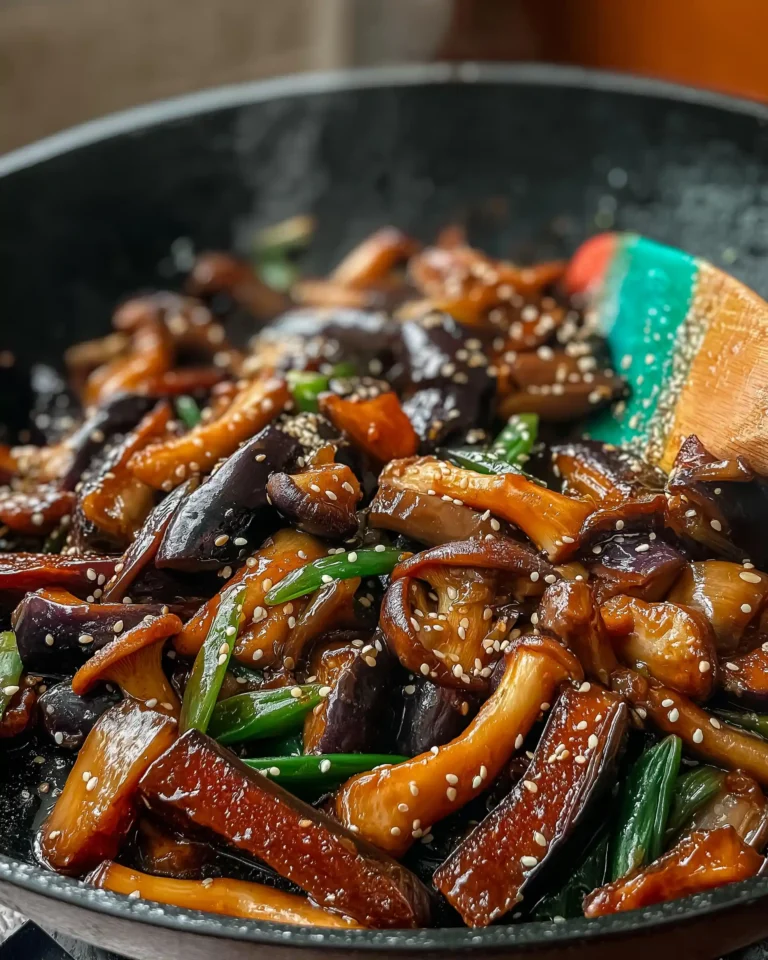
Teriyaki Eggplant and Mushroom Rice Bowl is the perfect harmony of umami-rich flavors, tender textures, and nourishing ingredients. Whether you’re looking to explore Japanese-inspired cuisine or incorporate more vegetables into your meals, this dish offers both comfort and complexity in a single bowl. Combining juicy eggplant and hearty mushrooms glazed in a caramelized teriyaki sauce, it sits beautifully over a bed of fluffy steamed rice, delivering bold taste without being overly complicated.
In this article, we’ll take a deep dive into everything about the Teriyaki Eggplant and Mushroom Rice Bowl—from its ingredients and preparation method to its nutritional value and serving suggestions. We’ll also discuss flavor-enhancing techniques, ideal mushroom pairings, and tips for creating that glossy, restaurant-quality glaze at home. If you’re aiming to cook a balanced, plant-based meal that satisfies both flavor and health, this guide is tailored for you.
Key Ingredients in Teriyaki Eggplant and Mushroom Rice Bowl
Understanding the Core Ingredients
The foundation of this rice bowl rests on the fusion of eggplant and mushrooms. Chinese eggplants, which are slender and mild, absorb flavors exceptionally well and maintain a tender texture when sautéed. Their subtle sweetness complements the rich, earthy notes of mushrooms. Shiitake mushrooms, in particular, provide a meaty texture and deepen the umami profile, making them ideal for this dish.
What brings these elements together is the teriyaki-style sauce, crafted with a few simple yet dynamic pantry staples—sake, mirin, soy sauce, and sugar. These combine to create a rich, sticky glaze that clings beautifully to the vegetables, infusing every bite with savory-sweet goodness.
Why These Ingredients Work Together
The key to any good rice bowl lies in balance. The eggplant offers a creamy, mild base. Mushrooms contribute a bold, earthy depth. The sauce—thanks to the fermented complexity of soy sauce, the slight acidity of mirin, and the sweetness of sugar—adds layers of flavor that coat the vegetables in a luscious, glossy finish. Each bite delivers contrast: soft vegetables against firm rice, sweet against salty, and savory against subtle.
The Importance of Proper Preparation
Before cooking begins, soaking the chopped eggplant in salted water helps to prevent discoloration and reduces any bitterness. Patting them dry ensures a golden brown sear when they hit the pan. Meanwhile, slicing the mushrooms evenly ensures uniform cooking and optimal texture. These small steps might seem easy to overlook, but they contribute greatly to the final flavor and consistency.
Role of Seasonings in the Sauce
Let’s not overlook the subtle sophistication of the sauce. Sake enhances aroma, mirin adds sweetness and shine, while soy sauce contributes deep saltiness and umami. A bit of dark mushroom soy sauce, though optional, gives the sauce its rich mahogany color and a stronger mushroom essence. Sugar, finally, aids in caramelizing the sauce so it coats the vegetables with a lacquered finish.
Optional Garnishes for Extra Texture and Flavor
While the base recipe is already satisfying, toppings like sesame seeds and green onions elevate the texture and taste. The sesame seeds introduce a gentle crunch and nuttiness. Green onions bring a fresh, slightly pungent zing that cuts through the richness of the glaze. These aren’t just for looks—they contribute to a well-rounded bite.
Quick Overview of Ingredient Measurements
Here’s a summary of the primary ingredients used:
- Eggplant: 9.5 oz (around 3 small Chinese eggplants)
- Mushrooms: 6.5 oz of your choice (shiitake recommended)
- Cooking Oil: 2 tbsp neutral oil
- Sauce Mixture: 2 tbsp sake, 2 tbsp mirin, 2 tbsp soy sauce, 1 tsp mushroom soy sauce (optional), and 1-2 tbsp sugar.
These quantities are well-balanced for two servings, keeping flavors intense yet not overpowering. This makes it easy to scale up for a larger meal or scale down for a solo dinner.
Print
Teriyaki Eggplant and Mushroom Rice Bowl
- Total Time: 30 minutes
- Yield: 2 people
- Diet: Vegan
Description
A flavorful and hearty Japanese-inspired dish featuring tender eggplant and mushrooms glazed in a sweet-savory teriyaki sauce, served over steamed rice.
Ingredients
9.5 oz Chinese eggplant (about 3 small ones)
6.5 oz fresh mushrooms (shiitake recommended)
2 tbsp neutral oil
2 tbsp sake
2 tbsp hon mirin
2 tbsp soy sauce
1 tsp dark mushroom soy sauce (optional)
1–2 tbsp sugar, to taste
To Serve:
Steamed short grain or Japanese rice
Sliced green onions
Sesame seeds
Instructions
1. Trim tops off eggplants, slice lengthwise, then quarter and cut into 2-inch pieces.
2. Soak eggplant pieces in salted water to reduce bitterness. Drain and pat dry.
3. Clean and slice mushrooms evenly.
4. Heat oil in a wok or skillet over medium-high heat. Add eggplant and cook until browned on the outside.
5. Add mushrooms to the pan and cook until lightly browned.
6. Pour in sake, mirin, soy sauces, and sugar. Stir to combine and reduce heat to medium.
7. Let sauce simmer and reduce for 3–4 minutes until it thickens and glazes the vegetables.
8. Turn off heat. Serve hot over steamed rice.
9. Garnish with green onions and sesame seeds before serving.
Notes
Use hon mirin for best flavor.
Add more sugar for a sweeter glaze or reduce for a saltier taste.
Substitute shiitake with oyster or cremini mushrooms if desired.
Dish can be meal-prepped and stored in the fridge for up to 4 days.
- Prep Time: 10 minutes
- Cook Time: 20 minutes
- Method: Stovetop
- Cuisine: Japanese
Step-by-Step Cooking Method for the Perfect Glaze and Texture
Step 1: Prepping the Eggplant the Right Way
Start by trimming off the tops of the eggplants. Slice them lengthwise in half, then quarter them, and cut into 2-inch (5 cm) long pieces. Place these in a bowl of salted water. This step is more than just a tradition — salting helps remove bitterness and keeps the eggplant from browning too quickly. Let the eggplant soak for a few minutes while you prep the mushrooms.
After soaking, drain the water and pat the eggplant dry with paper towels. Drying is essential to achieve a crisp sear when they hit the hot oil. If moisture remains, the eggplant will steam instead of browning, which can make it soggy and bland.
Step 2: Preparing the Mushrooms
Use fresh mushrooms of your choice, though shiitake is highly recommended for its rich umami profile. Clean them gently with a damp cloth and slice evenly. Uniform slices help ensure even cooking and that every piece soaks up the teriyaki glaze equally.
You can also mix in other varieties like oyster or cremini mushrooms to add more texture and layers of flavor. The key is not to overcrowd the pan to avoid steaming them.
Step 3: Cooking the Vegetables
Heat a large wok or skillet over medium-high heat. Add in the neutral oil (such as canola or grapeseed oil) once the pan is hot. Carefully place the dried eggplant pieces into the pan. Let them sit untouched for a couple of minutes to encourage browning. Stir occasionally to brown each side evenly. The eggplant will start to soften and take on a golden, caramelized hue.
Now, add in the sliced mushrooms. Allow them to cook alongside the eggplant until lightly browned. Stir occasionally but not too much—letting them sit undisturbed for short periods helps them develop color and texture.
Step 4: Building the Sauce and Glaze
Once the vegetables are browned and tender, it’s time to add flavor. Pour in the sake, mirin, soy sauce, and sugar (along with the optional dark mushroom soy sauce). Stir to combine. Reduce the heat slightly to medium and let the mixture simmer.
As the sauce cooks, it will reduce and thicken. The sugars will begin to caramelize, forming a glossy glaze that wraps around the eggplant and mushroom. This process takes about 3 to 4 minutes. Stir often during this stage to prevent burning and to evenly coat the vegetables in the sauce.
You’ll know it’s ready when the sauce looks shiny and sticky, clinging to each piece like a rich, savory coating.
Step 5: Final Touches and Plating
Turn off the heat once the sauce reaches the desired consistency. Prepare your serving bowls by placing a generous portion of steamed short-grain or Japanese rice at the bottom. Spoon the glazed eggplant and mushroom mixture over the rice.
Garnish with thinly sliced green onions for freshness and sprinkle with sesame seeds for a touch of nuttiness and visual appeal. These garnishes don’t just add color—they boost the flavor profile and create a more satisfying experience.
Pro Tips for Success
- Don’t rush the browning: Let the vegetables develop color for a richer flavor.
- Use a wide skillet or wok: This gives the ingredients enough space to cook evenly.
- Adjust sweetness to taste: If you prefer a more savory dish, use less sugar. If you like a classic teriyaki finish, lean toward the full 2 tablespoons.
Quick Timeline Recap
| Task | Time Estimate |
|---|---|
| Prep eggplant & mushrooms | 10 minutes |
| Cook vegetables | 8–10 minutes |
| Simmer sauce and glaze | 4 minutes |
| Plating and garnishing | 2–3 minutes |
| Total Time | ~25–30 minutes |
Nutritional Benefits of Teriyaki Eggplant and Mushroom Rice Bowl
Low-Calorie, High-Satisfaction Meal
One of the standout qualities of the Teriyaki Eggplant and Mushroom Rice Bowl is how satisfying it feels despite being relatively low in calories. A single serving without rice contains only 258 kcal, making it an excellent choice for anyone aiming to eat light without compromising on taste. When served with rice, it provides a full meal that keeps you full and fueled.
This dish achieves balance by combining vegetables rich in fiber and antioxidants with a modest amount of natural sugars and healthy fats. It’s hearty enough to serve as a main course, yet gentle on the digestive system, especially when paired with short-grain or Japanese rice.
Macronutrient Breakdown
Here’s a quick look at the nutritional profile per serving (not including rice):
| Nutrient | Amount |
|---|---|
| Calories | 258 kcal |
| Carbohydrates | 26g |
| Protein | 6g |
| Fat | 15g |
| Fiber | 5g |
| Sugar | 17g |
| Sodium | 1311mg |
This meal is naturally high in dietary fiber, which supports digestion and promotes a feeling of fullness. It contains very little saturated fat and zero cholesterol, making it a heart-healthy option, especially for those looking to manage their cardiovascular wellness.
Plant-Based Protein Source
While this rice bowl doesn’t contain animal-based proteins, mushrooms are an excellent source of plant-based protein. Shiitake mushrooms offer a meaty texture and nutritional density, providing essential amino acids and antioxidants. Combined with rice, which contains complementary proteins, this dish provides all nine essential amino acids when eaten as a complete meal.
Rich in Micronutrients
Eggplants are known for their antioxidant properties, primarily due to nasunin, a powerful anthocyanin found in their skin. They’re also a good source of potassium, fiber, and vitamin C.
Mushrooms, especially shiitake, are loaded with B-vitamins, selenium, and copper, all of which support immune health and energy metabolism.
Let’s break down a few of the micronutrients:
- Potassium (650mg): Supports heart and muscle function
- Iron (1mg): Helps with red blood cell production
- Vitamin C (5mg): Enhances immune function and improves iron absorption
- Calcium (20mg): Supports strong bones and muscles
Great for Dietary Restrictions
This bowl is:
- Vegan-friendly
- Dairy-free
- Gluten-free, if tamari or gluten-free soy sauce is used
- Refined sugar-free, when natural sweeteners like coconut sugar are substituted
These qualities make it ideal for those following specific diets or simply trying to eat cleaner.
Customizable for More Nutrition
You can boost the nutrition even further by:
- Adding steamed broccoli, bok choy, or spinach for added iron and calcium
- Topping with toasted seaweed for extra iodine
- Using brown rice instead of white for added fiber
Flavor Enhancement Techniques and Garnishing Ideas
Building Rich Umami Without Overcomplication
The secret to a deeply satisfying Teriyaki Eggplant and Mushroom Rice Bowl lies in mastering the art of umami—the savory depth that makes a dish crave-worthy. You don’t need meat to create this, especially when using ingredients like shiitake mushrooms and soy sauce. Here’s how you can amplify the flavors using minimal, plant-based ingredients.
Start by giving your eggplant a chance to brown properly. Letting it sit undisturbed in hot oil creates a crisp outer layer and seals in its creamy center. This contrast in textures adds an indulgent feel to an otherwise simple vegetable. Meanwhile, mushrooms naturally release glutamates during cooking, boosting the umami profile even further.
A well-balanced sauce is key. Using hon mirin (true mirin) rather than mirin-style seasoning makes a big difference. Hon mirin adds both sweetness and complexity from fermented rice. Sake, while mild in flavor, enhances aroma and helps bind the glaze.
If you want to take the umami factor even higher, a dash of dark mushroom soy sauce intensifies color and flavor. It’s optional but recommended, especially if you want the sauce to cling and caramelize beautifully.
Balancing Sweet, Salty, and Savory Flavors
The original recipe includes a range for sugar—between one to two tablespoons. This range is important because sweetness levels should match your preferences. Start with one tablespoon and taste the sauce before committing to more. For a sweeter, more traditional teriyaki glaze, two tablespoons will do the trick. If you prefer a more savory bowl, stop at one.
Don’t forget that soy sauce brings a significant amount of sodium, so taste before adjusting any salt levels. The sake and mirin also provide subtle layers of acidity that brighten the glaze, preventing it from becoming too heavy or one-note.
Creative Garnishing Ideas for Visual and Textural Impact
Garnishing is not just for aesthetics—it completes the dish in both flavor and texture. Consider these topping ideas to elevate your bowl:
- Toasted Sesame Seeds: Add them right before serving for a nutty crunch.
- Sliced Green Onions: Their freshness and light pungency balance the sweetness of the sauce.
- Julienned Cucumber or Carrot: Offers refreshing contrast and a crisp bite.
- Thinly Sliced Avocado: Adds creaminess and visual appeal.
- Nori Strips: Adds umami and a hint of oceanic flavor.
Using multiple garnishes creates a multi-textural experience that keeps each bite exciting. For example, the crunch of sesame paired with creamy eggplant and silky mushrooms creates a complex yet approachable mouthfeel.
Presentation Tips That Boost Appetite Appeal
Food that looks good is more enjoyable to eat. Here are simple plating suggestions:
- Use a deep bowl for layering, starting with rice at the bottom and topping it generously with the glazed vegetables.
- Drizzle a little extra sauce over the rice to soak into the grains.
- Place garnishes neatly in separate zones on top of the bowl for color contrast.
- Finish with a pinch of sesame seeds right before serving to keep them crisp.
Even if you’re serving this meal at home, these touches help elevate the experience and show care in preparation.
Timing Your Garnish for Best Results
Always add garnishes like green onions and sesame seeds just before serving. If added too early, they may lose their vibrant color and crunch. Likewise, any fresh herbs or thinly sliced veggies should be prepped last to maintain freshness and bite.
Customization and Variations for Dietary Needs
Make It Gluten-Free
If you’re cooking for someone with gluten sensitivity or Celiac disease, this recipe is easily adaptable. Simply swap out the regular soy sauce for a gluten-free tamari or coconut aminos. These alternatives offer a similar depth of flavor without any wheat. Be sure to check the mirin and sake labels too, as some versions may contain traces of gluten—opt for brands labeled gluten-free when needed.
Lower the Sodium Content
Soy sauce is delicious but can be high in sodium. If you’re watching your salt intake, use a low-sodium soy sauce or dilute the sauce mix with a tablespoon of water or vegetable broth. You can also reduce the amount of added soy sauce and increase the natural umami flavors using mushrooms or even a tiny splash of balsamic vinegar for complexity.
Another tip is to use unsalted sesame seeds and skip any extra salt after cooking. Most of the flavor comes from the sauce itself, so it’s rarely missed.
Adding More Vegetables
Want to sneak in more vegetables for extra nutrients and texture? Go for it. Here are some excellent options that cook quickly and pair well with teriyaki:
- Bok choy: Add toward the end of cooking to retain crunch.
- Zucchini: Sauté it with the eggplant for a similar texture.
- Bell peppers: Introduce color and a sweet crispness.
- Carrots: Shred or slice thinly and add in the last few minutes of cooking.
- Spinach: Stir in just before removing the pan from heat.
These additions not only boost vitamins and minerals, but also make the meal more colorful and satisfying.
Make It Spicy
If you love heat, spice it up. The original version is mellow and family-friendly, but a few simple tweaks can introduce just the right kick:
- Add a teaspoon of chili garlic paste to the sauce.
- Sprinkle on crushed red pepper flakes before serving.
- Serve with a side of sriracha or any preferred hot sauce.
These additions balance beautifully with the sweetness of the teriyaki glaze and don’t overpower the other ingredients.
Protein Boosting Options (Plant-Based)
While mushrooms already provide a good source of plant protein, here are a few ways to make your bowl more protein-rich, still keeping it vegan:
- Add tofu: Pan-fried firm tofu absorbs the teriyaki glaze well.
- Include edamame: These young soybeans offer a mild flavor and a solid dose of protein.
- Use tempeh: With its nutty, dense texture, tempeh can be sliced and glazed alongside the eggplant.
Just be sure to adjust the sauce amounts if you’re adding significant volume, so everything gets evenly coated.
Swap the Base Grain
Rice is the classic foundation, but you don’t have to limit yourself. Here are some nutritious and delicious alternatives:
| Grain Alternative | Benefits |
|---|---|
| Brown rice | More fiber, nuttier flavor |
| Quinoa | Complete protein, fluffy texture |
| Cauliflower rice | Low-carb, light and fluffy |
| Barley | Chewy texture, high in fiber |
Choose a base that complements your dietary preferences or simply changes things up for variety.
Make-Ahead and Meal Prep Friendly
This recipe is great for meal prepping. The eggplant and mushroom mixture holds up well in the fridge and reheats without losing flavor or texture. Store the vegetables and rice separately in airtight containers. For best results, keep garnishes like green onions and sesame seeds aside until just before serving.
Shelf life in the fridge: 3 to 4 days
Freezer friendly: Yes, for up to 2 months (without garnishes)
Cultural Inspiration and Culinary Influence
The Roots of Teriyaki in Japanese Cuisine
The word teriyaki comes from two Japanese terms: teri meaning “shine” and yaki meaning “grill” or “cook.” Traditionally, teriyaki refers to a cooking technique where foods are grilled or broiled while being basted in a sauce made of soy sauce, mirin, and sugar. While commonly used for fish and meats in Japan, the method has evolved globally, extending to vegetables and plant-based dishes.
This rice bowl takes the teriyaki method and adapts it to a vegetarian context, maintaining the signature glossy glaze and rich, layered taste. It’s a beautiful representation of how traditional Japanese techniques can be reimagined for modern dietary lifestyles while still honoring their origin.
Why Eggplant and Mushrooms?
In Japanese cooking, both eggplant (nasu) and mushrooms (kinoko) are celebrated for their seasonal value and versatility. Eggplant is often grilled with miso glaze in a dish called nasu dengaku, while mushrooms like shiitake and enoki are staples in soups and stir-fries.
Their inclusion in this rice bowl isn’t just for flavor—it’s a reflection of how plant-based ingredients are revered in East Asian cuisine. Their textures mimic meat in a satisfying way, and they hold onto sauces without losing their structure.
By using shiitake mushrooms and Chinese eggplant, this dish bridges East Asian culinary elements in a new, globally conscious way. It’s not just a vegan meal—it’s a reinterpretation of cultural comfort food.
The Rise of Japanese-Inspired Plant-Based Meals
In recent years, there’s been a growing trend of plant-based adaptations of classic Japanese dishes. This shift has emerged both from the rising popularity of global cuisines and an increased awareness of sustainable eating. Dishes like miso-glazed tofu, veggie ramen, and vegetable tempura are no longer just niche—they’re staples in restaurants and home kitchens around the world.
This teriyaki bowl fits perfectly into that movement. It’s a plant-forward dish that delivers bold flavors, beautiful presentation, and balanced nutrition without relying on animal products. The recipe also celebrates minimalism in ingredients and simplicity in preparation, aligning with the wabi-sabi aesthetic of Japanese philosophy—finding beauty in imperfection and restraint.
Modern Interpretations for Global Palates
One of the reasons this dish resonates with so many is its adaptability. You can switch up the vegetables, adjust the sweetness, spice it up, or even swap out the base grain—all while keeping the essence of teriyaki intact.
This makes the recipe suitable not just for fans of Japanese food, but for anyone looking to embrace global flavors with a healthy, plant-based twist. Whether you’re a seasoned home cook or new to Asian cuisine, this dish delivers a flavorful, fuss-free experience with every bowl.
Ideal Occasions for Serving This Dish
- Weeknight dinners: Quick to make, satisfying, and healthy.
- Meal prep: Perfect for packing in containers for the week.
- Casual hosting: Impress your guests with a vibrant, restaurant-quality dish.
- Meatless Mondays: A great entry into plant-based eating.
This rice bowl’s universal appeal lies in its flexibility, simplicity, and ability to delight every time.
Conclusion: A Bowl of Balance and Bold Flavor
The Teriyaki Eggplant and Mushroom Rice Bowl brings together the simplicity of Japanese cooking with the satisfaction of a hearty, plant-based meal. Whether you’re cooking for health, flavor, or comfort, this recipe covers it all. From the caramelized glaze that clings to each bite, to the tender eggplant and rich mushrooms, everything comes together in harmony.
Its versatility, nutritional value, and deep umami notes make it a go-to recipe for weeknights, meal prep, or sharing with others. With a few staple ingredients and some quick steps, you get a wholesome meal that tastes like it came from your favorite Asian-inspired restaurant.
This dish doesn’t just fill your stomach—it celebrates how simple, fresh ingredients can be transformed into something unforgettable