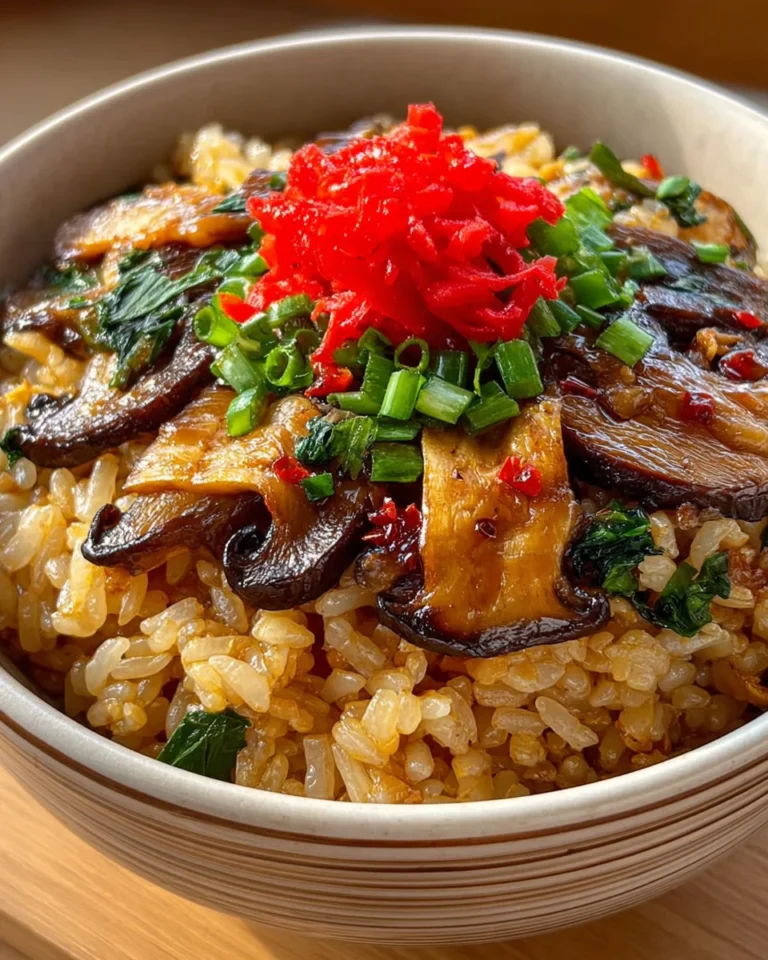
If you’re craving something warm, hearty, and full of umami flavor without spending hours in the kitchen or cleaning a sink full of dishes, you’re going to love this One-Pot Soy Sauce Mushroom Rice. This dish is not only simple to prepare but it’s also plant-based, customizable, and bursting with savory satisfaction from soy sauce, shiitake mushrooms, and aromatic seasonings. Using a rice cooker makes it incredibly convenient, though stovetop instructions are included for those who don’t have one. In this article, we’ll break down the ingredients, explain step-by-step instructions, and explore useful tips, substitutions, nutritional insights, and more to help you perfect this comforting meal.
Whether you’re vegan, vegetarian, or simply trying to eat more wholesome meals, this rice dish delivers all the depth of flavor you’d expect from traditional Asian comfort food. Let’s dig into the first part of our guide.
Understanding the Flavor Base of One-Pot Soy Sauce Mushroom Rice
What Makes This Dish Unique
One-Pot Soy Sauce Mushroom Rice is rooted in the simplicity of Asian-style home cooking where ingredients like soy sauce, ginger, garlic, and shiitake mushrooms work in harmony to create depth. It’s not just about convenience—though you’ll love that part too—but about creating a rich, satisfying meal with minimal effort and maximum flavor. The combination of short grain rice and umami-packed sauces ensures each bite is tender, flavorful, and comforting.
This dish is completely meat-free and can be made fully vegan by using plant-based oyster sauce. It’s also a one-bowl meal, meaning fewer dishes and a faster clean-up. The recipe’s harmony of savory and fresh elements also makes it versatile enough for any season.
Key Ingredients and Their Roles
Let’s look at each key ingredient and why it matters in building flavor and texture:
- Short Grain Rice: This type of rice gives a tender yet slightly sticky texture that holds flavor well. Soaking it before cooking is essential to ensure even softness.
- Shiitake Mushrooms: Known for their deep umami, shiitakes act as a natural flavor booster in vegetarian dishes.
- Bamboo Shoots: Add crunch and earthiness. Choose pre-cooked, thinly sliced bamboo for the best texture.
- Ginger, Garlic, and Shallots: These three aromatic ingredients are sautéed or steamed to form the flavor base. Ginger adds a touch of warmth, garlic gives depth, and shallots offer mild sweetness.
- Soy Sauce (Dark and Light): Dark soy sauce gives color, while regular soy sauce adds the core salty, umami taste.
- Oyster Sauce (Vegan or Regular): Adds thickness and another layer of savory flavor. Vegan oyster sauce made from mushrooms is a perfect substitute.
- Olive Oil: Used to bring the ingredients together and enhance the rice’s richness.
- Fresh Basil and Green Onion: These are added after cooking to lift the entire dish with a pop of freshness.
This combination of ingredients creates a beautifully balanced dish—soft, savory, lightly oily, and herbaceous.
Why Soaking Rice is Critical
Soaking short grain rice is not a suggestion—it’s essential. Unsoaked short grain rice tends to be firm in the center and may cook unevenly, especially in a one-pot setting. By soaking it in water for at least 30 minutes (or during the time you’re prepping other ingredients), the grains absorb some moisture, reducing overall cook time and ensuring a softer bite.
Once soaked, the rice should be washed thoroughly until the water runs clear. This may take 4 to 6 rinses. Washing helps remove excess surface starch that can otherwise lead to overly sticky, clumpy rice.
Choosing the Right Soy Sauce
Not all soy sauces are the same. For this recipe:
- Dark Soy Sauce is richer, thicker, and used primarily for coloring. Just a tablespoon adds a beautiful golden-brown hue.
- Regular Soy Sauce (light soy sauce in some markets) delivers the salty umami that seasons the entire dish.
Use low-sodium versions if you’re watching salt intake, but don’t skip the dark soy sauce unless you’re okay with a paler rice dish.
Customizing to Your Taste
This recipe is highly adaptable. Here are some ways you can make it your own:
| Ingredient | Possible Substitutes |
|---|---|
| Shiitake Mushrooms | Cremini, oyster, or button mushrooms |
| Bamboo Shoots | Julienned carrots or baby corn |
| Oyster Sauce | Hoisin sauce, mushroom sauce |
| Olive Oil | Avocado oil, sesame oil (in small amounts) |
Nutritional Powerhouse
This meal is surprisingly nutritious for something so simple. Shiitake mushrooms contain B vitamins, polysaccharides, and immune-supporting compounds. Bamboo shoots are rich in fiber and low in calories. With a good balance of carbs, plant protein, and healthy fats, this rice can serve as a standalone main or be paired with a salad or steamed vegetables.
One serving (around half the pot) delivers:
- Calories: 478 kcal
- Carbohydrates: 90g
- Protein: 10g
- Fat: 8g
- Fiber: 5g
That’s quite balanced for a meal with just a handful of ingredients.
Benefits of One-Pot Meals
Aside from the convenience, one-pot meals help retain nutrients. Since you’re not draining or boiling away liquid, everything stays in the pot. The rice absorbs the seasoned liquid fully, enhancing flavor while reducing mess.
Print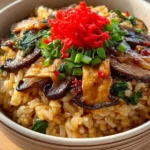
One-Pot Soy Sauce Mushroom Rice Recipe (Vegan-Friendly & Easy)
- Total Time: 1 hour
- Yield: 2 servings
- Diet: Vegan
Description
A simple and comforting Asian-inspired one-pot rice dish made with soy sauce, shiitake mushrooms, and fragrant aromatics. Perfectly cooked in a rice cooker or on the stovetop.
Ingredients
1 cup short grain rice (soaked in 2 cups water)
1 cup water
3 fresh shiitake mushrooms, sliced
½ cup cooked bamboo shoots, thinly sliced
1 tablespoon ginger, minced
2 garlic cloves, minced
1 shallot, minced
1 tablespoon dark soy sauce
½ tablespoon soy sauce
1 tablespoon vegan or regular oyster sauce
1 tablespoon olive oil
**For Garnish:**
1 green onion or chives, sliced
4–7 basil leaves, thinly sliced
Instructions
1. Soak short grain rice in 2 cups of water for at least 30 minutes.
2. While soaking, prep mushrooms, bamboo shoots, ginger, garlic, and shallot.
3. Rinse the soaked rice 4–6 times until the water is clear. Strain well.
4. Add rinsed rice to the rice cooker or pot with 1 cup of water.
5. Add mushrooms, bamboo shoots, ginger, garlic, shallot, both soy sauces, oyster sauce, and olive oil.
6. Gently mix all ingredients together.
7. If using rice cooker: cook as normal and let sit 5 minutes after it’s done.
8. If using stovetop: bring to a boil covered on medium-high heat for 5–7 minutes.
9. Reduce heat to low and cook covered for 10 more minutes.
10. Turn off heat and leave covered for 20 minutes. Do not open the lid.
11. Once done, stir in sliced green onions and basil. Serve warm.
Notes
Make it vegan by using plant-based oyster sauce.
Store leftovers in an airtight container in the fridge for up to 3 days.
Reheat with a splash of water to keep the rice soft.
Substitute mushrooms or bamboo based on preference.
Don’t skip soaking and rinsing the rice for best texture.
- Prep Time: 15 minutes
- Cook Time: 45 minutes
- Method: One Pot
- Cuisine: Asian Fusion
How to Make One-Pot Soy Sauce Mushroom Rice (Step-by-Step Guide)
Step 1: Prep and Soak the Rice
Start by measuring 1 cup of short grain rice into a bowl. Add 2 cups of water and let it soak for at least 30 minutes. This soaking step softens the grains and ensures that the center cooks evenly, giving you that classic fluffy texture with a slight chew. While the rice is soaking, you can start prepping the other ingredients to save time.
Once soaking is complete, rinse the rice thoroughly under cold running water. You’ll want to wash it 4 to 6 times until the water runs clear. This step removes extra surface starch, which helps the rice remain fluffy and separate rather than clumpy. After rinsing, strain it completely, removing all excess water. This helps you add an accurate amount of cooking liquid later without overhydrating the grains.
Step 2: Prepare the Flavor Base
Now it’s time to focus on the aromatics and vegetables. Here’s your prep checklist:
- 3 shiitake mushrooms, sliced
- ½ cup cooked bamboo shoots, thinly sliced
- 1 tablespoon ginger, minced
- 2 cloves garlic, minced
- 1 shallot, minced
Try to keep everything evenly chopped so the ingredients cook at the same pace and distribute flavor consistently.
Step 3: Assemble Ingredients in the Rice Cooker
Once your rice is washed and your veggies are prepped, it’s time to combine everything.
In your rice cooker’s inner pot, add:
- The strained short grain rice
- 1 cup of fresh water
- The sliced mushrooms and bamboo shoots
- The minced garlic, ginger, and shallots
- 1 tablespoon dark soy sauce (adds rich color)
- ½ tablespoon soy sauce (for the savory base)
- 1 tablespoon vegan or regular oyster sauce
- 1 tablespoon olive oil
Use a spoon or spatula to gently mix the ingredients inside the rice cooker. Be sure not to crush the rice grains while stirring. This mix should already look and smell aromatic before even turning the cooker on.
Once everything is well combined, close the rice cooker lid and press the “cook” button. Now relax and let the machine do the work. Depending on your rice cooker model, it may take 30 to 45 minutes to finish cooking.
Step 4: Prepare the Garnish
While the rice is cooking, you can prepare the garnish:
- 1 green onion or a few chives, thinly sliced
- 4 to 7 fresh basil leaves, chiffonade-style
These fresh toppings are stirred in after the rice is done. They brighten up the dish with a touch of herbal freshness, balancing the warm, savory base with a burst of color and aroma.
Step 5: Finish and Serve
When your rice cooker signals that it’s done, let it sit for about 5 minutes with the lid still closed. This step allows the steam to finish the cooking process and fluff the grains naturally.
Next, open the lid and sprinkle in your sliced green onion and basil. Use a spatula to gently fold the herbs into the rice, making sure everything is well distributed.
Serve immediately while hot. The rice should be soft, slightly sticky, richly flavored, and full of savory mushroom goodness with herbal highlights from the basil and onion.
Stovetop Cooking Method (Alternative)
Don’t have a rice cooker? No problem. Here’s how you can do it on the stove:
- Add the rinsed rice, all ingredients, and 1 cup of water to a medium-sized pot.
- Cover the pot and heat over medium-high for 5 to 7 minutes until the water starts boiling.
- Reduce heat to low, keeping the lid on, and let it cook for another 10 minutes.
- Turn off the heat, but do not lift the lid. Let it sit for 20 more minutes, covered.
- Open the pot, fluff with a spatula, and add the garnish before serving.
This stovetop method takes a bit more attention, but it delivers similar delicious results. Just be careful not to lift the lid during cooking or resting—steam is the key to evenly cooked rice.
Timing Breakdown
| Step | Time |
|---|---|
| Soaking rice | 30 min (can overlap with prep) |
| Ingredient prep | 10-15 min |
| Rice cooker cooking time | 30-45 min |
| Stovetop cook + rest time | 35-40 min |
| Garnishing + final mixing | 5 min |
| Total Time | ~1 hour |
This makes it an excellent option for a weeknight dinner or a make-ahead lunch that can be reheated with no loss of flavor.
Serving Suggestions and Pairing Ideas for One-Pot Soy Sauce Mushroom Rice
Making It a Complete Meal
While One-Pot Soy Sauce Mushroom Rice is satisfying on its own, you can elevate it into a well-rounded meal with a few thoughtful additions. Because the rice is already savory, umami-rich, and slightly oily, you’ll want to balance it with lighter, fresher, or crunchy sides that offer contrast in flavor and texture.
Here are some excellent pairing options:
- Steamed or sautéed greens: Think baby bok choy, spinach, or gai lan. A quick stir-fry with garlic and sesame oil works beautifully.
- Crispy tofu: Baked or air-fried tofu cubes seasoned with soy sauce and cornstarch offer protein and crunch.
- Fresh cucumber salad: A chilled cucumber salad with vinegar and sesame seeds can bring a refreshing touch to the richness of the rice.
- Miso soup: Light and brothy miso soup can help cleanse the palate between bites.
These sides maintain the plant-based theme and contribute a variety of textures and flavors to your plate.
Toppings That Add Texture
For more adventurous eaters, consider topping the rice with crunchy or creamy elements:
- Toasted sesame seeds: Sprinkle them right before serving for a nutty aroma and mild crunch.
- Crushed roasted peanuts: Add a savory crunch that pairs nicely with basil and green onions.
- A drizzle of sesame oil: Just a few drops after cooking will boost the fragrance.
While the recipe as written already includes basil and green onion, don’t be afraid to double up or try cilantro or Thai basil for variety.
Portion and Serving Ideas
This recipe yields enough for 2 large servings or 3 smaller side portions. Here’s how you can serve it:
| Style of Meal | Serving Size | Additional Sides |
|---|---|---|
| Main course | 1 full bowl | Tofu, sautéed greens |
| Light lunch | Half bowl | Miso soup, salad |
| Family-style table | Shared plate | Accompanied by multiple veggie dishes |
You can also shape the rice into small bowls or molds for a neater presentation, especially for guests or special occasions.
Ideal Time to Serve It
This rice dish is cozy and warm, making it ideal for:
- Weeknight dinners
- Rainy-day comfort meals
- Packed lunches (reheats well in a microwave)
- Weekend batch cooking
Because it stores well in the fridge, it’s a smart choice for meal prepping ahead of a busy week.
Storage and Reheating Tips
If you have leftovers, store them in an airtight container. The rice will stay fresh in the fridge for up to 3 days.
To reheat:
- Microwave: Add 1 to 2 teaspoons of water, cover, and heat for 1 to 2 minutes.
- Stovetop: Heat in a non-stick pan with a splash of water and a lid on low heat.
Avoid reheating more than once to preserve the texture and flavor.
Cold Rice Twist: Rice Bowl Remix
Want a fun way to use cold leftovers? Turn it into a rice bowl:
- Add chopped greens
- Top with fresh cucumber or avocado
- Add a drizzle of soy sauce and sesame seeds
You’ve got a no-fuss rice bowl that tastes just as good cold or at room temperature.
Why It Works for All Eaters
This dish is:
- Vegan-friendly if using plant-based oyster sauce
- Nut-free by default
- Dairy-free and free from common allergens like eggs or milk
- Customizable with gluten-free soy sauce options if needed
It’s perfect for households with diverse dietary needs. Simple, clean, and full of natural flavor, One-Pot Soy Sauce Mushroom Rice is a win for any table.
Customizations, Substitutions, and Creative Variations
Easy Ingredient Swaps for Different Diets
One of the best things about One-Pot Soy Sauce Mushroom Rice is how easily it can adapt to various dietary needs and pantry limitations. Here’s how you can make simple swaps without compromising on flavor:
| Original Ingredient | Substitute Option | Use When… |
|---|---|---|
| Short grain rice | Jasmine rice, sushi rice, or brown rice | You prefer different textures or whole grains |
| Shiitake mushrooms | Cremini, oyster, or enoki mushrooms | Shiitake is unavailable or expensive |
| Bamboo shoots | Julienned carrots, celery, or zucchini | You want something sweeter or crunchier |
| Soy sauce | Tamari or coconut aminos | You need gluten-free or soy-free |
| Oyster sauce | Vegan mushroom sauce or hoisin | You follow a plant-based or vegan diet |
| Olive oil | Avocado oil or sesame oil (small amount) | You prefer different fat sources |
These changes can help you tailor the dish for allergies, flavor preferences, or dietary goals.
Making It Gluten-Free or Low Sodium
To make the dish gluten-free:
- Choose tamari instead of regular soy sauce
- Use gluten-free oyster sauce or skip it altogether and add a dash of miso paste for richness
To reduce sodium:
- Opt for low-sodium soy sauce
- Reduce dark soy sauce and rely more on herbs for flavor
- Add a splash of lemon juice or rice vinegar for acidity and depth
Turn It Into a Protein-Packed Meal
Want to increase protein without animal products? Try these additions:
- Pan-fried tofu or tempeh cubes stirred in at the end
- Edamame beans added just before the cooking is finished
- Chopped seitan or soy curls, marinated in soy sauce
These options will soak up the sauce well and offer satisfying texture.
Kid-Friendly Adjustments
If you’re making this for kids or picky eaters:
- Reduce or omit ginger if it’s too spicy
- Use milder mushrooms like button mushrooms
- Skip basil and use only green onions for garnish
- Add sweet corn or peas for color and sweetness
Let them help stir or garnish their bowls, making the dish more interactive and enjoyable.
Boost the Nutrition Even More
While this recipe already offers balanced macros, you can power it up further with:
- Chia seeds or hemp seeds sprinkled on top for omega-3s
- Spinach or baby kale stirred in right after cooking while the rice is still hot
- Grated carrots or thinly sliced cabbage cooked in with the rice for fiber and color
These upgrades increase the nutrient density without complicating the cooking process.
Creative Flavor Twists
Want to remix this classic recipe into something a little different? Try these ideas:
- Spicy version: Add chili garlic paste, crushed red pepper, or chopped Thai chilis to the mix before cooking.
- Lemongrass version: Replace the basil with thinly sliced lemongrass for citrusy fragrance.
- Thai twist: Add a teaspoon of coconut milk or a touch of green curry paste for fusion flavor.
Each variation offers something unique while keeping the one-pot concept intact.
Batch Cooking and Doubling the Recipe
Feeding more than two? This recipe easily scales up:
- Use a larger rice cooker or switch to a pot on the stovetop
- Double all ingredients while keeping the rice-to-water ratio at 1:1 after soaking
Remember, with more rice comes longer cooking and resting time, so adjust accordingly.
What Not to Add
Although this dish is flexible, there are some ingredients best avoided due to clashing flavors or textural issues:
- Overly sweet sauces like teriyaki or plum sauce can overpower the umami balance
- Raw crunchy vegetables like bell peppers or radishes may not soften properly during cooking
- Ingredients like cheese, yogurt, or cream are not ideal for the flavor profile of this dish
Keeping things simple helps the earthy mushrooms, ginger, and soy sauce really shine.
Tools, Equipment, and Cooking Tips for Perfect Results
Essential Equipment for Success
To get the best results with your One-Pot Soy Sauce Mushroom Rice, using the right tools makes a big difference. Fortunately, the dish doesn’t require any special gear beyond basic kitchen essentials. Here’s what you need:
- Rice Cooker: Ideal for set-it-and-forget-it cooking. Most standard rice cookers with a “white rice” setting will work well for this recipe.
- Medium-Sized Pot with Lid: For the stovetop method. It should have a tight-fitting lid to trap steam and cook the rice evenly.
- Mixing Spoon or Spatula: A heatproof silicone or wooden spoon works best to mix ingredients without damaging the rice grains or scratching your pot.
- Fine-Mesh Strainer: Useful for washing and draining the rice thoroughly before cooking.
Having these tools ready ensures your rice cooks evenly and with the proper texture.
Stovetop vs. Rice Cooker: Which Is Better?
Each method has its benefits. Let’s compare:
| Method | Pros | Cons |
|---|---|---|
| Rice Cooker | Hands-off cooking, automatic shutoff, consistent results | Requires specific appliance |
| Stovetop | Great for larger batches, uses common cookware | Requires monitoring, risk of overcooking |
Use whichever method you’re more comfortable with. Just make sure to stick with a 1:1 rice-to-water ratio after soaking.
Common Mistakes to Avoid
Avoiding a few common pitfalls can make a big difference in your final dish:
- Skipping the soak: Don’t skip soaking the rice. Without it, the rice can be undercooked or uneven.
- Not rinsing the rice enough: If you don’t rinse thoroughly, the final texture may be too sticky or gummy.
- Adding too much water: After soaking, always measure 1 cup of water. Extra water can result in mushy rice.
- Overstirring after cooking: Stirring too hard can make the rice clump or break apart. Fold gently instead.
- Lifting the lid too early (stovetop): This releases steam and interrupts the cooking process. Always wait the full resting time before opening the lid.
How to Tell When It’s Cooked Perfectly
Perfect rice will be:
- Tender with slight stickiness from the short grains
- Evenly cooked, with no crunchy or overly soft spots
- Richly colored from the dark soy sauce
- Aromatic, thanks to ginger, garlic, and mushrooms
The mushrooms and bamboo should feel soft but not soggy. The oil and sauces should be fully absorbed into the grains, giving the rice a slightly glossy finish.
Tips for Rice Cooker Users
If you’re using a rice cooker, keep these tips in mind:
- Don’t overfill the pot. Leave room for ingredients to steam and expand.
- Pre-mix gently. Before turning on the cooker, stir everything once to distribute flavor evenly.
- Let it rest. When the cooking cycle ends, allow the rice to sit with the lid closed for 5 to 10 minutes to steam through.
Tips for Stovetop Cooks
On the stovetop, it’s all about timing:
- Use medium-high heat just until the water boils, then reduce to low heat.
- Set a timer for each phase: boiling, simmering, and resting.
- Do not peek. Trust the process and let the steam do its job.
If your pot tends to burn food easily, place a heat diffuser or extra towel underneath the pot during simmering to prevent hot spots.
Cleaning Up Made Easy
Cleanup is simple:
- Non-stick rice cookers and pots make rinsing off leftover grains quick and easy
- Soak the pot immediately after cooking if using a stovetop pot to prevent sticking
- Use warm, soapy water for all utensils and rinse thoroughly
Because this is a one-pot dish, there’s less mess to manage, which makes it ideal for busy weeknights.
Nutrition Facts, Serving Sizes, and Health-Friendly Adjustments
Complete Nutritional Breakdown (Per Serving)
This dish offers a wholesome combination of plant-based ingredients that deliver balanced macronutrients and essential vitamins. Each serving of One-Pot Soy Sauce Mushroom Rice (based on a 2-serving yield) contains:
- Calories: 478 kcal
- Carbohydrates: 90g
- Protein: 10g
- Fat: 8g
- Saturated Fat: 1g
- Polyunsaturated Fat: 1g
- Monounsaturated Fat: 5g
- Fiber: 5g
- Sugar: 5g
- Sodium: 1015mg
- Potassium: 300mg
- Vitamin A: 113 IU
- Vitamin C: 4mg
- Calcium: 34mg
- Iron: 5mg
It’s a satisfying, nutrient-dense option that supports both energy and digestion, thanks to its fiber and low saturated fat content. The shiitake mushrooms and bamboo shoots contribute antioxidants and minerals, while the garlic, ginger, and olive oil offer anti-inflammatory benefits.
Balancing Macronutrients
Although rich in carbohydrates (from the short grain rice), the dish balances well with:
- Healthy fats from olive oil
- Plant-based protein from mushrooms and bamboo
- Additional protein potential if tofu or legumes are added
- Fiber to aid digestion and reduce the glycemic impact
For more protein without compromising taste or texture, consider adding:
- Steamed edamame
- Chickpeas
- Tofu cubes
These can be folded in after cooking to avoid over-softening them.
Controlling Sodium Intake
At over 1000mg of sodium per serving, this dish is on the higher end for salt-sensitive individuals. However, there are easy adjustments you can make:
- Use low-sodium soy sauce and reduced-salt oyster sauce
- Reduce both soy sauces by half and increase herbs (like fresh basil or cilantro)
- Add a splash of rice vinegar or fresh lime juice for flavor balance without adding more sodium
These simple tweaks can bring the sodium level down significantly while preserving the dish’s umami character.
Low-Glycemic and Whole Grain Options
If you’re looking to lower the glycemic impact, swap the white short grain rice for:
- Brown short grain rice
- Black or red rice
- Quinoa (if adjusted for water and cooking time)
Note: Whole grain rice needs longer soaking and extra water to cook evenly, especially in a rice cooker. Adjust cook time accordingly.
| Grain Type | Soaking Time | Cooking Time | Texture Outcome |
|---|---|---|---|
| White short grain | 30 min | 30-45 min (rice cooker) | Soft, slightly sticky |
| Brown rice | 1 hour | 45-55 min | Chewy, hearty |
| Red/black rice | 1 hour | 50-60 min | Nutty, firm |
Who Can Benefit from This Dish
Because it’s plant-based and free of dairy, meat, and nuts (unless added), One-Pot Soy Sauce Mushroom Rice is:
- Vegan and vegetarian-friendly
- Dairy-free
- Nut-free
- Easy to make gluten-free
It’s a great choice for:
- Busy professionals who want fast and nutritious weeknight dinners
- Students on a budget
- Health-conscious families
- Anyone easing into plant-based eating
Energy and Meal Prep Benefits
At nearly 500 calories per serving, this dish offers sustained energy that’s perfect for lunch or dinner. If you meal prep, it holds up well for up to 3 days in the fridge without losing flavor.
Portioning is easy:
- Lunch boxes: 1 serving with added steamed greens
- Dinner plates: 1.5 servings with soup or salad
- Side dish: Smaller portion with protein and veggie mains
Keeping It Light and Satisfying
Even though this is a carb-forward meal, the smart combination of fiber, healthy fats, and herbs makes it filling without being heavy. You’ll feel satisfied, not sluggish, thanks to the clean flavors and natural ingredients.
Whether you’re feeding your family or cooking solo, this recipe gives you a flexible foundation that fits many diets and lifestyles.
Conclusion
One-Pot Soy Sauce Mushroom Rice is the kind of recipe that proves simple cooking can deliver exceptional results. With just a handful of everyday ingredients, one pot, and about an hour of your time, you can create a flavorful, satisfying meal that’s nutritious, plant-based, and easy to customize. Whether you’re using a rice cooker or stovetop, this dish fits effortlessly into busy lifestyles without compromising on taste.
From the umami depth of shiitake mushrooms and soy sauce to the brightness of fresh basil and green onion, every bite is layered with comforting, earthy, and savory goodness. It’s a perfect example of how wholesome food doesn’t have to be complicated—just thoughtfully prepared.
Whether you’re new to cooking or a seasoned home chef, this recipe is forgiving, versatile, and packed with options to tweak and tailor it to your preferences. Make it your go-to for meatless Mondays, quick dinners, or meal prep Sundays—you won’t regret adding this warm, one-pot wonder to your rotation.