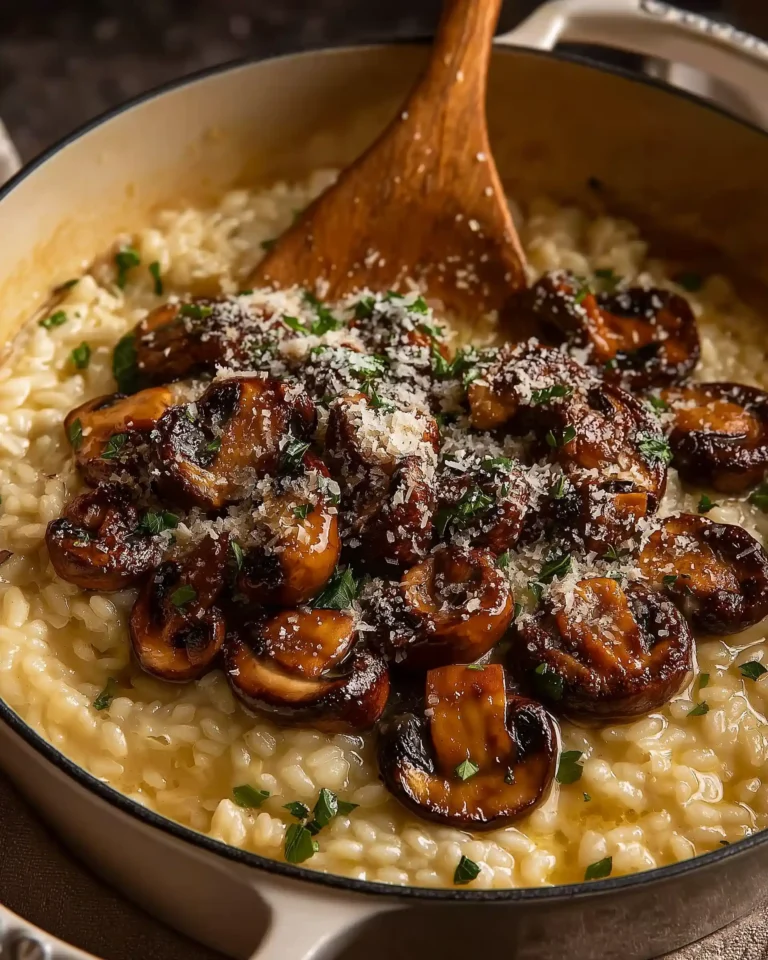
Rich, creamy, and packed with the earthy depth of mushrooms, a well-crafted mushroom risotto recipe is one of those timeless dishes that combines elegance with comfort. Whether you’re cooking a special meal for loved ones or craving a cozy dinner on a weeknight, mushroom risotto delivers a satisfying experience both in taste and texture.
In this article, we’re diving deep into everything you need to know to make the perfect mushroom risotto at home. From selecting the best mushrooms and mastering the risotto technique, to adding the perfect finishing touches, we’ve got you covered. You’ll learn how to make your risotto flavorful, velvety, and restaurant-worthy, even if you’re just using basic pantry ingredients.
Choosing and Preparing Mushrooms for Risotto
Picking the Right Mushrooms for Maximum Flavor
Mushrooms are the star of this recipe, so selecting the right types is key to a rich and complex flavor. You don’t need anything fancy—basic white or brown button mushrooms work beautifully. However, mixing textures by slicing some and quartering others gives a more dynamic bite to the dish.
If you want to go beyond the basics, cremini or Swiss brown mushrooms add an earthy depth. You can also incorporate shiitake, oyster, or portobello mushrooms for a more gourmet touch. Just make sure they’re fresh and not overly wet, as excess moisture can make them soggy instead of golden.
Avoid canned mushrooms or those that feel slimy or smell sour. Freshness makes a huge difference in flavor and texture.
Cooking Mushrooms to Bring Out Umami
Instead of tossing raw mushrooms directly into the rice, they are sautéed first, giving them a beautiful golden color and enhancing their savory flavor. This simple step transforms ordinary mushrooms into caramelized morsels bursting with umami.
Here’s how to do it right:
- Use a heavy-bottomed pot to ensure even heat distribution.
- Add oil and half the butter before tossing in half of the sliced mushrooms. Let them brown before flipping.
- Sprinkle salt, pepper, and minced garlic halfway through cooking for deeper flavor.
- Once golden, remove and repeat the process with the rest.
Cooking them in two batches helps avoid crowding the pot, which can cause them to steam instead of sauté. That crisp, golden finish is what brings the flavor to life.
The Key to Mushroom Texture in Risotto
Texture matters in risotto. The mix of sliced and quartered mushrooms creates contrast—some tender, others meaty. Cooking them separately also prevents them from becoming mushy or losing color in the final dish.
Once the risotto is almost done, half of the sautéed mushrooms are stirred into the rice for a mellow mushroom infusion. The rest are saved to top each bowl just before serving, adding a final burst of flavor and a beautiful presentation.
A drizzle of buttery mushroom juice from the sauté pan over the finished risotto ties it all together.
Print
Mushroom Risotto Recipe
- Total Time: 50 minutes
- Yield: 4 – 5 people
Description
This creamy mushroom risotto recipe is a cozy, satisfying, and restaurant-worthy dish made right at home. With sautéed golden mushrooms, rich parmesan, and a touch of cream, it’s perfect for a comforting meal.
Ingredients
500g (1 lb) mushrooms, sliced 3mm thick
250g (1/2 lb) mushrooms, quartered
3 tbsp butter
2 tbsp olive oil
2 garlic cloves, minced
1/2 tsp salt and pepper, each
Risotto:
1 tbsp butter
1 garlic clove, minced
2 eschallots (or 1/2 onion), finely chopped
1/4 cup dry white wine (or substitute with broth)
1 1/4 cups arborio rice, uncooked
5 cups low-sodium chicken broth, warm
Finishes:
1/2 cup cream (optional but recommended)
2 tbsp butter (optional)
1/2 cup finely grated parmesan cheese
1/2 tsp salt and pepper, each
Serving:
Fresh parsley or chives, finely chopped
Extra parmesan, for topping
Instructions
1. Add 1 tbsp oil and half the butter in a heavy pot over high heat. Add half the sliced mushrooms and sauté until golden (~4 min).
2. Add half the garlic, 1/4 tsp each salt and pepper. Cook another 1.5 min. Remove to bowl.
3. Repeat with remaining mushrooms, then remove.
4. Reduce heat to medium. Add 1 tbsp butter, garlic, and chopped onions. Cook until translucent (~2 min).
5. Pour in wine (or broth) and simmer rapidly for 2 min, scraping bottom.
6. Add arborio rice, stir for 1 min until semi-translucent.
7. Add 1.5 cups warm broth. Stir occasionally until mostly absorbed (~3 min).
8. Repeat with remaining broth in 1.5-cup batches. Cook until rice is creamy but tender (~10 min).
9. Add cream and remaining butter. Stir vigorously to emulsify.
10. Mix in parmesan, salt, and pepper.
11. Fold in half the sautéed mushrooms.
12. Taste and adjust salt and pepper. Add hot water if too thick.
13. Spoon into bowls. Top with reserved mushrooms and drizzle leftover juices.
14. Garnish with chopped herbs and extra parmesan. Serve immediately.
Notes
Use a mix of sliced and quartered mushrooms for texture.
Sauté mushrooms separately to avoid sogginess and enhance flavor.
Substitute wine with broth for a no-alcohol version.
Add hot water if risotto thickens too much during serving.
Best served fresh but reheats well with a splash of milk.
Avoid freezing.
Nutrition includes cream but not the optional butter.
- Prep Time: 15 minutes
- Cook Time: 35 minutes
- Category: Mushroom Recipes
- Method: Stovetop
- Cuisine: Italian, American-Italian
Mastering the Creamy Risotto Base
Understanding Arborio Rice and Why It Matters
At the heart of every risotto recipe is the rice, and not just any rice will do. Arborio rice is the gold standard for risotto thanks to its high starch content. As it slowly cooks and absorbs liquid, it releases starch that thickens the broth naturally, giving risotto its signature creamy texture without needing extra flour or thickeners.
Other short-grain options like carnaroli or vialone nano also work well, but arborio is the most accessible and widely used, especially in American kitchens. Avoid long-grain or basmati rice—they won’t give you that signature texture.
Arborio should be uncooked and added straight to the pot so it can absorb all the flavors from the aromatics and broth during the cooking process.
Toasting the Rice to Build the Base
The base of the risotto starts with flavor layering. First, melt butter and sauté finely chopped eschallots (or half an onion) with garlic until translucent. This builds a savory base that complements the earthiness of the mushrooms.
Next, stir in the arborio rice and let it toast gently for about a minute. This step adds a slight nutty flavor and helps the grains keep their structure during the slow cooking process. It also prepares the surface of the rice to absorb liquid more evenly, reducing the chances of a mushy final product.
It’s a small step with a big impact, so don’t skip it.
Using Broth and Timing for Consistent Results
While many traditional risotto recipes call for adding warm broth ladle by ladle, modern methods show that gradual addition isn’t strictly necessary. However, for the best home results, adding stock in portions keeps things manageable and gives you better control over the texture.
Here’s how to do it right:
- Pour in about 1.5 cups of warm chicken broth. Stir briefly and let it cook for a few minutes until mostly absorbed.
- Repeat this process two to three more times. You’re not stirring constantly, just occasionally to ensure even cooking.
- The entire process takes around 18 minutes.
As the rice absorbs the stock, it softens and thickens. The goal is a loose, creamy consistency—not dry or clumpy.
Use low-sodium chicken broth to keep the seasoning balanced. If the rice is still too firm when all the broth is absorbed, add a splash of hot water and stir until it reaches the desired texture.
What About the Wine? A Note on Flavor Enhancers
A small amount of dry white wine is added before the broth. This step deglazes the pot and adds subtle acidity that balances the richness of the mushrooms and butter. If you’re avoiding alcohol, simply replace the wine with an equal amount of chicken stock.
Either way, make sure it reduces fully before adding rice. You want the flavor, not the liquid.
The Secret to Finishing a Perfect Mushroom Risotto
Adding Creaminess Without Overwhelming the Dish
Once your arborio rice is tender and has absorbed the broth to a creamy, loose texture, it’s time to enhance richness. This is where butter and cream come in—not as thickeners, but as flavor and texture boosters.
Add 2 tablespoons of butter and half a cup of cream off the heat. Stir vigorously. This motion helps emulsify the fat into the rice, producing a silky texture that coats the grains beautifully.
The cream is optional, but highly recommended if you want that luxurious, restaurant-style risotto. If you skip the cream, be sure to at least include the butter for a smooth finish.
Parmesan: More Than Just a Topping
Parmesan cheese isn’t just for garnishing—it’s an essential ingredient for depth and umami. Add half a cup of finely grated parmesan directly into the pot during the final stir.
Not only does it melt into the risotto, but it also balances the creamy components with a salty bite. Use real Parmigiano-Reggiano if possible. It melts better and has a more complex flavor than pre-grated options.
Avoid overloading the dish with cheese. A moderate amount keeps it elegant and doesn’t overpower the mushrooms.
Taste, Adjust, and Balance
Now is the time to taste your risotto. Does it need a bit more salt? A touch more pepper? Seasoning at the end ensures you don’t accidentally over-salt early on, especially since parmesan adds salt too.
Don’t forget texture. The ideal consistency is creamy and fluid—not stiff. If it feels too thick, add a splash of hot water or broth and stir again.
This step may seem minor, but it’s where good risotto becomes great. Season with intention and consistency.
Incorporating the Sautéed Mushrooms
Once you’ve stirred in your finishing ingredients, fold in half of the cooked mushrooms. These integrate their rich, garlicky flavor into the rice, making each spoonful taste deeply savory.
Reserve the other half for topping the risotto just before serving. This adds visual appeal and gives each serving extra mushroom flavor right on top.
Don’t forget to pour in any buttery mushroom juices left in the bowl. That liquid is packed with flavor and elevates the final dish.
Serving, Garnishing, and Plating Mushroom Risotto
Timing is Everything: Serve Immediately
Mushroom risotto is best enjoyed fresh off the stove while it’s still hot, creamy, and oozing. Unlike pasta, risotto continues to absorb liquid after cooking, so letting it sit too long can turn a perfect texture into something dry or sticky.
Serve your risotto as soon as the final stir is complete. Prepare your serving bowls or plates in advance so there’s no delay when it’s ready. If you must wait a minute or two, keep the risotto covered on low heat and add a splash of hot water to maintain the consistency.
This dish isn’t a make-ahead kind of recipe—it shines brightest when eaten immediately.
Toppings That Add the Final Touch
The final flourish begins with the mushrooms you set aside earlier. Spoon the creamy risotto into shallow bowls, and top each serving with a generous spoonful of those golden sautéed mushrooms.
Be sure to include the juices at the bottom of the bowl from the mushrooms. This isn’t just extra butter—it’s concentrated mushroom flavor that enhances every bite.
For added color and freshness, sprinkle chopped parsley or chives over the top. These herbs bring brightness to the dish and offer a subtle contrast to the richness of the risotto.
Finally, grate fresh parmesan over each plate for an aromatic finish that melts slightly from the heat of the rice.
Presentation Tips for Home Cooks
A beautifully plated risotto doesn’t need to be complicated. Here are a few tips:
- Use wide, shallow bowls for an elegant look and better heat retention.
- Spoon the risotto in the center and allow it to naturally spread.
- Add toppings in a loose cluster rather than spreading them evenly.
- Garnish last, and lightly drizzle with any remaining pan juices.
These little tricks make your homemade risotto feel like something served at a fine restaurant.
How to Store and Reheat Mushroom Risotto Without Losing Quality
Proper Storage: Keep It Fresh
If you find yourself with leftover mushroom risotto, don’t worry—it stores well with the right approach. Allow the risotto to cool to room temperature, but don’t leave it sitting out longer than one hour. Transfer it into an airtight container and place it in the refrigerator.
Stored properly, it will last up to 4 days. For best results, use shallow containers to cool it quickly and evenly. Avoid freezing risotto, as the rice becomes mushy and the creamy texture is hard to restore.
Keep the reserved mushroom toppings in a separate container if possible. This helps preserve their texture when reheating.
Reheating: Restore That Creamy Texture
When reheating risotto, the goal is to bring back its creamy, slightly loose consistency—not end up with a dense, dry clump of rice.
Here’s how to do it:
Microwave Method:
- Add a splash of milk or hot water to the risotto in a microwave-safe bowl.
- Cover loosely with a microwave lid or damp paper towel.
- Heat on medium power in 1-minute intervals, stirring between each round, until hot and creamy.
Stovetop Method:
- Place risotto in a small saucepan or skillet over medium heat.
- Stir in a few tablespoons of milk, water, or broth to loosen the mixture.
- Stir frequently until heated through and the texture returns to its creamy best.
Whichever method you use, avoid overheating—it can dry the risotto out or cause the cheese to become rubbery.
Freshen It Up with Simple Add-Ons
Once reheated, give your risotto a quick flavor lift by stirring in a touch of butter or a sprinkle of grated parmesan. For added freshness, top with some of the reserved mushrooms or a few chopped herbs.
These little upgrades make reheated risotto feel nearly as good as when it was first served.
Conclusion: A Bowl of Comfort, Elegance, and Earthy Flavor
Mushroom risotto isn’t just a meal—it’s an experience. From the golden sautéed mushrooms to the creamy arborio rice layered with garlic, parmesan, and a touch of cream, each bite delivers warmth, richness, and pure comfort.
Whether you’re preparing it for a family dinner, a special occasion, or simply indulging in a cozy night at home, this mushroom risotto recipe checks every box. It’s flavorful, easy to customize, and deeply satisfying without needing complicated techniques or hard-to-find ingredients.
Remember, it’s all about the simple things done well: quality mushrooms, slow-cooked rice, and the right finish. Follow the steps, trust your senses, and don’t rush the process. Serve it fresh, top it beautifully, and enjoy the creamy, savory reward of your effort.