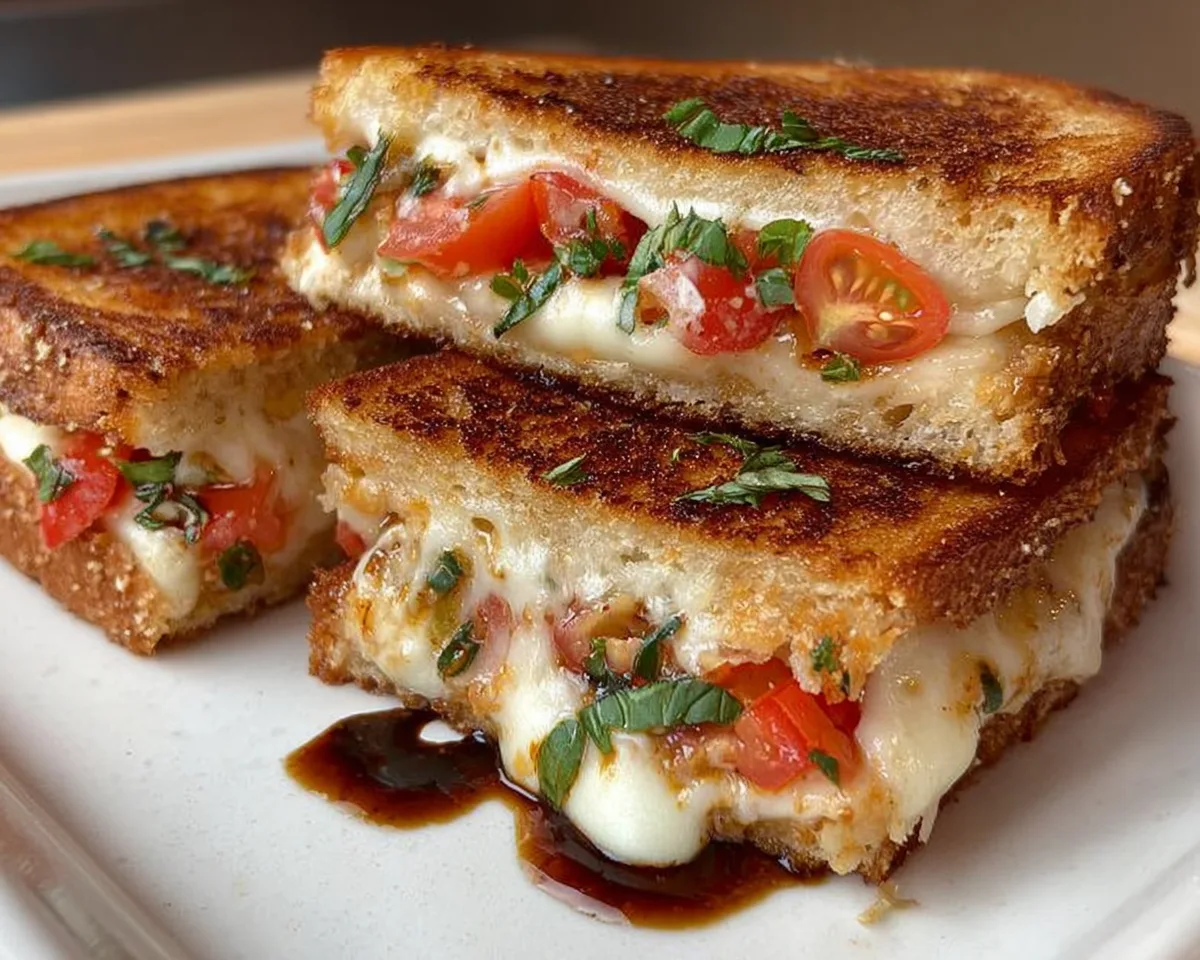
There’s something timeless and comforting about a grilled cheese sandwich. Golden, buttery bread with warm, gooey cheese in the center — it’s a simple pleasure that satisfies all ages. But there’s a big difference between an average grilled cheese and a truly great one. In this article, we’ll walk you through how to make the ultimate grilled cheese sandwich recipe at home, using a perfect trio of cheeses: cheddar, gouda, and Havarti.
Whether you’re a busy parent looking for a quick family lunch, a college student seeking comfort food, or a food lover on the hunt for the perfect melt, this guide breaks down everything you need. From choosing the best bread and cheese to mastering the pan-toasting method, we’ve got every detail covered.
The Foundations of a Great Grilled Cheese Sandwich
Choosing the Right Bread for Texture and Flavor
The bread is just as crucial as the cheese in a grilled cheese sandwich recipe. It acts as the structure, the crust, and the canvas for the melt-in-your-mouth interior.
Best Bread Choices:
- Texas Toast: Thick and fluffy, ideal for a hearty bite.
- Sourdough: Slightly tangy and crusty, great for balancing rich cheeses.
- Thick-Sliced Sandwich Bread: A classic choice, easy to brown evenly.
Your goal is a bread that crisps well on the outside but stays soft enough inside to absorb the butter flavor and help the cheese melt uniformly. Avoid thinly sliced bread, as it can burn before the cheese melts.
The Role of Butter: Flavor and Crust Perfection
Butter is the unsung hero of this grilled cheese sandwich recipe. It transforms the bread into a golden, crisp masterpiece while adding a savory richness that pairs with any cheese you choose.
Tips for Perfect Buttering:
- Use unsalted butter for better control over saltiness.
- Spread 1/2 tablespoon per slice evenly to prevent soggy spots.
- Make sure the butter is softened for easy spreading and even coverage.
Applying the butter to the outer sides of the bread ensures maximum browning when grilled. The slow toasting allows the butter to infuse flavor deep into the bread layers, creating that satisfying crunch with every bite.
The Best Cheese Combinations and Melting Tips
Why Cheese Variety Matters in a Grilled Cheese Sandwich Recipe
Using multiple cheeses isn’t just fancy—it’s the secret to layering flavor and creating the ultimate melt. For this grilled cheese sandwich recipe, we use a trio of medium cheddar, Gouda, and Havarti, and each one serves a unique purpose:
- Medium Cheddar: Adds sharpness and classic cheesy flavor.
- Gouda: Offers a rich, buttery taste with excellent melting properties.
- Havarti: Creamy, slightly tangy, and super smooth when melted.
Combining them creates a cheese pull that’s visually satisfying and full of rich, layered flavors. You can swap in other options like Monterey Jack or Mozzarella if needed, but this three-cheese combo delivers the best results.
Cheese Layering Technique: How to Stack for the Perfect Melt
The way you stack the cheese affects how it melts. In this recipe, we suggest layering in this specific order:
- Start with a slice of cheddar on the bottom
- Follow with Havarti in the center
- Finish with Gouda on top
This allows the softer Havarti to melt faster in the middle, helping to glue the other cheeses together while Gouda and Cheddar slowly release their flavors. When grilled, the cheeses blend seamlessly into a creamy center.
Melting Tip:
Cook over medium-low heat. This gives the cheese time to melt without burning the bread. Resist the urge to crank up the heat—you want that slow, golden toast on the outside with fully melted cheese inside.
Cheese Alternatives That Still Deliver
If you don’t have the trio listed, try some of these great substitutes while keeping the same concept of balancing sharp, creamy, and melty textures:
| Cheese Type | Flavor Profile | Melting Ability |
|---|---|---|
| Monterey Jack | Mild, creamy | Excellent |
| Pepper Jack | Spicy, creamy | Excellent |
| Gruyère | Nutty, smooth | Good |
| Swiss | Mild, sweet | Moderate |
| Fontina | Buttery, stretchy | Excellent |
| Sharp Cheddar | Bold, tangy | Very Good |
| Mozzarella | Mild, stretchy | Excellent |
Pick two or three from different categories to customize your grilled cheese sandwich while keeping the melt and flavor in balance.
The Cooking Technique and Pan Selection for the Perfect Golden Brown Finish
Why Pan Choice Matters in a Grilled Cheese Sandwich Recipe
Not all pans are created equal, especially when you’re after that crisp, evenly browned exterior without burning your bread. For a grilled cheese sandwich recipe to turn out right every time, choosing the right pan is key.
Best Options for Pan Grilling:
- Cast Iron Skillet: Retains heat evenly, perfect for slow, consistent browning.
- Heavy Non-Stick Pan: Easier to manage, especially if you’re new to stovetop cooking.
- Flat-Top Griddle (set at 275˚F): Great for cooking multiple sandwiches at once with precise temperature control.
Avoid thin pans that heat unevenly and burn your bread before your cheese has a chance to melt. A thick-bottomed skillet is your best friend for grilled cheese mastery.
Setting the Right Heat for a Golden Crunch
This is where many grilled cheese attempts go wrong. Too much heat, and your bread is burnt before the cheese gets melty. Too little, and you’re left with a pale sandwich that lacks flavor and texture.
Stick to Medium-Low Heat:
- Allows the butter to caramelize the bread slowly
- Ensures the cheese has time to melt fully
- Prevents dry or overly crunchy results
Let the skillet heat up for a minute before adding the bread. It should be warm enough that the butter sizzles gently, not smokes.
Print
Grilled Cheese Sandwich Recipe
- Total Time: 30 minutes
- Yield: 4 sandwiches
- Diet: Vegetarian
Description
This grilled cheese sandwich recipe uses buttery toasted bread and a flavorful combination of cheddar, Gouda, and Havarti for the ultimate melty bite.
Ingredients
8 slices Texas toast, thick sliced sandwich bread, or sourdough bread
4 Tbsp unsalted butter
4 slices medium cheddar cheese
4 slices Gouda cheese
4 slices Havarti cheese
Instructions
1. Spread 1/2 Tbsp of butter on one side of each slice of bread.
2. Heat a cast iron skillet or non-stick pan over medium-low heat (or set griddle to 275˚F).
3. Place 2 slices of bread in the skillet, butter side down.
4. Layer cheddar, then Havarti, then Gouda cheese on one slice of bread.
5. Top with the second slice, crisp side out.
6. Cook until golden brown on one side, about 2–3 minutes.
7. Flip gently, pressing lightly to adhere bread to cheese.
8. Cook another 2–3 minutes until cheese is melted and bread is crisp.
9. Remove, let sit for 30 seconds, and slice diagonally to serve.
10. Repeat for remaining sandwiches.
Notes
You can use a single cheese type or switch it up with Monterey Jack, pepper jack, Gruyère, fontina, Swiss, mozzarella, sharp cheddar, or American cheese.
Keep heat on medium-low to avoid burning and ensure the cheese melts fully.
- Prep Time: 2 minutes
- Cook Time: 28 minutes
- Category: Bread
- Method: Pan-Fried
- Cuisine: American
Step-by-Step Cooking Method for Consistent Results
- Butter one side of each bread slice generously with about 1/2 tablespoon of softened unsalted butter.
- Place two slices buttered-side-down in the heated skillet.
- Layer the cheeses: first cheddar, then Havarti, then Gouda.
- Cover with the second slice, buttered side up.
- Cook slowly for 2–3 minutes per side, pressing gently with a spatula to help the bread crisp and stick to the melted cheese.
- Flip once only, when the bottom is deep golden brown. Continue cooking the other side until equally browned and cheese is visibly melted.
By following these steps, each sandwich will be evenly golden on the outside, with cheese that stretches perfectly on the inside.
Finishing Touches: Cutting and Serving
Once the sandwich is done, place it on a plate and let it rest for about 30 seconds. This short pause lets the cheese settle slightly, so it doesn’t spill out when cut.
Cut diagonally for that classic triangle presentation — it’s not just about looks, it actually makes the sandwich easier to hold and dip if needed. Serve warm for the best experience.
Perfect Pairings and Serving Ideas for Grilled Cheese Sandwiches
What to Serve with a Grilled Cheese Sandwich Recipe
While a grilled cheese sandwich is satisfying on its own, pairing it with the right sides can elevate the entire meal. Think of textures and flavors that balance the sandwich’s richness and warmth.
Best Classic Pairings:
- Tomato Soup: Creamy, tangy, and perfect for dipping.
- Fresh Salad: Adds a light, crisp counterpoint. Try mixed greens with a simple vinaigrette.
- Roasted Veggies: Brings in earthy, caramelized tones that complement the buttery bread.
- Fruit Salad: Bright, juicy fruits like apples or grapes help refresh the palate.
Each of these adds contrast to the sandwich’s gooey, crunchy richness, making the meal feel well-rounded and complete.
Kid-Friendly Serving Ideas
Grilled cheese sandwiches are a staple for kids, but you can make them even more fun and appealing with a few small tweaks:
- Cut into Fun Shapes: Use cookie cutters for stars or hearts.
- Mini Sandwich Sliders: Make bite-sized versions using small rounds of bread.
- Serve with Dipping Sauces: Mild ketchup, ranch, or even plain yogurt can be playful.
These playful twists help keep picky eaters engaged, while still delivering all the cheesy goodness.
Creative Presentation Tips
Presentation isn’t just for fancy meals—it enhances the eating experience, even at home. Try these easy upgrades:
- Stack halves slightly off-center for a gourmet look.
- Add a sprinkle of herbs like parsley or chives on the plate.
- Serve on a wooden board with small sides arranged around.
Even if you’re making it on a weeknight, these little touches can turn a basic grilled cheese sandwich into a comforting, impressive plate.
Turn It into a Meal
Want to make your grilled cheese sandwich the star of a full dinner or lunch? Try this simple menu pairing:
| Course | Dish Suggestion |
|---|---|
| Starter | Small green salad with vinaigrette |
| Main | Grilled Cheese Sandwich (featured) |
| Side | Roasted sweet potato wedges |
| Dessert | Baked apple slices with cinnamon |
This meal keeps the warmth and comfort of the sandwich while balancing it with fresh, sweet, and savory notes.
Common Mistakes to Avoid When Making a Grilled Cheese Sandwich
Overheating the Pan
One of the most frequent mistakes in any grilled cheese sandwich recipe is using heat that’s too high. You might be tempted to speed things up, but rushing the cooking process leads to uneven results.
What Happens:
- The bread burns on the outside
- The cheese remains cold or barely melted inside
Solution:
Stick with medium-low heat. Let the sandwich toast slowly so the cheese has time to melt without the bread scorching. Patience is what separates a decent sandwich from a perfect one.
Using the Wrong Bread Thickness
Too thin, and your sandwich will tear or toast unevenly. Too thick, and it won’t crisp properly or may overpower the cheese.
Avoid These Bread Mistakes:
- Pre-sliced sandwich bread that’s too soft or thin
- Overly crusty artisan loaves that resist even toasting
Choose right:
Bread like Texas toast, thick-sliced sourdough, or hearty sandwich loaves offer the best results in both structure and crisping ability.
Skimping on the Butter
Butter isn’t just for flavor, it’s the key to achieving that signature golden crust. Using too little will result in dry, pale bread with uneven browning.
Avoid These Butter Mistakes:
- Using cold, hard butter that clumps
- Forgetting to butter the outer sides completely
- Cooking in a dry skillet expecting browning
Best Practice:
Use softened unsalted butter, and make sure it’s spread edge to edge on the outside of each slice.
Not Pressing the Sandwich While Cooking
If you want your sandwich to stick together with that beautiful crispy crunch, you need to apply gentle pressure. This helps fuse the bread and melted cheese into a single, cohesive bite.
Don’t:
- Just drop the sandwich and let it sit
- Over-press and flatten it completely
Do:
- Press lightly with a spatula or turner
- Apply a lid or smaller pan to weigh it down gently if needed
Flipping Too Frequently
Turning the sandwich over and over again leads to broken structure and patchy browning.
Better Approach:
Let one side cook fully, flip only once, then finish the second side until golden and crisp. One good flip is all it takes if your pan heat is steady and the sandwich is built correctly.
Storage, Reheating, and Make-Ahead Tips for Grilled Cheese Sandwiches
Can You Make a Grilled Cheese Sandwich Ahead of Time?
Grilled cheese sandwiches are best when freshly made, but with a few adjustments, you can absolutely prepare parts in advance or store leftovers without losing quality.
Make-Ahead Option:
- Assemble and refrigerate: Build your sandwich with buttered bread and cheese, then store in an airtight container in the fridge for up to 24 hours before cooking.
- Freeze for later: Wrap uncooked sandwiches tightly in foil or plastic wrap and freeze. When ready, cook straight from frozen over medium-low heat for a few extra minutes.
This is great for busy families or anyone wanting a quick hot meal without the prep work every time.
How to Store Leftover Grilled Cheese
If you’ve got extra cooked sandwiches, proper storage helps maintain as much flavor and texture as possible.
Refrigeration Tips:
- Let the sandwich cool to room temperature
- Store in an airtight container or wrap in foil
- Keep refrigerated for up to 2 days
Avoid sealing the sandwich while it’s still warm, or you’ll trap steam and end up with soggy bread.
Best Ways to Reheat a Grilled Cheese Sandwich
Microwaving is quick but often leaves the bread soft or rubbery. For the best texture, reheat using one of the methods below:
| Method | How to Reheat | Result |
|---|---|---|
| Skillet | Heat over low heat, flip occasionally | Crisp, fresh texture |
| Toaster Oven | Bake at 350°F for 5–7 minutes | Even, golden crust |
| Air Fryer | Heat at 350°F for 4–5 minutes | Super crispy, fast |
These methods bring the sandwich back to life with that signature crispy exterior and gooey center. Avoid reheating in the microwave unless you’re in a pinch, and always skip high heat to prevent the bread from drying out.
Can You Keep It Warm for a Crowd?
Yes, if you’re serving grilled cheese to a group or keeping a batch warm, try this simple method:
- Place finished sandwiches on a baking sheet in the oven at 200°F
- Keep uncovered to avoid sogginess
- Serve within 20–30 minutes for best quality
Perfect for parties, family gatherings, or when you need multiple sandwiches ready at once.
Conclusion
A truly great grilled cheese sandwich recipe is all about balance. From selecting the right bread and a blend of flavorful, meltable cheeses, to mastering slow, steady pan toasting—every detail matters. Whether you stick with the trio of cheddar, Gouda, and Havarti or mix in your own favorites, the key is to toast patiently, butter generously, and cook with intention.
By avoiding common mistakes like high heat, insufficient butter, or thin bread, you set yourself up for grilled cheese perfection every single time. And with tips for storage, reheating, and creative serving ideas, this comfort food classic can become a go-to meal any day of the week.
This grilled cheese sandwich isn’t just a snack—it’s a warm, golden, melty experience made for sharing, savoring, and mastering. Keep it simple or make it gourmet, because when done right, grilled cheese is more than just a sandwich—it’s a satisfying tradition worth perfecting.