If you’ve ever wanted to make bakery-quality focaccia right in your own kitchen, this overnight focaccia recipe is your golden ticket. It’s simple, flexible, and doesn’t require any fancy equipment or intensive kneading. With just a few basic ingredients and a bit of patience, you can whip up a rustic, airy, golden crusted bread that’s perfect on its own, served with dips, or sliced for sandwiches.
In this article, we’ll walk through every step of the process, including why the overnight rise works so well, tips for foolproof dough handling, baking techniques for a crispy bottom and fluffy interior, and how to properly store and reheat your focaccia. Whether you’re baking for a family dinner, meal prep, or just to try something new, this detailed guide has everything you need.
Mastering the Dough for Your Overnight Focaccia Recipe
Why Overnight Fermentation Matters
One of the main reasons this recipe delivers such outstanding results is the overnight rise in the refrigerator. Letting the dough ferment slowly not only develops rich flavor, but it also allows the gluten structure to form gently over time without kneading. The cold environment retards the yeast activity just enough to let flavor deepen, giving the bread a subtle tang and airy texture.
This long fermentation process also breaks down the starches in the flour more effectively, making the bread easier to digest. Plus, it makes the dough far easier to handle the next day — you’ll find it stretchy, smooth, and resilient, ideal for dimpling and baking.
Essential Ingredients and Their Role in the Dough
Let’s take a closer look at what goes into the dough and why each ingredient is key:
- All-purpose or bread flour: Both options work beautifully. Bread flour yields a slightly chewier result due to its higher protein content, which is ideal if you’re in a humid area or want a firmer crumb.
- Instant yeast: This yeast doesn’t require proofing and activates reliably in cooler temperatures, making it perfect for long fermentation. If you use active dry yeast, be sure to activate it in warm water before mixing.
- Kosher salt: Adds depth and rounds out the flavor profile. It also helps regulate the yeast activity.
- Lukewarm water: The specific method of mixing boiling water with cold ensures the water is the perfect temperature, not too hot to kill the yeast and not too cool to delay activation.
- Olive oil: Used throughout the recipe for flavor and texture, olive oil helps create a golden, crispy crust and adds richness to the crumb.
- Optional rosemary and flaky sea salt: These final touches elevate the bread with herby fragrance and delicate crunch.
Mixing and Storing the Dough
After mixing the flour, salt, yeast, and lukewarm water, the dough should be stirred just until all the flour is absorbed. It will look shaggy and sticky, and that’s exactly what you want. There’s no need to knead it.
The trick here is to coat the surface of the dough with a bit of olive oil before covering it for the cold rise. This prevents a crust from forming and keeps the dough hydrated. If you’re using a cloth or towel instead of plastic wrap, it’s even more important to ensure the top of the dough is slick with oil. A light rubber band around the bowl can help secure the towel to keep the air out.
Now, just slide the bowl into your fridge and forget about it for at least 12 hours. The dough can rest for up to 72 hours, making it a wonderfully flexible option if your schedule changes.
Print
Overnight Focaccia Recipe
- Total Time: 18 hours 30 minutes
- Yield: 2 loaves
- Diet: Vegetarian
Description
This overnight focaccia recipe yields fluffy, golden bread with a crispy crust, developed flavor, and no kneading required.
Ingredients
4 cups (512 g) all-purpose flour or bread flour
2 teaspoons (10 g) kosher salt
2 teaspoons (8 g) instant yeast
2 cups (455 g) lukewarm water
Butter for greasing
4 tablespoons olive oil, divided
Flaky sea salt, such as Maldon
1 to 2 teaspoons whole rosemary leaves (optional)
Instructions
1. In a large bowl, whisk together flour, salt, and yeast. Add water and stir until sticky dough forms.
2. Rub surface with olive oil, cover the bowl, and refrigerate for at least 12 hours or up to 3 days.
3. Line pans with parchment or grease with butter or spray. Add olive oil to the center of each pan.
4. Use forks to deflate dough, divide if needed, and transfer to pans. Roll dough in oil to coat.
5. Let rest uncovered at room temperature for 3–4 hours.
6. Preheat oven to 425°F. Sprinkle rosemary and more oil on top, then dimple with your fingers.
7. Sprinkle with flaky salt and bake for 25–30 minutes until golden and crisp on the bottom.
8. Transfer to a wire rack and cool for 10 minutes before slicing.
9. Store at room temp for 3 days or freeze for 3 months. Reheat at 350ºF for 15 minutes.
Notes
For quicker prep, allow dough to rise at room temperature until doubled, about 1.5–2 hours, and reduce second rise to 30 minutes.
Use bread flour if you’re in a humid area or prefer chewier texture.
Don’t skip the oil — it prevents the dough from drying during the overnight rise.
A digital scale ensures better measurement accuracy.
- Prep Time: 15 minutes
- Cook Time: 30 minutes
- Category: Bread
- Method: Baking
- Cuisine: Italian
Preparing the Pan and Handling the Dough After Refrigeration
Choosing the Right Pan for Perfect Texture
Pan choice makes a big difference in your focaccia’s final look and texture. You have several great options depending on the thickness and shape you prefer:
- Two 8- or 9-inch pie plates: Ideal for creating two round loaves, which are great for smaller servings or sharing.
- One 9×13-inch baking dish: This yields a thicker, more pillowy focaccia — perfect for slicing into sandwich squares.
- A rimmed 13×18-inch sheet pan: Great for thinner, crispier focaccia, especially useful if you want to slice it for larger sandwich slabs or party platters.
Regardless of the pan type, properly greasing is crucial. Even if using parchment paper, add a layer of butter or olive oil to prevent any sticking, especially with glass or ceramic dishes. Butter provides a rich base and helps with release, while olive oil contributes to flavor and crust development.
Deflating and Dividing the Dough Like a Pro
Once your dough has completed its cold fermentation, it’s time to bring it out and get it ready for shaping. Use two forks to gently release it from the sides of the bowl and pull it inward. This action both deflates the dough and folds it inward to form a rough ball.
If you’re using two pans, divide the dough in half with the forks. If using a 9×13-inch pan, no division is needed. Place the dough into the pan and roll it gently in the oil to coat all sides. This initial oiling ensures the crust gets evenly browned and crisped during baking.
Let the dough rest at room temperature for 3 to 4 hours. During this second rise, it will relax, spread, and begin forming those airy internal pockets that focaccia is known for. This resting period is essential and shouldn’t be rushed.
No need to cover the dough for this rise. Just make sure your kitchen is not too cold. If your environment is chilly, give it the full 4 hours. You’ll notice it becomes puffier and more relaxed in appearance.
Dimpling, Flavoring, and Prepping for the Oven
The Art of Dimpling the Dough
Dimpling isn’t just about creating those signature craters in focaccia. It helps redistribute the air pockets, ensures an even bake, and allows oil and flavor to soak deeper into the dough. Once your dough has completed its second rise and looks soft and slightly puffed, it’s time to dimple.
Start by pouring 1 tablespoon of olive oil over each round of dough (or 2 tablespoons if you’re using the 9×13-inch pan). Rub your hands lightly with the oil, then press straight down using all ten fingers, like you’re playing a piano. Don’t be shy here — press all the way to the bottom of the pan.
As you dimple, gently stretch the dough toward the corners if it hasn’t reached them already. The dimples will hold the olive oil and flaky sea salt later, giving that top layer a golden, crisp texture while leaving the inside soft and light.
Seasoning for a Burst of Flavor
Once the dough is thoroughly dimpled, it’s time to add toppings. At its core, a good focaccia doesn’t need much. Here’s what to consider:
- Flaky sea salt: This is essential. It delivers a light crunch and enhances the dough’s natural flavor. Sprinkle generously but evenly.
- Whole rosemary leaves (optional): Rosemary pairs beautifully with olive oil and adds a herby fragrance that intensifies during baking. Use 1 to 2 teaspoons depending on your taste. Spread them out lightly across the dough’s surface before baking.
Keep in mind, you don’t need complex toppings for this focaccia. Simplicity is key. The slow fermentation and quality ingredients speak for themselves once baked.
Preheating the Oven for the Perfect Bake
Focaccia needs a hot oven. Preheat to 425°F and allow at least 15 to 20 minutes to ensure it reaches full temperature before baking. Position a rack in the center of the oven for even heat circulation.
This stage is where timing and temperature meet precision. A hot oven guarantees a golden-brown bottom, a crisp crust, and an airy crumb inside.
Baking Your Overnight Focaccia to Golden Perfection
Time and Temperature: Getting the Bake Just Right
After all the prep, it’s time to transform your beautifully risen and dimpled dough into crisp, fluffy focaccia bread. Slide the prepared pan(s) into your fully preheated 425°F oven and bake for 25 to 30 minutes. Keep the pan centered on the oven rack to ensure even heat reaches the bottom and top.
Watch the edges and bottom crust closely in the final minutes. You’re looking for:
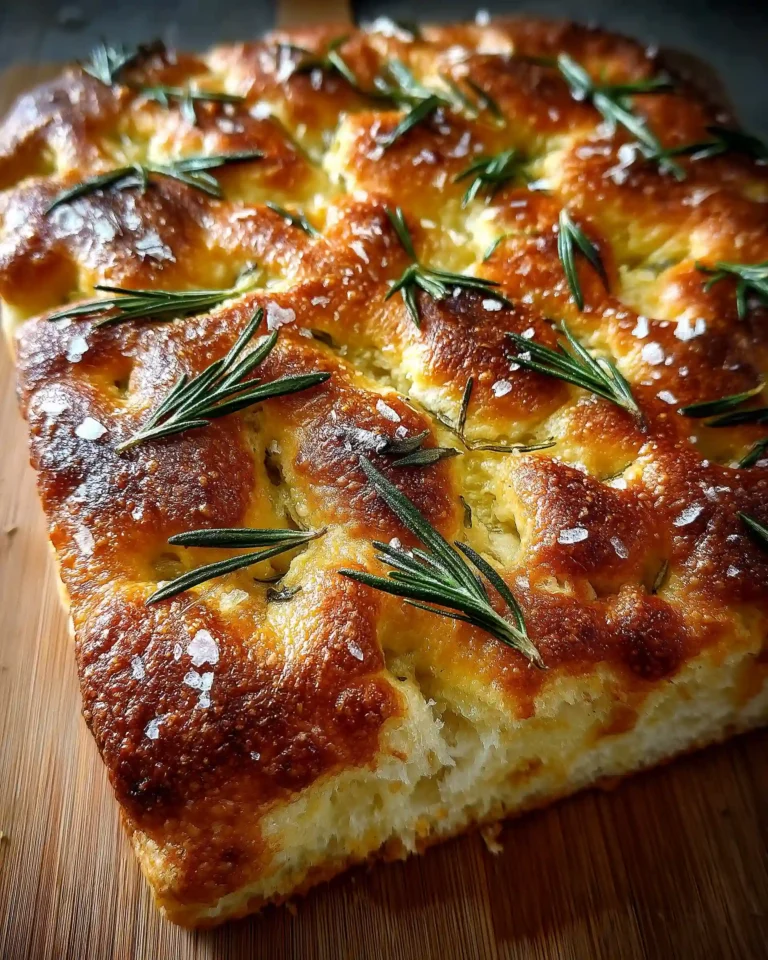
- Deep golden brown color on the bottom and edges
- Lightly golden and bubbly surface from the olive oil and toppings
If you’re using glass or ceramic pans, it may take a few extra minutes. In metal pans, the crust tends to brown a bit faster, so check around the 25-minute mark. Don’t rush this step — underbaked focaccia won’t have that satisfying crunch or full flavor.
Cooling for Flavor and Texture
Once baked, carefully remove the pan(s) from the oven and transfer the focaccia to a cooling rack. Let it rest for at least 10 minutes before slicing. This allows steam to escape and the crumb to finish setting without becoming gummy.
If you plan to use your focaccia for sandwiches, let it cool completely before cutting. A fully cooled loaf will slice more cleanly and hold its structure, especially when halved horizontally.
If you’re serving it warm with dinner or dipping into olive oil, just wait long enough so you don’t burn your fingers — it smells amazing fresh out of the oven.
Storing and Reheating Your Focaccia the Right Way
Best Practices for Storage
After baking your delicious overnight focaccia, you’ll want to keep it fresh for as long as possible. Thankfully, focaccia stores well when handled properly.
Once your bread has cooled completely, transfer it to an airtight container or resealable bag. You can store it at room temperature for up to 3 days. Avoid refrigerating it — refrigeration tends to dry out the bread faster and alters its texture.
If you’re planning to keep it longer, freezing is a great option. Wrap individual portions or whole loaves tightly in plastic wrap, then place them in a freezer bag. Focaccia can be frozen for up to 3 months without losing much in texture or flavor.
Label and date your frozen bread, so you remember when it was made.
Reheating for Crispy Perfection
The secret to reviving leftover focaccia is a quick oven reheat. Always avoid microwaving, which makes the crust rubbery and the inside unevenly warm.
Here’s how to do it right:
- Preheat your oven to 350°F
- Place the focaccia directly on the rack or a baking sheet
- Heat for about 15 minutes until the crust becomes crisp and the interior is warmed through
If it’s frozen, let it thaw at room temperature before reheating, or increase the reheating time by a few minutes. The result? A revived crust with a warm, aromatic center just like freshly baked.
Serving Ideas and Creative Uses for Your Overnight Focaccia
Simple Ways to Serve Focaccia Fresh from the Oven
When it comes to serving focaccia bread, the beauty lies in its versatility. Fresh from the oven, it’s already flavorful, with its crisp golden crust and airy center. Cut it into thick wedges, squares, or long strips depending on your preference and occasion.
Serve it:
- As a table bread alongside soups, stews, or fresh salads
- Dipped in olive oil with a pinch of flaky salt and cracked black pepper
- As part of a snack board with cheese, olives, roasted vegetables, and fresh fruit
You can even toast the pieces lightly under the broiler to enhance their crunch and create a perfect base for spreads or toppings.
Turning Focaccia Into Sandwich Gold
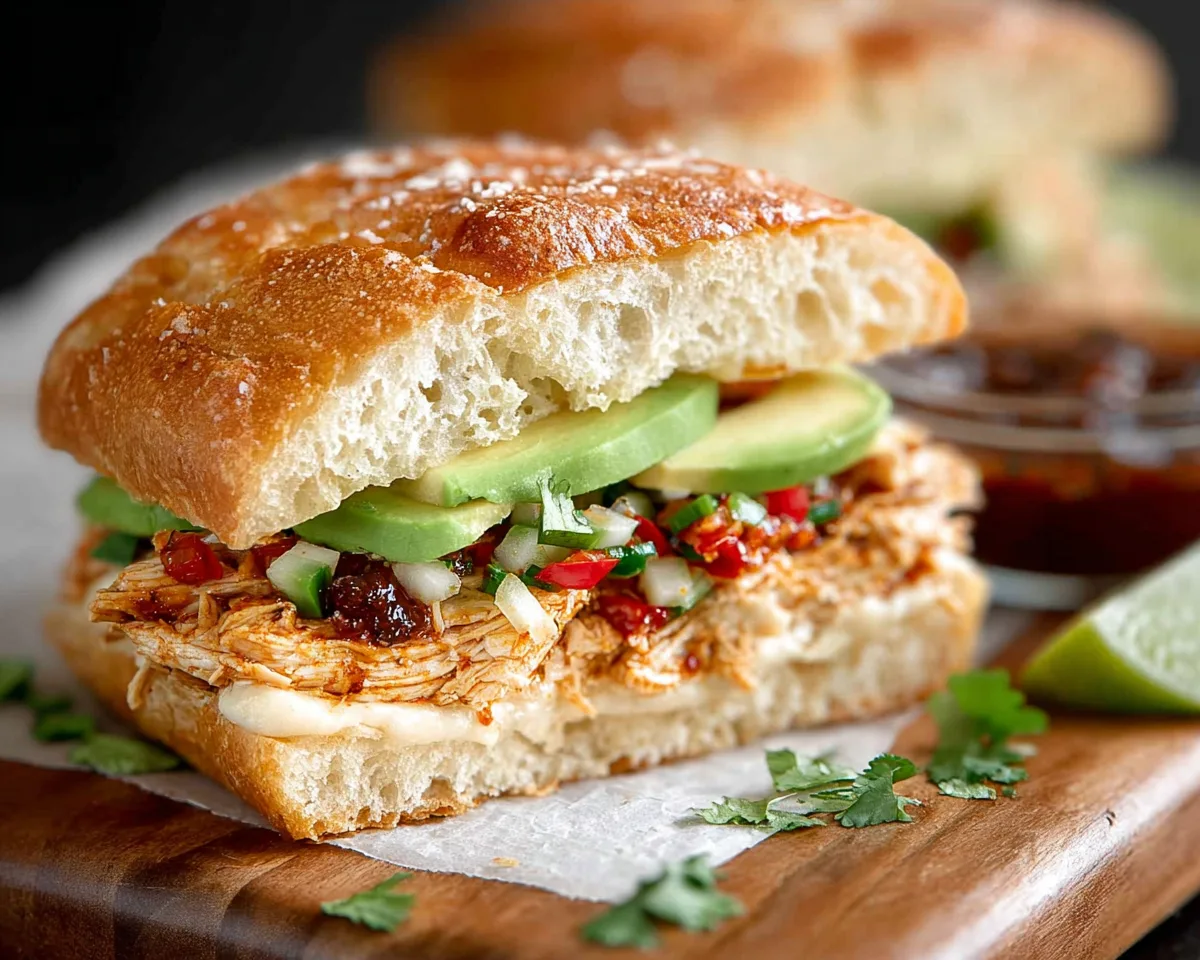
This overnight focaccia recipe is particularly ideal for sandwiches thanks to its soft but sturdy crumb. Once completely cooled, slice the loaf horizontally to create sandwich slabs. The crust holds up well to fillings without becoming soggy, and the flavor complements just about any combination of roasted or fresh vegetables, cheeses, and greens.
Ideas for using focaccia in sandwiches:
- Roasted veggie and hummus sandwich
- Fresh mozzarella with basil and tomato (a great meatless Caprese-style combo)
- Avocado and sprouts with lemon dressing
Cut smaller squares and make mini sandwiches for parties or lunches. You’ll love how this bread elevates even the simplest fillings.
Conclusion: Why This Overnight Focaccia Recipe Belongs in Your Baking Repertoire
Making homemade bread might seem intimidating at first, but this overnight focaccia recipe proves that with a little patience and a handful of pantry staples, you can achieve bakery-quality results right in your kitchen. Its flexible timeline, no-knead method, and foolproof rise make it ideal for both beginners and seasoned bakers alike.
From the deeply golden crust to the soft, airy center, each bite delivers a satisfying texture and rich, fermented flavor that only time can create. The overnight fermentation not only develops taste but also gives you freedom to plan ahead, making it perfect for busy schedules or weekend baking sessions.
Whether you’re serving it warm with dinner, using it for hearty sandwiches, or packing slices for lunch on the go, this focaccia delivers every time. Plus, it stores well and reheats beautifully — so nothing goes to waste.