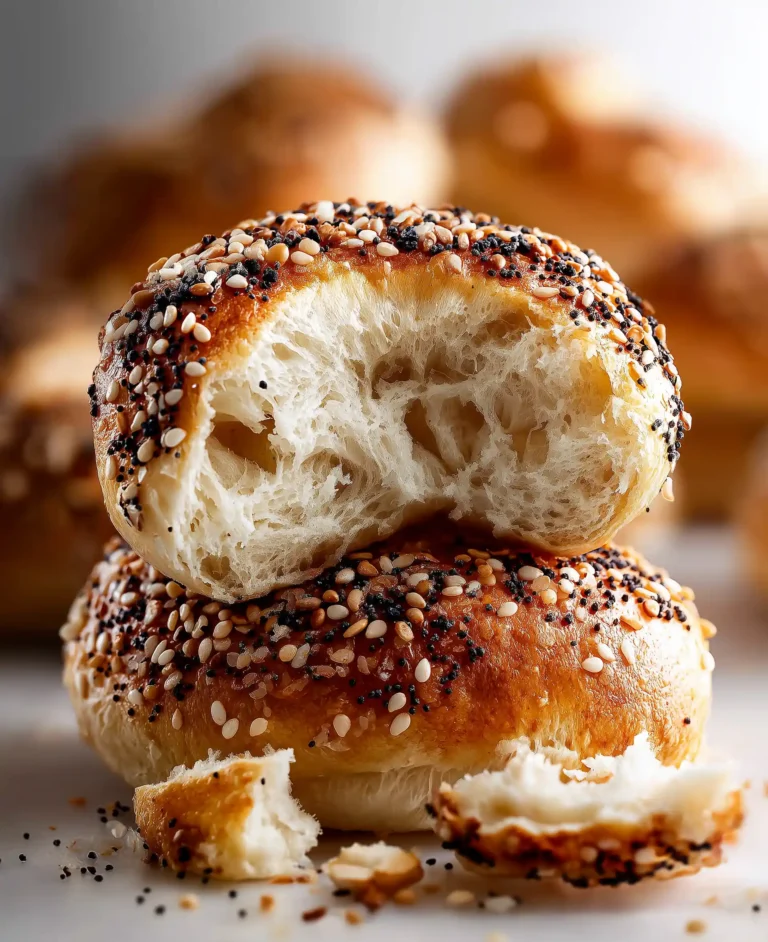
There’s something deeply satisfying about pulling a tray of golden, chewy bagels out of your own oven. While they may seem like a weekend bakery treat, homemade bagels are easier to make than most people think-and the payoff is worth every minute. In this guide, you’ll learn everything from how to create the perfect dough, to boiling and baking techniques, and even tips for making them ahead of time. Whether you’re an experienced baker or a curious beginner, this step-by-step breakdown will show you how to master bagels at home with minimal fuss and maximum flavor.
Preparing the Dough – The Foundation of Great Homemade Bagels
Choosing the Right Ingredients for Structure and Taste
The core of a homemade bagel is the dough. Unlike other bread types, bagels need a stiff, structured dough to get that signature chew. The flour you choose matters. Bread flour, with its higher protein content, forms strong gluten networks that give the bagel its chewy bite. Avoid using all-purpose flour unless you’re in a pinch, as it produces a softer, less distinct texture.
The yeast is another key player. Whether you’re using active dry or instant yeast, make sure your water is warm—between 100°F to 110°F. This temperature range activates the yeast without killing it. Adding sugar or brown sugar feeds the yeast and adds flavor. Salt is essential for balance, and a light oil or nonstick spray ensures your dough doesn’t stick as it rises.
Mixing and Kneading for Texture and Strength
After activating the yeast in warm water, you’ll add the flour, sugar, and salt to form your dough. A stand mixer makes the process faster, but you can knead by hand with great results too. The dough should feel slightly tacky but not sticky, and kneading it for 6-7 minutes helps develop the gluten that gives bagels their characteristic structure.
A good way to test if the dough is ready is the windowpane test. Tear off a small piece, stretch it gently, and hold it to the light. If light passes through without tearing the dough, your gluten structure is well-developed. This is a reliable sign your dough is ready for its first rise.
First Rise: Letting the Dough Develop Flavor and Volume
Once kneaded, transfer the dough to a lightly oiled bowl and cover it with plastic wrap or a clean kitchen towel. Let it rise at room temperature for 60 to 90 minutes, or until it has doubled in size. This rising period allows the yeast to ferment, producing both gas and flavor.
Rising time may vary depending on the room temperature and yeast type. Active dry yeast may take closer to two hours. The dough should be puffed up and soft to the touch. If you’re short on time during the day, you can also let it rise overnight in the refrigerator, which gives the dough deeper flavor through a slow fermentation process.
Troubleshooting Dough Issues
If your dough feels too dry, don’t hesitate to add a few drops of water as you knead. If it’s too sticky, a dusting of flour can help, but avoid overdoing it—too much flour results in dry, tough bagels. Remember, the dough should be slightly tacky, not wet or stiff.
New bakers often worry if their dough isn’t rising quickly. If it hasn’t puffed up after 90 minutes, give it more time or move it to a warmer spot in your kitchen. Sometimes all it needs is a little patience or a warmer environment to come alive.
Print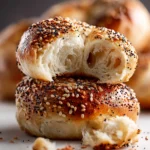
Homemade Bagels Recipe
- Total Time: 3 hours
- Yield: 8 bagels
- Diet: Vegetarian
Description
Learn how to make classic chewy and golden homemade bagels from scratch with this easy step-by-step guide. Perfect for breakfast or brunch.
Ingredients
1 and 1/2 cups (360ml) warm water (100-110°F)
2 and 3/4 teaspoons instant or active dry yeast
4 cups (520g) bread flour
1 tablespoon granulated or brown sugar
2 teaspoons salt
Nonstick spray or 2 teaspoons olive oil (for greasing bowl)
1 egg white (for egg wash)
1 tablespoon water (for egg wash)
2 quarts water (for boiling)
1/4 cup (60g) honey (for boiling)
Instructions
1. Whisk the warm water and yeast in a large bowl. Let sit for 5 minutes.
2. Add bread flour, sugar, and salt. Mix on low for 2 minutes.
3. Knead by mixer or hand for 6-7 minutes until soft and slightly tacky.
4. Grease a bowl and place dough inside. Cover and let rise for 60-90 minutes.
5. Punch down the dough, divide into 8 parts, shape each into a ring.
6. Cover shaped bagels. Let rest while preparing the water bath.
7. Boil 2 quarts water with honey. Boil each bagel 1 minute per side.
8. Place on parchment-lined baking sheet. Brush with egg wash.
9. Bake at 425°F for 20-25 minutes until golden brown.
10. Cool 20 minutes on the tray, then move to a wire rack to finish cooling.
Notes
You can let the dough rise overnight in the refrigerator for deeper flavor.
Bagels can be frozen after baking or the dough can be frozen before shaping.
Use bread flour for best chewiness and structure.
Barley malt syrup can be substituted with honey.
- Prep Time: 2 hours 10 minutes
- Cook Time: 25 minutes
- Category: Bread
- Method: Baking
- Cuisine: American
Shaping and Resting – Crafting the Classic Bagel Form
Dividing the Dough: Getting Even Portions Without the Fuss
Once your dough has doubled in size, it’s time to shape your bagels. Start by gently punching down the dough to release excess air. Then divide it into 8 equal pieces. While exact weights are not essential, try to eyeball them as evenly as possible for consistent baking results.
Each piece should be shaped into a smooth, tight ball. Roll the dough on your countertop using a cupped hand to help create surface tension. This tension keeps your bagels round and helps them hold shape during boiling and baking.
Creating the Signature Hole: Traditional Method Made Simple
Now comes the part that transforms these dough balls into recognizable bagels. Using your index finger, press through the center of each dough ball to create a hole. Then, gently stretch that hole to about 1.5 to 2 inches wide. The holes may shrink slightly as the dough rests and bakes, so don’t worry if they seem a little big at first.
A helpful tip: spin the bagel around your finger like a mini steering wheel to even out the shape. Aim for a consistent ring with a uniform thickness all around. Once shaped, cover the bagels loosely with a kitchen towel and let them rest for about 10-15 minutes while you prepare the water bath.
Why Resting Matters Before the Boil
This short resting period helps the shaped dough settle and prevents shrinkage in the boiling step. It also gives the outer surface time to slightly dry out, creating a better skin that withstands the boiling water without becoming soggy or misshapen.
Bagels that skip this resting phase might lose their shape or develop an uneven crust. Don’t skip it. It’s a simple step that adds polish to your finished bagels.
Bagel Size and Texture: What to Expect
Your raw bagels should now resemble soft doughy rings with a smooth surface. The size of each will vary slightly based on how evenly the dough was divided and stretched. Expect them to expand both in the boiling water and the oven, so leave ample space on the baking sheets when it’s time to bake.
A well-shaped bagel will have a thick body with a good-sized center hole and a balanced form—not too flat, not too puffy. And most importantly, they’ll be ready for the transformative boil that gives bagels their unique chew and crust.
Boiling the Bagels – The Secret Step to Perfect Texture
Why Boiling is Essential for Authentic Homemade Bagels
Boiling isn’t just tradition, it’s what sets bagels apart from other types of bread. This step gelatinizes the starch on the surface of the dough, locking in the shape and giving bagels that signature chewy crust once baked. Without boiling, you’ll end up with round bread—not true bagels.
The boiling process also slows down the oven spring (how much the dough rises during baking), which helps keep the dense, chewy texture. If you’ve ever wondered how bagels get that glossy, golden skin and satisfying bite, boiling is the answer.
Preparing the Water Bath with Natural Sweetness
For a traditional flavor, the boiling water should be mixed with barley malt syrup or honey. These ingredients lightly sweeten the crust and enhance browning in the oven. If you can’t find barley malt syrup, honey is a great substitute and commonly used in home kitchens.
In a large wide pot, bring 2 quarts of water to a boil, then reduce the heat to medium-high so the water stays at a gentle boil. Stir in 1/4 cup of honey until dissolved. Make sure your pot is wide enough to hold several bagels at a time with room to float and move.
Timing and Technique: Boiling Your Bagels Right
Using a slotted spoon or your hands, gently lower the shaped bagels into the boiling water. Boil just 2 to 4 at a time, depending on the size of your pot. Overcrowding can cause uneven cooking or deformation.
Boil 1 minute per side. This is the sweet spot. A longer boil results in a thicker crust and chewier interior, while a shorter boil gives a softer bagel. Use a timer and turn each bagel carefully halfway through. They’ll puff slightly and develop a light skin during this step.
Once boiled, let the excess water drip off each bagel before transferring them to a lined baking sheet. Space them out so they have room to expand as they bake.
Troubleshooting the Boiling Step
If your bagels sink and stay sunk, your dough may have under-proofed or wasn’t kneaded properly. Ideally, they should float within 10 seconds. If they float immediately and puff too much, they may have over-proofed. However, a little variation in floating time is normal.
If the crust turns too dark or bitter, reduce the amount of sweetener in your boil or slightly lower the oven temperature. Consistent water temperature and careful timing will give you beautifully boiled bagels ready for the oven.
Baking the Bagels – From Pale Dough to Golden Perfection
Preparing for the Bake: Egg Wash and Baking Sheets
Now that your bagels have been boiled, it’s time to prep them for the oven. The boiled dough should look puffed, slightly glossy, and tacky to the touch. This is the perfect time to apply an egg wash, which helps create a shiny, golden crust and helps toppings stick if you’re using any.
In a small bowl, beat 1 egg white with 1 tablespoon of water until smooth. Use a pastry brush to lightly coat each bagel—top and sides—with the egg wash. Be gentle to avoid deflating them. If you’re planning on adding seeds or other toppings, sprinkle them on now while the egg wash is still wet.
Line your baking sheets with parchment paper or silicone mats to prevent sticking and ensure even browning. Place 4 bagels per tray, giving them enough space to expand in the oven without touching.
Baking Time and Temperature: Getting That Golden Color
Preheat your oven to 425°F (218°C). This high temperature ensures a quick, strong bake, locking in moisture while forming a chewy crust.
Bake the bagels for 20 to 25 minutes, rotating the baking sheets halfway through to ensure even coloring. You’re looking for a rich dark golden brown color. Under-baked bagels will look pale and feel soft. A well-baked bagel, however, should feel firm and sound slightly hollow when tapped on the bottom.
Keep an eye on the final minutes, as every oven is slightly different. If your bagels brown too quickly, tent them loosely with foil. If they’re too pale after 25 minutes, give them a few extra minutes, but no more than 5 to avoid drying them out.
Cooling: Locking in the Texture and Flavor
Once baked, remove the trays from the oven and allow the bagels to cool on the baking sheets for 20 minutes. This helps them finish setting and makes them easier to handle. Then, transfer them to a wire rack to cool completely before slicing or storing.
Cooling may seem like an unnecessary delay, especially when your kitchen smells like heaven, but it plays a big role. Bagels that are sliced too early can become gummy or compressed inside. Letting them rest keeps the interior fluffy and chewy—exactly what you want.
Storage and Shelf Life: Keeping Them Fresh
Once cooled, you can store your homemade bagels at room temperature for a few days in an airtight container. For longer storage, refrigerate them for up to a week, or freeze them for up to 3 months.
If freezing, slice them first so you can pop them straight into the toaster without thawing. Whether toasted or plain, your homemade bagels will taste bakery-fresh whenever you’re ready to eat them.
PART 5: Make-Ahead Tips and Storage – Fresh Bagels Anytime
Overnight Rise for Deeper Flavor
One of the best ways to boost the flavor of homemade bagels is to let the dough rise overnight in the refrigerator. This slower fermentation develops more complex flavors, much like a sourdough starter does over time.
To do this, follow the dough instructions through the first rise but instead of letting it rise at room temperature, cover the bowl and place it in the fridge overnight. By morning, you’ll notice the dough has risen slowly and may smell slightly tangy, which is exactly what you want.
When ready to proceed, remove the dough from the fridge and allow it to rest at room temperature for about 45 minutes. Then continue with dividing and shaping. This technique is great for busy mornings or for prepping bagels the night before a brunch.
Freezing the Dough or Baked Bagels
If you want to make bagels well ahead of time, both the dough and the finished bagels can be frozen.
To freeze the dough: After punching it down (step before shaping), tightly wrap it in plastic wrap and a layer of aluminum foil. It can be stored in the freezer for up to 3 months. When ready to use, thaw it overnight in the refrigerator, punch it down again, then proceed with shaping and boiling.
To freeze baked bagels: Let them cool completely first. Then, wrap each bagel tightly in plastic wrap or store them in freezer-safe bags. Bagels can be frozen for up to 3 months and reheated in a toaster, toaster oven, or briefly warmed in a hot oven for that just-baked feel.
Refreshing and Reheating Tips
Fresh out of the freezer, bagels are best sliced and toasted. For a chewy texture, lightly spritz them with water before warming in the oven. Avoid microwaving, as it makes them rubbery and dry.
You can also slice and freeze bagels individually so they’re ready to go straight into the toaster—perfect for busy mornings or meal prep.
Storing at Room Temperature
If you plan to eat your bagels within a few days, store them in a tightly sealed container or a paper bag placed inside a plastic bag. This setup keeps the crust crisp without making the interior gummy.
Avoid refrigerating them unless necessary. Fridge air dries bread quickly and may make your bagels stale faster than if left at room temperature.
Customizing Your Homemade Bagels – Flavor, Toppings, and More
Flavor Variations You Can Try
Once you’ve mastered the basic bagel recipe, you can easily adapt it to suit your taste. Some popular variations include:
- Whole wheat bagels: Replace half the bread flour with whole wheat flour. Add a little extra water to keep the dough from drying out.
- Cinnamon raisin: Add 1 tablespoon of cinnamon and ½ cup of raisins to the dough during mixing.
- Garlic or onion bagels: Mix minced dried garlic or onion into the dough, or sprinkle it on top after the egg wash.
Adding dry herbs, chopped nuts, or seeds into the dough is a great way to experiment while sticking to the base recipe.
Topping Ideas After the Egg Wash
Toppings go on after boiling but before baking, when the egg wash acts as glue. Some great topping choices include:
- Sesame seeds
- Poppy seeds
- Dried minced onion
- Dried minced garlic
- Everything bagel seasoning
- Rolled oats
Simply press the toppings lightly into the dough right after brushing with egg wash so they stick during baking.
Make It Yours
What’s great about homemade bagels is how easily you can make them personal. Keep them classic or go bold. Try shaping minis for snack-sized bagels or even making bagel bites for kids. This basic dough is forgiving and adaptable to your kitchen style and preferences.
Conclusion
Making homemade bagels might seem like a bakery-level skill, but as you’ve seen, it’s completely doable in any kitchen with just a few basic ingredients and steps. From creating the perfect dough to mastering the boil-and-bake method, each part of the process contributes to that unmistakable bagel texture—chewy on the inside, golden on the outside. With a little time and care, you can skip the store-bought versions and enjoy fresh, flavorful bagels tailored to your taste.
Whether you like them plain, topped with seeds, or flavored with cinnamon and raisins, the homemade route offers flexibility and satisfaction that packaged bagels simply can’t match. Plus, with tips for overnight rises and freezing options, you can enjoy fresh bagels any day of the week. So go ahead, knead that dough, boil with care, and bake until golden. Your homemade bagels are sure to impress—and disappear fast.