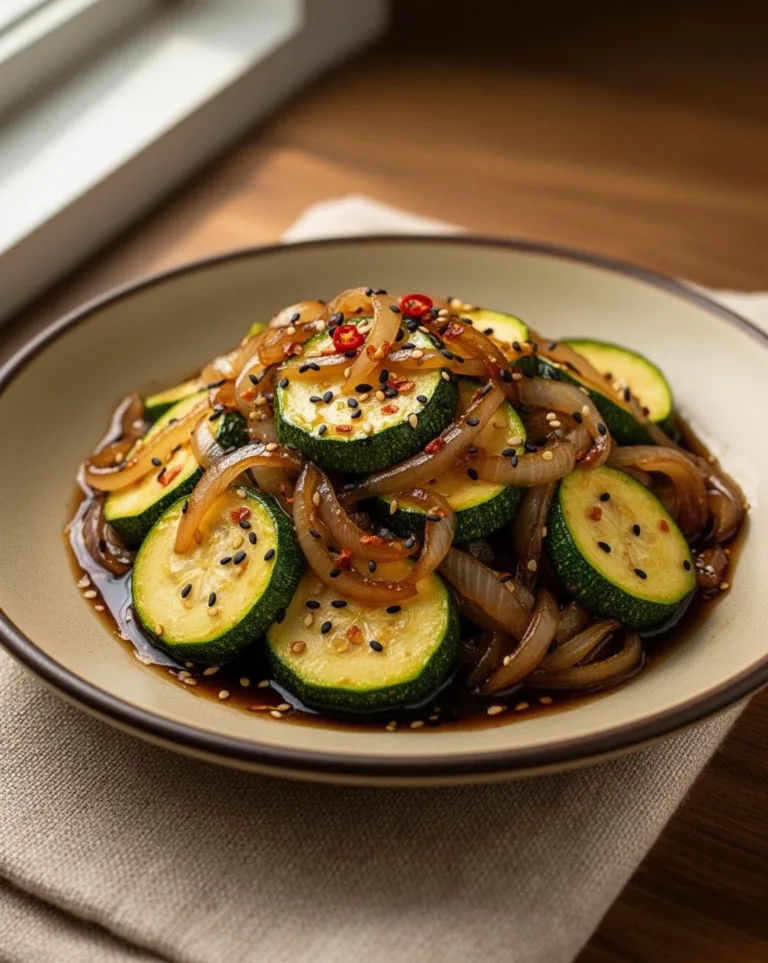
Onion Zucchini Japanese Keto Stir-Fry brings the authentic flavors of a Tokyo steakhouse right into your home kitchen. This dish focuses on high-quality produce and umami-rich seasonings that align perfectly with a low-carb lifestyle. By using fresh vegetables and traditional Japanese techniques, you can enjoy a meal that is both healthy and satisfying. This recipe is designed to be quick, making it an ideal choice for busy weeknights.
Nutritional Power and Health Advantages
Experience a wealth of nutrients when you consume this Onion Zucchini Japanese Keto Stir-Fry regularly. Zucchini is a fantastic source of vitamin C and manganese, which support skin health and bone density. Onions contribute powerful antioxidants and prebiotic fibers that assist with maintaining a healthy digestive system. This combination is particularly beneficial for those looking to manage blood sugar or reduce overall inflammation.
Athletes and fitness enthusiasts will appreciate the high mineral content that helps replenish electrolytes after an intense workout. However, individuals with specific sensitivities to alliums should exercise caution when consuming high volumes of cooked onions. Because this dish is naturally low in starch, it is an excellent option for weight management and metabolic health. It provides a feeling of fullness without causing the heavy bloating associated with traditional grain-heavy sides.
Complete List of Fresh Ingredients
- 700 grams (about 1.5 lbs) fresh medium zucchini, sliced into half-moons
- 250 grams (approx 9 oz) large white onion, cut into thick wedges
- 3 tablespoons extra-virgin olive oil or avocado oil
- 2 tablespoons toasted sesame oil for finishing
- 45 milliliters (3 tbsp) tamari or liquid aminos for gluten-free soy flavor
- 15 grams (1 tbsp) fresh ginger root, finely grated
- 10 grams (2 tsp) garlic cloves, minced or pressed
- 1 tablespoon toasted white sesame seeds for a nutty garnish
Required Kitchen Equipment
- Large carbon steel wok or heavy-bottomed cast iron skillet
- Sharp chef’s knife and sturdy wooden cutting board
- Small stainless steel mixing bowl for the sauce
- Silicone spatula or long-handled wooden spoon
- Digital kitchen scale for accurate metric measurements
Master the Stir-Fry Technique
The secret to a perfect Onion Zucchini Japanese Keto Stir-Fry lies in the heat management and the preparation. Start by prepping all your vegetables before the stove is even turned on to ensure a smooth flow. Slice the zucchini into uniform half-inch thick pieces so they cook evenly without becoming mushy or soft. Peel the onion and cut it into segments that are roughly the same size as your zucchini slices.
Heat your wok or heavy skillet over a high flame until you see a faint wisp of smoke. Add the avocado oil and swirl it around the pan to create a non-stick coating for the vegetables. Toss in the onion wedges first, as they require a slightly longer cooking time to develop their natural sweetness. Stir them constantly for about two minutes until the edges begin to turn a light golden brown.
Add the zucchini slices to the pan once the onions have softened slightly and released their savory aroma. Maintain the high heat to ensure the moisture from the zucchini evaporates quickly rather than steaming the dish. You want to achieve a crisp-tender texture where the vegetables have a slight bite but are fully heated. Use a tossing motion with your spatula to keep every piece in contact with the hot surface.
While the vegetables are searing, whisk together the tamari, grated ginger, and minced garlic in your small bowl. This sauce provides the classic Japanese profile without the hidden sugars often found in bottled stir-fry marinades. Pour the liquid mixture over the sizzling vegetables and stir rapidly to coat every single piece thoroughly. The sauce will bubble instantly and thicken slightly as it reduces into a flavorful, salty glaze.
Continue cooking for another sixty seconds until the aromatics are fragrant and the sauce has mostly been absorbed. Turn off the heat immediately to prevent the zucchini from losing its vibrant green color and structural integrity. Drizzle the toasted sesame oil over the top and give the pan one final, vigorous toss to combine. Transfer the mixture to a serving platter and sprinkle with the toasted white sesame seeds.
Storage and Reheating Guidelines
If you have leftovers, place them in an airtight glass container to maintain the best flavor and texture possible. The Onion Zucchini Japanese Keto Stir-Fry will remain fresh in the refrigerator for up to three days conveniently. Note that the zucchini may release a little more water as it sits, so some liquid separation is normal. Simply drain any excess moisture before you decide to reheat the dish for your next meal.
Freezing this specific recipe is not recommended because the cell structure of zucchini breaks down significantly when frozen and thawed. This results in a soggy texture that lacks the signature crunch of a traditional Japanese-inspired stir-fry dish. If you must store it longer, it is better to consume it within forty-eight hours of cooking. For best results, use a microwave or a quick pan-sear to bring the ingredients back to temperature.
Flexible Adjustments and Substitutions
For those who enjoy a bit of heat, consider adding a teaspoon of red chili flakes or shichimi togarashi. If you do not have tamari available, coconut aminos serve as a fantastic soy-free alternative with a slightly sweeter profile. You can also swap white onions for red onions or shallots if you prefer a sharper or more delicate taste. Adding sliced mushrooms like shiitake or cremini can provide an extra meaty texture while keeping the dish keto-friendly.
Professional Tips for Maximum Flavor
To achieve the best results, never overcrowd the pan as this leads to steaming instead of searing the vegetables. If you are doubling the recipe for a larger group, cook the vegetables in two separate batches for quality. Ensure your ginger is fresh rather than powdered to capture the bright, spicy notes essential for authentic Japanese cooking. Using a high-smoke point oil like avocado oil prevents the fats from burning during the high-heat cooking process.
Another trick is to salt the zucchini very lightly ten minutes before cooking and pat them dry with paper towels. This removes excess surface moisture, allowing for better browning and a crisper result once they hit the hot wok. Always mince your garlic fresh rather than using jarred varieties to avoid a bitter aftertaste in the finished glaze. These small details elevate the dish from a simple side to a restaurant-quality meal that everyone will love.
Essential Cooking Notes
Always taste your Onion Zucchini Japanese Keto Stir-Fry before serving to adjust the seasoning levels to your personal preference. Some brands of tamari are saltier than others, so you may need a splash of water to balance the pan. If you prefer a thicker sauce, a tiny pinch of xanthan gum can be whisked in for keto-friendly binding. Remember that the residual heat will continue to cook the vegetables even after you remove them from the burner.
Suggesting the Perfect Pairing
Serve this savory stir-fry alongside grilled salmon or a tender ribeye steak to create a complete Japanese dining experience. It also pairs beautifully with cauliflower rice or shirataki noodles for those who want a more substantial keto meal. For a light finish, a side of pickled cucumbers or a simple miso soup works very well. This versatile dish fits into many meal plans and offers a refreshing change from standard boiled greens.
This Onion Zucchini Japanese Keto Stir-Fry is a testament to how simple ingredients can create deep, complex flavors. By prioritizing high heat and fresh aromatics, you transform humble garden vegetables into a gourmet low-carb masterpiece quickly. This recipe is perfect for those following a ketogenic lifestyle who refuse to sacrifice taste for their dietary goals. Enjoy the balance of sweet onions and savory zucchini in every single bite as you nourish your body. It is a reliable staple that you will find yourself returning to time and time again.
Frequently Asked Questions
Can I use yellow squash instead of zucchini?
Yes, yellow summer squash has a very similar texture and moisture content, making it an excellent substitute in this recipe.
Is this recipe suitable for a vegan diet?
Absolutely, the ingredients are naturally plant-based as long as you use tamari or coconut aminos and avoid animal-based fats.
How do I prevent the zucchini from getting soggy?
The key is using very high heat and a short cooking time to sear the exterior while keeping the center firm.