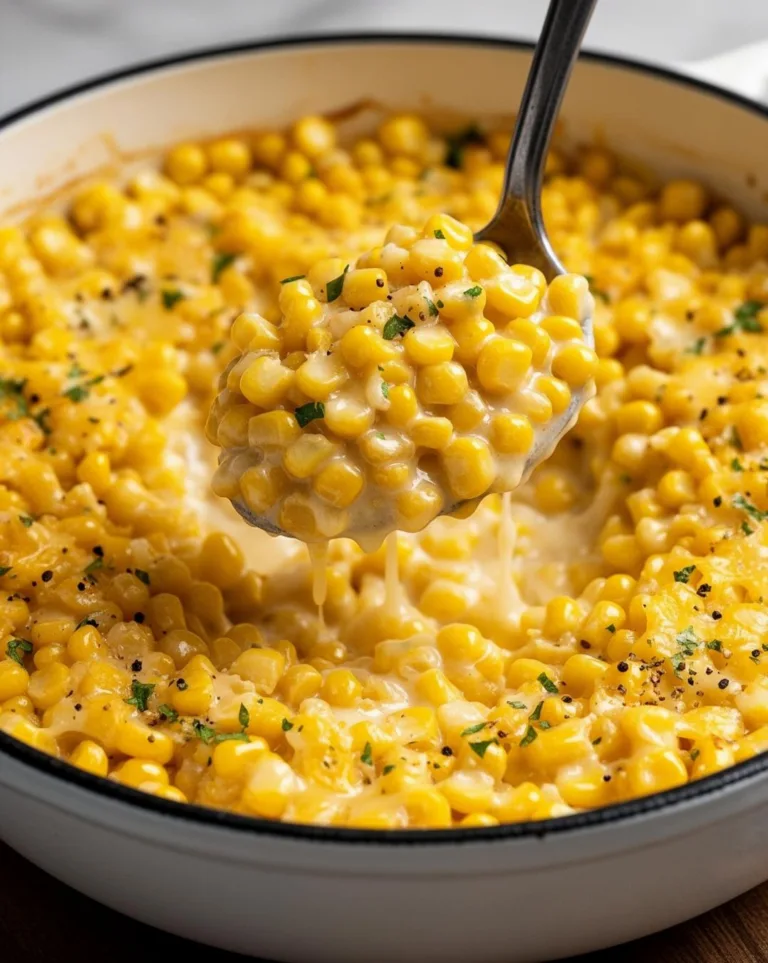
Honey Butter Skillet Corn is the ultimate side dish that combines natural sweetness with a rich, velvety finish. This recipe transforms simple kernels into a gourmet experience that pairs beautifully with almost any main course. By using a few high-quality ingredients, you can elevate your dinner table in less than fifteen minutes total.
Whether you are hosting a large family gathering or preparing a quick weeknight meal, this dish is a reliable favorite. The combination of wildflower honey and creamy butter creates a glaze that coats every single kernel perfectly. Everyone loves the contrast between the crisp texture of the corn and the smooth, decadent sauce.
Nutritional Value and Dietary Considerations
This dish provides a decent amount of dietary fiber and essential vitamins like B12 and folate. Corn is also rich in lutein and zeaxanthin, which are antioxidants known to support eye health and vision. The natural sugars in the corn are balanced by the fats in the butter, providing sustained energy.
While this recipe is excellent for active individuals needing carbohydrates, those managing blood sugar should monitor portions carefully. The added honey increases the glycemic load, so it may not be suitable for strict low-sugar diets. People with dairy allergies should consider using a plant-based butter alternative for safety.
Essential Ingredients and Precise Measurements
20 ounces of frozen whole kernel corn or fresh equivalents
4 tablespoons of unsalted high-fat European style butter
2 tablespoons of organic raw wildflower honey
4 ounces of softened full-fat cream cheese
0.5 teaspoons of fine sea salt
0.25 teaspoons of freshly cracked black pepper
1 tablespoon of chopped fresh flat-leaf parsley
1 pinch of smoked paprika for color
Necessary Kitchen Equipment
Cast iron skillet or heavy-bottomed frying pan
Sturdy silicone spatula or wooden mixing spoon
Measuring spoons and liquid measuring cups
Chef’s knife and a wooden cutting board
Small mixing bowl for garnishes
Detailed Cooking Method for Perfect Corn
Begin by placing your heavy-bottomed skillet over medium-high heat on the stovetop. It is vital to let the pan get hot before adding ingredients to ensure proper searing. Once the pan is warm, add the four tablespoons of unsalted butter and let it melt.
Wait until the butter begins to foam and turn a very light gold color. This indicates that the water has evaporated and the fat is ready for the corn kernels. Pour the 20 ounces of corn into the pan in a single layer.
Let the corn sit undisturbed for about two to three minutes to develop a char. This caramelization process adds a complex smokiness that balances the sweetness of the upcoming honey. Stir the kernels occasionally to ensure they are heating evenly and not burning.
Lower the heat to medium once the corn looks bright yellow and slightly toasted. Drizzle the two tablespoons of wildflower honey over the corn while stirring constantly to coat. The honey will thin out and begin to bubble as it integrates with the butter.
Add the four ounces of softened cream cheese to the center of the skillet now. Use your spatula to break the cheese into smaller chunks so it melts much faster. Stir vigorously until the cheese transforms into a smooth, creamy sauce that binds everything.
Season the mixture with the sea salt and freshly cracked black pepper at this stage. Taste the sauce to ensure the balance of sweet and salty is to your preference. If the sauce seems too thick, you can add a splash of milk.
Garnish the finished dish with the fresh parsley and a tiny pinch of paprika. These additions provide a pop of color and a fresh herbal note to the richness. Remove the skillet from the heat immediately to prevent the cream cheese from breaking.
Finish by giving the Honey Butter Skillet Corn one final toss to distribute the herbs. Serve it while steaming hot to maintain the ideal creamy consistency of the glaze. The textures should be a mix of crunchy kernels and silky sauce.
Storage and Shelf Life Information
If you have leftovers, allow the corn to cool completely to room temperature first. Place the remnants in an airtight glass container to maintain the freshest flavor profile possible. Store the container in the back of the refrigerator for up to four days.
Reheating this dish requires a bit of care to prevent the sauce from separating. Place the corn in a small saucepan over low heat and add a teaspoon of water. Stir constantly until the cream cheese becomes smooth and the kernels are heated through.
Freezing this specific recipe is not recommended due to the high dairy content of the cheese. The cream cheese tends to take on a grainy texture once thawed and reheated. For the best culinary results, consume this dish within forty-eight hours of cooking.
Creative Variations and Ingredient Substitutions
For a spicy twist, add a teaspoon of crushed red pepper flakes or diced jalapenos. The heat works exceptionally well against the backdrop of the sweet honey and butter. You can also swap the parsley for cilantro and add lime juice for zest.
If you prefer a lighter version, replace the cream cheese with a splash of cream. Those looking for a vegan option can use coconut oil and maple syrup instead. Each substitution will slightly alter the flavor but maintain the fundamental sweet and savory profile.
Pro Tips for Culinary Success
Using a cast iron skillet is the best way to achieve those brown, caramelized edges. High heat is your friend during the first few minutes of the cooking process. Do not be afraid of a little bit of char on the kernels.
Always use high-quality butter because the fat carries the majority of the flavor in this dish. Cheap butter often has high water content which can make the corn soggy instead of crisp. Fresh corn cut off the cob will always yield the most superior results.
Performance Notes and Technical Advice
Check the expiration date on your cream cheese to ensure it is fresh and tangy. If using frozen corn, there is no need to thaw it before adding to the pan. The extra moisture from the frost will evaporate quickly during the high-heat searing phase.
Adjust the salt at the very end of the process to avoid over-seasoning early on. Different brands of honey have varying levels of sweetness and floral notes that affect the dish. Taste as you go to ensure the Honey Butter Skillet Corn meets your standards.
Professional Serving Suggestions
Serve this corn alongside grilled chicken, roasted pork loin, or a seared ribeye steak. It acts as a cooling, sweet side to heavily spiced or smoked protein dishes. Present it directly in the cast iron skillet for a rustic, farmhouse aesthetic.
Gourmet Side Dish Summary
The Honey Butter Skillet Corn is a masterful blend of simple pantry staples and fresh produce. By focusing on the caramelization of the corn and the emulsification of the cream cheese, you create a restaurant-quality side. This recipe is designed for efficiency without sacrificing the deep, complex flavors that food lovers crave. It is a versatile addition to your culinary repertoire that promises satisfaction with every buttery bite. You will find that this dish quickly becomes a requested staple for every family dinner or gathering you host.
Frequently Asked Questions
Can I use canned corn for this skillet recipe?
Yes, you can use canned corn, but you must drain and rinse it thoroughly. Pat the kernels dry with a paper towel before adding them to the hot butter. This ensures that the corn sears properly rather than steaming in the residual canning liquid.
What is the best type of honey to use?
A neutral honey like clover or wildflower works best for this specific skillet side dish. Avoid very strong, dark honeys like buckwheat unless you want a very earthy, bold flavor profile. The goal is to complement the corn’s natural sugars without overpowering the delicate butter.
Why did my sauce turn out oily instead of creamy?
An oily sauce usually happens if the heat was too high after adding the cream cheese. Dairy can “break” or separate when exposed to extreme temperatures for too long after melting. Always lower the heat before adding the cheese and remove from heat once incorporated.