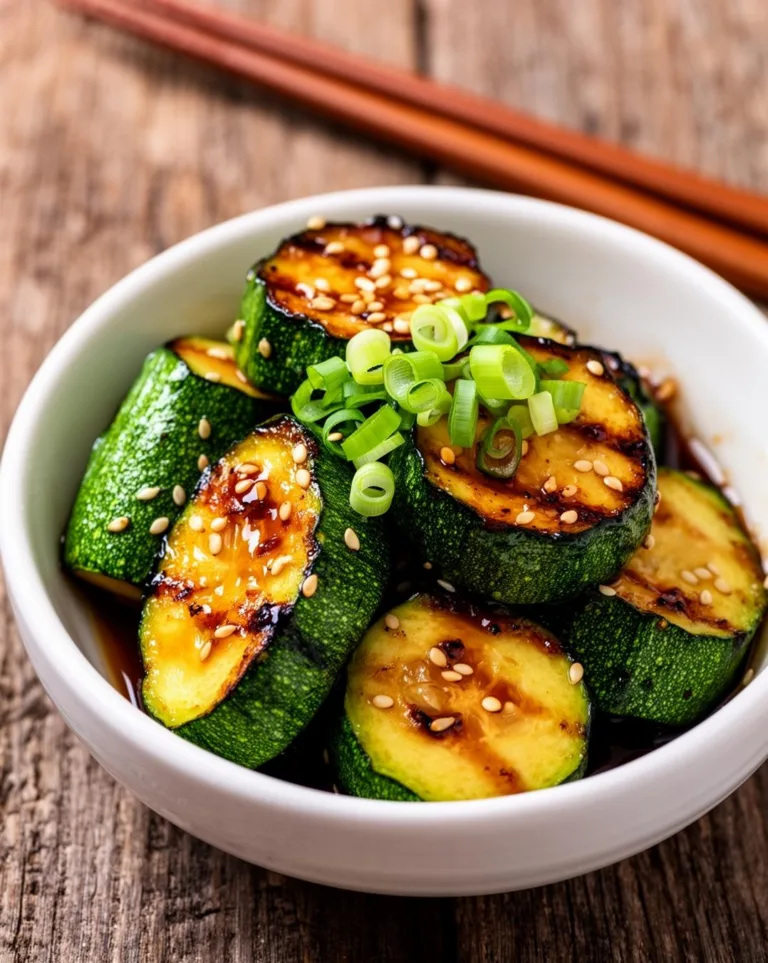
The craving for authentic Japanese steakhouse flavors often starts with the perfect Hibachi Zucchini Grill experience right in your kitchen. This side dish captures the essence of teppanyaki cooking through high heat and simple savory seasonings. By mastering the art of searing vegetables on a hot flat top, you can recreate that smoky restaurant quality. Many home cooks struggle to get the texture right, but achieving that perfect crisp-tender bite is entirely possible with these professional techniques.
Nutritional Value and Health Advantages
Zucchini is a powerhouse of nutrients, offering a significant amount of vitamin A which supports healthy vision and immunity. Because it is naturally low in calories and high in water content, it serves as an excellent base for healthy meals. The inclusion of manganese and potassium helps regulate heart health and maintain strong bone structure for active adults. This dish is specifically beneficial for those following low-carb or ketogenic diets due to its minimal impact on blood sugar.
While general consumption is encouraged, individuals with history of calcium oxalate kidney stones should monitor their intake of squash varieties. The fiber content found in the skin is excellent for digestion and promotes gut health over time. Using healthy fats like high quality butter and avocado oil ensures that you absorb the fat soluble vitamins effectively. This side dish provides a refreshing balance to heavy protein mains like steak or shrimp.
Essential Components for the Perfect Dish
- 24.0 oz Fresh Zucchini (approximately three medium sized squash)
- 1.50 tbsp Unsalted Butter (preferably grass fed)
- 1.0 tbsp Vegetable Oil or Avocado Oil
- 2.0 tsp Kikkoman Soy Sauce (regular or low sodium)
- 0.50 tsp Garlic Powder
- 1.0 tbsp Toasted Sesame Seeds (for the final garnish)
- 1.0 tsp Toasted Sesame Oil (added at the very end)
- 0.50 tsp Freshly Cracked Black Pepper
- 0.50 tsp Toasted Onion Powder
Necessary Tools and Equipment
- Large Flat Bottom Cast Iron Skillet or Electric Griddle
- Sharp Chef Knife and Cutting Board
- Flat Metal Spatulas (two are helpful for tossing)
- Mixing Bowl for Prepping
- Measuring Spoons
- Kitchen Paper Towels
Comprehensive Preparation and Cooking Method
The journey to a perfect Hibachi Zucchini Grill begins with the selection and preparation of your primary vegetable. Always choose firm, medium sized zucchini that feel heavy for their size and have deep green, unblemished skins. Start by washing the squash thoroughly under cold water and drying them completely with paper towels for optimal searing. Trim off the stem and blossom ends before slicing each zucchini lengthwise into four long wedges.
Once you have your long wedges, cut them into bite sized chunks that are roughly two inches long. It is crucial to ensure all pieces are relatively uniform in size so they cook at the same rate. Place the cut pieces on a dry towel to absorb any excess moisture that might lead to steaming. Moisture is the enemy of a good sear, so keeping the surface of the vegetable dry is key. Your mise en place should be ready before the heat is even turned on.
Set your flat top griddle or a heavy cast iron skillet over medium high heat for at least five minutes. You want the surface to be screaming hot to mimic the intense heat of a professional teppanyaki grill. Add the vegetable oil first, as it has a higher smoke point than butter and will prevent burning. Swirl the oil around to coat the bottom of the pan evenly before introducing the chunks. Carefully place the zucchini in the pan, ensuring they are spread out in a single layer.
Allow the vegetables to sit undisturbed for about two to three minutes until a golden brown crust forms. Use your metal spatulas to toss the pieces, exposing the other sides to the direct heat of the metal. At this stage, add the cold butter to the center of the pan, letting it melt and foam. The milk solids in the butter will begin to brown and develop a nutty aroma that defines hibachi flavor. Sprinkle the garlic powder, onion powder, and black pepper over the sizzling vegetables.
Continue to toss the mixture frequently for another three minutes to ensure even cooking throughout the entire batch. Drizzle the soy sauce over the zucchini and watch as it caramelizes and coats every single piece beautifully. The soy sauce should sizzle and evaporate quickly, leaving behind a deep umami flavor and a glossy dark finish. Do not overcook the vegetables; they should still have a slight snap when bitten into during tasting. Finally, drizzle the toasted sesame oil over the pan and remove it from the heat source immediately.
Transfer the finished vegetables to a warm serving platter to prevent them from becoming mushy in the hot pan. Sprinkle the toasted sesame seeds generously over the top for texture and a professional aesthetic look. The entire process from heat to plate should take less than ten minutes for the best results. Serving them immediately ensures that the contrast between the seared exterior and tender interior remains perfectly balanced. This fast cooking method locks in the natural sugars and bright colors of the squash.
Effective Storage and Reheating Guidelines
Leftover zucchini can be stored in an airtight container in the refrigerator for up to three days. It is important to let the vegetables cool to room temperature before sealing the lid to prevent condensation. If the container collects too much moisture, the zucchini will become soggy and lose its distinct grilled texture. Reheating is best done in a hot skillet for two minutes rather than using a microwave oven.
Freezing is not recommended for this particular dish as the high water content causes the cells to rupture. Once thawed, the zucchini will have a mushy consistency that unpleasantly differs from the original crisp restaurant style. If you must freeze them, use them later in soups or stews rather than as a standalone side dish. For the best culinary experience, enjoy this dish the same day it is prepared for peak flavor. Proper storage ensures that the savory soy and garlic notes remain vibrant for your next meal prep.
Creative Variations and Ingredient Substitutions
If you wish to expand the flavor profile, adding sliced white onions or mushrooms creates a classic vegetable medley. For a spicy kick, add a teaspoon of chili crunch or sriracha during the last minute of searing. You can substitute liquid aminos or tamari for the soy sauce if you require a gluten free alternative. Those avoiding dairy can use a high quality vegan butter or simply increase the amount of sesame oil.
Expert Tips and Culinary Tricks
One of the best secrets to a great Hibachi Zucchini Grill is to avoid crowding the pan at all times. If you put too many pieces in at once, the temperature drops and the vegetables steam in their juice. This results in a grey, soft vegetable rather than a charred, vibrant one that looks like restaurant food. It is better to cook in smaller batches if your skillet is not large enough for the portion.
Another trick used by professional chefs is adding a tiny pinch of sugar to the soy sauce mixture. This helps the caramelization process occur much faster on the high heat of the griddle or heavy pan. Make sure your butter is unsalted so you can control the salt levels via the soy sauce added later. Always use fresh garlic if you prefer a sharper bite, though powder is standard for the hibachi style. Following these small adjustments will significantly elevate the final taste of your home cooked Japanese side dish.
Additional Cooking Notes
Consistency in cutting determines the success of the sear, so take your time during the preparation phase. Using a cast iron surface provides the best heat retention compared to nonstick pans which can peel at high temperatures. Always wait for the pan to reach the smoke point of the oil before adding any ingredients. This ensures that the vegetable surface cauterizes immediately upon contact with the hot metal of the skillet. Experience with heat management is the most valuable skill you can develop for this specific style of cooking.
Ideal Serving Suggestions
Serve this savory dish alongside ginger glazed chicken, teppanyaki steak, or garlic butter shrimp for a complete meal. It pairs exceptionally well with fried rice and a side of creamy yum yum sauce for dipping. Garnish with chopped green onions to add a burst of freshness and color to the dark seared zucchini. This side dish is versatile enough to accompany both traditional Asian entrees and standard grilled proteins.
Final Thoughts on the Recipe
The Hibachi Zucchini Grill technique is a fundamental skill for anyone looking to master Japanese steakhouse flavors at home. By focusing on high heat, minimal moisture, and the right balance of umami seasonings, you create a side dish that is both healthy and addictive. This recipe proves that simple ingredients like squash, butter, and soy sauce can transform into a gourmet experience with the right method. Whether you are meal prepping for the week or hosting a dinner party, these vibrant vegetables will always be a crowd favorite. Enjoy the process of high heat cooking and savor the delicious, charred results.
Frequently Asked Questions
Why does my zucchini always turn out soggy?
Sogginess usually happens because the pan isn’t hot enough or there are too many vegetables in the pan. The zucchini ends up steaming in its own moisture instead of searing against the hot metal surface.
Can I use yellow squash instead of zucchini?
Yes, yellow summer squash works perfectly with this recipe and has a very similar texture and water content. Using a mix of both produces a beautiful visual contrast on the dinner plate.
Is hibachi zucchini healthy?
Absolutely, it is a vegetable-forward dish that provides fiber and essential vitamins while remaining low in carbohydrates. Using moderate amounts of healthy fats and low-sodium soy sauce makes it a nutritious choice.
What is the best oil for hibachi cooking?
Vegetable oil, canola oil, or avocado oil are best because they have high smoke points. Avoid using extra virgin olive oil as it can burn and turn bitter at high temperatures.