Introduction
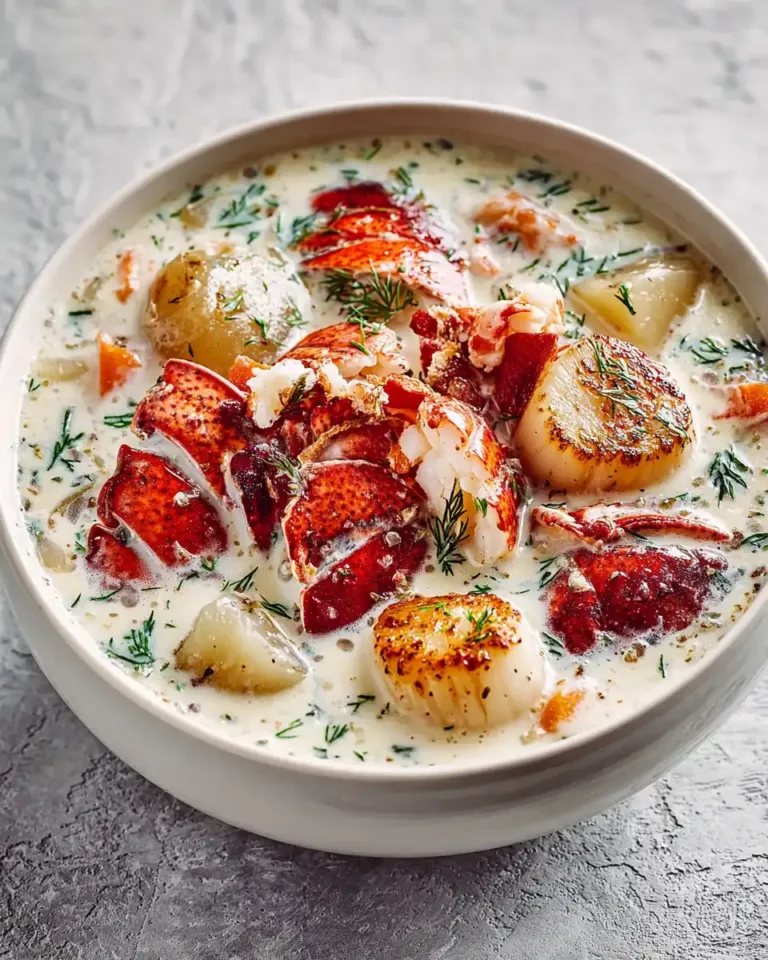
Nova Scotia Seafood Chowder is a creamy, hearty dish that represents the best of coastal cooking, combining fresh seafood, tender vegetables, and rich dairy into one deeply satisfying bowl. This version of Nova Scotia Seafood Chowder is inspired by classic East Coast flavors but refined for the modern American kitchen, using accessible ingredients and thoughtful techniques. From pan seared scallops to chunks of haddock, lobster, and shrimp, every spoonful delivers balance and depth. This article walks you through everything you need to know to master Nova Scotia Seafood Chowder at home, including equipment, ingredients, step by step instructions, tips, storage guidance, and variations, all written for cooks who want reliable results and bold flavor.
Equipment
A well prepared kitchen makes cooking Nova Scotia Seafood Chowder smoother and more enjoyable.
You will need paper towels to properly dry the scallops for optimal searing.
A slotted spoon is helpful for removing cooked beef bacon bits from the pot.
Tongs make it easier to place and flip scallops without tearing them.
A six quart cast iron or heavy bottomed pot ensures even heat distribution.
Measuring cups and spoons or a digital kitchen scale help maintain balance.
A liquid measuring cup is essential for cream and water.
A sturdy wooden spoon allows gentle stirring without breaking the fish.
Ingredients List
This Nova Scotia Seafood Chowder uses carefully selected ingredients for richness and clarity of flavor.
Twelve large scallops, fresh or thawed frozen and patted very dry.
Six strips beef bacon such as Wellshire Farms Beef Bacon or Jones Dairy Farm Beef Bacon, cut into small bits.
Four cups water for building the chowder base.
Two large potatoes, washed, unpeeled, and chopped into half inch pieces for body.
Two large carrots, washed, unpeeled, and sliced into quarter inch coins.
One teaspoon salt, divided to layer seasoning gradually.
Three cups heavy whipping cream to create the signature creamy texture.
One cup haddock, fresh or thawed frozen, cut into bite sized pieces.
One cup cooked lobster meat, chopped into generous chunks.
Eighteen large shrimp, fresh or thawed frozen, tails removed, deveined, chopped or left whole.
Two tablespoons fresh chives, finely chopped.
Two tablespoons fresh dill, finely chopped.
One quarter teaspoon freshly ground black pepper.
Step by Step Preparation
Begin by preparing the scallops. Gently sandwich them between sheets of paper towel, pressing lightly to remove surface moisture from both sides. This step is critical, as dry scallops develop a golden crust instead of steaming. Set the scallops aside at room temperature while you start the base.
Place your heavy bottomed pot over medium high heat. Add the beef bacon bits and cook, stirring occasionally, until they are well browned and lightly crisp. This should take about six to eight minutes. Use a slotted spoon to remove the cooked beef bacon and transfer it to a paper towel lined plate. Leave the rendered fat in the pot, as it will flavor the chowder.
Keep the heat at medium high. Using tongs, carefully place the scallops into the hot pot in a single layer. Avoid overcrowding, working in batches if necessary. Sear the scallops for two to three minutes per side until deeply golden. Do not move them too early, as a crust needs time to form. Once cooked, remove the scallops and set them aside.
Add the water to the pot, followed by the chopped potatoes, sliced carrots, and half of the salt. Use the wooden spoon to scrape up any browned bits from the bottom of the pot, as these add depth to the chowder. Bring the mixture to a gentle boil, then reduce the heat to a simmer. Cook for twelve to fifteen minutes until the vegetables are tender but not falling apart.
Pour in the heavy whipping cream and stir gently. Bring the chowder back to a slow simmer and allow it to cook for ten minutes. This step allows the cream to thicken slightly while absorbing the flavors from the vegetables and beef bacon fat.
Add the haddock, lobster, and shrimp to the pot. Stir gently to avoid breaking the fish. Simmer for about five minutes, just until the seafood is opaque and cooked through. Overcooking at this stage will result in tough seafood, so watch closely.
Stir in the cooked beef bacon bits, chives, dill, black pepper, and remaining salt. Taste and adjust seasoning if needed. Ladle the Nova Scotia Seafood Chowder into warm bowls, ensuring each serving has a generous portion of seafood. Top each bowl with pan seared scallops and a sprinkle of fresh dill. Serve hot with soft rolls or flaky biscuits.
Tips and Tricks
For the best Nova Scotia Seafood Chowder, always start with the freshest seafood available. If using frozen seafood, thaw it slowly in the refrigerator and pat it dry before cooking. Moisture control is key to achieving proper texture.
Cut vegetables evenly so they cook at the same rate. Leaving the potato skins on adds rustic character and extra body to the chowder. Yukon Gold or red potatoes work especially well.
When searing scallops, resist the urge to flip them too soon. A good sear forms naturally when the scallop releases itself from the pan. If it sticks, give it more time.
Simmer gently at every stage. Boiling cream can cause separation, which affects texture. Low and slow heat maintains the chowder’s smooth consistency.
Season in layers rather than all at once. Adding salt at different stages helps build complexity without overpowering the seafood.
If you prefer a thicker chowder, lightly mash a few potato pieces against the side of the pot before adding the seafood. This thickens the broth naturally without flour.
Notes
Seafood prices can fluctuate, so take advantage of sales and freeze seafood for later use. Properly wrapped seafood keeps well for several months in the freezer.
You can adjust the number of scallops per serving based on preference. Some people enjoy one large scallop per bowl, while others prefer several smaller ones.
Pan seared scallops add visual appeal and texture contrast. However, you may add them directly to the chowder with the other seafood if you prefer a more uniform dish.
Haddock is delicate and can break apart easily. Stir gently after adding it to maintain attractive chunks in the chowder.
Nova Scotia Seafood Chowder develops deeper flavor after resting. Many cooks find it tastes even better the next day as the ingredients meld together.
Storage
Allow the chowder to cool slightly before transferring it to an airtight plastic or glass container. Store in the refrigerator for up to three days.
To reheat, ladle individual portions into bowls or a small pot. Warm gently over medium low heat on the stovetop, stirring occasionally, until heated through. You may also use a microwave on half power, stopping to stir for even heating.
Avoid bringing the chowder to a boil during reheating, as this can cause the cream to separate and the seafood to overcook.
Freezing is not recommended for Nova Scotia Seafood Chowder, as cream based soups tend to lose their smooth texture after thawing.
Benefits
Nova Scotia Seafood Chowder offers a balanced mix of protein, healthy fats, and essential nutrients. Seafood like haddock, shrimp, and lobster provides high quality protein along with omega three fatty acids that support heart and brain health.
Scallops are rich in vitamin B12, magnesium, and potassium, which contribute to energy production and muscle function. Shrimp and lobster also supply selenium, an antioxidant that supports immune health.
The vegetables add fiber, vitamin C, and beta carotene, supporting digestion and overall wellness. Dairy contributes calcium and vitamin D, which are important for bone health.
This dish is well suited for people looking for a nutrient dense, satisfying meal. Those who are sensitive to dairy may need to limit portions or explore lighter variations using reduced cream.
Variations
Nova Scotia Seafood Chowder is adaptable to personal taste and seasonal availability. You can substitute cod or pollock for haddock with excellent results. For a slightly smoky flavor, add a pinch of smoked paprika.
If you enjoy herbs, thyme or bay leaf can be added during the vegetable simmering stage, then removed before serving. Corn kernels make a sweet addition and pair well with seafood.
For a lighter version, replace one cup of cream with whole milk, keeping the rest of the recipe the same. The chowder will still be rich but slightly less heavy.
Serving Suggestions
Serve Nova Scotia Seafood Chowder with warm dinner rolls, crusty bread, or flaky biscuits to soak up the creamy broth. A simple green salad with a light vinaigrette balances the richness of the chowder nicely.
For presentation, garnish with extra fresh dill or chives just before serving. Warm bowls help keep the chowder hot longer at the table.
Conclusion
Nova Scotia Seafood Chowder is a timeless dish that delivers comfort, elegance, and nourishment in every bowl. By using thoughtful techniques and quality ingredients, this recipe captures the essence of coastal cooking while remaining approachable for home cooks. From the seared scallops to the creamy seafood filled base, this Nova Scotia Seafood Chowder is designed to be both impressive and deeply satisfying. With proper storage and simple variations, it is a recipe you can return to again and again.
FAQs
What makes Nova Scotia Seafood Chowder different from other chowders
It focuses on a clean, creamy base with minimal thickening and a generous variety of seafood rather than heavy starch.
Can I make Nova Scotia Seafood Chowder ahead of time
Yes, it actually tastes better the next day after the flavors have had time to meld.
What is the best seafood combination for this chowder
A mix of scallops, haddock, shrimp, and lobster provides the best balance of texture and flavor.
Can I use frozen seafood
Yes, as long as it is fully thawed and patted dry before cooking.
How do I prevent the chowder from curdling
Keep the heat gentle and avoid boiling once the cream is added.
Nova Scotia Seafood Chowder
- Total Time: 55 minutes
- Yield: 4 servings
Description
This Nova Scotia Seafood Chowder is rich, creamy, and deeply comforting, made with tender scallops, haddock, shrimp, lobster, potatoes, and fresh herbs. The chowder delivers classic coastal flavor with a smooth texture and balanced seasoning, making it perfect for an elevated yet approachable homemade meal.
Ingredients
Large sea scallops, fresh or thawed and patted dry
Beef bacon strips such as Wellshire Farms Beef Bacon or Jones Dairy Farm Beef Bacon, chopped
Water
Potatoes, washed, unpeeled, and cut into small chunks
Carrots, washed, unpeeled, and sliced
Salt
Heavy whipping cream
Haddock fillet, cut into bite sized pieces
Cooked lobster meat, chopped
Large shrimp, peeled, deveined, chopped or left whole
Fresh chives, finely chopped
Fresh dill, finely chopped
Freshly ground black pepper
Instructions
1.
2. Dry the scallops thoroughly between paper towels and set aside so they sear properly
3. Cook the beef bacon in a heavy bottomed pot until browned and crisp, then remove and reserve while keeping the fat in the pot
4. Sear the scallops in the hot pot until golden on both sides, then remove and set aside
5. Add water, potatoes, carrots, and part of the salt to the pot and scrape up the flavorful bits from the bottom
6. Simmer the vegetables gently until tender and well infused
7. Stir in the cream and allow the chowder to return to a gentle simmer
8. Add haddock, lobster, and shrimp and cook until just opaque and tender
9. Return the beef bacon to the pot and season with remaining salt, pepper, chives, and dill
10. Ladle into bowls and top each serving with pan seared scallops and fresh dill before serving hot
11.
Notes
Use the freshest seafood possible for the best flavor and texture
Frozen seafood works well if thawed slowly in the refrigerator and dried properly
Scallops may be added directly to the chowder instead of searing if a softer texture is preferred
Stir gently after adding fish to prevent it from breaking apart
The chowder develops even better flavor after resting overnight in the refrigerator
Store leftovers in an airtight container and reheat gently without boiling
Freezing is not recommended due to the cream based broth
- Prep Time: 20 minutes
- Cook Time: 35 minutes
- Category: Main Course
- Method: Simmering
- Cuisine: Canadian