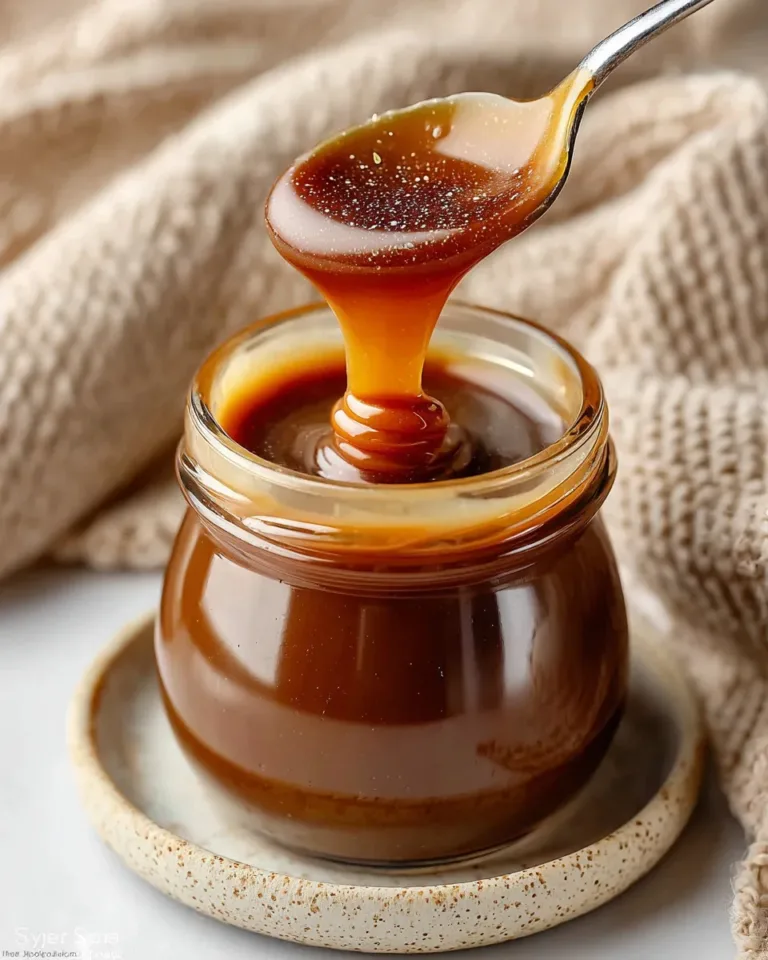
Caramel sauce is one of the most versatile dessert toppings, adding depth, shine, and luxurious sweetness to everything from pastries to warm drinks. Mastering caramel sauce at home often feels intimidating, yet it becomes simple with the right process and a few dependable techniques. This guide brings together practical steps, common cooking cues, and expert adjustments inspired by top search results, making it easy for anyone to create a smooth and flavorful caramel sauce. You will learn how heat works, why certain textures form, and how to avoid crystallization, along with essential kitchen tips to help your caramel sauce turn out perfectly every time.
Step by Step Guide for Smooth and Velvety Caramel Sauce
The Ingredients You Need for a Reliable Caramel Base
This method uses simple, accessible ingredients. Everything listed below supports a rich flavor profile and stable texture without any questionable additives. All dairy should be at room temperature for the best results.
You will need
1 cup granulated sugar labeled pure cane
6 tablespoons unsalted butter, room temperature, cut into 6 pieces
1/2 cup heavy cream, room temperature
1 teaspoon salt
Melting the Sugar for a Deep Amber Color
Begin by placing a medium stainless steel saucepan over medium heat. Add the pure cane sugar and stir constantly using a wooden spoon or heat-safe silicone spatula. The sugar will clump as it heats, which is normal during dry caramelization. Continue stirring around the edges and bottom until the sugar melts into a smooth amber liquid. This usually takes around six minutes. Keep the sugar moving so it warms evenly and does not scorch.
Incorporating the Butter for a Silky Blend
Once the sugar is completely liquified, lower the heat and gently add the butter pieces. The mixture will bubble rapidly because the butter’s moisture meets the hot sugar. Stir nonstop until the butter melts and blends in smoothly. If the sugar separates or the butter pools, remove the pan from heat and whisk vigorously until the mixture becomes uniform again. This step ensures a cohesive caramel without graininess.
Adding the Cream to Create the Sauce Texture
Pour the heavy cream in very slowly while stirring. Expect bubbling and steam as the cooler cream meets the hot caramel. Continue mixing until the cream is fully incorporated. Once it settles, increase the heat slightly and let the caramel boil for one minute. If you prefer precise temperature control, aim for about 220 degrees Fahrenheit. The caramel will thicken slightly during this stage.
Finishing With Salt for Balanced Flavor
Remove the saucepan from the heat and blend in the salt. The sauce will look thin at first, but it thickens naturally as it cools. Setting it aside for a few minutes helps the caramel stabilize into the classic pourable texture associated with premium caramel sauce.
How to Store and Reheat Your Caramel Sauce
Place the sauce in a tightly sealed container and refrigerate for up to one month. It will solidify when cold. For use, warm it gently in the microwave or over low heat on the stovetop until it loosens. For longer storage, freeze the sauce in an airtight container for up to three months. Thaw in the refrigerator or at room temperature before reheating.
Extra Notes for the Most Dependable Results
Use pure cane granulated sugar whenever possible because it melts more consistently than blended varieties. Heavy cream delivers the richest texture, though light whipping cream works if needed. Salt quantity can be adjusted to your preference. Avoid doubling the recipe because large volumes can melt unevenly. If you notice clumping at any stage, steady whisking almost always brings the mixture back together.
Tips and Tricks for Perfect Caramel Sauce Every Time
Mastering Heat Control for Consistent Texture
Heat is the most important factor when making caramel sauce. Keeping the temperature steady prevents scorching and ensures the sugar melts evenly. Medium heat works best because high heat can burn sugar before it has time to liquify. If the sugar begins to darken too fast, simply lower the heat. Gentle heat correction protects the flavor and supports a smooth finish.
Why Room Temperature Ingredients Matter
Using room temperature butter and cream prevents seizing. Cold dairy cools the caramel too quickly, which can cause lumps. If the mixture still separates, keep whisking until it returns to a silky texture. This simple step helps maintain a balanced consistency and prevents gritty results.
Avoiding Crystallization Through Proper Stirring
Consistent stirring with a silicone spatula helps the sugar melt evenly. Scrape along the bottom and sides to prevent crystals from forming. If crystals appear, covering the pan briefly can help steam dissolve them. Smooth caramel depends on reducing crystal formation at every stage.
How Color Impacts Flavor Development
Caramel becomes more flavorful as it deepens in color. Aim for a rich amber shade before adding the butter. Pale caramel tastes sweeter and lighter, while darker caramel delivers a more intense profile. Watch carefully because the color can change quickly as the sugar melts.
Notes to Improve Your Caramel-Making Skills
Understanding Ingredient Behavior
Pure cane sugar melts more predictably than generic blends that may contain beet sugar. Heavy cream gives the sauce its luxurious richness thanks to its higher fat content. Salt brings balance by enhancing caramelized notes. Adjusting salt is a great way to customize flavor intensity.
Helpful Equipment Considerations
A stainless steel pot is ideal because it heats evenly. Nonstick pans can cause uneven melting and are not suitable for dry caramel methods. Wooden spoons or silicone spatulas stay cool and help prevent hot spots. A candy thermometer is optional but useful for cooks who prefer precise temperature tracking.
Batch Size Makes a Difference
Attempting to double or triple this recipe may cause uneven melting. Larger volumes trap steam and delay liquification. Making smaller batches ensures accuracy and maintains the smooth texture expected from high quality caramel sauce. Preparing multiple small batches rather than one large batch keeps results consistent.
Common Mistakes and How to Fix Them
If the mixture separates while adding butter or cream, whisk steadily until it comes together. If it burns, start over because burnt sugar affects the taste and cannot be corrected. If your caramel becomes too thick after cooling, warming it briefly returns it to a pourable state.
Storage and Shelf Life of Caramel Sauce
Short Term and Long Term Storage Options
Caramel sauce stores well when sealed tightly. In the refrigerator, it lasts up to one month without losing flavor. It thickens as it chills, which is normal. Reheat it gently until smooth again. For long term storage, place it in an airtight container and freeze it for up to three months. Thawing at room temperature or in the refrigerator prepares it for reheating.
How to Maintain Freshness and Texture
Reheating caramel slowly prevents scorching. Use low heat on the stovetop or short intervals in the microwave. Stir frequently for an even texture. If the sauce appears separated after cold storage, whisk it lightly as it warms. Proper reheating restores its creamy consistency without altering flavor.
Using Caramel Sauce After Storage
Stored caramel is versatile. Once warmed, it can be used for drizzling, dipping, filling, or blending into drinks. The flavor remains true as long as it is sealed well and reheated carefully. Maintaining the container tightly closed protects it from absorbing other flavors in the refrigerator.
Traveling or Gifting Considerations
This caramel sauce maintains its texture at room temperature for a full day, making it easy to share or transport. As it cools during travel, it firms slightly but becomes smooth again when gently warmed. Its stability makes it ideal for desserts, beverages, and breakfast toppings.
Conclusion
Caramel sauce is simple to master when you understand how sugar melts, how heat affects texture, and how ingredients interact. This guide covers the essential steps, helpful tricks, detailed notes, and dependable storage methods needed to make a consistently smooth and flavorful caramel sauce. With careful stirring, gentle heat, and proper handling, you can create a rich sauce that enhances everything from pastries to drinks. This method ensures reliable results while giving you full confidence in the caramel making process.
Print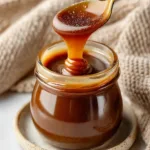
Caramel Sauce
- Total Time: 20 minutes
- Yield: 1 cup
Description
A rich, smooth caramel sauce made with pure cane sugar, butter, cream, and salt for a glossy finish and deep flavor.
Ingredients
1 cup granulated sugar labeled pure cane
6 tablespoons unsalted butter at room temperature cut into 6 pieces
1/2 cup heavy cream at room temperature
1 teaspoon salt
Instructions
In a stainless steel saucepan over medium heat stir the pure cane sugar constantly until it melts into a smooth amber liquid keeping the mixture moving so it does not scorch then reduce heat and add the butter stirring until fully blended and smooth if separation occurs remove from heat and whisk until it comes back together pour the room temperature heavy cream in very slowly while stirring and expect bubbling once combined increase heat slightly and let the caramel boil for about a minute then remove from heat and stir in the salt allowing the sauce to cool and thicken before using
Notes
Use pure cane granulated sugar because it melts more evenly.
Room temperature butter and cream prevent seizing during mixing.
If the caramel thickens too much after refrigeration warm it gently on the stove or in the microwave.
Avoid doubling the recipe to maintain even melting and consistent texture.
For storage refrigerate tightly covered for up to one month or freeze for up to three months and thaw before reheating.
- Prep Time: 5 minutes
- Cook Time: 15 minutes
- Category: Sauce
- Method: Stovetop
- Cuisine: American